Where is The Egg at 3dpo: Tracking the Early Journey of a Fertilized Ovum

From the moment an ovary releases a mature oocyte, an intricate biological process begins. This phenomenon, commonly called ovulation, sets the stage for potential fertilization. If sperm is present and manages to fuse with the released egg, a remarkable sequence unfolds that may lead to embryo implantation and, ultimately, a viable pregnancy. Although these first few days are crucial, they are also marked by uncertainty and anticipation for many hopeful parents-to-be. This article delves into the science of early post-ovulation development, highlighting what happens in the body during the initial stretch after an egg is released and possibly fertilized—right around three days past ovulation (3dpo), where is the egg at 3dpo. By understanding the underlying biology and recognizing subtle signs, individuals can approach this phase with increased awareness and balanced expectations.
The Physiology of Ovulation and Early Fertilization
Every menstrual cycle, follicles within an ovary compete to reach maturity. Generally, one follicle emerges dominant, releasing a fully developed egg. This event, known as ovulation, typically occurs in the middle of a regular 28-day cycle. Hormonal signals from the brain trigger ovulation; once the egg departs the follicle, it travels into the fallopian tube, where fertilization may take place if sperm is already present or arrives soon after.

Sperm cells can survive in the female reproductive tract for several days. If intercourse or insemination occurred close to ovulation, the journey toward conception begins in earnest. Following successful fertilization, the now-fertilized egg (termed a zygote initially) begins dividing. This division marks the start of embryonic development, which continues as the fertilized ovum traverses from the fallopian tube to the uterus over several days [1].
The Journey Through the Fallopian Tube
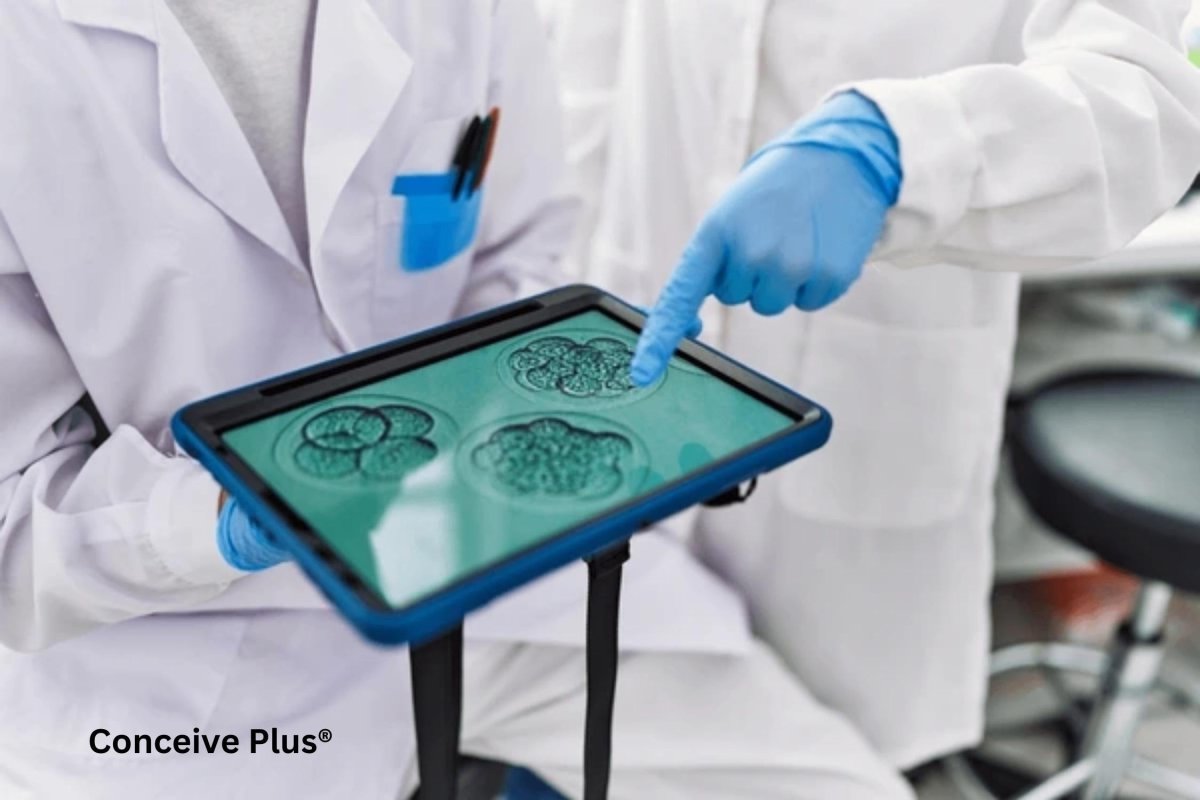
Within hours of ovulation, the egg is picked up by the fringed end (fimbriae) of the fallopian tube. Fine, hair-like structures (cilia) line the inside of this tube and help propel the oocyte toward the uterine cavity. When a sperm penetrates the egg during this passage, the fertilized egg kickstarts a series of rapid cell divisions. Scientists refer to the resulting structure as a blastomere in its earliest stages. Over time, cell division transforms the blastomere into a multi-celled cluster known as a morula, and eventually it becomes a blastocyst as it approaches the uterus.
This trek from the tube to the uterus typically spans about five to seven days. By the time it reaches the uterine lining, the fertilized egg may be ready for implantation. The total timeline, however, can vary among individuals. While the broad strokes are consistent, small differences in anatomy and the precise timing of ovulation can lead to a slightly earlier or later arrival in the uterus [2].
Early Cramping and Discharge: Common Questions Answered
The days following ovulation spur numerous physical questions, especially among those actively trying to conceive. Conversations within fertility communities often revolve around mild cramps or changes in cervical mucus and vaginal discharge.
Cramping at This Stage
- Some individuals feel mild pelvic discomfort, sometimes described as pulling or pinching on one side of the abdomen. This may be cramping at 3dpo and can stem from the corpus luteum—the temporary hormonal structure that forms where the follicle released the egg—producing elevated progesterone. It also might be part of normal muscle or ligament twinges in the pelvic area.
- Occasionally, people speak of 3dpo cramping or cramping for 3 days after ovulation. These sensations vary in intensity but generally remain mild. True implantation cramping typically doesn’t occur until the fertilized ovum actually reaches and burrows into the uterine lining, which usually happens closer to 6-10 DPO.
Observing Vaginal Discharge
- Around 3dpo discharge if pregnant is often indistinguishable from discharge when not pregnant at this point. Generally, cervical mucus may become thicker or creamier due to hormonal influences. Some interpret an increase in milky or lotion-like discharge as an encouraging sign, though it’s not diagnostic of pregnancy.
- Bear in mind that stress, hydration levels, or infections can also alter cervical mucus characteristics. Therefore, it’s wise not to rely solely on discharge patterns for definitive conclusions at this very early stage [3].
The Concept of “3 Days After Conception”

✨ Think You Might Be Pregnant?
Get fast, accurate results up to 6 days before your missed period with our early detection pregnancy test.
Shop Now — $9.80✓ Free shipping on orders over $40 | ✓ Trusted by millions of couples worldwide
Frequently, the phrase 3 days after conception is used interchangeably with “3 days past ovulation.” While they’re often close in timing, the two expressions aren’t necessarily identical. Conception requires not only the release of a viable egg but also fertilization by a sperm cell, which can happen on the day of ovulation or within about 24 hours of that event. If fertilization happens slightly later, the timeline for embryonic development shifts accordingly.
Those who keep precise track of ovulation using basal body temperature charts, ovulation predictor kits, or ultrasounds might feel reasonably certain about when the egg was released. However, pinpointing the exact moment of fertilization is more challenging. Hence, when people say “three days after conception,” they are frequently approximating or making an educated guess based on ovulation time.
For those closely monitoring their ovulation timeline, utilizing a DPO calculator can offer valuable insight into the days following ovulation, helping to estimate when implantation might occur.

Spotlight on Early Anecdotal Experiences
Looking for real-world insights, people often turn to 3 dpo symptoms success stories and wonder whether certain patterns can predict a future positive pregnancy test. These anecdotal narratives can feel uplifting, especially for those longing to share a similar experience. Many highlight subtle changes like mild uterine twinges, increased fatigue, or fleeting episodes of mood swings. In other words, they might reference 3 dpo symptoms leading to bfp (big fat positive) on a pregnancy test.
However, it’s vital to remember that every journey is unique. Not everyone experiences or notices bodily changes at 3 DPO, and a lack of symptoms doesn’t necessarily signal an unsuccessful cycle. Equally, noticing multiple signs at this stage doesn’t guarantee pregnancy. The psychological component—where anxiety or optimism influences how one interprets bodily signals—plays a huge role. Ultimately, only a properly timed pregnancy test or blood test can confirm a viable pregnancy.
For those eager to confirm their early symptoms, the Conceive Plus Pregnancy Test provides a reliable and easy-to-use option, delivering results in just minutes with high accuracy.
Self-Care During the Luteal Phase
The uncertainty of the “two-week wait”—the time from ovulation to when a pregnancy test might show accurate results—can feel stressful. Practicing self-care strategies can help maintain mental and physical health during this period of heightened anticipation.
-
Stay Balanced
Adequate rest, consistent hydration, and a balanced diet support a healthy luteal phase. Include protein-rich foods, whole grains, fruits, and vegetables in meals, ensuring that the body remains nourished. -
Moderate Exercise
Light to moderate physical activity, such as yoga, brisk walking, or swimming, can promote relaxation and healthy circulation without undue strain. -
Mindfulness and Stress Management
Techniques like meditation, journaling, or talking with a supportive friend or partner can alleviate anxiety. These methods encourage emotional well-being during a potentially tense waiting period. -
Limit Unhelpful Comparisons
While online forums can provide helpful community support, everybody is distinct. Steer clear of overanalyzing others’ experiences or fixating on timelines that may not apply to your physiology.
Reducing Confusion About Early Indications
Deciphering bodily cues in the immediate days after ovulation is no simple matter. Widespread curiosity about whether subtle signals can forecast a pregnancy is understandable, yet definitive medical research underscores that actual implantation has not yet happened at 3 DPO. If an individual senses 3dpo cramping or notices unusual sensations, these are more likely responses to hormonal fluctuations generated by the corpus luteum or natural pelvic muscle adjustments.
Meanwhile, reading about 3 dpo symptoms success stories can provide emotional comfort for some, so long as it doesn’t provoke undue stress or unrealistic expectations. The best approach is often to remain open-minded, track changes if desired, and wait until a more appropriate time to confirm pregnancy through testing.
When to Seek Advice
Should someone notice prolonged discomfort, unusual bleeding, or persistent pain well beyond 3 DPO, contacting a healthcare provider is wise. Though mild cramping for 3 days after ovulation is often harmless, persistent or severe pain may point to an underlying concern like ovarian cysts or a hormonal imbalance. Early intervention ensures timely diagnosis and can resolve issues before they escalate.
Additionally, for couples actively trying to conceive for an extended period without success, a fertility specialist can offer tailored guidance. They might conduct hormonal assessments, recommend timed intercourse or insemination strategies, and evaluate overall reproductive health. Recognizing that knowledge is power, gathering professional perspectives can demystify the post-ovulation waiting period and supply constructive next steps [4].

The Bottom Line
So, if you’ve been wondering where is the egg at 3dpo, remember it is likely still en route to its ultimate destination. In this window of just a few days after ovulation, the fertilized egg (if fertilization has occurred) continues its journey within the fallopian tube while hormonal shifts lay the groundwork for potential implantation. People often examine every fluctuation in their bodies, hoping for a sign of imminent pregnancy. While mild cramping or changes in cervical mucus can occur, the chance of definitive, unmistakable symptoms leading to a positive pregnancy test at this point remains low. True implantation typically happens closer to a week after ovulation, making any earlier impressions inconclusive. Indeed, these few days can feel long and filled with questions, yet patience and awareness of standard physiological processes can help set realistic expectations. A pregnancy can begin in earnest only once an embryo reaches the uterus and attaches. At this juncture, one might eventually look back, appreciate the body’s complexity, and finally see a test confirm the hopes of a new life unfolding.
References
- Holesh JE, Bass AN, Lord M. Physiology, Ovulation. [Updated 2023 May 1]. In: StatPearls [Internet]. Treasure Island (FL): StatPearls Publishing; 2025 Jan-. Available from: https://www.ncbi.nlm.nih.gov/books/NBK441996/
- Croxatto HB, Ortiz ME, Díaz S, Hess R, Balmaceda J, Croxatto HD. Studies on the duration of egg transport by the human oviduct. II. Ovum location at various intervals following luteinizing hormone peak. Am J Obstet Gynecol. 1978 Nov 15;132(6):629-34. doi: 10.1016/0002-9378(78)90854-2. PMID: 717467.
- E.W. Harville, A.J. Wilcox, D.D. Baird, C.R. Weinberg, Vaginal bleeding in very early pregnancy, Human Reproduction, Volume 18, Issue 9, September 2003, Pages 1944–1947, https://doi.org/10.1093/humrep/deg379
- Nazik E, Eryilmaz G. Incidence of pregnancy-related discomforts and management approaches to relieve them among pregnant women. J Clin Nurs. 2014 Jun;23(11-12):1736-50. doi:10.1111/jocn.12323. Epub 2013 Sep 13. PMID: 24028734.
🌱 Get Answers Early
Millions of women trust Conceive Plus for their fertility journey. Clinically validated pregnancy tests delivered to your door.
Shop Pregnancy Tests →Frequently Asked Questions
Recommended by Fertility Experts
Conceive Plus Men's Fertility Support
Designed to support healthy sperm production, motility, and overall male reproductive health with clinically studied nutrients.
Shop Now →Q: Where is the egg at 3 DPO?
A: At 3 days post-ovulation (3 DPO), the fertilized egg—now called a blastocyst—is actively traveling through the fallopian tube toward the uterus. During this critical window, the embryo is undergoing rapid cell division, typically progressing from 6-8 cells to 16-32 cells through a process called cleavage. The journey from the ovary to the uterus takes approximately 5-7 days total, meaning at 3 DPO you're roughly halfway through this transit phase. The embryo has not yet reached the uterus and implantation has not occurred, which is why pregnancy tests will be negative at this stage.
Q: What are 3 DPO symptoms if pregnant?
A: It's important to understand that at 3 DPO, pregnancy symptoms are extremely unlikely to appear because implantation has not yet occurred. According to the American Society for Reproductive Medicine (ASRM), pregnancy hormones like human chorionic gonadotropin (hCG) only begin to be produced after the blastocyst implants into the uterine lining, typically 6-12 days after ovulation. Any symptoms you experience at 3 DPO are more likely related to ovulation, progesterone production from the corpus luteum, or other pre-implantation factors. Most early pregnancy symptoms—such as breast tenderness, nausea, or fatigue—don't appear until at least 4-5 weeks from your last menstrual period, well after implantation has established.
Q: Is 3 DPO discharge if pregnant normal?
A: Vaginal discharge at 3 DPO is not a reliable indicator of pregnancy, as implantation and hCG production have not yet begun. At this stage, any changes in cervical mucus or discharge are typically related to normal post-ovulation hormonal shifts from progesterone, not pregnancy. The corpus luteum produces progesterone after ovulation, which naturally affects cervical fluid consistency and vaginal discharge in all cycles, pregnant or not. To support reproductive health during this critical early phase, maintaining proper hydration and nutritional status—including adequate folate and antioxidants found in supplements like Conceive Plus—may support overall fertility wellness. Discharge changes become more meaningful as potential pregnancy indicators only after implantation occurs, usually around 8-10 DPO.
Q: Can you have implantation at 3 DPO?
A: Implantation at 3 DPO is biologically impossible, as the embryo is still in transit through the fallopian tube and has not yet reached the uterus. Medical research consistently shows that implantation occurs 6-12 days after ovulation, with most implantation events happening between days 8-10 DPO. At 3 DPO, the embryo is only beginning its crucial cell division phase and is still 3-7 days away from even reaching the uterine cavity. Understanding this timeline helps manage expectations and reduces unnecessary worry about implantation symptoms. If you're tracking your cycle, remember that the earliest reliable pregnancy detection occurs around 10-12 DPO when hCG levels are sufficient for testing.
Q: What happens 3 days after fertilization?
A: Three days after fertilization (3 DPO), your embryo is rapidly dividing and has progressed to approximately 6-8 cells, or in some cases up to 16 cells, in a process called cleavage. The embryo remains in the fallopian tube during this period, where it's nourished by fluids secreted by the tube's lining—these fluids contain essential nutrients and proteins that support early development. The embryo's cells are still totipotent at this stage, meaning each cell retains the potential to develop into a complete organism, though this capacity begins to change as cell division continues. Progesterone levels are rising in your body to prepare the uterine lining for potential implantation, though pregnancy hormones (hCG) are not yet being produced. During this pivotal window, maintaining optimal nutrition and avoiding harmful substances supports the embryo's journey toward successful implantation and development.
Trusted by Couples in Over 70 Countries
Support Male Fertility From the Inside Out
Male fertility is just as important as female fertility in the conception journey. Conceive Plus Men's range delivers targeted nutritional support to promote healthy sperm and overall reproductive wellbeing.
Shop Men's Range →