What Is the Male Key Characteristics and Role in Reproduction?


Male is biological sex which is unique from female in terms of multiple features. They have different reproductive anatomy, hormones, and other physical traits compared to females [1]. If you're wondering, what is the male, it refers to a biological sex characterized by specific reproductive functions and physical traits, such as sperm production and testosterone-driven development.

Some people also ask, what is males, which generally refers to individuals of the male sex characterized by their role in reproduction and distinct physiological traits. Males produce small reproductive cells called sperm cells. These sperm contain genetic information about the male partner, and it transfers this genetic information to the egg during fertilization [2].
In this article, we will explore the role of the male gender in reproduction. We will also discuss the unique traits that make a male different from a female.
Unique Characteristics of a Men
Men are different from women in their physical traits and reproductive anatomy. Here is how:
Physical Features
The unique physical features in men result from the hormone testosterone at puberty [3]. The exceptional features include a deep voice, body and facial hair, bone mass, and broader shoulder muscles.
Men also have a larger muscle mass, which is something influenced directly by testosterone. You may also have noticed that males are generally taller on average compared to females, which is also a unique characteristic.
Testosterone and other hormones regulate all such physical traits of a man. This is why any hormonal imbalance can impact the development of unique physical male traits.
Reproductive Organs
Physical traits are not the only thing that distinguishes the two genders. The key difference between them is their reproductive anatomy.
The primary male reproductive organs are the testes, which produce sperm and testosterone [4]. Testes are cooler than the body temperature for efficient functioning. Other male reproductive organs include the penis, prostate gland, seminal vesicles, and vas deferens.
Penis is the outer male reproductive organ that gets an erection in response to sexual stimuli [5]. It is responsible for the release of sperm inside the female body during intercourse. The Vas deferens, a sperm-carrying tube, transports sperm from the testes to the penis for ejaculation.


✨ Support Healthy Sperm
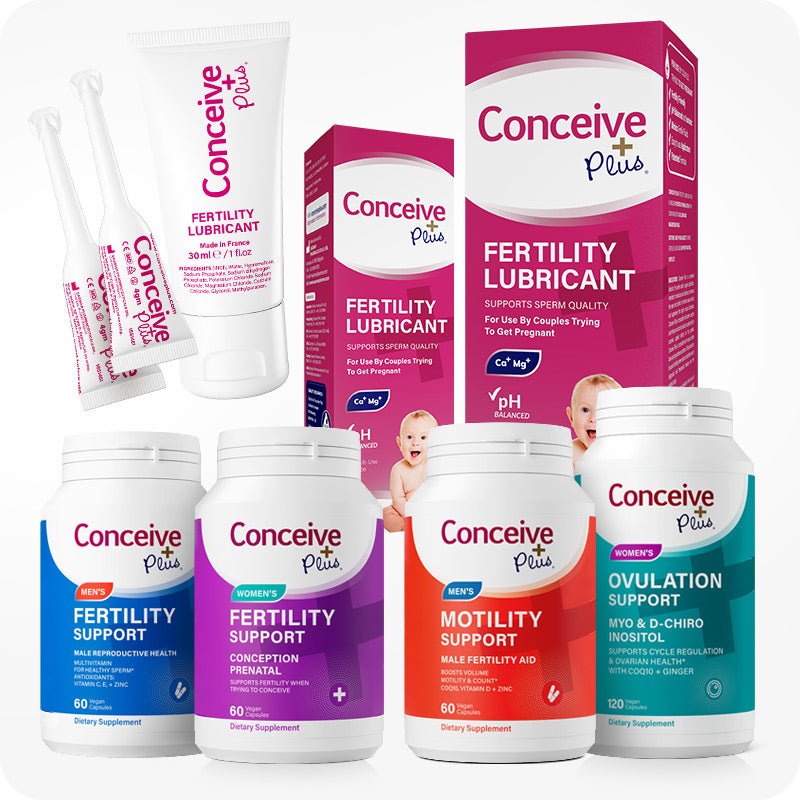
Our Motility Support supplement contains Zinc, CoQ10, and L-Carnitine — clinically studied nutrients for sperm health and motility.
Shop Now — $34.95✓ Free shipping on orders over $40 | ✓ Trusted by millions of couples worldwide
Male Hormones and Their Role
Testosterone, luteinizing hormone (LH), and follicle-stimulating hormone (FSH) play a part in developing boy traits and reproductive functioning.
- Testosterone: Testosterone is the primary male sex hormone, and it plays a crucial role in the development of male characteristics [3]. It regulates sex drive (libido), sperm production, muscle mass, and even mood.
- LH and FSH: While LH and FSH secreted by the pituitary gland are well known for their role in the female menstrual cycle, these hormones also have a major role in men's reproduction. LH and FSH in males have role in sperm production and the functioning of the testes [6].
Men’s Role in Reproduction
Here is the role of male sex in fertilization and conception:
Sperm Production
Testes are the organs unique to men which produce sperm cells, commonly known as gametes, and spermatozoa. The sperm's role is to fertilize the female egg during reproduction. A male begins producing sperm during puberty, and sperm production continues throughout life, although it may decrease with age.
Fertilization Process
During sexual intercourse, semen — a fluid that contains sperm — is ejaculated from the male's penis into the female's reproductive system. If a male sperm successfully reaches and fertilizes a female egg, pregnancy occurs.
This process takes place in the fallopian tubes of the female body. The fertilized egg then travels down to the uterus, where it implants the uterus for the next 9 months.

What Men Fertility Depends On?
Male fertility depends on several key factors, including sperm count, sperm motility — the ability to move, and sperm shape. Healthy man sperm production requires balanced hormone levels, especially testosterone. The proper function of the reproductive organs is also vital for healthy sperm production.
Multiple lifestyle factors, including diet, exercise, stress levels, and avoiding unhealthy habits like smoking or excessive alcohol intake, are also a factor.
The Bottom Line
A male is a man or a boy who can be recognized by his physical characteristics, such as body hair, a deep voice, and muscle mass. Testosterone largely determines these unique characteristics. The question what is the male also relates to the biological and functional roles males play in reproduction, development, and heredity.
The male contributes to reproduction by producing sperm cells and delivering sperm cells inside the female body for fertilization. Different lifestyle habits can impact the ability of a male to conceive.
Resources Used
- Rich-Edwards, J. W., Kaiser, U. B., Chen, G. L., Manson, J. E., & Goldstein, J. M. (2018). Sex and Gender Differences Research Design for Basic, Clinical, and Population Studies: Essentials for Investigators. Endocrine Reviews, 39(4), 424-439. https://doi.org/10.1210/er.2017-00246
- Sperm: MedlinePlus Medical Encyclopedia Image. (n.d.). https://medlineplus.gov/ency/imagepages/19471.htm
- Nassar, G. N., & Leslie, S. W. (2023b, January 2). Physiology, Testosterone. StatPearls - NCBI Bookshelf. https://www.ncbi.nlm.nih.gov/books/NBK526128/
- O’Donnell, L., Stanton, P., & De Kretser, D. M. (2017b, January 11). Endocrinology of the Male Reproductive System and Spermatogenesis. Endotext - NCBI Bookshelf. https://www.ncbi.nlm.nih.gov/books/NBK279031/
- Panchatsharam, P. K., Durland, J., & Zito, P. M. (2023b, May 1). Physiology, Erection. StatPearls - NCBI Bookshelf. https://www.ncbi.nlm.nih.gov/books/NBK513278/
- Oduwole, O. O., Huhtaniemi, I. T., & Misrahi, M. (2021). The Roles of Luteinizing Hormone, Follicle-Stimulating Hormone and Testosterone in Spermatogenesis and Folliculogenesis Revisited. International Journal of Molecular Sciences, 22(23). https://doi.org/10.3390/ijms222312735
🌱 Boost Male Fertility Naturally
Conceive Plus Men's Motility Support is formulated with the nutrients that matter most for sperm quality, count, and motility.
Shop Men's Fertility →Frequently Asked Questions
Recommended by Fertility Experts
Conceive Plus Men's Fertility Support
Designed to support healthy sperm production, motility, and overall male reproductive health with clinically studied nutrients.
Shop Now →What hormones are responsible for male reproductive function?
Testosterone is the primary hormone responsible for male reproductive function and the development of male physical characteristics. The testes produce testosterone, which regulates sperm production, sexual function, and maintains secondary sexual characteristics like facial hair and muscle mass. Other hormones like luteinizing hormone (LH) and follicle-stimulating hormone (FSH) also play critical roles in regulating testosterone production and sperm development.
At what age do males typically reach sexual maturity?
Males typically reach sexual maturity during puberty, which usually begins between ages 9-14 and continues through the late teens. During this period, testosterone levels rise significantly, triggering the development of reproductive organs, sperm production, and secondary sexual characteristics. The complete development of male reproductive capacity generally occurs by the late teens to early twenties.
How long does it take for sperm to develop in males?
Sperm development, a process called spermatogenesis, takes approximately 74 days from start to finish in the testes. This continuous process begins at puberty and continues throughout a man's lifetime, producing millions of sperm cells daily. Understanding this timeline is important for fertility planning, as it means lifestyle changes or treatments may take several months to impact sperm quality.
What can affect male fertility and sperm quality?
Multiple factors can impact male fertility and sperm quality, including age, lifestyle choices (smoking, excessive alcohol, poor diet), obesity, stress, and environmental exposures. Medical conditions such as hormonal imbalances, infections, varicocele, and certain medications can also affect sperm production and function. If you're concerned about fertility, the American Society for Reproductive Medicine (ASRM) recommends consulting a fertility specialist for proper evaluation.
How does male age affect fertility and reproduction?
While male fertility doesn't decline as sharply as female fertility, sperm quality and quantity can decrease with age, particularly after age 40. Older males may experience reduced sperm motility, increased DNA fragmentation, and lower testosterone levels, which can impact conception rates and potentially increase certain health risks in offspring. Age-related changes are gradual, and many men remain fertile throughout their lives, but fertility evaluations become increasingly important for couples where the male partner is over 40.
What is the normal sperm count and what does low sperm count mean?
According to the World Health Organization standards used by US fertility clinics, a normal sperm count is at least 15 million sperm per milliliter of ejaculate. A count below this threshold is considered low sperm count or oligospermia, which can reduce fertility but doesn't necessarily prevent conception. If you have concerns about sperm count, a semen analysis performed by a fertility specialist can provide accurate results and guide treatment options.
Can male reproductive health issues be treated?
Yes, many male reproductive health issues can be treated depending on the underlying cause. Treatment options range from lifestyle modifications and nutritional supplements to medications that address hormonal imbalances or infections, and in some cases, surgical interventions. Consulting with a reproductive endocrinologist or urologist specializing in male fertility can help identify the specific issue and develop an appropriate treatment plan tailored to your situation.
Trusted by Couples in Over 70 Countries
Support Male Fertility From the Inside Out
Male fertility is just as important as female fertility in the conception journey. Conceive Plus Men's range delivers targeted nutritional support to promote healthy sperm and overall reproductive wellbeing.
Shop Men's Range →