What is the Function of the Scrotum and How is it Defined in Biology?
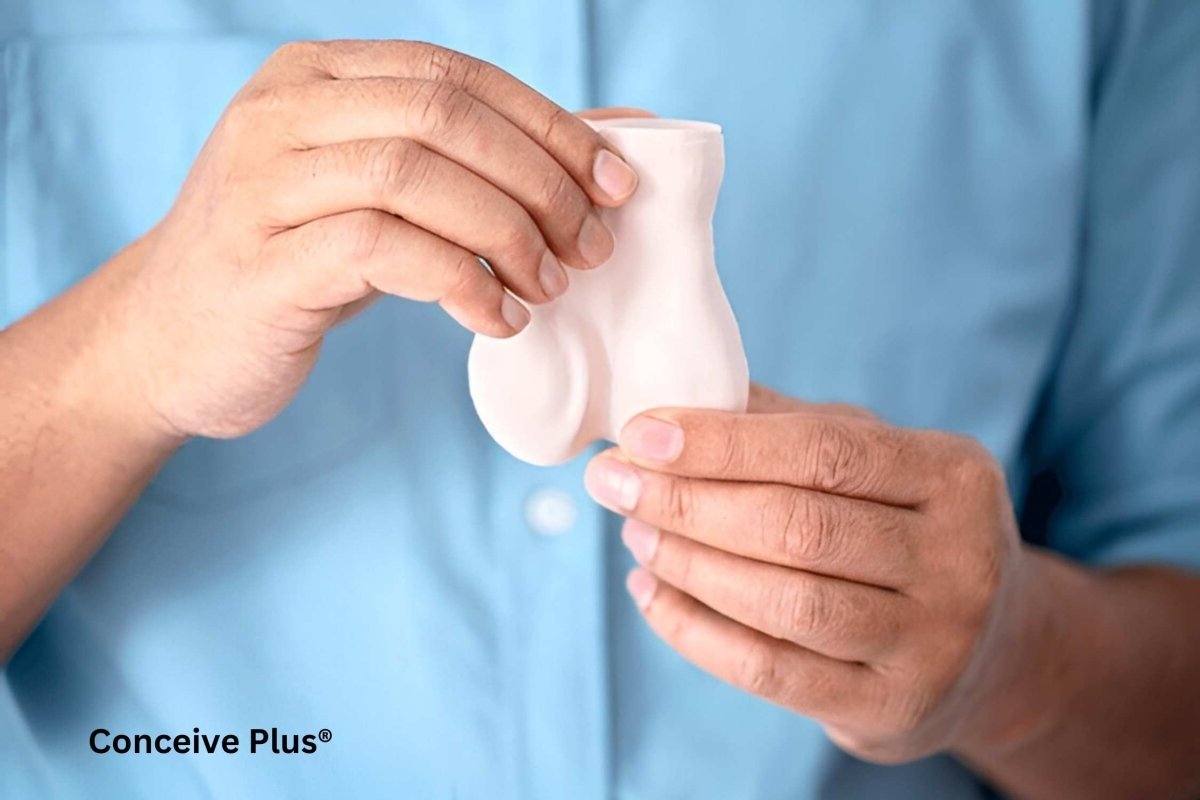

The scrotum is a key player in male reproductive health, but many people don’t really know exactly what it does. So, let’s explore what is the function of the scrotum. It’s more than just a “sack of skin.” In fact, it’s a very crucial part of the male reproductive system. The scrotum definition biology describes it as a sac that supports the testes by regulating their temperature, ensuring good sperm production. But there’s more to it than that [1].

Structure of the Scrotum
The scrotum is made of thin skin and muscle. It’s a divided sac that hangs beneath the penis, right in front of the pelvis. The scrotum labeled shows that it has two chambers, each holding one testicle. Inside, you'll also find the scrotal septum, which keeps the testicles separate to avoid injury [2].
Each half of the scrotum includes:
Testicles: These egg-shaped glands produce sperm and testosterone.
Epididymis: This is where sperm matures before ejaculation.
Muscles: Two muscles, the cremaster and dartos muscles, help regulate the temperature of the testicles.
Now, the function of the scrotum is to keep the testicles at a slightly cooler temperature than the rest of the body. This is super important for sperm production because sperm need a cooler environment to be healthy [3].
Top Tip: Avoid using tight underwear! It can raise scrotal temperature, which isn’t good for sperm production.
How Scrotum Keeps Things Cool
The function of the scrotum really revolves around temperature regulation. If it’s cold, the cremaster muscle pulls the testicles closer to the body to keep them warm. But if it’s hot, the dartos muscle relaxes, letting the scrotum hang lower, so it cools down. This natural mechanism keeps the sperm safe and in good condition for potential conception. Some men explore methods to maintain cool testicles to improve sperm production. You know, without proper temperature control, sperm quality can drop, making it harder to conceive [4].
Top Tip: Zinc and folic acid are nutrients that help improve sperm quality by supporting reproductive health.
Scrotum Defined in Biology
The scrotum definition biology emphasizes its role as an organ that’s all about supporting sperm health. It’s not just a protective sac; it’s designed to ensure that the testicles can produce sperm in the best possible conditions. The scrotum labeled diagrams show exactly how it’s structured to support male fertility. This makes it clear that the scrotum isn’t just an “add-on” to the male body but a key factor in reproductive success [5].

✨ Support Healthy Sperm
Our Motility Support supplement contains Zinc, CoQ10, and L-Carnitine — clinically studied nutrients for sperm health and motility.
Shop Now — $34.95✓ Free shipping on orders over $40 | ✓ Trusted by millions of couples worldwide
Top Tip: Men should do regular self-checks for lumps, swelling, or changes in the scrotum, as it can help detect health problems early.

Scrotum and Fertility
The function of the scrotum is directly tied to male fertility. If the scrotum isn’t working properly, the testicles can get too warm, lowering sperm quality. This can make it harder for couples to conceive. Fertility supplements with nutrients like L-Arginine and Vitamin D can be super helpful in boosting male fertility. They improve blood flow and support hormonal balance, both of which are important for good reproductive health [6].
Top Tip: Eating foods rich in antioxidants like berries, nuts, and leafy greens can help protect sperm from damage.
The Bottom Line
The function of the scrotum is not just about holding the testicles. It’s mainly about temperature regulation, protection, and ensuring that sperm production happens under ideal conditions. What is the function of the scrotum? Knowing what is the function of scrotum can help men take better care of their reproductive health. Regular checks, a good diet, and some lifestyle changes can go a long way in maintaining healthy scrotal function and fertility [7].

FAQs
What is the main function of the scrotum?
The main function is to keep the testicles cooler than body temperature, which is vital for making healthy sperm.
How does the scrotum regulate temperature?
It uses muscles like the cremaster and dartos muscles to either pull up or lower the testicles, keeping the ideal temperature.
Why is scrotal health important for fertility?
If the function of the scrotum is compromised, it can reduce sperm production, affecting fertility.
Can injury affect the function of the scrotum?
Yes, injuries can disrupt the scrotum’s ability to regulate temperature, leading to fertility issues.
How can I maintain good scrotal health?
Wear loose clothing, eat a balanced diet, avoid overheating, and do regular self-exams.
Citations
- Mieusset, R., & Bujan, L. (1995). Testicular heating and its possible contributions to male infertility: a review. International journal of andrology. Available at: https://pubmed.ncbi.nlm.nih.gov/7591190/
- Richard M Sharpe, Lifestyle and environmental contribution to male infertility, British Medical Bulletin. Available at: https://academic.oup.com/bmb/article-abstract/56/3/630/351265?redirectedFrom=fulltext
- Setchell B. P. (1998). The Parkes Lecture. Heat and the testis. Journal of reproduction and fertility. Available at: https://pubmed.ncbi.nlm.nih.gov/10070346/
- Jung, A., & Schuppe, H. C. (2007). Influence of genital heat stress on semen quality in humans. Andrologia. Available at: https://pubmed.ncbi.nlm.nih.gov/18076419/
- Carlsen, E., Giwercman, A., Keiding, N., & Skakkebaek, N. E. (1992). Evidence for decreasing quality of semen during past 50 years. BMJ (Clinical research ed.). Available at: https://pubmed.ncbi.nlm.nih.gov/1393072/
- Sharma, A., Minhas, S., Dhillo, W. S., & Jayasena, C. N. (2021). Male infertility due to testicular disorders. The Journal of clinical endocrinology and metabolism. Available at: https://pmc.ncbi.nlm.nih.gov/articles/PMC7823320/
- Bigelow, P. L., Jarrell, J., Young, M. R., Keefe, T. J., & Love, E. J. (1998). Association of semen quality and occupational factors: comparison of case-control analysis and analysis of continuous variables. Fertility and sterility. Available at: https://pubmed.ncbi.nlm.nih.gov/9457925/
🌱 Boost Male Fertility Naturally
Conceive Plus Men's Motility Support is formulated with the nutrients that matter most for sperm quality, count, and motility.
Shop Men's Fertility →Frequently Asked Questions
Recommended by Fertility Experts
Conceive Plus Men's Fertility Support
Designed to support healthy sperm production, motility, and overall male reproductive health with clinically studied nutrients.
Shop Now →Why do testicles need to be cooler than body temperature?
Testicles need to maintain a temperature about 2-3 degrees Fahrenheit lower than core body temperature because sperm production (spermatogenesis) is extremely temperature-sensitive. When testicles become too warm, sperm quality, motility, and count can significantly decrease, which may impact fertility. This is why the scrotum has specialized muscles that automatically adjust position to regulate temperature throughout the day.
Can tight underwear and clothing really affect male fertility?
Yes, research supported by the American Society of Reproductive Medicine (ASRM) suggests that tight underwear, athletic supporters, and restrictive clothing can elevate scrotal temperature and potentially reduce sperm quality. While the effect varies among individuals, switching to looser underwear or boxer shorts is a simple, cost-free lifestyle adjustment recommended by fertility specialists to optimize sperm production.
What is the cremaster reflex and what does it do?
The cremaster reflex is an involuntary contraction of the cremaster muscle that pulls the testicles closer to the body in response to cold, touch, or other stimuli to preserve warmth. This natural protective mechanism helps maintain optimal scrotal temperature for sperm health. The reflex is so sensitive that even exposure to cold air or water can trigger it within seconds.
How does the scrotal septum protect fertility?
The scrotal septum is the internal wall that divides the scrotum into two separate chambers, with each chamber housing one testicle. This separation is crucial because it prevents injury to both testicles simultaneously and reduces the spread of infection from one side to the other. This protective design helps ensure that testicular damage on one side doesn't compromise overall sperm production capacity.
What nutrients support healthy sperm production?
Zinc and folic acid are key nutrients that support sperm health and reproductive function, according to research recognized by fertility clinics across the US. Zinc is essential for testosterone production and sperm development, while folic acid helps with DNA synthesis and sperm motility. Many fertility specialists recommend adequate intake of these nutrients through diet or supplements as part of a comprehensive approach to male fertility optimization.
When should I see a fertility specialist about scrotal or testicular concerns?
You should consult a board-certified urologist or reproductive endocrinologist if you experience persistent testicular pain, notice changes in testicle size or texture, have concerns about sperm quality, or have been unable to conceive after one year of trying. Many US fertility clinics and urological practices offer semen analysis and other diagnostic tests covered by insurance to evaluate reproductive health. Early evaluation can identify treatable conditions that may affect fertility.
Is there a connection between scrotal temperature and infertility?
Yes, elevated scrotal temperature is a well-documented factor associated with reduced sperm production and decreased fertility in men. Studies show that occupational heat exposure, prolonged sitting, certain medical conditions, and lifestyle factors that increase scrotal temperature can negatively impact semen parameters. If you're concerned about temperature-related infertility, a reproductive endocrinologist can assess your situation and recommend evidence-based interventions.
Trusted by Couples in Over 70 Countries
Support Male Fertility From the Inside Out
Male fertility is just as important as female fertility in the conception journey. Conceive Plus Men's range delivers targeted nutritional support to promote healthy sperm and overall reproductive wellbeing.
Shop Men's Range →