What Does Sperm Look Like In Water And How To Identify It

So, you’re probably wondering, what does sperm look like in water? Maybe it’s simple curiosity, or perhaps you’re looking to understand how semen behaves in water for fertility reasons. Either way, it’s an interesting topic. While the environment of water isn’t ideal for sperm, it still offers a chance to learn more about sperm’s behavior, consistency, and overall health [1]. And who knows? It might answer some of your questions about fertility along the way.
How Does Sperm Look Like In Water?
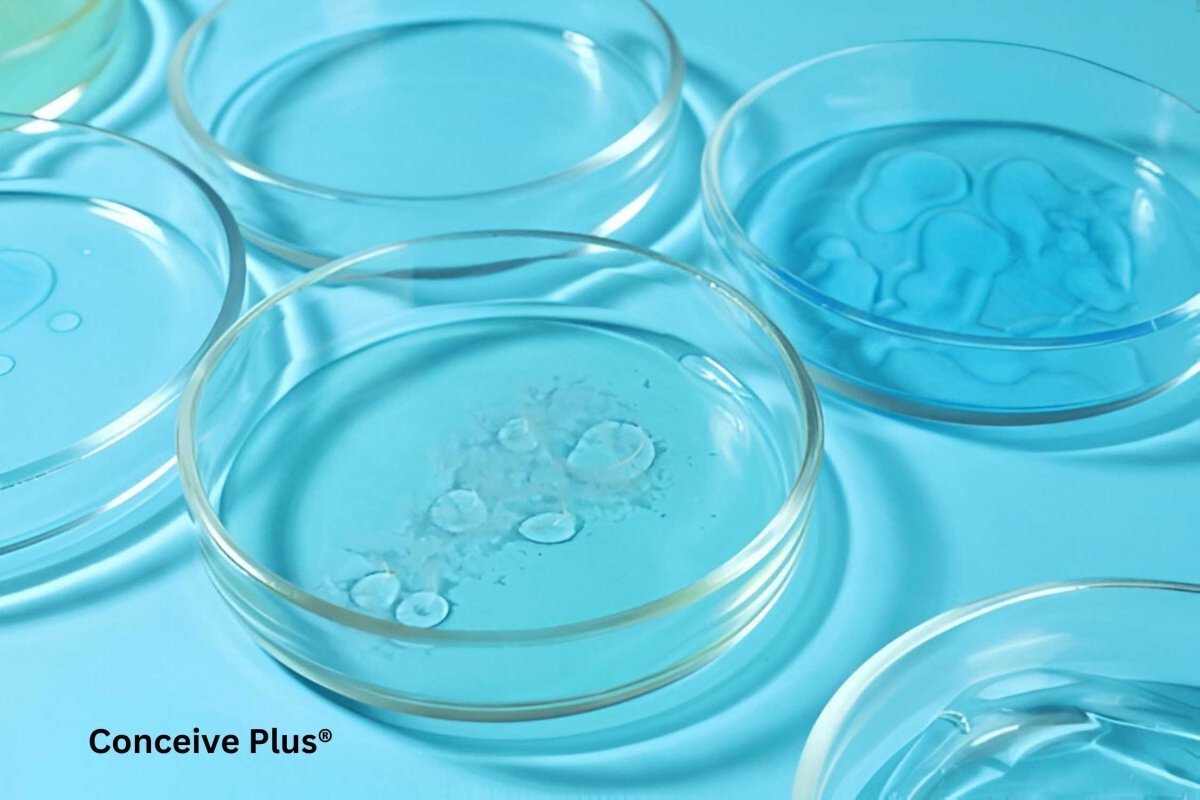
Alright, let’s break it down. When semen first hits water, it might seem a little cloudy or milky. It spreads fast though—like, really fast. Why? Because the water dilutes it, making it all spread out and separate. The sperm cells themselves become almost invisible in the process. That’s just how sperm and water work together. The conditions in water, especially if it’s cold, chlorinated, or soapy, don’t really help sperm survive [2]. In fact, they kill it off pretty quick. So, you won’t be seeing those little swimmers for long. While some people wonder how to check sperm count at home with water, this method isn't reliable due to how quickly sperm become inactive in water.
Top Tip: Sperm behaves best in the body or in a lab, so don’t rely on water to get a clear picture of its health or fertility potential.

Why Can Semen Be Watery Sometimes?
If your semen’s looking a bit watery, don’t panic. It happens, and there are reasons for it—most of them pretty normal and manageable.
Frequent Ejaculation
Yes, that’s right. If you ejaculate often, your semen might start looking thin. The body needs a little time to build it back up again. The more you ejaculate, the less time the body has to make new sperm, so the semen comes out looking more like water [3].
It’s kind of like running out of supplies in the middle of cooking—you need time to restock. Giving your body a break between ejaculations can help bring back thicker semen consistency.
Low Sperm Count (Oligospermia)
Low sperm count, also called oligospermia, is one of the big reasons for watery semen. This happens when sperm levels fall below 15 million sperm per milliliter. And why does that matter? Fewer sperm means the semen is less thick, so it’s more likely to be watery. It can be due to several reasons—hormone imbalances, infections, even stress [4].
Nutrition plays a role, too. Zinc is one key nutrient. It’s like a booster for sperm production. If there’s not enough zinc in the body, sperm count can drop. And less sperm usually means thinner semen.
Nutrient Deficiencies

✨ Support Healthy Sperm
Our Motility Support supplement contains Zinc, CoQ10, and L-Carnitine — clinically studied nutrients for sperm health and motility.
Shop Now — $34.95✓ Free shipping on orders over $40 | ✓ Trusted by millions of couples worldwide
Let’s talk vitamins. Sperm needs nutrients to grow and stay healthy. Folic acid, vitamin C, and magnesium are important for producing thick, healthy semen. If you’re missing these nutrients, semen can turn watery [5]. It’s kind of like trying to make a smoothie without enough fruit—it's just not thick enough.
Eating a variety of nutrient-rich foods or taking fertility supplements can help improve semen quality over time.

Pre-Ejaculate Fluid Confusion
Now, don’t mix it up. Pre-ejaculate fluid is clear, watery stuff that comes out before full ejaculation. It’s mostly for lubrication, and it usually doesn’t contain much sperm—if any at all. But it’s still worth considering, especially if you’re trying to conceive, because it can still have some sperm in it [6].
When this fluid hits water, it disperses even faster than regular semen. So, if you’re seeing something really watery in water, it might just be pre-ejaculate.
The Bottom Line
So, now you know a bit more about what does sperm look like in water. It’s clear that water isn’t the best environment for sperm to thrive, and watery semen doesn’t always mean something serious. Frequent ejaculation, low sperm count, and nutrient deficiencies can all play a role in semen consistency. The good news? Many of these factors are manageable with diet, supplements, and a little patience [7]. If changes persist, though, consulting a specialist is a smart move.
FAQs
Can sperm survive in water?
Nope. Water dilutes sperm fast, breaking it apart, so it can’t survive for long.
What does sperm look like in water?
It starts out looking cloudy or milky, but it spreads quickly and becomes hard to see.
Is watery semen a sign of infertility?
Not necessarily. It can be temporary and caused by frequent ejaculation or low nutrient intake.
How can I make my semen thicker?
Try consuming zinc, folic acid, and vitamin C regularly. And space out ejaculation to allow semen to replenish.
Is pre-ejaculate fluid fertile?
It can be, but it has much lower sperm concentration than full ejaculate.

Citations
- World Health Organization. (2010). WHO laboratory manual for the examination and processing of human semen, 5th ed. World Health Organization. Available at: https://iris.who.int/handle/10665/44261
- R.G. Saacke. Semen Quality in Relation to Semen Preservation. Journal of Dairy Science. Available at: https://www.sciencedirect.com/science/article/pii/S0022030283821377
- Nnatu, S. N., Giwa-Osagie, O. F., & Essien, E. E. (1991). Effect of repeated semen ejaculation on sperm quality. Clinical and experimental obstetrics & gynecology. Available at: https://pubmed.ncbi.nlm.nih.gov/2054949/
- Gudeloglu, A., & Parekattil, S. J. (2013). Update in the evaluation of the azoospermic male. Clinics (Sao Paulo, Brazil). Available at: https://pmc.ncbi.nlm.nih.gov/articles/PMC3583174/
- Zareba, P., Colaci, D. S., Afeiche, M., Gaskins, A. J., Jørgensen, N., Mendiola, J., Swan, S. H., & Chavarro, J. E. (2013). Semen quality in relation to antioxidant intake in a healthy male population. Fertility and sterility. Available at: https://pubmed.ncbi.nlm.nih.gov/24094424/
- Pudney, J., Oneta, M., Mayer, K., Seage, G., 3rd, & Anderson, D. (1992). Pre-ejaculatory fluid as potential vector for sexual transmission of HIV-1. Lancet (London, England). Available at: https://pubmed.ncbi.nlm.nih.gov/1360584/
- Takalani, N. B., Monageng, E. M., Mohlala, K., Monsees, T. K., Henkel, R., & Opuwari, C. S. (2023). Role of oxidative stress in male infertility. Reproduction & fertility. Available at: https://pmc.ncbi.nlm.nih.gov/articles/PMC10388648/
🌱 Boost Male Fertility Naturally
Conceive Plus Men's Motility Support is formulated with the nutrients that matter most for sperm quality, count, and motility.
Shop Men's Fertility →Frequently Asked Questions
Recommended by Fertility Experts
Conceive Plus Men's Fertility Support
Designed to support healthy sperm production, motility, and overall male reproductive health with clinically studied nutrients.
Shop Now →Can you get pregnant from sperm in a swimming pool or hot tub?
No, pregnancy cannot occur from sperm in a swimming pool or hot tub. Chlorine, salt water, and temperature changes quickly immobilize and kill sperm within seconds, making fertilization impossible. Sperm requires the specific environment of the female reproductive tract to survive and fertilize an egg.
What is a normal sperm count according to WHO standards in the US?
According to the World Health Organization (WHO) guidelines used by American fertility clinics, a normal sperm count is 15 million sperm per milliliter or higher. Counts below this threshold may be diagnosed as oligospermia (low sperm count) and could affect fertility, though it doesn't necessarily prevent conception.
How can I check my sperm quality at home?
While visual inspection at home is unreliable, the most accurate way to assess sperm quality is through a semen analysis performed at a certified fertility clinic or lab. At-home sperm tests are available commercially but have limited accuracy compared to professional analysis, which measures count, motility, morphology, and volume.
Does zinc supplementation improve low sperm count?
Zinc is essential for healthy sperm production, and deficiency may contribute to low sperm count. While zinc supplementation can help if you have a documented deficiency, it should be discussed with a fertility specialist or urologist, as excessive zinc can be harmful. A balanced diet with zinc-rich foods like oysters, beef, and pumpkin seeds is generally recommended first.
When should I see a fertility doctor about watery semen?
If you've noticed persistently watery semen lasting more than a few weeks, especially if you're concerned about fertility, consult a urologist or fertility specialist. The American Society for Reproductive Medicine (ASRM) recommends evaluation if you've been trying to conceive for over a year (or 6 months if over 35), which would include semen analysis.
Can stress cause low sperm count and watery semen?
Yes, stress can negatively impact sperm production by affecting hormone levels and overall reproductive health. Chronic stress may contribute to lower sperm count and changes in semen consistency, though the effect is usually reversible once stress levels decrease. If stress-related fertility issues persist, speak with a fertility specialist about management options.
How long does it take to improve sperm quality through diet and lifestyle changes?
It typically takes 72-90 days to see improvements in sperm quality through diet and lifestyle modifications, since sperm production cycles about every 3 months. Changes like reducing stress, improving nutrition (especially zinc and antioxidants), exercising, and avoiding heat exposure can all positively impact semen quality within this timeframe.
Trusted by Couples in Over 70 Countries
Support Male Fertility From the Inside Out
Male fertility is just as important as female fertility in the conception journey. Conceive Plus Men's range delivers targeted nutritional support to promote healthy sperm and overall reproductive wellbeing.
Shop Men's Range →