What Causes Pregnancy and How Fertility Plays a Role


What causes pregnancy is a question many couples ask when trying to conceive. While it might seem straightforward, the reality is much more complex. Pregnancy involves several steps, and all of them have to align perfectly. From ovulation to fertilization and then implantation, every stage plays a critical role in whether conception happens or not. Understanding how these stages work can really help couples take the right steps toward parenthood.
How Pregnancy Actually Happens
To understand what is cause of pregnancy, let’s start at the beginning. Ovulation is the first step in the process. It’s when a mature egg is released from the ovary and begins its journey down the fallopian tube. If sperm is present in the reproductive system at this time, there’s a chance for fertilization.

The timing has to be just right. Sperm can survive for up to five days inside a woman’s body, but the egg only lasts for about 24 hours after being released [1]. If a sperm successfully penetrates the egg during this window, fertilization occurs. At this point, the fertilized egg, now called a zygote, starts traveling toward the uterus.
But fertilization alone doesn’t mean pregnancy. For pregnancy to officially begin, the fertilized egg must implant itself into the lining of the uterus. If implantation doesn’t happen, the fertilized egg is naturally expelled during menstruation.
Why Hormones Matter
Hormones are a big part of what cause of pregnancy. They control the entire reproductive process. They ensure the egg matures, ovulation happens, and the uterus is prepared to support a pregnancy. If hormone levels are off, the process can become much harder.
For example, estrogen is responsible for helping the egg mature and for thickening the uterine lining. Progesterone, on the other hand, helps maintain that lining after ovulation so the fertilized egg can implant. If these hormones aren’t balanced, the chances of conception drop significantly [2].
Timing and Sperm Health
When it comes to how are pregnant happens, timing is key. Fertilization can only occur during ovulation, which is a short window each cycle. Tracking your ovulation can help you figure out your most fertile days during your pregnant time, which makes it easier to plan.
There are several ways to track ovulation:
- Basal Body Temperature (BBT): You can monitor small changes in your body temperature to detect when ovulation occurs.
- Ovulation Predictor Kits: These detect a surge in luteinizing hormone (LH), which happens right before ovulation.
- Cervical Mucus Changes: Around ovulation, cervical mucus becomes clearer, stretchy, and more slippery.
Sperm health is just as important as timing. For fertilization to happen, sperm needs to be healthy, motile, and able to survive long enough to reach the egg. Lifestyle factors like smoking, alcohol, and stress can negatively impact sperm health, making it harder to conceive [3].

Creating the Right Environment for Conception
Even when timing is perfect and both partners are healthy, the environment inside the reproductive system must be favorable for pregnancy. Vaginal dryness or an imbalanced pH can make it difficult for sperm to survive and reach the egg [4].

✨ Trying to Conceive?
Our Ovulation & Fertility Bundle combines Myo-Inositol with essential vitamins to support healthy hormone balance and regular ovulation.
Shop Now — $55.00✓ Free shipping on orders over $40 | ✓ Trusted by millions of couples worldwide
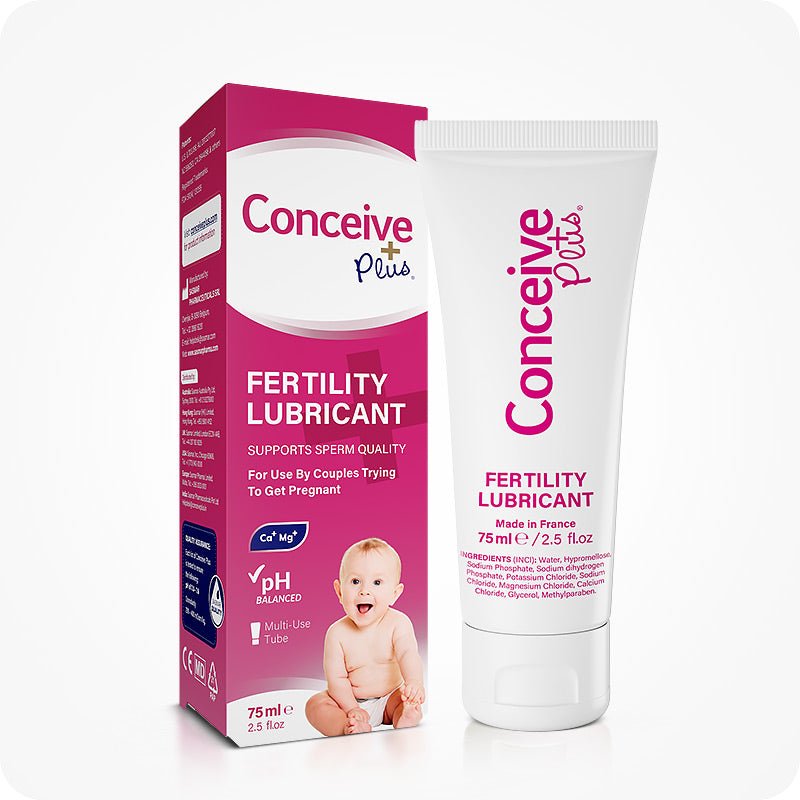
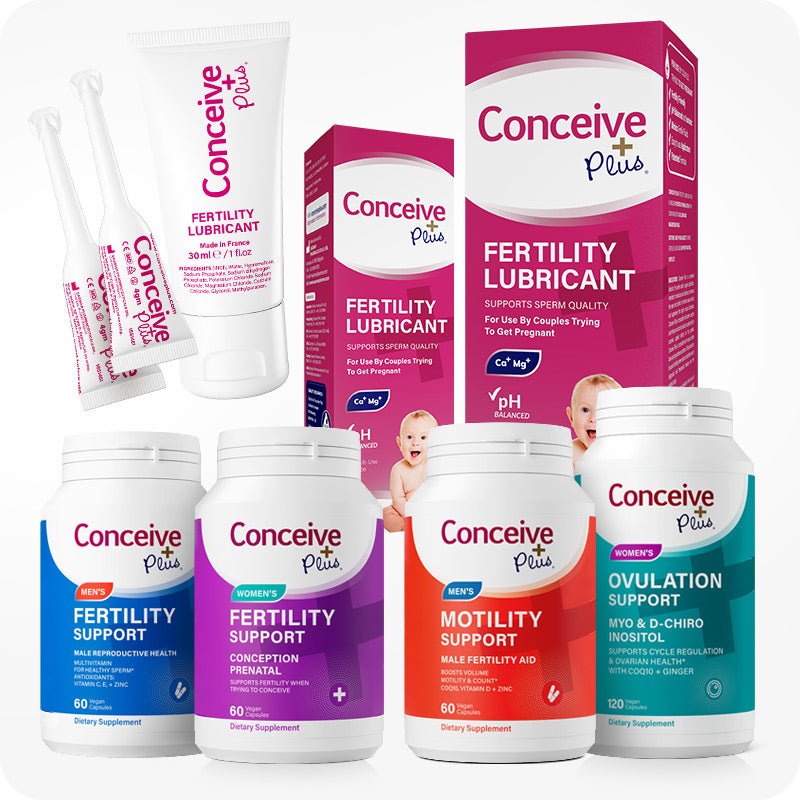
Using fertility-friendly lubricants can help create a more supportive environment for sperm. These lubricants mimic natural cervical fluids, which not only make intercourse more comfortable but also help sperm move more effectively.
The uterine lining is another important factor. If the lining is too thin or not properly prepared, implantation becomes difficult, even if fertilization occurs. Hormonal imbalances, stress, and poor nutrition can all affect the health of the uterine lining [5].
How Nutrition Supports Fertility
Nutrition plays a big role in fertility for both men and women. A balanced diet can support reproductive health, improve hormone balance, and increase the quality of eggs and sperm.
Some nutrients are especially important:
- Folic Acid: Helps improve egg quality and reduces the risk of neural tube defects in early pregnancy.
- Zinc: Supports sperm production and helps regulate hormones in women.
- Magnesium: Balances hormones and supports healthy ovarian function.
- L-Carnitine: Boosts sperm motility and energy, making it easier for sperm to reach the egg.
- CoQ10: Protects eggs and sperm from oxidative damage, improving overall reproductive health.
These nutrients can be obtained through a healthy diet or supplements designed to support fertility.
Common Challenges in Getting Pregnant
Even when couples do everything right, conception doesn’t always happen right away. There are many factors that can affect fertility, and understanding these challenges can help couples address them.
Age and Fertility
Age plays a major role in fertility, especially for women. As women age, the quantity and quality of their eggs decline, making it harder to conceive. Understanding pregnancy risk by age is important, as men’s fertility can also decrease with age, although the decline is generally slower [6].
Lifestyle Factors
Certain habits and environmental factors can also impact fertility:
- Stress: High levels of stress can disrupt hormone levels and ovulation.
- Weight: Being underweight or overweight can negatively affect fertility in both men and women.
- Toxins: Exposure to chemicals, pollutants, and even certain medications can harm reproductive health [7].
Making lifestyle changes, like eating well, exercising, and managing stress, can improve fertility and increase the chances of conception.

The Bottom Line
So, what causes pregnancy? It’s a combination of many factors working together—timing, hormonal balance, healthy eggs and sperm, and the right environment for implantation. By understanding these processes and addressing any challenges, couples can take meaningful steps toward conceiving.
Small changes, like tracking ovulation, improving nutrition, and maintaining a healthy lifestyle, can make a big difference. Patience and persistence are key because every couple’s journey is unique. With the right approach, starting a family becomes much more achievable.
FAQs
How long does it usually take to conceive?
Most couples conceive within a year, but it can vary depending on age, health, and other factors.
Can stress really impact fertility?
Yes, stress can affect hormone levels and ovulation, making it harder to get pregnant.
How can men improve sperm health?
Eating a balanced diet, exercising regularly, and avoiding smoking or alcohol can help improve sperm quality.
Why is tracking ovulation important?
Tracking ovulation helps identify the most fertile days, increasing the chances of conception.
Does every fertilized egg result in pregnancy?
No, implantation must occur for pregnancy to begin, and not all fertilized eggs successfully implant.
Citations
- Wilcox, A. J., Weinberg, C. R., & Baird, D. D. (1995). Timing of sexual intercourse in relation to ovulation. Effects on the probability of conception, survival of the pregnancy, and sex of the baby. The New England journal of medicine. Available at: https://pubmed.ncbi.nlm.nih.gov/7477165/
- Fritz, M. A., & Speroff, L. (2011). Clinical gynecologic endocrinology and infertility (8th ed.). Lippincott Williams & Wilkins. Available at: https://obgyn.lwwhealthlibrary.com/book.aspx?bookid=1227
- Agarwal, A., Mulgund, A., Hamada, A., & Chyatte, M. R. (2015). A unique view on male infertility around the globe. Reproductive biology and endocrinology. Available at: https://pubmed.ncbi.nlm.nih.gov/25928197/
- Anderson, K., Nisenblat, V., & Norman, R. (2010). Lifestyle factors in people seeking infertility treatment - A review. The Australian & New Zealand journal of obstetrics & gynaecology. Available at: https://pubmed.ncbi.nlm.nih.gov/20218991/
- Simon, C., & Dominguez, F. (2004). Embryonic-endometrial interactions at implantation in humans. Gynecologic and obstetric investigation. Available at: https://pubmed.ncbi.nlm.nih.gov/14974446/
- te Velde, E. R., & Pearson, P. L. (2002). The variability of female reproductive ageing. Human reproduction update. Available at: https://pubmed.ncbi.nlm.nih.gov/12099629/
- Sweeney T. (2002). Is exposure to endocrine disrupting compounds during fetal/post-natal development affecting the reproductive potential of farm animals?. Domestic animal endocrinology. Available at: https://pubmed.ncbi.nlm.nih.gov/12142238/
🌱 Support Your Fertility Journey
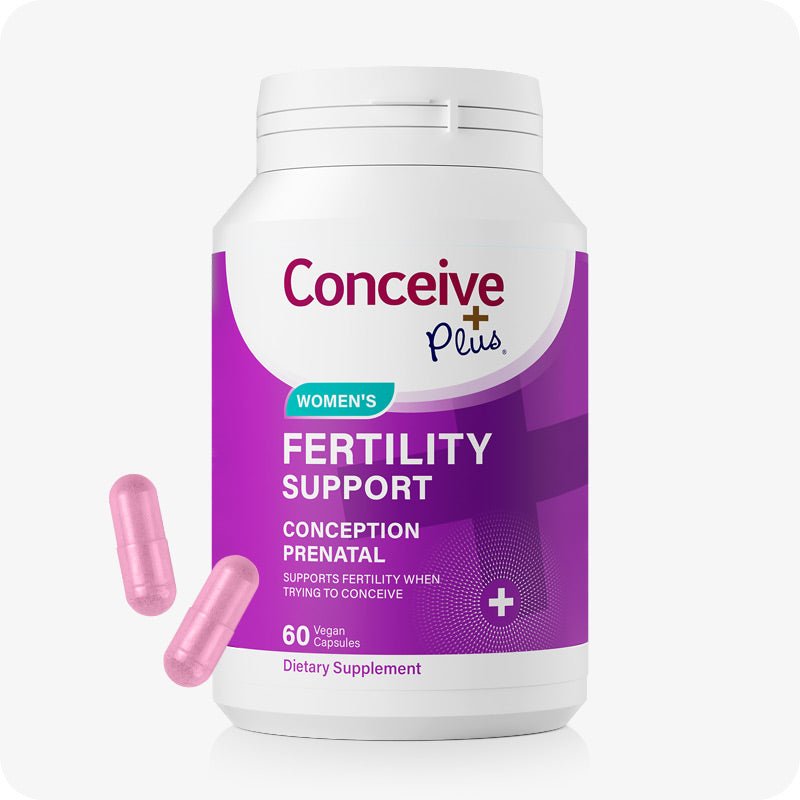
Conceive Plus fertility supplements are clinically formulated to help regulate your cycle and support egg quality.
Shop Fertility Support →Frequently Asked Questions
Recommended by Fertility Experts
Conceive Plus Men's Fertility Support
Designed to support healthy sperm production, motility, and overall male reproductive health with clinically studied nutrients.
Shop Now →Q: How long does it take to get pregnant after ovulation?
A: Pregnancy can only occur when sperm fertilizes an egg during a narrow window of fertility. After ovulation, an egg survives for approximately 12-24 hours, while sperm can remain viable for up to 5 days in the female reproductive tract. This creates a "fertile window" of about 5 days before ovulation and the day of ovulation itself. According to the American Society for Reproductive Medicine (ASRM), couples having regular intercourse during this window have approximately a 20-25% chance of conceiving each cycle. Timing intercourse correctly and maintaining reproductive health through proper nutrition and supplementation can support natural fertility.
Q: What percentage of couples struggle with fertility?
A: Approximately 1 in 8 couples (12.1%) in the United States experience infertility, defined as the inability to conceive after one year of unprotected intercourse, according to the CDC. Infertility affects both men and women, with male factor infertility accounting for about 40% of cases, female factor accounting for about 40%, and combined or unexplained factors making up the remaining 20%. Age is a significant factor, as fertility decline becomes more pronounced after age 35 for women and age 40 for men. Understanding the underlying causes through proper testing and lifestyle modifications—including adequate nutrition and reproductive supplementation like Conceive Plus—can help couples address their specific fertility challenges.
Q: What are the key factors that affect female fertility?
A: Female fertility is influenced by several interconnected factors including ovulation regularity, egg quality, fallopian tube health, and uterine conditions. Age is the most critical factor, with egg quality and quantity declining significantly after age 35, though women in their 20s and early 30s have the highest fertility rates. Other important factors include body mass index (BMI), stress levels, nutritional status, and underlying health conditions such as polycystic ovary syndrome (PCOS) or endometriosis. Research shows that women with optimal micronutrient levels, including antioxidants and minerals, experience better reproductive outcomes, which is why reproductive supplements designed to support female fertility health are increasingly recommended by fertility specialists.
Q: How does male fertility affect getting pregnant?
A: Male fertility is primarily determined by sperm count, motility (movement), and morphology (shape), with the World Health Organization (WHO) establishing specific benchmarks for healthy semen analysis results. Approximately 15% of couples struggling to conceive have male factor infertility, which can result from low sperm count, poor sperm motility, or abnormal sperm morphology. Lifestyle factors such as heat exposure, smoking, alcohol consumption, and poor nutrition can significantly impact sperm health and production. Studies indicate that men who maintain healthy lifestyles and take supplements containing key nutrients like zinc, L-carnitine, and antioxidants—ingredients found in male fertility formulations like Conceive Plus for Men—demonstrate improved sperm quality and concentration.
Q: What happens during implantation and when can you test for pregnancy?
A: After fertilization occurs in the fallopian tube, the embryo travels to the uterus over approximately 5-7 days and then implants into the uterine lining, a process that takes another 8-10 days. During implantation, the embryo releases human chorionic gonadotropin (hCG), the hormone detected by pregnancy tests. Most pregnancy tests can detect hCG levels reliably about 12-14 days after ovulation, though the FDA recommends testing on the first day of a missed period for the most accurate results. Implantation success depends on embryo quality, uterine receptivity, and adequate progesterone levels—factors influenced by overall reproductive health and nutrition during the pre-conception period.
Trusted by Couples in Over 70 Countries
Support Male Fertility From the Inside Out
Male fertility is just as important as female fertility in the conception journey. Conceive Plus Men's range delivers targeted nutritional support to promote healthy sperm and overall reproductive wellbeing.
Shop Men's Range →