What Are the Symptoms of Infection Sperm and What Infections Can Sperm Cause
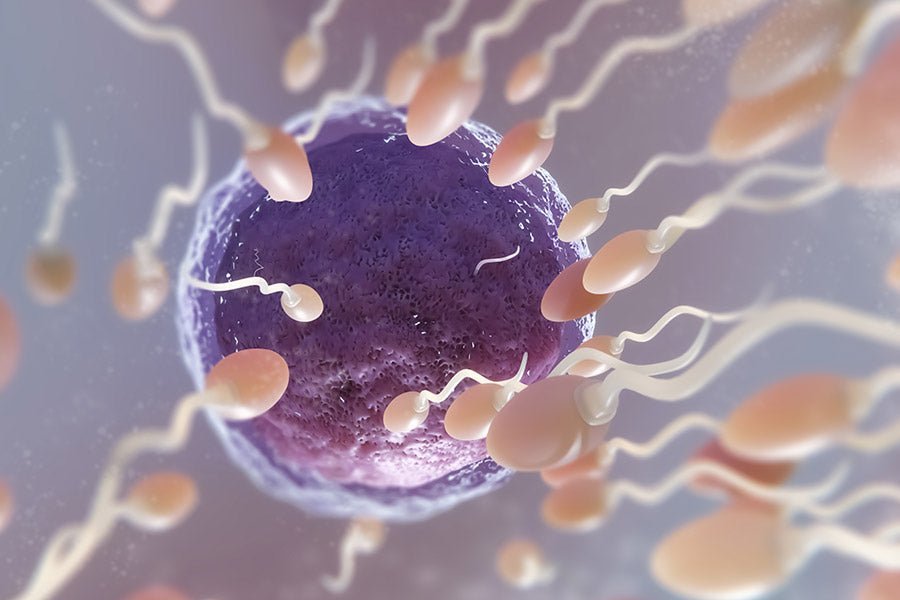

Most men don't think about their sperm health until they start trying for a baby. But sperm infections, also known as infection sperm, can be a serious problem for fertility. Many times, infections go unnoticed and untreated, but they can cause real issues when it comes to getting pregnant. Let’s take a closer look at how sperm infections affect fertility, what symptoms to look out for, and how they can be treated.

What Is Infection Sperm?
So, what exactly is infection sperm? Well, it’s pretty much what it sounds like. Sperm can get infected from bacteria, viruses, or other microorganisms. These infections often start in the urinary or reproductive tract, and they can have a big impact on sperm health [1]. Whether the infection comes from a urinary tract infection (UTI), or something like a sexually transmitted infection (STI), it can mess with the sperm’s ability to move, function, and even lower the sperm count. Worse, some infections can damage the DNA in the sperm, leading to more trouble with fertility.
What Infections Can Sperm Cause?
A common question is, what infections can sperm cause? It’s a good one because infections can affect both the man and potentially the partner. Some of the most frequent infections that mess with sperm include:
- UTIs (Urinary Tract Infections): These can start in the urinary tract and then travel to the reproductive system, causing a semen infection [2].
- STIs (Sexually Transmitted Infections): STIs like chlamydia or gonorrhea can cause severe problems in the reproductive system, directly impacting sperm quality.
- Prostatitis: This is an infection or inflammation of the prostate, which affects sperm production and quality.
- Epididymitis: When the epididymis gets infected, sperm motility drops. And without good motility, sperm can't make their way to fertilize the egg [3].
- Orchitis: This condition involves an infection or swelling in the testicles, making it harder for healthy sperm to be produced that can be identified from image of healthy sperm.
These infections can weaken the sperm, and if left untreated, can make it much more difficult to conceive. So, yeah, they’re no joke.

Sperm Infection Symptoms
But how do you know if you have a sperm infection? It’s tricky because the symptoms might not always be obvious. In fact, some men don’t even realize there’s a problem. But if you’re noticing any of the following sperm infection symptoms, it’s time to see a doctor:

✨ Support Healthy Sperm
Our Motility Support supplement contains Zinc, CoQ10, and L-Carnitine — clinically studied nutrients for sperm health and motility.
Shop Now — $34.95✓ Free shipping on orders over $40 | ✓ Trusted by millions of couples worldwide
- Pain during urination
- Pain during ejaculation
- Discolored semen (yellow or greenish) [4]
- Smelly semen
- Pain in the lower abdomen or testicles
- Frequent urination
These symptoms are often signs that something’s not quite right in the reproductive system. While they might seem mild, they could indicate a bigger problem, like a semen infection or another infection that could be harming sperm health.
How Do Infections Impact Fertility?
The real issue with infections is how they affect fertility. Men with infection sperm might have fewer healthy sperm, or sperm that can’t move properly. Sperm motility is super important when trying to conceive because it’s what allows the sperm to swim toward the egg. If the infection reduces motility or damages the sperm’s DNA, then fertilization may not happen at all [5]. Even if it does, damaged sperm can lead to miscarriage or other complications during pregnancy.
Men with semen infection might also have lower sperm counts, which reduces the overall chances of conception. So while sperm infections don’t always mean infertility, they certainly make the whole process more difficult. The longer an infection goes untreated, the worse the effects can be on sperm health.
Treatment and Prevention
Most infections that affect sperm can be treated, and sperm health can improve with time. Antibiotics are often the first line of defense, especially if bacteria is involved [6]. For those showing sperm infection symptoms, it’s essential to see a healthcare provider to get a proper diagnosis and a treatment plan tailored to the specific infection.
In addition to medical treatments, lifestyle plays a big role in keeping sperm healthy. Eating right, staying hydrated, and taking supplements with nutrients like zinc, folic acid, and CoQ10 can really help with sperm production and quality. These nutrients work by boosting sperm motility and protecting sperm cells from damage.

The Bottom Line
Infections in sperm can seriously impact male fertility. Recognizing sperm infection symptoms and understanding what infections can sperm cause are key steps in protecting your reproductive health. Common infection sperm issues include bacterial prostatitis or sexually transmitted infections that can damage sperm quality and motility. Don’t wait to get checked if you’re experiencing any symptoms or suspect an infection. Early treatment can help prevent long-term damage to your fertility.
Remember, a little proactive care can go a long way in maintaining healthy sperm and improving the chances of conceiving naturally.
FAQs
Can infection sperm lead to infertility?
It can if untreated. Infections can lower sperm quality and reduce the chances of conception.
What infections can sperm cause?
STIs like gonorrhea or chlamydia, UTIs, and infections in the prostate or testicles.
What are common sperm infection symptoms?
Pain during urination, discolored semen, or discomfort in the pelvic area.
How is semen infection diagnosed?
A doctor can run tests, like a semen analysis, to check for bacteria or infection. To find a doctor you can search semen analysis near me.
Citations
- La Vignera S, Vicari E, Condorelli RA, D'Agata R, Calogero AE. Male accessory gland infection and sperm parameters (review). Int J Androl. Available at: https://pubmed.ncbi.nlm.nih.gov/21696400/#:~:text=In%20this%20review%2C%20we%20show,the%20following%20mechanisms%3A%20altered%20secretory
- Weidner W, Krause W, Ludwig M. Relevance of male accessory gland infection for subsequent fertility with special focus on prostatitis. Hum Reprod Update. Available at: https://pubmed.ncbi.nlm.nih.gov/10582781/
- Oliva A, Multigner L. Chronic epididymitis and Grade III varicocele and their associations with semen characteristics in men consulting for couple infertility. Asian J Androl. Available at: https://www.ncbi.nlm.nih.gov/pmc/articles/PMC6038156/
- Ochsendorf FR. Sexually transmitted infections: impact on male fertility. Andrologia. Available at: https://pubmed.ncbi.nlm.nih.gov/18336453/
- Saleh RA, Agarwal A. Oxidative stress and male infertility: from research bench to clinical practice. J Androl. Available at: https://pubmed.ncbi.nlm.nih.gov/12399514/
- Nickel JC, Costerton JW. Coagulase-negative staphylococcus in chronic prostatitis. J Urol. Available at: https://pubmed.ncbi.nlm.nih.gov/1732601/
🌱 Boost Male Fertility Naturally
Conceive Plus Men's Motility Support is formulated with the nutrients that matter most for sperm quality, count, and motility.
Shop Men's Fertility →Frequently Asked Questions
Recommended by Fertility Experts
Conceive Plus Men's Fertility Support
Designed to support healthy sperm production, motility, and overall male reproductive health with clinically studied nutrients.
Shop Now →How do I know if I have a sperm infection?
Common symptoms of sperm infection include pain or burning during urination, testicular pain or swelling, abnormal discharge from the urethra, fever, and pelvic discomfort. However, some men experience no symptoms at all, which is why it's important to get tested if you're having difficulty conceiving or notice any changes in your reproductive health. A urologist or fertility specialist can perform tests like semen analysis and cultures to definitively diagnose an infection.
Can sperm infections affect my ability to get pregnant?
Yes, sperm infections can significantly impact fertility by reducing sperm motility (movement), lowering sperm count, affecting sperm morphology, and in some cases damaging sperm DNA. The severity of impact depends on the type and duration of the infection, as well as how quickly it's treated. Many men regain normal sperm function after receiving appropriate antibiotic treatment, though some may experience lasting effects if the infection caused permanent tissue damage.
What's the difference between prostatitis, epididymitis, and orchitis?
Prostatitis is inflammation of the prostate gland, epididymitis is inflammation of the epididymis (the tube that stores sperm), and orchitis is inflammation or infection of the testicles themselves. All three conditions can negatively affect sperm production and quality, though they affect different parts of the male reproductive system. Treatment varies depending on the specific condition, so proper diagnosis by a healthcare provider is essential.
How are sperm infections treated in the US?
Sperm infections are typically treated with antibiotics prescribed by a urologist or fertility specialist, with the specific antibiotic depending on the type of infection (bacterial, viral, etc.). Treatment duration usually ranges from 2-4 weeks, and follow-up semen analysis is often recommended to confirm the infection has cleared. Many insurance plans cover antibiotic treatment when prescribed for male fertility issues, though coverage varies by plan.
Can STIs like chlamydia and gonorrhea permanently damage sperm?
If left untreated, STIs like chlamydia and gonorrhea can cause scarring and permanent damage to reproductive structures, potentially leading to lasting fertility problems. However, when caught early and treated promptly with antibiotics (typically recommended by the CDC and ASRM guidelines), most men recover normal sperm function. It's crucial to get tested and treated immediately if you suspect you have an STI, and to inform your sexual partner(s) so they can also receive treatment.
How long does it take to recover normal sperm function after an infection?
Recovery time varies depending on the type and severity of infection, but typically sperm function can improve within 2-3 months after completing antibiotic treatment, since it takes about 74 days for sperm to fully mature. Some men see improvements within weeks, while others may need several months for sperm count and motility to return to normal levels. Your fertility specialist may recommend follow-up semen analysis to track recovery progress.
Should my partner be tested if I have a sperm infection?
If your sperm infection is caused by an STI like chlamydia or gonorrhea, your partner should definitely be tested and treated, even if they have no symptoms, since they may be infected and could transmit the infection back to you. For other types of infections like UTIs or prostatitis that aren't sexually transmitted, partner testing is typically not necessary unless your partner also has symptoms. The CDC recommends that all sexually active individuals get regular STI screening as part of preventive healthcare.
Trusted by Couples in Over 70 Countries
Support Male Fertility From the Inside Out
Male fertility is just as important as female fertility in the conception journey. Conceive Plus Men's range delivers targeted nutritional support to promote healthy sperm and overall reproductive wellbeing.
Shop Men's Range →