Tips to Get Pregnant After 40: Conception Challenges With Age


The trend of planning a child late in marriage life has increased quite a lot in recent decades. Nowadays, more women than ever are choosing to start or expand their families after 40.
While planning for conception after marriage, it is important to remember that the ability of a woman to get pregnant and deliver a healthy baby decreases with age [1]. Fortunately, there are ways for boosting fertility at 40 and increase the chances of conception.
In this article, we will explore some common challenges a woman can face when trying to conceive after 40. This article also explains how to increase fertility after 40 and tips to get pregnant after 40.
Why Conceiving After 40 Can Be Challenging?
A woman's body undergoes different changes with age. These changes can impact fertility health and chances of conception [1].
Some common factors for reduced chances of conception after 40 include:
- Reduced Egg Quality and Quantity: Women are born with a fixed number of eggs, which decreases over time [2]. Reports show that after a certain age, both the number and quality of eggs in the ovaries decline [3]. Less available eggs make fertilization difficult, lowering the chances of getting pregnant.
- Hormonal Changes: A woman's body experiences hormonal changes, especially near the menopause period [4]. These hormonal changes can make ovulation unpredictable, making it harder to plan conception.
- Higher Risk of Health Issues: Health conditions like high blood pressure and diabetes become more common with age. Research shows that these health issues can affect fertility health and increase the risk of miscarriage during pregnancy and birth defects [5].

Tips to get pregnant After 40
Here are some tips on how you can improve fertility after 40 and how to get pregnant after 40 fast naturally:
1. A Healthy Diet
Women often ask how to become more fertile and what to do to increase fertility after a certain age. A healthy diet is the most easy and practical answer to such questions.
A healthy diet or a balanced diet for reproductive health means a diet rich in fruits, vegetables, lean proteins, and whole grains. Such diets provide you with essential nutrients for improving egg quality and hormonal imbalances [6]. Eating fertility nutrients in your diet is how to get pregnant after 40 fast.
2. Exercise
Regular exercise, even light activity like walking, also helps maintain overall health and hormone balance. Avoiding smoking and excessive alcohol are also important lifestyle modifications, as both can negatively affect female fertility health. Does alcohol affect fertility? Yes, it can reduce fertility in both men and women, impacting hormone balance and reproductive health.
3۔ Stress Management
Stress can negatively impact women's reproductive health and chances of conception [7]. Yoga, meditation, and even simple breathing exercises can help lower stress levels. Consider talking to a therapist if you are unable to manage stress levels on your own.
4۔ Prenatal Vitamins

✨ Trying to Conceive?
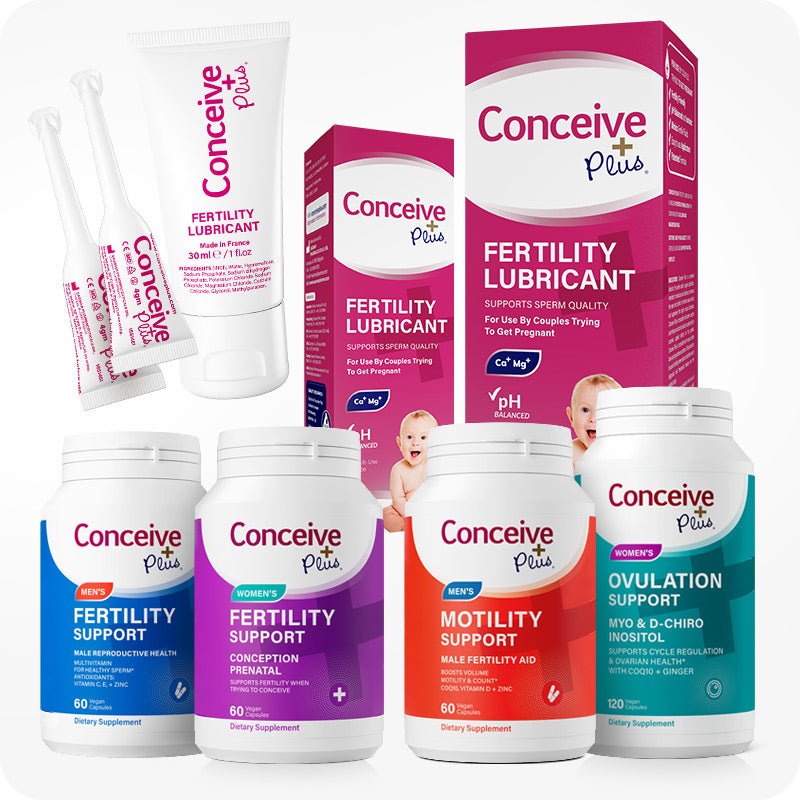
Our Ovulation & Fertility Bundle combines Myo-Inositol with essential vitamins to support healthy hormone balance and regular ovulation.
Shop Now — $55.00✓ Free shipping on orders over $40 | ✓ Trusted by millions of couples worldwide
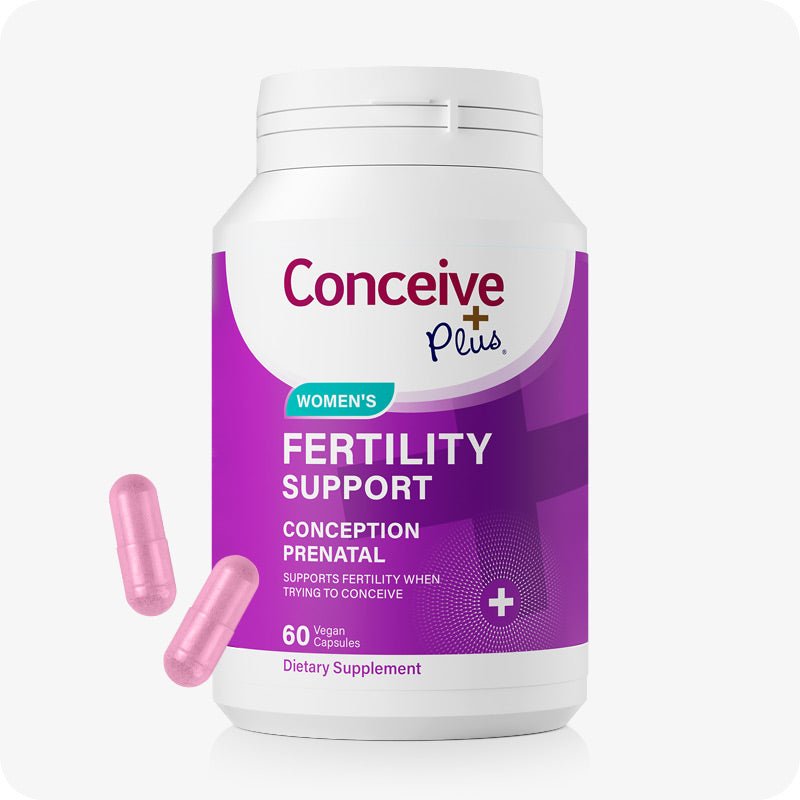
Prenatal vitamins are women's fertility supplements that contain essential vitamins and minerals for fertility health. These supplements contain nutrients like vitamin D, folic acid, iron, calcium, and many other fertility-focused minerals. If you are worried about how to boost fertility in your 40s, prenatal vitamins are one of the best support for you.

Fertility Treatments to Consider After 40
When a woman fails to achieve conception through lifestyle changes, there are several fertility treatments available to improve her chances of getting pregnant:
- In Vitro Fertilization (IVF): IVF is a common fertility treatment for women over 40. It is a method of fertilizing the female egg outside the body and then placing the embryo in the uterus. IVF is the most common type of assisted reproductive technology treatment option for infertility.
- Intrauterine Insemination (IUI): Sperm cells travel from the vagina into the uterus to reach the egg, which reduces the likelihood of sperm reaching the egg.
In the intrauterine insemination method, sperm cells are directly placed into the uterus to increase the chances of fertilization. It is a simpler and less invasive option over IVF for some women, depending on their fertility situation. It is also comparatively less expensive.
- Egg Donation: Women with poor quality eggs or low egg reserve can find healthy egg donor women. Egg donation can increase the chances of pregnancy because of the availability of younger and healthier eggs.
Consulting with a Fertility Specialist
When you plan to conceive after 40, it is important to consult a fertility specialist for guidance. A fertility specialist will assess your fertility status, reproductive health, and discuss factors like peak fertility age to suggest whether you can conceive without complications.
A specialist will also perform some necessary fertility tests to evaluate what is the best time for you to try to conceive. Based on your health and fertility tests, a specialist can provide personalized advice and treatment options, helping you make informed decisions on your fertility journey.
Another major point is the emotional aspect of trying to conceive after 40. The journey to conceive after 40 can be emotionally challenging for some women. A specialist can provide support and resources to help make the process easier and less stressful.

Conclusion
When trying to conceive after a certain age, like after 40, women face many challenges. This is because a woman's body undergoes many changes with age and there is a higher chance she will have low egg reserve, poor egg quality, and poor hormonal balance after a certain age.
Regardless of the challenges in achieving conception at a late stage, older women can conceive by following tips to get pregnant after 40. The tips include eating a healthy diet, following a better lifestyle, and opting for treatment options for fertility issues.
FAQs
-
How to get pregnant at 45 fast?
Getting pregnant after 45 is possible but can be challenging for the mother. A woman can get pregnant at 45 fast by hormonal therapies, egg donation, and IUI.
-
What are the chances of conceiving at 41?
The chances of conceiving at 41 are significantly lower than the chances of conceiving between 20 to 35. But a woman can still get pregnant by making some healthy lifestyle modifications.
-
Can a 43 year old woman get pregnant?
Yes, a 43-year-old woman can get pregnant if she is healthy, has egg reserves, and follows a healthy lifestyle. Fertility treatments can also help in achieving conception at 43.
Resources Used
- George, K., & Kamath, M. (2010). Fertility and age. Journal of Human Reproductive Sciences, 3(3), 121. https://doi.org/10.4103/0974-1208.74152
- Butler. (n.d.). Diminished Ovarian Reserve (DOR): Diagnosis and Fertility Treatment. https://fertility.womenandinfants.org/services/women/diminished-ovarian-reserve
- Owen, A., Carlson, K., & Sparzak, P. B. (2024, February 2). Age-Related Fertility Decline. StatPearls - NCBI Bookshelf. https://www.ncbi.nlm.nih.gov/books/NBK576440/
- Hormonal Imbalance. (2024, October 18). Cleveland Clinic. https://my.clevelandclinic.org/health/diseases/22673-hormonal-imbalance
- Pregnancy if You Have Diabetes. (2024, March 8). National Institute of Diabetes and Digestive and Kidney Diseases. https://www.niddk.nih.gov/health-information/diabetes/diabetes-pregnancy
- Skoracka, K., Ratajczak, A. E., Rychter, A. M., Dobrowolska, A., & Krela-Kaźmierczak, I. (2021). Female Fertility and the Nutritional Approach: The Most Essential Aspects. Advances in Nutrition, 12(6), 2372–2386. https://doi.org/10.1093/advances/nmab068
- Palomba, S., Daolio, J., Romeo, S., Battaglia, F. A., Marci, R., & La Sala, G. B. (2018). Lifestyle and fertility: the influence of stress and quality of life on female fertility. Reproductive Biology and Endocrinology, 16(1). https://doi.org/10.1186/s12958-018-0434-y
🌱 Support Your Fertility Journey
Conceive Plus fertility supplements are clinically formulated to help regulate your cycle and support egg quality.
Shop Fertility Support ��Frequently Asked Questions
Recommended by Fertility Experts
Conceive Plus Men's Fertility Support
Designed to support healthy sperm production, motility, and overall male reproductive health with clinically studied nutrients.
Shop Now →What is the success rate of getting pregnant naturally after age 40?
According to the American Society for Reproductive Medicine (ASRM), natural conception rates decline significantly after 40, with women in their early 40s having approximately a 5% chance of conceiving per cycle compared to 20% for women in their 20s. However, success rates vary greatly depending on individual health factors, egg quality, and overall fertility health. Many women do conceive naturally after 40, though fertility treatments may improve odds for those who don't conceive within 6-12 months of trying.
Should I get fertility testing done if I'm over 40 and trying to conceive?
Yes, the ASRM recommends that women over 40 seeking pregnancy should undergo fertility evaluation after just 3-6 months of attempting conception, rather than waiting the standard 12 months. Key tests typically include ovulation tracking, hormone level assessments (FSH, AMH), and partner semen analysis to identify any underlying issues that could affect your chances. Early testing allows your fertility specialist to recommend appropriate interventions, whether lifestyle modifications or assisted reproductive technologies.
Are there fertility medications that can help women over 40 get pregnant?
Yes, fertility medications such as clomiphene citrate (Clomid) and letrozole (Femara) can help stimulate ovulation and may be prescribed for women over 40 with ovulation irregularities. For those undergoing in vitro fertilization (IVF), gonadotropins are used to stimulate the ovaries to produce multiple eggs. Your fertility doctor will determine which medications are appropriate based on your hormone levels, age, and specific fertility challenges, and insurance coverage varies by plan and state.
Is IVF or egg freezing recommended for women over 40?
IVF may be recommended for women over 40 who have not conceived naturally after appropriate testing and attempts, or those with specific fertility diagnoses like blocked fallopian tubes or male factor infertility. Egg freezing is generally more effective when done before age 40, but can still be an option for those in their early 40s with adequate egg supply. The decision depends on individual circumstances, and many fertility clinics offer free or reduced-cost consultations to discuss your options; however, assisted reproductive technologies are often not covered by insurance, though some states mandate fertility coverage.
How can I improve egg quality if I'm over 40?
Egg quality can be supported through a nutrient-rich diet high in antioxidants (fruits, vegetables, nuts), regular moderate exercise, maintaining a healthy weight, managing stress, and ensuring adequate sleep. Supplements like CoQ10, DHEA, and prenatal vitamins with folate and vitamin D have shown promise in some studies for supporting fertility after 40, though you should discuss supplements with your healthcare provider first. Avoiding smoking, limiting alcohol consumption, and managing chronic conditions like diabetes and hypertension are also critical for optimizing reproductive health.
What are the increased health risks of pregnancy after 40?
Pregnancies after 40 carry higher risks for gestational diabetes, preeclampsia, miscarriage, and chromosomal abnormalities such as Down syndrome (Trisomy 21) compared to younger women. Women over 40 also have increased rates of cesarean delivery and may experience more pregnancy-related complications, though most pregnancies result in healthy outcomes with proper prenatal care. Prenatal screening tests like non-invasive prenatal testing (NIPT) and detailed ultrasounds can help identify potential concerns early, and working closely with a maternal-fetal medicine specialist is often recommended.
How long should I try to conceive naturally before seeking fertility treatment?
For women over 40, the ASRM recommends seeking fertility evaluation after just 3-6 months of unprotected intercourse, rather than waiting 12 months as recommended for younger women. This shorter timeline is recommended because fertility declines more rapidly after 40, and earlier intervention can maximize your chances of success. If you have known fertility risk factors (irregular cycles, previous miscarriages, partner with low sperm count), you should consult a fertility specialist even sooner.
Trusted by Couples in Over 70 Countries
Support Male Fertility From the Inside Out
Male fertility is just as important as female fertility in the conception journey. Conceive Plus Men's range delivers targeted nutritional support to promote healthy sperm and overall reproductive wellbeing.
Shop Men's Range →