Throwing Up While on Period Am I Pregnant or Is It Something Else

Nausea or even throwing up during your period can catch you off guard. It’s frustrating, uncomfortable, and honestly, a little confusing. If you’ve been in this situation, you’ve probably asked yourself, throwing up while on period am I pregnant? It’s a fair question. After all, some early pregnancy symptoms can feel oddly similar to what you experience during your period. But there’s more to this than just a yes or no answer. Let’s break it down and figure out what’s going on.

Highlights
- Nausea during your period is often caused by hormonal changes, specifically the release of prostaglandins, which can affect your digestive system.
- Throwing up during your period does not necessarily mean you are pregnant, but lighter or unusual bleeding could signal implantation bleeding.
- Early pregnancy symptoms, such as fatigue, nausea, and breast tenderness, can sometimes overlap with menstrual symptoms, making it hard to tell the difference.
- Nutritional support, including folic acid, magnesium, and CoQ10, can help improve fertility and manage menstrual discomfort.
- Home remedies like ginger tea, a balanced diet, and stress management can effectively reduce nausea during menstruation.
- Persistent or severe nausea during menstruation may indicate underlying conditions like endometriosis or pelvic inflammatory disease and should be evaluated by a doctor.
Why Do Women Feel Nauseous on Their Period?
Periods come with enough challenges—cramps, mood swings, fatigue, and sometimes even nausea. But why does this happen? It all starts with your hormones.
The Hormone Culprit: Prostaglandins
Prostaglandins are these little hormone-like substances your body releases during menstruation. They have one main job: help your uterus contract so it can shed its lining. While that’s essential for your period, prostaglandins can go rogue. They can affect your stomach and intestines, leading to nausea, diarrhea, or even vomiting [1]. If you’ve ever had intense cramps that made you feel sick, prostaglandins were likely to blame.
Hormonal shifts during the menstrual cycle can trigger nausea and fatigue, similar to the way some women experience feeling sick and tired during ovulation, which is often linked to fluctuating estrogen and progesterone levels.
Severe Cramps Can Make It Worse
Let’s not sugarcoat it—period cramps can be brutal. For some women, the pain can be so bad that it triggers nausea. This is known as dysmenorrhea, which is just a fancy term for painful periods. When the pain becomes overwhelming, your body may react by making you feel queasy or even causing you to throw up.
Could Nausea During Your Period Be a Sign of Pregnancy?
Now, here’s where things get tricky. Some symptoms of menstruation and pregnancy overlap, which can make it hard to figure out what’s going on. If you’re feeling nauseous during or after your period, it’s natural to wonder: feeling nauseous after period could I be pregnant?
Is It Implantation Bleeding?
One possibility is that what you think is your period might actually be implantation bleeding. This happens when a fertilized egg attaches itself to your uterine wall, usually about 6–12 days after ovulation [2]. Implantation bleeding tends to be lighter and shorter than a normal period. If you’re feeling nauseous too, it could be an early pregnancy symptom.
What About Morning Sickness?
Morning sickness doesn’t usually start right away after conception, but some women are more sensitive to hormonal changes and might experience nausea early on. Even though it’s called “morning sickness,” it can happen at any time of day. If you’re also experiencing fatigue or breast tenderness, it might be time to take a pregnancy test.
Fatigue and Other Early Signs of Pregnancy
Tiredness is a common symptom for both menstruation and early pregnancy, but pregnancy fatigue often feels more extreme. If you’re finding it hard to get through your day without needing a nap, it might be worth considering the possibility of pregnancy [3].

How to Tell the Difference Between Period Symptoms and Pregnancy
So, how can you tell if what you’re experiencing is just your period or something more? Here are a few ways to differentiate.
Breast Tenderness
Breast tenderness happens during your period because of hormonal changes, but in pregnancy, it can feel more intense. You might also notice darkening around your nipples or even some swelling.
Cramping and Bleeding
Menstrual cramps are usually sharper and more intense. Implantation cramps, on the other hand, are milder and don’t last as long. And while periods involve a steady flow of blood, implantation bleeding is usually light and spotty [4].
Overall Changes in Your Body

✨ Think You Might Be Pregnant?
Get fast, accurate results up to 6 days before your missed period with our early detection pregnancy test.
Shop Now — $9.80✓ Free shipping on orders over $40 | ✓ Trusted by millions of couples worldwide
Pay attention to other changes in your body. Are you more tired than usual? Are you having food aversions or cravings? These can all point toward pregnancy.
Could Your Fertility Be Affecting How You Feel?
Nausea during or after your period might not just be a symptom; it could also be a sign of underlying fertility issues. Hormonal imbalances, stress, or even conditions like PCOS can disrupt your cycle and make conception more difficult [5].
Nutrients That Support Fertility and Reduce Symptoms
If you’re trying to conceive, focusing on your diet and nutrient intake can make a big difference. Certain vitamins and minerals are especially important for reproductive health:
- Folic Acid: This is essential for healthy cell growth and plays a key role in preventing neural tube defects during early pregnancy.
- Myo-Inositol: Helps regulate hormones and improve egg quality, particularly for women with PCOS.
- Magnesium: Known to reduce cramps and help balance hormones.
- CoQ10: A powerful antioxidant that protects eggs and improves their quality.
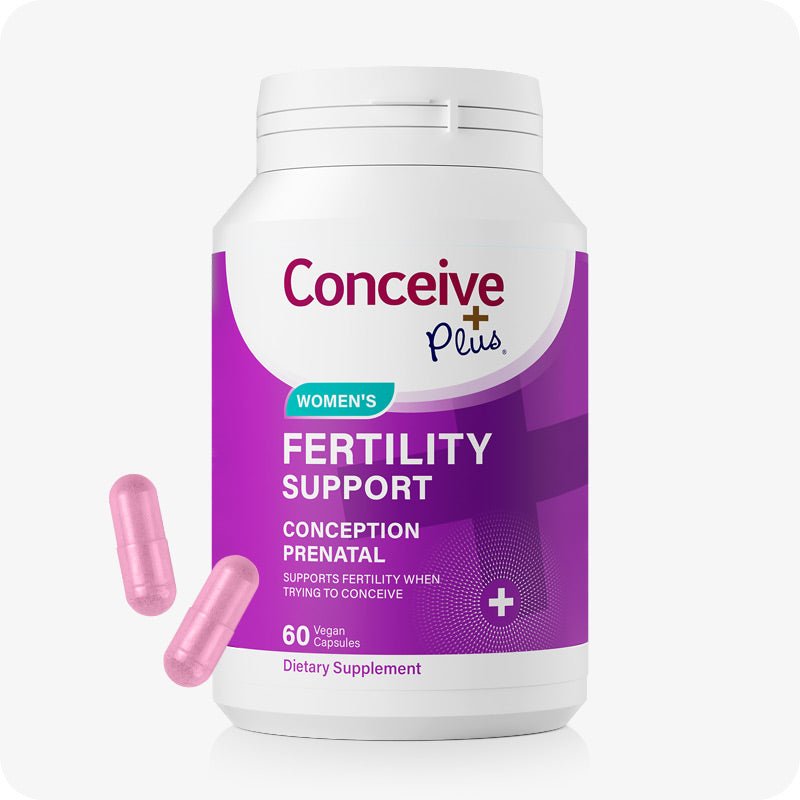
To naturally enhance your fertility and address symptoms like nausea, consider fertility-supportive products like Conceive Plus Women’s Fertility Support, which combines these key nutrients into an easy-to-use supplement.
Managing Nausea During Your Period
If nausea during your period has you feeling miserable, don’t worry. There are practical ways to ease the discomfort and feel more like yourself.
Adjust Your Diet
Your diet plays a huge role in how you feel. Eating smaller, more frequent meals can help stabilize your blood sugar and reduce nausea. Focus on magnesium-rich foods like spinach, nuts, and bananas to soothe cramps. Avoid greasy or spicy foods—they’ll only make things worse [6].
Try Herbal Remedies
Natural remedies like ginger and peppermint are fantastic for nausea. For those experiencing nausea related to hormonal shifts, exploring the benefits of vitamin B6 for morning sickness can provide relief, especially during early pregnancy when queasiness is at its peak. A warm cup of ginger tea or some peppermint lozenges can work wonders when your stomach feels uneasy.
Manage Stress
Stress has a sneaky way of making everything worse, including nausea. Try incorporating stress-relief techniques like yoga, meditation, or even just deep breathing into your routine.
Light Exercise
Believe it or not, gentle exercise can help. A short walk or some light stretching can improve circulation and reduce cramping, which may help ease nausea [7].
When to Take a Pregnancy Test
If you’re still wondering whether nausea could mean pregnancy, taking a test is the easiest way to find out. Home pregnancy tests are designed to detect hCG in your urine, which your body produces during pregnancy. For the most accurate results, take the test about a week after a missed period.
If the test comes back negative but your symptoms persist, wait a few days and test again. Hormone levels can vary, and testing too early can sometimes give a false negative.

When Should You See a Doctor?
While nausea during your period is usually nothing to worry about, there are times when it’s worth consulting a healthcare provider. If your symptoms are severe or don’t go away, it might indicate an underlying issue.
Signs to Watch For
- Persistent vomiting that prevents you from staying hydrated.
- Severe or worsening abdominal pain.
- Unusual vaginal discharge, fever, or chills.
- Symptoms of conditions like endometriosis or pelvic inflammatory disease.
A doctor can help diagnose any underlying issues and recommend treatments that address both the root cause and your symptoms [8].
Why This Information Matters
Understanding your symptoms can make a huge difference in how you approach your health. Whether you’re dealing with regular period symptoms, suspect pregnancy, or are navigating fertility challenges, being informed helps you take control.
The Bottom Line
Nausea during your period might seem like just another unpleasant symptom, but it’s important to listen to your body. If you’ve ever found yourself asking, throwing up while on period am I pregnant, it’s a good idea to consider all the possibilities. From hormonal fluctuations to early pregnancy symptoms, there are several reasons why you might feel the way you do.
Take the time to observe your symptoms. If something feels off, don’t hesitate to take a pregnancy test or consult a doctor. And if you’re trying to conceive, remember that supporting your reproductive health with the right nutrients and lifestyle changes can make all the difference.
FAQs
Can you be pregnant and still have a period?
Not exactly. While you can’t have a true period during pregnancy, some women experience light spotting, which can be mistaken for one.
Why do I feel nauseous during my period?
It’s usually caused by prostaglandins, which help your uterus contract but can also affect your stomach and intestines.
How can I tell if I’m pregnant or just having PMS?
Pay attention to the intensity and duration of your symptoms. Pregnancy symptoms like nausea and fatigue are often more extreme and long-lasting than PMS.
What can I do to reduce nausea during menstruation?
Stick to a balanced diet, drink ginger tea, and try relaxation techniques like yoga to ease nausea.
Is nausea during menstruation a sign of a health issue?
It can be, especially if it’s severe or persistent. Conditions like endometriosis or PID may cause nausea and should be evaluated by a doctor.
Citations
- Dawood M. Y. (2006). Primary dysmenorrhea: advances in pathogenesis and management. Obstetrics and gynecology. Available at: https://pubmed.ncbi.nlm.nih.gov/16880317/
- Norwitz, E. R., Schust, D. J., & Fisher, S. J. (2001). Implantation and the survival of early pregnancy. The New England journal of medicine. Available at: https://pubmed.ncbi.nlm.nih.gov/11794174/
- Behrenz, K. M., & Monga, M. (1999). Fatigue in pregnancy: a comparative study. American journal of perinatology. Available at: https://pubmed.ncbi.nlm.nih.gov/10458531/
- Wilcox, A. J., Weinberg, C. R., O'Connor, J. F., Baird, D. D., Schlatterer, J. P., Canfield, R. E., Armstrong, E. G., & Nisula, B. C. (1988). Incidence of early loss of pregnancy. The New England journal of medicine. Available at: https://pubmed.ncbi.nlm.nih.gov/3393170/
- Azziz R. (2018). Polycystic Ovary Syndrome. Obstetrics and gynecology, 132(2). Available at: https://pubmed.ncbi.nlm.nih.gov/29995717/
- Ghazzawi, H. A., Alhaj, O., Bragazzi, N., Alnimer, L., & Jahrami, H. (2023). Menstrual cycle symptoms are associated with nutrient intake: Results from network analysis from an online survey. Women's health (London, England). Available at: https://pmc.ncbi.nlm.nih.gov/articles/PMC10350787/
- Haskell, W. L., Blair, S. N., & Hill, J. O. (2009). Physical activity: health outcomes and importance for public health policy. Preventive medicine. Available at: https://pubmed.ncbi.nlm.nih.gov/19463850/
- Smolarz, B., Szyłło, K., & Romanowicz, H. (2021). Endometriosis: Epidemiology, Classification, Pathogenesis, Treatment and Genetics (Review of Literature). International journal of molecular sciences. Available at: https://pmc.ncbi.nlm.nih.gov/articles/PMC8508982/
🌱 Get Answers Early
Millions of women trust Conceive Plus for their fertility journey. Clinically validated pregnancy tests delivered to your door.
Shop Pregnancy Tests →Frequently Asked Questions
Recommended by Fertility Experts
Conceive Plus PCOS Range
A targeted nutritional approach to support hormonal balance and reproductive health for women with PCOS.
Shop Now →Q: Can a period make you throw up?
A: Yes, nausea and vomiting during your period are relatively common experiences affecting approximately 10-15% of menstruating individuals. This occurs due to hormonal fluctuations, particularly the release of prostaglandins—hormone-like substances that cause uterine contractions and can trigger gastrointestinal symptoms. Severe nausea during your period may also be associated with conditions like dysmenorrhea (painful periods) or premenstrual syndrome (PMS). If vomiting is severe or prevents you from keeping down food and fluids, consult your healthcare provider to rule out underlying conditions.
Q: Can period cramps make you throw up?
A: Period cramps can indeed cause nausea and vomiting, especially in cases of severe dysmenorrhea. When your uterus contracts during menstruation, it releases prostaglandins that don't just affect the uterus—they can also impact your digestive system, causing cramping, nausea, and sometimes vomiting. The intensity of these symptoms varies significantly among individuals, with some experiencing mild discomfort while others face debilitating symptoms. Over-the-counter pain relievers like ibuprofen can help reduce both cramping and associated nausea by lowering prostaglandin levels.
Q: Can you get morning sickness on your period?
A: Morning sickness is specifically an early pregnancy symptom and cannot occur while you're actively menstruating, since pregnancy and menstruation are mutually exclusive. However, the nausea you experience during your period may feel similar to morning sickness because both involve hormonal changes affecting the digestive system. If you're experiencing nausea alongside your period, it's almost certainly period-related rather than pregnancy-related. That said, if you miss a subsequent period after experiencing nausea, take a pregnancy test or consult your healthcare provider, as this could indicate pregnancy rather than a menstrual symptom.
Q: Can being on your period make you throw up without being pregnant?
A: Absolutely—period-related vomiting is a legitimate symptom unrelated to pregnancy and is caused by hormonal changes during menstruation. According to research on menstrual symptoms, up to 20% of individuals experience nausea during their period, with some experiencing actual vomiting. Prostaglandins, which peak during menstruation, affect smooth muscle contractions throughout your body, including your digestive tract, leading to nausea and vomiting. Maintaining proper hydration, getting adequate rest, and managing stress can help alleviate these symptoms, along with using heat therapy or taking appropriate pain relievers as recommended by your healthcare provider.
Q: Is throwing up during my period a sign I should be concerned?
A: Mild nausea during your period is normal and typically not a cause for concern, but severe or persistent vomiting warrants medical evaluation. If vomiting is severe enough to prevent you from keeping down food, fluids, or medications, or if it's accompanied by other unusual symptoms like fever or severe abdominal pain, contact your healthcare provider. Conditions like endometriosis or pelvic inflammatory disease can cause more severe menstrual symptoms requiring professional assessment. If you're also trying to conceive, maintaining optimal nutritional health through proper supplementation—such as with prenatal vitamins or fertility supplements like Conceive Plus—can support overall reproductive wellness and help you feel your best during your menstrual cycle.
Trusted by Couples in Over 70 Countries
Take Control of Your Reproductive Health With PCOS
Living with PCOS presents unique challenges on the path to conception. Conceive Plus PCOS range is formulated with key nutrients to help support hormonal balance and a healthy cycle, empowering you on your fertility journey.
Explore the PCOS Range →