The Complete Guide to Using Pregnancy Tests Effectively

Discovering you might be pregnant can be an emotional rollercoaster. Whether you’re eagerly awaiting a positive result or anxiously hoping for a negative one, understanding how to use pregnancy tests effectively is crucial. This guide demystifies the process, offering you the knowledge to navigate this pivotal moment with confidence.
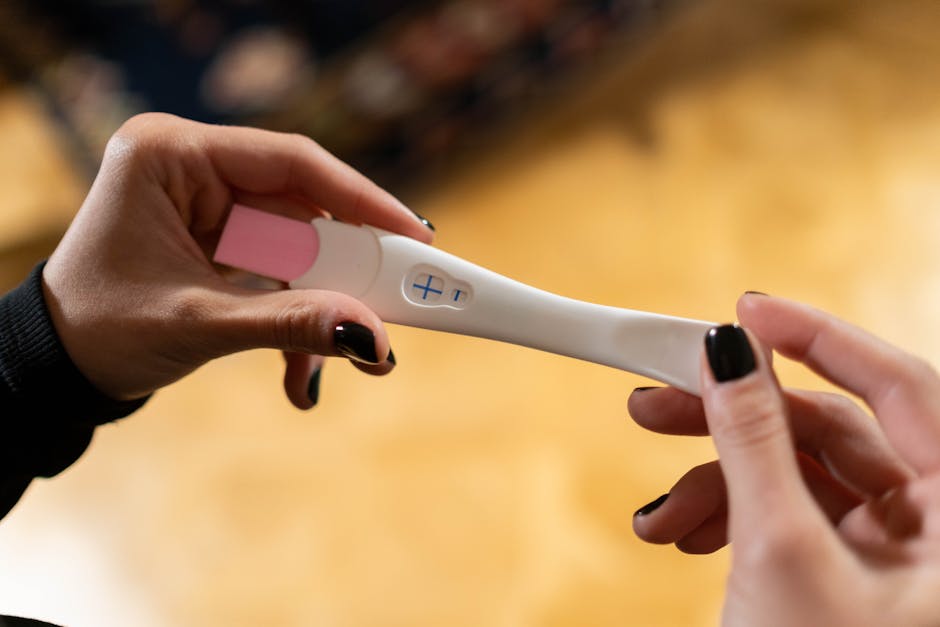
Understanding How Pregnancy Tests Work
At their core, pregnancy tests detect the presence of human chorionic gonadotropin (hCG), a hormone produced after a fertilized egg attaches to the wall of your uterus. This process typically happens about six days after fertilization, with levels of hCG increasing rapidly each day. By understanding this, you can better interpret the timing and accuracy of pregnancy test results.
There are two main types of pregnancy tests – urine tests and blood tests. Urine tests can be performed at home or in a doctor’s office, while blood tests are conducted exclusively in clinical settings. Each has its advantages, but home urine tests are the most common due to their convenience and quick results.
The Best Time to Take a Pregnancy Test
Timing is everything when it comes to taking a pregnancy test. For the most accurate results, it’s recommended to wait until after you’ve missed your period. Testing too early, especially before your period is due, can result in a false-negative due to insufficient levels of hCG. If you’re unsure, waiting a week and retesting can provide you with a clearer answer.
Reading Results Accurately: Avoiding Common Mistakes

✨ Trying to Conceive?
Our Ovulation & Fertility Bundle combines Myo-Inositol with essential vitamins to support healthy hormone balance and regular ovulation.
Shop Now — $55.00✓ Free shipping on orders over $40 | ✓ Trusted by millions of couples worldwide
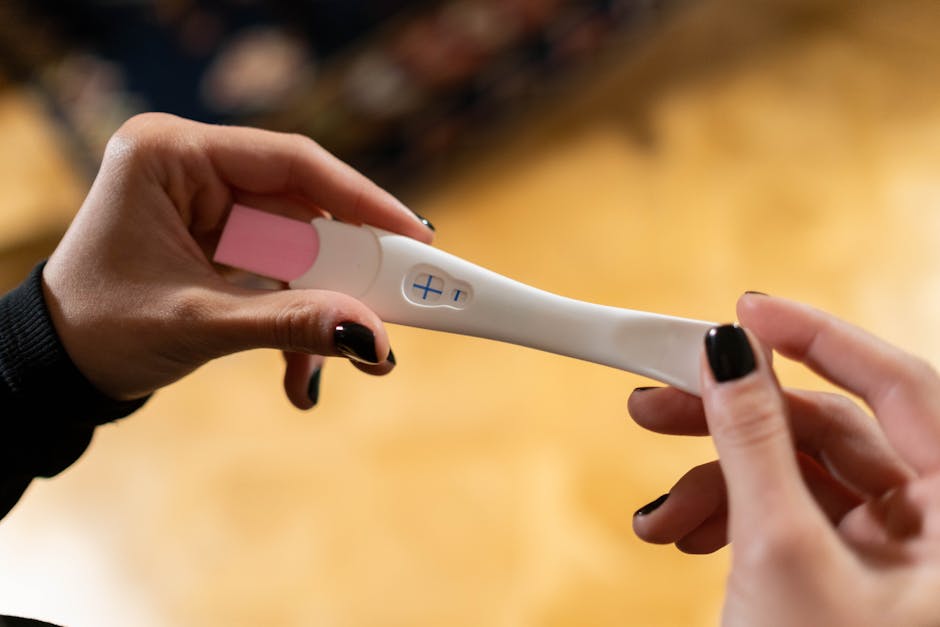
Interpreting the results of a pregnancy test can feel daunting, but it’s crucial to follow the instructions precisely. Common mistakes include not waiting long enough for the results, checking the results past the recommended timeframe, and incorrect handling of the test. To avoid these errors, set a timer and read the instructions thoroughly before starting the test.
Moreover, varyingly faint lines on the test can also lead to confusion. A faint positive line typically indicates pregnancy, as hCG is present. However, if doubts remain, repeating the test in a few days or consulting a healthcare provider for a blood test can offer you peace of mind and clarity.
Different Types of Pregnancy Tests and How to Choose
The array of pregnancy tests on the market can seem baffling, ranging from digital tests to traditional dye-based tests. Digital tests provide a straightforward ‘Pregnant’ or ‘Not Pregnant’ result, making them easier to read for many. On the other hand, dye-based tests, which show lines to indicate results, are often less expensive and equally effective.
Your choice might depend on personal preference or how close you are to your expected period. Digital tests, while more expensive, can detect lower levels of hCG and might be more suitable for early testing. It’s also wise to consider buying in bulk if you anticipate needing multiple tests, as this can be more cost-effective in the long run.
When to See a Doctor After a Positive Pregnancy Test
A positive pregnancy test is a clear indicator it’s time to make an appointment with your healthcare provider. They can confirm the pregnancy with a blood test and/or an ultrasound, and discuss next steps in prenatal care. This is also a great opportunity to address any questions or concerns you might have about your pregnancy journey.
Frequently Asked Questions on Pregnancy Tests
Many people have questions about pregnancy tests, and rightfully so. Questions range from ‘How early can I take a pregnancy test?’ to ‘Can anything interfere with the results?’. Drugs or medications typically do not affect the result of a urine pregnancy test, including birth control. However, certain medical conditions can cause false positives or negatives, making it important to follow up with a healthcare provider for confirmation and guidance.
Embracing the Journey with Confidence
Navigating the world of pregnancy tests can feel overwhelming, but armed with the right knowledge, you can approach this step with assurance. Remember, regardless of the outcome, taking a pregnancy test is a significant moment in your life. Whether it’s the start of a new journey towards parenthood or a prompt to reflect on your health and options, know that resources and support are available to guide you through whatever comes next.
🌱 Support Your Fertility Journey
Conceive Plus fertility supplements are clinically formulated to help regulate your cycle and support egg quality.
Shop Fertility Support →Frequently Asked Questions
Recommended by Fertility Experts
Conceive Plus Men's Fertility Support
Designed to support healthy sperm production, motility, and overall male reproductive health with clinically studied nutrients.
Shop Now →How early can I detect pregnancy with a home urine test?
Most home pregnancy tests can detect hCG levels about 12-14 days after ovulation, which is typically around the time of a missed period. Testing before your missed period may result in a false negative because hCG levels haven't risen high enough yet. For the most reliable results, the FDA recommends waiting until at least the first day of a missed period. If you test early and get a negative result, consider retesting a few days later for confirmation.
What's the difference between urine and blood pregnancy tests?
Blood tests, ordered by healthcare providers, can detect hCG earlier than home urine tests (as early as 6-8 days after ovulation) and provide quantitative measurements of hormone levels. Home urine tests are more convenient and affordable but are qualitative, only indicating whether hCG is present or absent. Blood tests are particularly useful if you need early detection or if your doctor wants to monitor hCG levels over time to confirm a healthy pregnancy.
Can medications or medical conditions cause a false positive pregnancy test?
False positives are extremely rare with modern pregnancy tests, as they specifically detect the hCG hormone produced only during pregnancy. However, certain fertility medications containing hCG (like those used in assisted reproductive treatments) can cause positive results. Medical conditions like ovarian cysts or some cancers can theoretically produce hCG, but this is uncommon. If you receive an unexpected positive result, your healthcare provider can confirm with a blood test.
Is there a best time of day to take a pregnancy test?
While many sources recommend testing with your first morning urine (which has more concentrated hCG), modern sensitive tests can detect pregnancy at any time of day if hCG levels are sufficiently high. The key factor is how many days past ovulation you are, not the time of day. If you're testing close to your missed period, the time of day matters less; if testing early, morning urine may provide more reliable results.
What should I do if I get conflicting pregnancy test results?
If home tests show conflicting results, contact your healthcare provider for a blood test, which is more accurate and can measure exact hCG levels. Blood tests can also determine if hCG levels are rising appropriately, which indicates a viable pregnancy. Avoid making major decisions based on conflicting home test results; a clinical blood test will provide definitive answers and peace of mind.
Are there any insurance coverage considerations for pregnancy testing?
Most health insurance plans in the US cover blood pregnancy tests ordered by a healthcare provider, though you may have a copay depending on your plan. Home pregnancy tests are typically not covered by insurance and must be purchased out-of-pocket. If you're uninsured or underinsured, many community health centers and Planned Parenthood locations offer affordable pregnancy testing and counseling services.
How accurate are FDA-approved home pregnancy tests compared to clinical blood tests?
FDA-approved home pregnancy tests are approximately 97-99% accurate when used correctly and when hCG levels are sufficiently high, but accuracy depends on timing and proper usage. Blood tests ordered through healthcare providers are slightly more sensitive and can detect lower hCG levels earlier. Both are highly reliable after a missed period, but blood tests remain the gold standard for early detection and quantitative measurement of hormone levels.
Trusted by Couples in Over 70 Countries
Support Male Fertility From the Inside Out
Male fertility is just as important as female fertility in the conception journey. Conceive Plus Men's range delivers targeted nutritional support to promote healthy sperm and overall reproductive wellbeing.
Shop Men's Range →