Symptoms Ovulation Is Over: Recognizing the Close of the Fertile Window
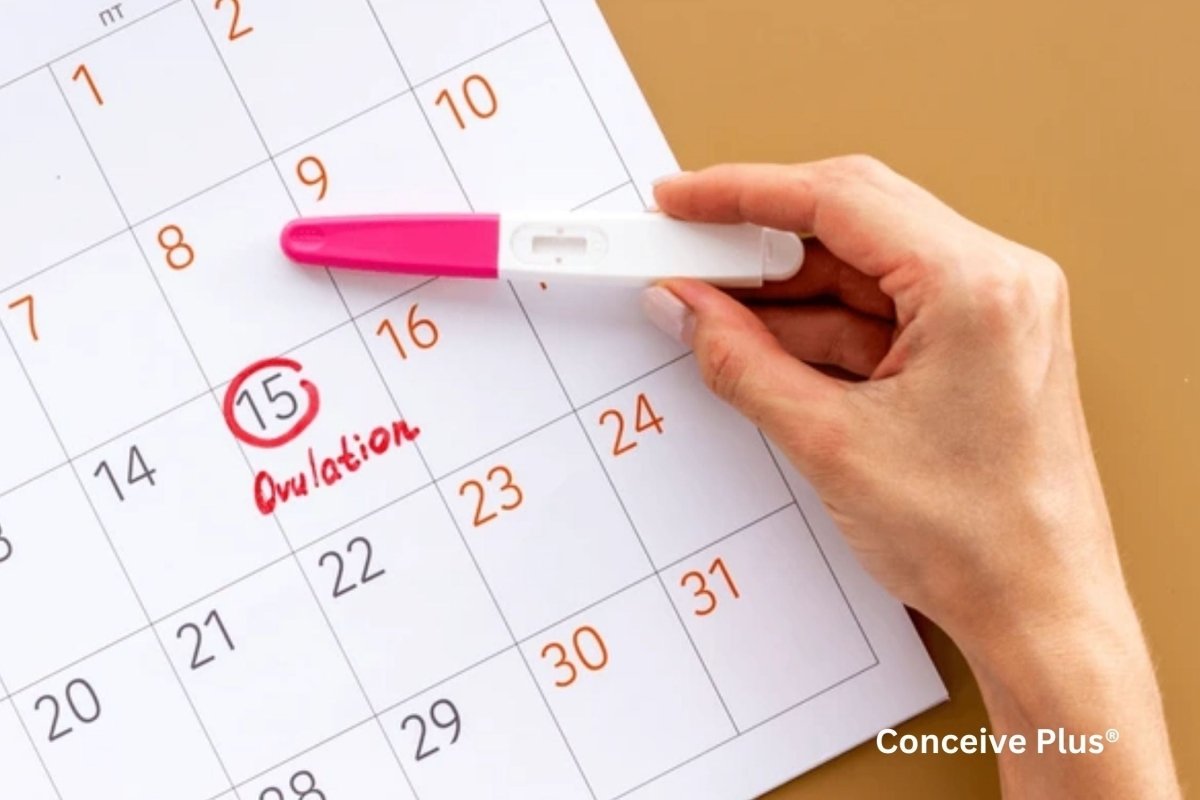

Ovulation marks a crucial phase in the menstrual cycle when a mature egg is released from the ovary. This event typically occurs around the midpoint of the cycle, though individual timing may vary. While many people focus on identifying their fertile window, understanding what happens immediately after can be equally beneficial. Keeping track of the body’s signals is a reliable strategy for gauging the end of the egg’s viability period. Below is a guide that sheds light on the natural shifts and indicators some may notice once the most fertile days have passed, including the symptoms ovulation is over.

The Role of Hormones After Egg Release
Following ovulation, the body transitions into the luteal phase. During this stage, the ruptured follicle in the ovary transforms into the corpus luteum, which secretes progesterone. Elevated progesterone promotes a warm, supportive environment in the uterus, should fertilization occur. At this point, estrogen may decrease slightly, but levels remain somewhat elevated compared to the start of the cycle. This hormonal interplay can contribute to changes in mood, energy, and appetite. Paying attention to these subtle alterations can be one way of gauging how to tell when ovulation is over, since the surge of luteinizing hormone (LH) that triggers egg release begins to subside [1].
Physical and Emotional Clues
Because the body operates like a fine-tuned system, an individual’s senses can offer valuable insight into shifting fertility phases. In the days following an egg’s release, some experience a dip in cervical fluid production. The previously stretchy, egg-white consistency may give way to thicker or drier secretions. Additionally, breast tenderness that began around ovulation might persist or intensify, reflecting the influence of hormones. Mood swings or feelings of fatigue are not uncommon as progesterone takes center stage. While none of these signals alone confirm the close of ovulation, they collectively offer strong hints. By logging these observations, people can build a clearer picture of symptoms ovulation is over for their unique cycle.


✨ Trying to Conceive?
Our Ovulation & Fertility Bundle combines Myo-Inositol with essential vitamins to support healthy hormone balance and regular ovulation.
Shop Now — $55.00✓ Free shipping on orders over $40 | ✓ Trusted by millions of couples worldwide
Basal Temperature and the End of Fertility
One practical method for determining the shift from fertile to infertile days involves tracking basal body temperature (BBT). After ovulation, a slight increase—typically between 0.2 to 0.5 degrees Fahrenheit—often appears in daily readings. This temperature bump usually remains elevated until menstruation begins. If a person is consistent with morning temperature checks, they may see a pattern: a sudden rise followed by a sustained plateau. When this plateau remains steady for at least three days, it’s a strong indicator that the most fertile period has ended. While BBT cannot predict ovulation in real time, it serves as a dependable record of the body’s completion of the fertile window [2].
Practical Tips for Monitoring Changes
Anyone striving to improve their fertility awareness might consider using an app or journal to record daily signs. Taking note of cervical fluid, mood shifts, or even minor twinges or cramps in the lower abdomen can reveal small but meaningful patterns. At-home ovulation prediction kits, which detect LH surges in urine, can confirm the onset of peak fertility. Once these tests revert to negative over a series of days, it typically implies ovulation has passed. Of course, each body is unique, so regular observation remains essential for clear answers about how to tell when ovulation is over. For those looking to support hormonal balance and maintain a healthy ovulation cycle, Conceive Plus Women’s Ovulation Support provides essential nutrients like Myo-Inositol and D-chiro Inositol, which are known to promote regular ovulation and reproductive health. Consulting with a healthcare professional can also help rule out any anomalies [3].
While tracking post-ovulation signs is helpful, it’s equally important to understand how long does ovulation last, as the fertile window is brief and timing plays a crucial role in conception.

The Bottom Line
By blending various indicators—ranging from hormone-driven cues to temperature tracking—many people find it easier to pinpoint symptoms ovulation is over. Familiarity with these signals not only clarifies fertility patterns but can also highlight overall reproductive health. Ultimately, a methodical, attentive approach to cycle changes paves the way for informed decision-making, whether one’s goal is to conceive or simply understand their body’s rhythms.
References:
- Cable JK, Grider MH. Physiology, Progesterone. [Updated 2023 May 1]. In: StatPearls [Internet]. Treasure Island (FL): StatPearls Publishing; 2025 Jan-. Available from: https://www.ncbi.nlm.nih.gov/books/NBK558960/
- Bauman JE. Basal body temperature: unreliable method of ovulation detection. Fertil Steril. 1981 Dec;36(6):729-33. doi: 10.1016/s0015-0282(16)45916-9. PMID: 7308516.
- Pouriayevali B, Ehteshami A, Kohan S, Saghaeiannejad-Isfahani S. Functionality of self-care for pregnancy mobile applications: A review study. J Educ Health Promot. 2022 Dec 28;11(1):415. doi: 10.4103/jehp.jehp_1429_21. PMID: 36824402; PMCID: PMC9942138.
🌱 Support Your Fertility Journey
Conceive Plus fertility supplements are clinically formulated to help regulate your cycle and support egg quality.
Shop Fertility Support →Frequently Asked Questions
Recommended by Fertility Experts
Conceive Plus Men's Fertility Support
Designed to support healthy sperm production, motility, and overall male reproductive health with clinically studied nutrients.
Shop Now →Q: How do you know ovulation is over?
A: Several physical and hormonal changes indicate that ovulation has concluded, typically within 12-24 hours after the egg is released. Your basal body temperature will remain elevated for several days post-ovulation, cervical mucus becomes thick and sticky rather than stretchy, and cervical position returns to being higher and closed. Tracking these signs daily—alongside ovulation predictor kits—helps confirm that your most fertile window has passed. The American Society for Reproductive Medicine (ASRM) emphasizes that understanding these post-ovulation shifts is valuable for both conception planning and cycle awareness.
Q: How long does ovulation last and when is it no longer fertile?
A: Ovulation itself is a brief event lasting only 12-24 hours, but the fertile window extends for approximately 5 days before ovulation plus 1 day after. Once ovulation concludes, the egg's viability drops significantly within hours, making conception increasingly unlikely after that 24-hour window closes. Research published in fertility journals shows that intercourse after ovulation has occurred results in pregnancy rates of less than 5%, compared to 25-30% when timed during the fertile window. This is why accurate cycle tracking and using supplements like Conceive Plus during your identified fertile window can optimize your chances of conception.
Q: What does cervical mucus look like after ovulation is over?
A: After ovulation ends, cervical mucus transitions from the clear, stretchy, "egg-white" consistency characteristic of peak fertility to a thick, sticky, or creamy texture that becomes less abundant. This change occurs because progesterone levels rise after ovulation, creating a hostile environment for sperm and essentially "closing" the cervix. The thick mucus acts as a natural barrier, making it easy to identify when your fertile window has passed. Most women notice this shift within 1-3 days following ovulation, making cervical mucus monitoring one of the most reliable low-cost fertility awareness methods recommended by US fertility specialists.
Q: Can you still get pregnant after ovulation symptoms end?
A: Pregnancy becomes significantly less likely once ovulation symptoms end, as the egg can only survive for about 12-24 hours after release. According to data from the American College of Obstetricians and Gynecologists (ACOG), the probability of conception drops to nearly zero beyond 24 hours post-ovulation. However, some sources suggest a small chance exists if intercourse occurred during the fertile window before ovulation, since sperm can survive for up to 5 days in cervical mucus. To maximize conception odds, timing intercourse during your identified fertile window—supported by consistent supplementation with prenatal nutrients—remains the most effective strategy.
Q: What are the physical signs ovulation has passed?
A: The primary physical signs that ovulation has passed include a sustained elevation in basal body temperature (typically 0.5-1.0°F higher) lasting at least 3 days, a shift in cervical position from open and high to firm, high, and closed, and a decrease in cervical mucus volume and changes in consistency. Additionally, some women report a decrease in breast tenderness, reduced libido, and improved energy levels within a few days after ovulation ends. Keeping a simple fertility chart tracking these symptoms can help you recognize your post-ovulation phase more accurately each cycle. While Conceive Plus supports reproductive wellness during the entire cycle, understanding these post-ovulation indicators ensures you're maximizing your efforts during your actual fertile window.
Trusted by Couples in Over 70 Countries
Support Male Fertility From the Inside Out
Male fertility is just as important as female fertility in the conception journey. Conceive Plus Men's range delivers targeted nutritional support to promote healthy sperm and overall reproductive wellbeing.
Shop Men's Range →