Understanding Sperm Morphology and Fertility

Sperm morphology refers to the shape and structure of sperm, which can significantly impact a sperm's ability to fertilize an egg. Men with morphologically abnormal sperms have a higher risk of infertility [1].
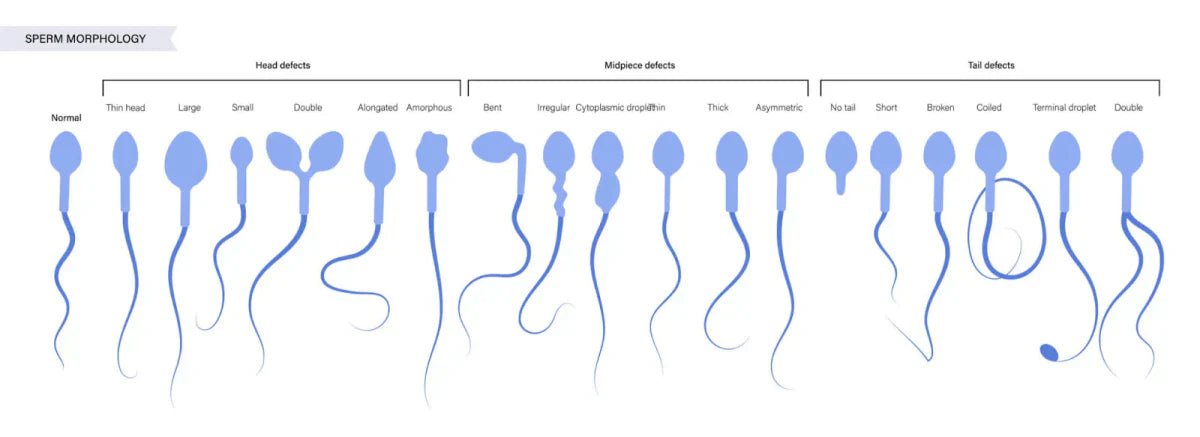
Healthy sperm have a smooth, oval head and a long tail that helps them swim. Abnormal sperm shapes can affect their ability to reach and fertilize an egg.
It’s normal for some sperm to be morphologically abnormal, but having too many abnormal sperm can lower the chances of conception.
This article explores the difference between morphologically normal and abnormal sperm cells. The article also covers practical ways to improve abnormal sperm morphology and increase the chances of conception.

What is Sperm Morphology?
The term "morphology" is derived from the Greek words "morph" (form) and "ology" (study). Thus, sperm morphology meaning can be the study of the form of sperm.
When studying sperm morphology, we study different aspects of sperm cells, including their shape, structure, and size.
Morphology of sperm is commonly studied during semen analysis, which is a common test for male fertility.
A sperm cell is composed of three main parts:
- Head — carries the genetic material.
- Midpiece — provides energy for movement.
- Tail — propels the sperm towards the egg.

The shape and structure of these parts determine the ability of sperm cells to fertilize an egg. For example, a well-formed head is essential for penetrating the egg, while a strong tail is needed for the moment necessary to reach the egg.
Learning how to improve sperm morphology can significantly enhance male fertility outcomes, especially for those facing conception challenges.
The Role of Sperm Morphology in Male Fertility
Sperm morphology plays a significant role in male fertility. The shape and structure of a sperm cell can impact its ability to fertilize an egg.
A sperm cell with a normal morphology has a better chance of successfully reaching and penetrating the egg. This is because the shape and structure of the sperm cell influence its motility.
Abnormal sperm morphology, such as head or tail defects, can inhibit this process and affect male fertility [2]. For example, a double-headed sperm or a sperm with two tails may struggle to move efficiently. Even if the abnormal sperm cell reaches the egg, it may not be able to penetrate the egg.
In simple words, sperm morphology, just like sperm count, is vital aspect of male fertility and is a deciding factor for successful conception.
Normal vs. Abnormal Sperm Morphology
Sperm morphology involves the size and shape of the sperm. Normal morphology of sperm involves an oval head and a long tail [3].
The head of the sperm contains genetic material, while the tail propels the sperm towards the egg. Any deviation from this structure is classified as abnormal sperm morphology.
Abnormal sperm morphology can vary. It can include issues with the head, midpiece, or tail of the sperm. Tapered head sperm is one of the most common head abnormalities that reduces the sperm’s ability to penetrate the egg during fertilization.

The Kruger strict criteria is a common standard for assessing sperm morphology [4]. According to this criteria, a man is considered to have normal sperm morphology if 14% or more of his sperm have a normal shape.
However, having lower normal sperm cells than sperm morphology normal range doesn't necessarily mean a man is infertile. Many men with lower percentages of normal sperm can successfully achieve conception.
On the other hand, a higher percentage of abnormal sperm can increase the risk of infertility. Research shows that abnormal sperm cells can also lead to higher miscarriage rates [5].
Characteristics of Abnormal Sperm
Abnormal sperm or abnormal morphology can have a variety of characteristics. Some may have double headed spermatozoa or two tails while others may have a tapered head, amorphous head, or bent tail. Some sperm may have a head that is too big or too small.
These abnormalities can affect the sperm's ability to reach and fertilize an egg. For example, a tapered-head sperm may not be able to penetrate the egg and fertilize it.
Similarly, a two tail sperm may not able to swim efficiently towards the egg. As a result, low morphology sperm cells can contribute to fertility issues.

Causes of Abnormal Sperm Morphology
A variety of factors can contribute to the abnormal sperm morphology or deformed sperm. These can range from genetic issues to lifestyle choices. Understanding what causes abnormal sperm is important for effective treatment; these causes may include infections, high testicular temperature, or exposure to environmental toxins.
Here are some common causes that can lead to sperm defects or abnormal sperm morphology:
- Genetic Issues: Genetic issues are a major factor in causing sperm abnormalities. For example, a genetic condition called Klinefelter syndrome can affect sperm production and result in abnormal sperm morphology [6].
- Environmental Factors: Environmental factors such as exposure to toxins and pollutants can negatively affect sperm quality [7]. This includes exposure to industrial chemicals, heavy metals, and radiation.
- Lifestyle Choice: Poor lifestyle choices such as smoking, alcohol consumption, use of recreational drugs, poor diet, and lack of exercise can contribute to the formation of misshapen sperms [8]. Studies show that overheating of testicles due to tight clothing can also cause abnormal sperm morphology.
- Medical Conditions: Certain medical conditions can also affect sperm morphology. For example, varicocele, a swelling of the veins in the scrotum, can cause a rise in testicular temperature that affects sperm production and morphology [9].

✨ Support Healthy Sperm
Our Motility Support supplement contains Zinc, CoQ10, and L-Carnitine — clinically studied nutrients for sperm health and motility.
Shop Now — $34.95✓ Free shipping on orders over $40 | ✓ Trusted by millions of couples worldwide
It's important to note that not all causes of abnormal spermatozoa are known. In some cases, there may not be any apparent cause of abnormal sperm morphology. Therefore, you must seek medical advice if you are experiencing fertility issues. Abnormalities of sperm can also result from hormonal imbalances or chronic illnesses, which require medical evaluation and proper intervention.
Testing for Sperm Morphology
Semen analysis is a common male fertility test that includes the study of sperm morphology. This test includes evaluation of various aspects of a man's semen and the sperm it contains.
During the test, a semen sample is collected and examined under a microscope. The doctor then evaluates the shape and structure of the sperm through sperm morphology microscope data. This includes checking the size and shape of the sperm's head, midpiece, and tail.
The results usually show a percentage. This percentage tells you how many sperm have a normal shape out of all the sperm in the semen sample. The World Health Organization says a normal result is when more than 4% of the sperm have a normal shape [10]. Anything below 4% is in the abnormal sperm morphology range.
However, it's important to remember that semen morphology is just one aspect of semen quality. Other factors, such as sperm count and motility, also play a deciding role in male fertility.
How to Correct Sperm Morphology
Improving sperm morphology involves a combination of dietary changes and lifestyle changes and nutritional supplements. However, while everyone can follow these strategies, they may not work for everyone.
Here are a few practical tips to improve sperm morphology:
1. Dietary Changes for Sperm Morphology
Eating a balanced diet rich in antioxidants, vitamins, and minerals can support healthy sperm development.
Foods like fruits, vegetables, nuts, and whole grains provide essential nutrients like zinc, vitamin C, and folate, which can enhance sperm shape and quality.
Reducing processed foods, trans fats, and excessive alcohol can also help improve sperm morphology, leading to overall improved fertility status.
2. Lifestyle Changes for Sperm Morphology
Maintaining a healthy body weight is essential for optimal sperm health. Obesity can negatively impact sperm morphology and overall fertility.
Smoking and excessive alcohol consumption can also harm sperm health. Therefore, quitting smoking and limiting alcohol intake can improve sperm morphology.
Regular physical activity can also improve overall sperm health. However, excessive exercise can have the opposite effect, so adopt a balanced approach for maximum benefits and minimum risk.
3. Supplements for Sperm Morphology
Fertility supplements can help improve sperm morphology by providing essential nutrients required for healthy sperm production. These include antioxidants like vitamins C and E, which can protect sperm from oxidative stress.
Zinc and folic acid are also important for sperm health and play a significant role in the formation and maturation of sperm.
Omega-3 fatty acids, found in fish and flaxseeds, can also positively influence sperm morphology. However, it's important to consult a healthcare professional before starting any new supplement plan.

Assisted Reproductive Technologies (ART) and Sperm Morphology
Assisted Reproductive Technologies (ART) can be a practical option for couples facing challenges with conception due to sperm morphology [11]. Techniques such as Intrauterine Insemination (IUI) and In Vitro Fertilization (IVF) can help overcome these issues.
In particular, Intracytoplasmic Sperm Injection (ICSI) is often used in IVF to overcome sperm morphology issues. This technique involves injecting a single sperm directly into an egg, bypassing the need for the sperm to penetrate the egg on its own.
However, it's important to discuss abnormal sperm morphology treatment options with a healthcare professional to understand the potential risks and benefits.
When to See a Specialist
If you're having trouble conceiving and suspect sperm morphology might be a factor, it's important to consult a fertility specialist. They can conduct a semen analysis to assess sperm health, including morphology.
Specialists such as urologists and reproductive endocrinologists can guide you on further diagnosis and treatment options. They can also guide you about your results and planning the next steps.
Remember, early detection and intervention can be key in addressing male fertility issues. So, don't hesitate or feel embarrassed in discussing your reproductive health with your doctor.
FAQs
1. How to get pregnant with poor sperm morphology?
Assisted reproductive technologies, such as IVF, can significantly improve the chances of conception with poor sperm morphology. These methods allow for selecting and using the healthiest sperm to enhance the likelihood of a successful pregnancy.
2. Can abnormal sperm fertilize an egg?
Abnormal sperm can sometimes fertilize an egg, but it may reduce the chances of successful fertilization and lead to complications.
3. What does the sperm morphology 1 percent result of sperm analysis test indicate?
Sperm morphology 1 percent indicates that less than one percent of your sperm cells have a normal morphology.
4. Can personal lubricant damage sperm?
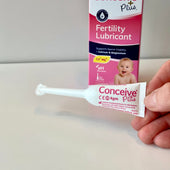
Yes, regular lubricant can cause a barrier to sperm penetration resulting in oxidative stress and interference with the membrane of the sperm flagella. Even some lubricants labelled as sperm friendly may still cause damage. FDA cleared Conceive Plus fertility lubricant is one fertility friendly lubricant that is proven to not harm sperm.
The Bottom Line
Sperm morphology is a key aspect in fertility and a major factor for successful conception. Abnormal sperm shape can make it harder to conceive. However, keep in mind that sperm morphology is not the only aspect of male fertility and there are several other essential factors, such as sperm count.
Improving sperm health can involve lifestyle changes, supplements, or medical treatments. Consulting a healthcare professional is important for personalized advice and treatment. With patience and a positive outlook, you can successfully navigate fertility challenges. Remember, you’re not alone, and support is available.
Resources Used
- Menkveld, R., Holleboom, C. A., & Rhemrev, J. P. (2011). Measurement and significance of sperm morphology. Asian journal of andrology, 13(1), 59. https://pmc.ncbi.nlm.nih.gov/articles/PMC3739393/
- Moretti, E., Signorini, C., Noto, D., Corsaro, R., & Collodel, G. (2022). The relevance of sperm morphology in male infertility. Frontiers in Reproductive Health, 4. https://www.ncbi.nlm.nih.gov/pmc/articles/PMC9580829/
- Agarwal, A., Sharma, R., Gupta, S., Finelli, R., Parekh, N., Panner Selvam, M. K., Henkel, R., Durairajanayagam, D., Pompeu, C., Madani, S., Belo, A., Singh, N., Covarrubias, S., Darbandi, S., Sadeghi, R., Darbandi, M., Vogiatzi, P., Boitrelle, F., Simopoulou, M., Saleh, R., … Shah, R. (2022). Sperm Morphology Assessment in the Era of Intracytoplasmic Sperm Injection: Reliable Results Require Focus on Standardization, Quality Control, and Training. The world journal of men's health, 40(3), 347–360. https://www.ncbi.nlm.nih.gov/pmc/articles/PMC9253798/
- Wald, G., Punjani, N., Hayden, R., Feliciano, M., Dudley, V., & Goldstein, M. (2021). Assessing the clinical value of the Kruger strict morphology criteria over the World Health Organization fourth edition criteria. F&S Reports, 2(2), 176-180. https://www.ncbi.nlm.nih.gov/pmc/articles/PMC8267392/
- Pourmasumi, S., Sabeti, P., & Ghasemi, N. (2022). Male factor testing in recurrent pregnancy loss cases: A narrative review. International journal of reproductive biomedicine, 20(6), 447–460. https://www.ncbi.nlm.nih.gov/pmc/articles/PMC9358234/
- Wikström, A. M., & Dunkel, L. (2011). Klinefelter syndrome. Best Practice & Research Clinical Endocrinology & Metabolism, 25(2), 239-250. https://www.sciencedirect.com/science/article/abs/pii/S1521690X10001211
- Rodprasert, W., Toppari, J., & Virtanen, H. E. (2023). Environmental toxicants and male fertility. Best Practice & Research Clinical Obstetrics & Gynaecology, 86, 102298. https://www.sciencedirect.com/science/article/pii/S1521693422001791
- Balawender, K., & Orkisz, S. (2020). The impact of selected modifiable lifestyle factors on male fertility in the modern world. Central European Journal of Urology, 73(4), 563-568. https://www.ncbi.nlm.nih.gov/pmc/articles/PMC7848840/
- Agarwal, A., Sharma, R., Harlev, A., & Esteves, S. C. (2016). Effect of varicocele on semen characteristics according to the new 2010 World Health Organization criteria: A systematic review and meta-analysis. Asian Journal of Andrology, 18(2), 163-170. https://pmc.ncbi.nlm.nih.gov/articles/PMC4770480/
- Menkveld, R., Wong, W. Y., Lombard, C. J., Wetzels, A. M., Thomas, C. M., & Merkus, H. M. (2001). Semen parameters, including WHO and strict criteria morphology, in a fertile and subfertile population: An effort towards standardization of in-vivo thresholds. Human Reproduction, 16(6), 1165-1171. https://academic.oup.com/humrep/article/16/6/1165/619509
- Jain, M., & Singh, M. (2022). Assisted reproductive technology (ART) techniques. https://www.ncbi.nlm.nih.gov/books/NBK576409/
🌱 Boost Male Fertility Naturally
Conceive Plus Men's Motility Support is formulated with the nutrients that matter most for sperm quality, count, and motility.
Shop Men's Fertility →Frequently Asked Questions
Recommended by Fertility Experts
Conceive Plus Men's Fertility Support
Designed to support healthy sperm production, motility, and overall male reproductive health with clinically studied nutrients.
Shop Now →What is considered normal sperm morphology according to the WHO and ASRM standards?
According to the World Health Organization (WHO) and the American Society for Reproductive Medicine (ASRM), normal sperm morphology is defined as having at least 4% of sperm with a normal shape and structure, though some fertility specialists consider 15% or higher as optimal. A normal sperm cell should have a smooth, oval-shaped head (5-6 micrometers in length), a midpiece that is about 8 micrometers long, and a tail measuring approximately 45 micrometers. These standards help fertility clinics in the United States assess male fertility potential and guide treatment recommendations.
How is sperm morphology tested, and what should I expect during a semen analysis?
Sperm morphology is evaluated during a semen analysis, where a laboratory technician examines semen samples under a microscope and measures the percentage of sperm with normal shapes. You'll be asked to provide a semen sample at a fertility clinic or diagnostic laboratory, typically after 2-5 days of sexual abstinence for accurate results. The analysis takes about 1-2 weeks for results, and the report will include morphology percentage along with other important metrics like sperm count and motility.
Does abnormal sperm morphology mean I'm definitely infertile?
No, abnormal sperm morphology does not guarantee infertility, as many men with low morphology percentages successfully conceive naturally or with fertility treatments. However, men with significantly abnormal morphology (less than 4% normal forms) do have reduced fertility potential and may benefit from assisted reproductive technologies like IVF or ICSI (intracytoplasmic sperm injection). A fertility specialist can evaluate your complete semen analysis results and medical history to provide personalized guidance about your conception chances.
What lifestyle changes can improve sperm morphology?
Several evidence-based lifestyle modifications may improve sperm morphology, including maintaining a healthy weight, exercising regularly, reducing stress, avoiding smoking and excessive alcohol consumption, and eating a diet rich in antioxidants (fruits, vegetables, and nuts). Limiting heat exposure to the testicles by avoiding tight clothing and hot environments, managing chronic conditions like diabetes, and ensuring adequate sleep (7-9 hours nightly) can also positively impact sperm health. It typically takes 3 months to see improvements in morphology since sperm production takes approximately 74 days.
Are there FDA-approved medications or supplements to treat abnormal sperm morphology?
While there are no FDA-approved medications specifically designed to treat abnormal sperm morphology, some research suggests that certain supplements like coenzyme Q10, zinc, and L-carnitine may support overall sperm health when deficiencies exist. Most fertility clinics recommend discussing supplement use with a reproductive urologist or fertility specialist before starting, as quality and efficacy vary between brands. If morphology issues are severe, assisted reproductive techniques like ICSI may be more effective than supplements alone in achieving pregnancy.
Is sperm morphology testing covered by insurance in the United States?
Coverage for sperm morphology testing varies significantly by insurance plan, employer, and state, as some plans cover infertility diagnostics while others do not. Since semen analysis is considered a diagnostic test for male infertility, you should contact your insurance provider directly to determine your coverage, as many plans require a referral from a physician. Some states mandate infertility coverage under their insurance laws, which may include diagnostic testing like semen analysis, so checking your state's requirements can help you understand your benefits.
When should I see a fertility specialist if I have abnormal sperm morphology?
If semen analysis shows abnormal morphology (less than 4% normal forms), it's recommended to consult with a reproductive urologist or male factor fertility specialist for further evaluation and personalized treatment options. You should also seek specialist care if you've been trying to conceive for over a year (or 6 months if female partner is over 35), as abnormal morphology in combination with other factors may affect your fertility timeline. A specialist can determine whether lifestyle modifications, medical treatment, or assisted reproductive technologies like IVF/ICSI are appropriate for your situation.
Trusted by Couples in Over 70 Countries
Support Male Fertility From the Inside Out
Male fertility is just as important as female fertility in the conception journey. Conceive Plus Men's range delivers targeted nutritional support to promote healthy sperm and overall reproductive wellbeing.
Shop Men's Range →