Semen Storage: A Guide to Preserving Fertility


Semen storage involves collecting and freezing sperm, typically for fertility treatments. This process allows men to save or store sperm for when they're ready to start a family.
This can also help men face health conditions that might affect male fertility [1]. It's a safe and effective option for those wanting to protect their ability to conceive later in life [2].
But, what is the process for the storage of sperm? Can a stored sperm conceive a birth? This article is a complete guide on the process of semen storage, its uses, and its effectiveness in achieving conception.

What is Semen Storage?
Semen storage, also known as sperm banking, is a technique that helps you store sperm for future use. Men often choose this option before medical treatments that can affect fertility, like chemotherapy.
Male sperm can be kept in a frozen state for many years and they can still function when needed. This allows men to preserve their ability to conceive and have children later in life.
What is the Process of Semen Storage?
The Semen storage process is relatively simple and it usually involves three steps. These include semen sample collection, analysis of collected semen, and storage.
- Sample Collection: The first step is to collect a sperm sample. This is typically done by masturbating into a sterile cup in a private room at the clinic. Some clinics also allow the collection of samples at home and send that sample back to the clinic.
- Semen Analysis: After collection, the semen is analyzed in a lab, a process called semen analysis [3]. This analysis checks the sperm count, sperm movement, and sperm morphology or shape to see if it is suitable for storage [4]. A healthy sample ensures higher chances of successful fertilization when used in the future.
- Semen Storage: If the semen is healthy, it’s frozen using cryopreservation. The sperm is placed in liquid nitrogen, where it can be safely stored for years without losing quality.
Cryopreservation of Sperm
Cryopreservation of semen is a method to freeze and store sperm for long periods [5]. The process involves cooling sperm to extremely low temperatures, usually in liquid nitrogen.
Before freezing, sperm is mixed with a protective solution to prevent damage. Once frozen, the sperm stays in storage until it is needed. When ready to use, the man's sperm cells are thawed and can still be effective for fertilization.

✨ Trying to Conceive?
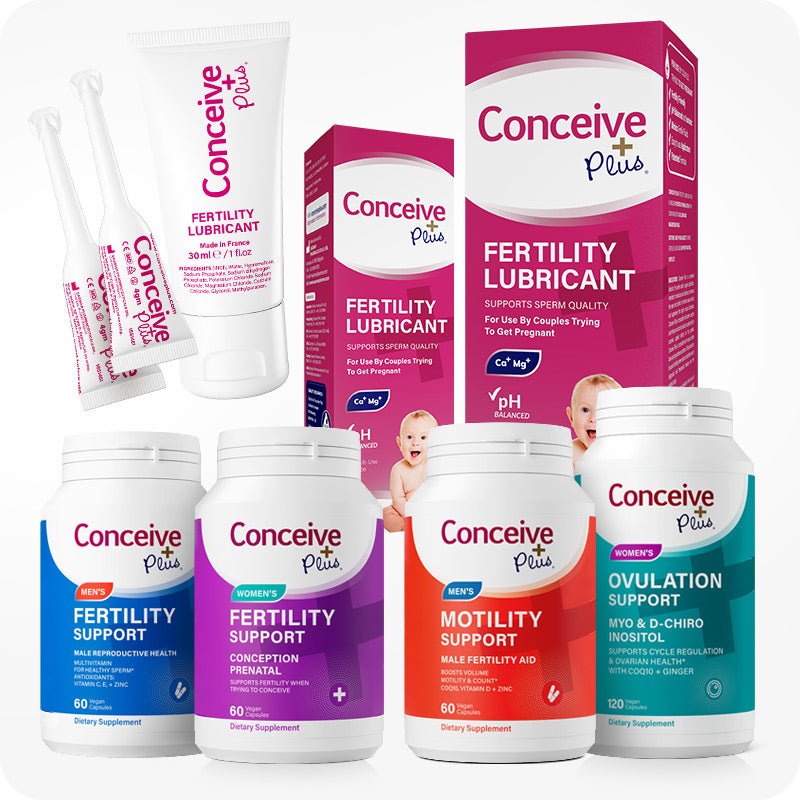
Our Ovulation & Fertility Bundle combines Myo-Inositol with essential vitamins to support healthy hormone balance and regular ovulation.
Shop Now — $55.00✓ Free shipping on orders over $40 | ✓ Trusted by millions of couples worldwide

Purpose of Semen Storage
Semen storage serves several important purposes. The most common of which are:
- Fertilization Preservation: Storing semen allows men to preserve their ability to father children in the future. It is especially common if men are facing medical treatments or other conditions that can affect their fertility.
- Assistive Reproductive Technologies: Frozen sperm can be used in treatments like In Vitro Fertilization (IVF) and Intrauterine Insemination (IUI), which can help couples achieve conception [6, 7].
- Future Family Planning: Some men choose to store semen for personal reasons, such as delaying starting a family until later in life.
Legal And Ethical Considerations for Semen Storage
When it comes to semen storage and donation, there are several important legal and ethical aspects to consider. Donors need to give informed consent, meaning they must fully understand how their semen will be used.
Privacy is also a major concern. Donor information must be kept secure and confidential, especially if the donation wants it to be anonymous.
Additionally, there are legal issues regarding the use of stored semen, especially if it's used after the donor has passed away. Laws can differ depending on where you are, so it’s important to be aware of the rules in your area before proceeding with semen storage.
Cost and Choosing a Storage Facility
The cost of storing semen can vary depending on a variety of factors. Prices depend on how long you want to store it, the location of the storage facility, and any extra services they offer. Make sure you understand all the costs involved before making a decision.
It’s also important to choose a trusted facility. Search for a facility that follows strict health and safety guidelines and has a good reputation in semen storage.
Don’t forget to check their policy about transporting stored semen. This can help you especially if you need to move or switch facilities in the future for any reason.

Key Takeaways From Semen Storage
Semen storage is an effective and viable option for men who want to preserve fertility and assist in planning their reproductive lives. For such a procedure, you should know every step, from a reliable facility to the cost of the procedure and legal implications.
By making informed decisions and planning ahead, you can make the most of semen storage and safeguard your future family-building options.
Resources Used
- Leslie, S. W., Soon-Sutton, T. L., & Khan, M. A. B. (2024). Male infertility. In StatPearls (Internet). StatPearls Publishing. https://www.ncbi.nlm.nih.gov/books/NBK562258/
- Professional, C. C. M. (2024b, July 17). Sperm Banking. Cleveland Clinic. https://my.clevelandclinic.org/health/treatments/17493-sperm-banking
- Sunder, M., & Leslie, S. W. (2022). Semen analysis. In StatPearls (Internet). StatPearls Publishing. https://www.ncbi.nlm.nih.gov/books/NBK564369/
- Understanding Sperm Morphology and Fertility. Conceive Plus®. https://conceiveplus.com/blogs/blog/sperm-morphology-and-fertility
- Jang, T. H., Park, S. C., Yang, J. H., Kim, J. Y., Seok, J. H., Park, U. S., Choi, C. W., Lee, S. R., & Han, J. (2017). Cryopreservation and its clinical applications. Integrative Medicine Research, 6(1), 12-18. https://doi.org/10.1016/j.imr.2016.12.001
- Eskew, A. M., & Jungheim, E. S. (2017). A History of Developments to Improve in vitro Fertilization. Missouri Medicine, 114(3), 156-159. https://www.ncbi.nlm.nih.gov/pmc/articles/PMC6140213/
- Professional, C. C. M. (2024a, May 1). IUI (Intrauterine Insemination). Cleveland Clinic. https://my.clevelandclinic.org/health/treatments/22456-iui-intrauterine-insemination
🌱 Support Your Fertility Journey
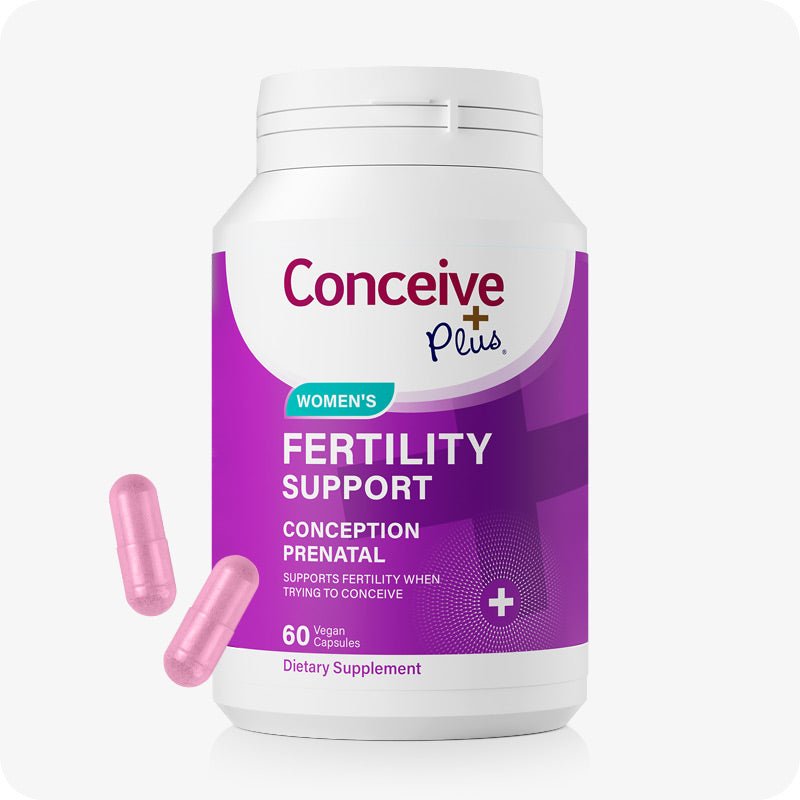
Conceive Plus fertility supplements are clinically formulated to help regulate your cycle and support egg quality.
Shop Fertility Support →Frequently Asked Questions
Recommended by Fertility Experts
Conceive Plus Men's Fertility Support
Designed to support healthy sperm production, motility, and overall male reproductive health with clinically studied nutrients.
Shop Now →How long can frozen sperm be stored without losing viability?
Frozen sperm can be stored for decades without significant loss of quality when properly cryopreserved in liquid nitrogen. Studies have documented successful pregnancies using sperm frozen for over 20 years, though the American Society for Reproductive Medicine (ASRM) recommends periodic quality assessments. The longevity depends on proper storage conditions and the initial quality of the sample at the time of freezing.
What is the success rate for conception using frozen sperm?
Frozen sperm can achieve similar fertilization and pregnancy rates as fresh sperm when used in fertility treatments like IVF or intrauterine insemination (IUI). Success rates typically range from 40-60% per cycle depending on various factors including female partner age, egg quality, and clinic expertise. The thawing process may result in some loss of motility, but most sperm survive the freeze-thaw cycle successfully.
Does health insurance cover the cost of sperm banking?
Coverage for sperm banking varies significantly by insurance plan and state. Some plans may cover collection and analysis if medically necessary (such as before cancer treatment), but routine storage fees are often not covered. It's essential to contact your insurance provider directly and ask about coverage limits, as costs can range from $200-$500 for initial collection and $150-$300 annually for storage.
Are there health risks associated with frozen sperm or cryopreservation?
Cryopreservation is considered a safe procedure with no known health risks to the sperm donor or resulting offspring. The FDA regulates sperm banking facilities and storage protocols to ensure safety and sterility. Extensive research has shown that children conceived with frozen sperm have no increased risk of birth defects or developmental issues compared to naturally conceived children.
When should men consider banking sperm for fertility preservation?
Men should consider sperm banking before undergoing treatments that may affect fertility, such as chemotherapy, radiation, or certain surgeries. It's also recommended for men in high-risk occupations, those with a family history of infertility, or those planning to delay parenthood. The American Society for Reproductive Medicine suggests banking sperm while in optimal health to ensure the best quality samples for future use.
What is the difference between sperm banking and egg freezing?
Sperm banking is simpler and less invasive than egg freezing, as it requires only a single sample collection without hormone injections or surgical procedures. Frozen sperm remains viable for decades with high success rates, while frozen eggs require more complex thawing and fertilization procedures. Sperm banking is also significantly more affordable, typically costing a fraction of the expense associated with egg freezing.
How do I find a reputable sperm banking facility in the US?
Look for facilities that are certified by the American Association of Tissue Banks (AATB) or accredited by CLIA (Clinical Laboratory Improvement Amendments) to ensure they meet FDA standards. You can also ask your fertility specialist or urologist for referrals to established sperm banks in your area. Verify that the facility has proper quality control procedures, secure storage systems, and clear policies regarding sample ownership and long-term storage fees.
Trusted by Couples in Over 70 Countries
Support Male Fertility From the Inside Out
Male fertility is just as important as female fertility in the conception journey. Conceive Plus Men's range delivers targeted nutritional support to promote healthy sperm and overall reproductive wellbeing.
Shop Men's Range →