How Does Selenium and Male Fertility Support Sperm Health and Reproductive Success


When thinking about fertility, men often forget that vitamins and minerals play a big role. But in reality, focusing on selenium and male fertility can make a huge difference. Selenium, an essential mineral, supports reproductive health and particularly helps with sperm quality and movement, which are both essential for successful conception. Here, we’ll go over how selenium works for sperm health and its importance in the journey to parenthood.
Why Selenium Matters for Male Fertility
Selenium’s key for sperm health. It acts as a powerful antioxidant that protects cells from damage. This oxidative stress, mostly from free radicals, can weaken sperm movement and reduce fertility overall. In fact, selenium fights against this damage, working to keep sperm healthy and functional, helping promote selenium male fertility [1].

Research backs this up. Studies have found that low selenium levels can lead to poor sperm quality and, as a result, reduced fertility. On the other hand, men with good selenium intake tend to have better sperm quality and motility. Since sperm have a long way to travel to reach the egg, the extra energy and mobility selenium provides can help boost the chances of conception. So if you're actively trying to conceive, selenium could be a beneficial addition for supporting selenium sperm quality and overall male reproductive health [2].
Top Tip: Try eating foods rich in selenium like Brazil nuts, fish, and eggs, or consider taking supplements to help keep sperm health in check.
How Selenium Helps Sperm Move Better and Stay Stronger
Sperm movement, or motility, is absolutely necessary to fertilize an egg. Selenium helps in this process by strengthening the sperm cell membranes, giving them the flexibility and power to move. It also plays a part in the production of proteins in the sperm’s tail, which is critical for proper swimming [3].
Studies suggest that selenium supplements can lead to better motility. For men struggling with low sperm motility, selenium might provide a natural boost to reproductive health. Improved motility is key for couples trying to conceive since it means sperm can move through the female reproductive system more efficiently and are more likely to reach the egg.
Top Tip: Men with low sperm motility should consider a fertility-support multivitamin or selenium-rich foods to help improve movement.
Selenium: An Antioxidant Powerhouse for Sperm Protection
One of selenium’s strongest effects is its antioxidant power, which is particularly useful for sperm. Oxidative stress can damage sperm cells and weaken their performance. But selenium, especially when combined with other antioxidants like vitamin E, acts as a shield, reducing the damage and protecting sperm cells [4].
A study showed that men who took selenium and vitamin E saw a marked improvement in sperm quality. This duo of selenium and antioxidants like Vitamin C fertility and E can be a great combo for reducing the effects of oxidative stress and helping protect sperm from cellular damage. For anyone considering how to improve their fertility, using a balanced supplement with these ingredients might be beneficial.
Top Tip: A mix of selenium, vitamin C, and Vitamin E for male infertility could be key for men looking to protect sperm health and boost antioxidant levels.


✨ Support Healthy Sperm
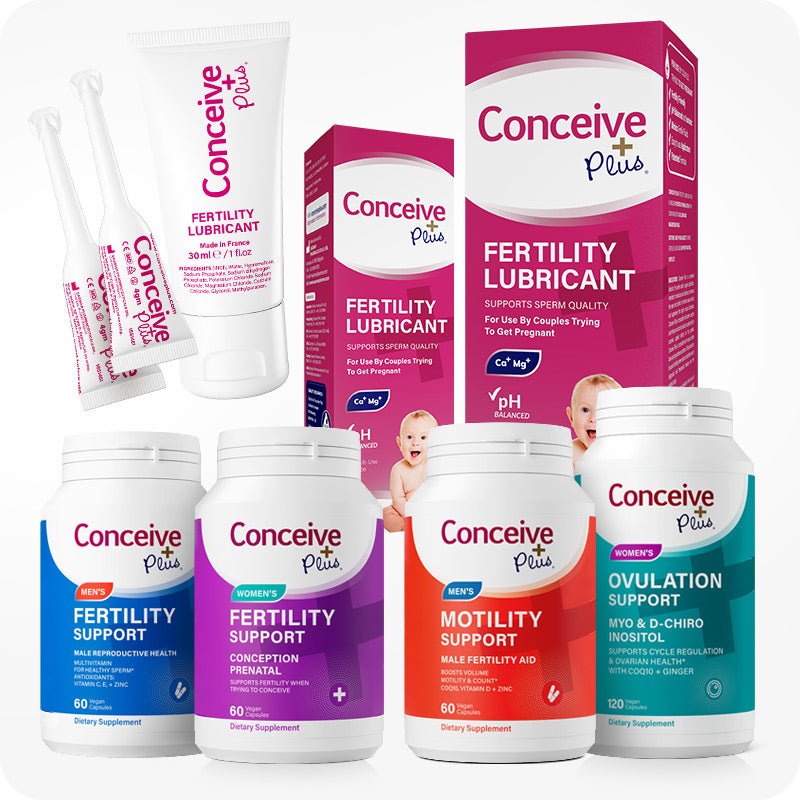
Our Motility Support supplement contains Zinc, CoQ10, and L-Carnitine — clinically studied nutrients for sperm health and motility.
Shop Now — $34.95✓ Free shipping on orders over $40 | ✓ Trusted by millions of couples worldwide
How Selenium Affects Hormone Balance in Men
Selenium also supports hormone health, which is critical for fertility. The thyroid gland, which relies on selenium to function, produces hormones that influence male reproductive health. If selenium levels are low, thyroid hormones may not be balanced, and this can impact sperm production [5].
For some men, low selenium leads to hormonal imbalances, which can lower fertility. A healthy thyroid can aid in producing sperm and supporting reproductive function. Including selenium in a fertility-focused health routine might support selenium male fertility by keeping hormone levels stable [6].
Top Tip: Keep thyroid function strong with selenium-rich foods and supplements for a good hormonal balance that supports fertility.
DNA Protection and Selenium’s Role in Reproductive Success
Damage to sperm DNA is a big factor in fertility struggles. Oxidative stress can harm sperm DNA, which might decrease the chances of conception and lead to complications in pregnancy. Selenium acts as a protector here, shielding sperm DNA from damage and ensuring that they remain healthy [7]. Healthier DNA means better fertilization potential, so it’s clear that selenium’s protective role can be an advantage when trying to conceive.
By lowering DNA damage, selenium supports better reproductive outcomes. For those working towards parenthood, adding selenium could aid in keeping sperm healthy and DNA intact, improving the likelihood of successful conception [8].
Top Tip: Want to protect sperm DNA? Make sure selenium is part of your daily fertility-support regimen.

The Bottom Line
To sum up, selenium is a key mineral in the conversation around selenium and male fertility. It does a lot to help improve selenium for sperm health, motility, and antioxidant protection. By promoting sperm movement, keeping cells protected from damage, and maintaining DNA integrity, selenium can be a great addition to any fertility plan. If you're on the journey to conception, be sure to consider selenium-rich foods or supplements to give sperm a natural boost.
FAQs
What foods are high in selenium for male fertility?
Brazil nuts, fish, eggs, and whole grains are rich in selenium and can support fertility.
Can selenium supplements alone improve sperm motility?
Selenium can help with sperm motility, though combining it with antioxidants like vitamin E may show better results.
How much selenium should men take if trying to conceive?
Generally, men need around 75µg of selenium daily, but check with a healthcare provider to see what’s best for you.
How long does it take for selenium to improve sperm health?
New sperm take a few months to develop, so regular selenium intake could gradually help with sperm health.
Are there other supplements that pair well with selenium for male fertility?
Yes, vitamins C and E work well with selenium to support sperm health and improve fertility.
Adding selenium-rich foods and supplements from Conceive Plus can be a simple way to support male reproductive health naturally.
Citations
- Scott, R., MacPherson, A., Yates, R. W., Hussain, B., & Dixon, J. (1998). The effect of oral selenium supplementation on human sperm motility. British journal of urology. Available at: https://pubmed.ncbi.nlm.nih.gov/9698665/
- Moslemi, M. K., & Tavanbakhsh, S. (2011). Selenium-vitamin E supplementation in infertile men: effects on semen parameters and pregnancy rate. International journal of general medicine. Available at: https://pubmed.ncbi.nlm.nih.gov/21403799/
- Rayman M. P. (2000). The importance of selenium to human health. Lancet (London, England). Available at: https://pubmed.ncbi.nlm.nih.gov/10963212/
- Vinceti, M., Filippini, T., & Wise, L. A. (2018). Environmental Selenium and Human Health: an Update. Current environmental health reports. Available at: https://pubmed.ncbi.nlm.nih.gov/30280317/
- John R Arthur, Geoffrey J Beckett, Thyroid function, British Medical Bulletin. Available at: https://academic.oup.com/bmb/article-abstract/55/3/658/406208?redirectedFrom=fulltext
- Tvrda, E., Peer, R., Sikka, S. C., & Agarwal, A. (2015). Iron and copper in male reproduction: a double-edged sword. Journal of assisted reproduction and genetics. Available at: https://pubmed.ncbi.nlm.nih.gov/25245929/
- Aitken, R. J., & Clarkson, J. S. (1987). Cellular basis of defective sperm function and its association with the genesis of reactive oxygen species by human spermatozoa. Journal of reproduction and fertility. Available at: https://pubmed.ncbi.nlm.nih.gov/2828610/
- Mistry, H. D., & Williams, P. J. (2011). The importance of antioxidant micronutrients in pregnancy. Oxidative medicine and cellular longevity. Available at: https://pmc.ncbi.nlm.nih.gov/articles/PMC3171895/
🌱 Boost Male Fertility Naturally
Conceive Plus Men's Motility Support is formulated with the nutrients that matter most for sperm quality, count, and motility.
Shop Men's Fertility →Frequently Asked Questions
Recommended by Fertility Experts
Conceive Plus Men's Fertility Support
Designed to support healthy sperm production, motility, and overall male reproductive health with clinically studied nutrients.
Shop Now →Q: How much selenium do men need daily for fertility?
A: The National Institutes of Health recommends that adult men consume 55 micrograms (mcg) of selenium daily, which is the Recommended Dietary Allowance (RDA) set by the FDA. However, some fertility studies suggest that men trying to conceive may benefit from slightly higher amounts, though exceeding 400 mcg per day is not recommended due to potential toxicity. Most men can meet their selenium needs through dietary sources like Brazil nuts, seafood, and eggs, but supplementation may be considered after consulting with a healthcare provider. Conceive Plus formulations are designed to support optimal nutrient levels for male reproductive health without exceeding safe upper limits.
Q: Does selenium actually improve sperm count and motility?
A: Yes, multiple clinical studies have demonstrated that selenium plays a crucial role in sperm motility and overall sperm quality. Selenium is a key component of selenoproteins, which protect sperm from oxidative damage and support proper sperm flagellar function—the movement needed for sperm to swim toward the egg. Research published in fertility journals shows that men with adequate selenium levels have significantly better sperm motility rates compared to those with deficiency. A comprehensive approach to male fertility, including adequate selenium intake through diet or supplements like those in Conceive Plus, can support these important reproductive functions.
Q: Can selenium deficiency cause male infertility?
A: Selenium deficiency can contribute to male fertility challenges, as this mineral is essential for the formation of selenoproteins that protect sperm cells and support reproductive function. While selenium deficiency alone may not be the sole cause of infertility, studies show that men with low selenium levels often experience reduced sperm quality and motility. According to the American Society for Reproductive Medicine (ASRM), addressing nutritional deficiencies, including selenium, is an important part of optimizing male fertility. If you suspect a deficiency, blood tests can measure your selenium levels, and your fertility specialist can recommend appropriate supplementation strategies.
Q: What are the best food sources of selenium for male fertility?
A: The richest natural sources of selenium include Brazil nuts (containing up to 95 mcg per ounce), seafood such as tuna and shrimp, eggs, chicken, and whole grains. Many US men can obtain adequate selenium through a balanced diet that includes these foods several times per week. However, selenium content in foods varies based on soil selenium levels in different regions across the United States. For men who struggle with dietary consistency or have absorption issues, a male fertility supplement containing selenium—such as those formulated by Conceive Plus—can help ensure consistent nutrient intake to support reproductive health.
Q: How long does it take for selenium supplementation to improve fertility?
A: Selenium supplementation typically requires 2-3 months of consistent use to show measurable improvements in sperm quality, as the complete sperm production cycle (spermatogenesis) takes approximately 74 days. Many fertility specialists recommend maintaining adequate selenium levels for at least three months before assessing improvements through semen analysis. Results vary depending on baseline selenium levels, overall health, and lifestyle factors, so patience and consistency are important when using supplements like Conceive Plus. If you're not seeing improvements after three months, consult with a reproductive urologist to evaluate other potential factors affecting your fertility.
Trusted by Couples in Over 70 Countries
Support Male Fertility From the Inside Out
Male fertility is just as important as female fertility in the conception journey. Conceive Plus Men's range delivers targeted nutritional support to promote healthy sperm and overall reproductive wellbeing.
Shop Men's Range →