Secondary Infertility — What It Is and How to Move Forward


Secondary Infertility — What It Is and How to Move Forward
Secondary infertility is one of the most emotionally complex and frequently misunderstood fertility challenges a family can face. It refers to the inability to conceive or carry a pregnancy to term after previously having done so — often leaving couples confused, isolated, and unsure where to turn for help. Unlike primary infertility, secondary infertility carries its own unique emotional weight: the grief is real, yet many friends, family members, and even healthcare providers may not validate the struggle, assuming that having conceived once means conception will always come easily.
The reality is far more complicated. Secondary infertility affects approximately 11% of couples in the United States, making it nearly as common as primary infertility. Understanding the causes, recognising the emotional impact, and knowing what steps to take can make an enormous difference — both for your physical fertility health and your mental wellbeing. This guide explores everything you need to know about secondary infertility: what it is, why it happens, and how to move forward with clarity and hope.
What Is Secondary Infertility?
Secondary infertility is clinically defined as the inability to conceive or sustain a pregnancy after previously achieving a successful birth. Medical professionals typically recommend evaluation if a couple under 35 has been trying to conceive for 12 months without success, or 6 months if either partner is over 35. This timeline applies equally to those experiencing secondary infertility.
It is important to note that secondary infertility is not a reflection of previous fertility. Bodies change, relationships evolve, and health factors shift — any of which can affect the ability to conceive. Age plays a particularly significant role, as fertility in women declines more sharply after the age of 35, and sperm quality in men also changes over time. A couple who conceived easily at 28 may face very different fertility circumstances at 34 or 38.
Secondary infertility is also distinct from recurrent pregnancy loss, though the two can overlap. Some individuals may conceive but experience repeated miscarriages — a heartbreaking pattern that falls under its own category of fertility challenges yet shares many of the same underlying causes.
How Common Is Secondary Infertility?
Despite its prevalence, secondary infertility often goes unacknowledged. According to the Centers for Disease Control and Prevention (CDC), approximately 11% of women aged 15–44 in the United States experience secondary infertility. Some research suggests the number may be even higher, as many couples delay seeking help — assuming they will conceive naturally because they have done so before.
A 2012 report from the World Health Organisation (WHO) found that secondary infertility accounts for more than half of all infertility cases globally. This means that the majority of people struggling with infertility worldwide have already had at least one child — a fact that underscores how poorly understood this condition remains in public consciousness.
Studies published in journals including Human Reproduction and Fertility and Sterility have consistently shown that the causes of secondary infertility differ from those of primary infertility, and that couples who wait too long to seek evaluation may miss key windows for treatment. Early assessment is essential, particularly for women over 35.
Common Causes of Secondary Infertility
Secondary infertility can result from changes in either partner's reproductive health since the last pregnancy. Understanding the potential causes is the first step toward targeted treatment.
Female Causes
- Age-related decline in egg quality: A woman's ovarian reserve naturally diminishes with age. After 35, the quantity and quality of eggs drop more rapidly. Even a 3–5 year gap between pregnancies can significantly affect fertility outcomes.
- Ovulatory disorders: Conditions such as polycystic ovarian syndrome (PCOS) can develop or worsen over time. Irregular ovulation means fewer opportunities to conceive each cycle.
- Uterine abnormalities: Fibroids, polyps, or scar tissue (Asherman's syndrome) — particularly following a previous caesarean section or uterine surgery — can impair implantation or cause recurrent miscarriage.
- Endometriosis: This progressive condition can develop or worsen after a first pregnancy, creating adhesions that affect the fallopian tubes, ovaries, or uterine lining.
- Fallopian tube blockage: Infections such as pelvic inflammatory disease (PID), which can sometimes follow a prior delivery or miscarriage, may cause scarring that blocks the tubes.
- Weight changes: Significant changes in body weight since a prior pregnancy — whether gain or loss — can disrupt hormonal balance and ovulation.
Male Causes
- Sperm parameter decline: Sperm count, motility, and morphology can change significantly over time. Men who fathered children in their 20s may see measurable declines by their mid-30s or 40s.
- Varicocele: Enlarged veins in the scrotum can develop or worsen, raising testicular temperature and impairing sperm production.
- Lifestyle factors: Increased stress, weight gain, alcohol consumption, or smoking since a previous conception can all negatively impact sperm quality.
- Medical conditions: Newly diagnosed conditions such as diabetes, thyroid disorders, or autoimmune conditions can affect fertility in both men and women.
Combined or Unexplained Causes
In approximately 10–20% of secondary infertility cases, no clear cause is identified — a diagnosis known as "unexplained infertility." This can be particularly frustrating, but it does not mean treatment options are unavailable. Many couples with unexplained infertility respond well to lifestyle modifications, nutritional support, and assisted reproductive techniques.
The Emotional Weight of Secondary Infertility
Secondary infertility carries a unique emotional burden that is often minimised by well-meaning family and friends. Comments such as "at least you have one" or "just relax and it will happen" can feel dismissive and invalidating, even when said with kindness. The grief associated with secondary infertility is real and deserves to be acknowledged.
Research published in Social Science & Medicine found that women experiencing secondary infertility reported similar levels of psychological distress to those with primary infertility — including anxiety, depression, and a diminished sense of self-worth. Yet they were significantly less likely to seek professional psychological support, often because they felt their suffering was less legitimate than those who had never conceived.
For those who have a child, the experience of secondary infertility is further complicated by the desire to provide a sibling, feelings of guilt about wanting more, and the difficulty of maintaining a positive environment for the existing child while processing grief. These layers of complexity make psychological support an important — and often overlooked — component of care.
Support groups specifically for secondary infertility exist both online and in person. Organisations such as RESOLVE: The National Infertility Association offer tailored resources, peer support, and guidance for navigating the unique challenges of secondary infertility.
Getting Diagnosed: What to Expect
If you have been trying to conceive for 12 months (or 6 months if over 35) without success, it is time to seek a fertility evaluation. This typically begins with your primary care physician or OB-GYN before referral to a reproductive endocrinologist (REI) if necessary.
Initial Evaluation for Women
- Hormonal blood tests: FSH, LH, estradiol, AMH (anti-Müllerian hormone), and thyroid function are commonly assessed to evaluate ovarian reserve and hormonal balance.
- Pelvic ultrasound: An antral follicle count (AFC) can provide insight into ovarian reserve, while the uterine cavity and ovaries are examined for structural abnormalities.
- Hysterosalpingography (HSG): An X-ray procedure that assesses the patency of the fallopian tubes and the shape of the uterine cavity.
- Additional imaging: If fibroids, polyps, or endometriosis are suspected, a hysteroscopy or laparoscopy may be recommended.
Semen Analysis for Men
A semen analysis evaluates sperm count, motility, morphology, and volume. It is one of the most informative and cost-effective fertility tests available and should be completed early in any fertility investigation — regardless of prior paternity. Male factor infertility contributes to approximately 40–50% of all infertility cases, and this proportion holds true for secondary infertility as well.
Treatment Options for Secondary Infertility
Treatment depends entirely on the underlying cause identified during evaluation. Some couples find that relatively simple interventions restore fertility, while others may require more advanced assistance.
Lifestyle and Nutritional Optimisation
Before pursuing medical treatments, foundational lifestyle changes can yield meaningful improvements in fertility. For women, optimising body weight, reducing alcohol consumption, managing stress, and ensuring adequate intake of key nutrients — particularly folate, vitamin D, CoQ10, and omega-3 fatty acids — supports egg quality and hormonal health. For men, similar changes alongside adequate zinc, selenium, and antioxidant intake can meaningfully improve sperm parameters.
Ovulation Induction
For women with ovulatory dysfunction, medications such as clomiphene citrate (Clomid) or letrozole may be prescribed to stimulate regular ovulation. These are often used in combination with timed intercourse or intrauterine insemination (IUI).
Intrauterine Insemination (IUI)
IUI involves placing washed, concentrated sperm directly into the uterus around the time of ovulation. It is less invasive than IVF and can be highly effective for certain causes of secondary infertility, including mild male factor infertility or cervical factors.
In Vitro Fertilisation (IVF)
IVF is the most effective fertility treatment for many causes of secondary infertility, particularly diminished ovarian reserve, fallopian tube blockage, or unexplained infertility. During IVF, eggs are retrieved and fertilised in a laboratory before the resulting embryos are transferred to the uterus. Success rates vary significantly by age and diagnosis.
Surgical Interventions
In cases where fibroids, polyps, or adhesions are contributing to infertility, surgical removal can restore fertility without the need for assisted reproduction. Similarly, varicocele repair in men can improve sperm parameters and increase the chance of natural conception.
Nutritional Support for Secondary Infertility
Nutrition plays a foundational role in reproductive health, and targeted supplementation can support fertility for both partners. Evidence from clinical research highlights several key nutrients:
- Folate (or methylfolate): Essential for cell division and DNA synthesis, folate supports egg quality and reduces the risk of neural tube defects. Women with MTHFR gene variants should opt for methylfolate over folic acid.
- CoQ10 (Coenzyme Q10): A powerful antioxidant that supports mitochondrial function in both eggs and sperm. Research suggests CoQ10 supplementation can improve egg quality in women with diminished ovarian reserve.
- Vitamin D: Deficiency in vitamin D is associated with reduced fertility in both men and women. Optimal levels support hormonal balance, implantation, and early pregnancy.
- Omega-3 fatty acids: DHA and EPA support anti-inflammatory pathways, sperm membrane integrity, and early fetal brain development.
- Zinc and selenium: Critical for sperm production and protecting sperm DNA from oxidative damage.
- Iron: Adequate iron stores are important for ovulation and reducing the risk of ovulatory infertility.
Supporting Your Fertility Journey
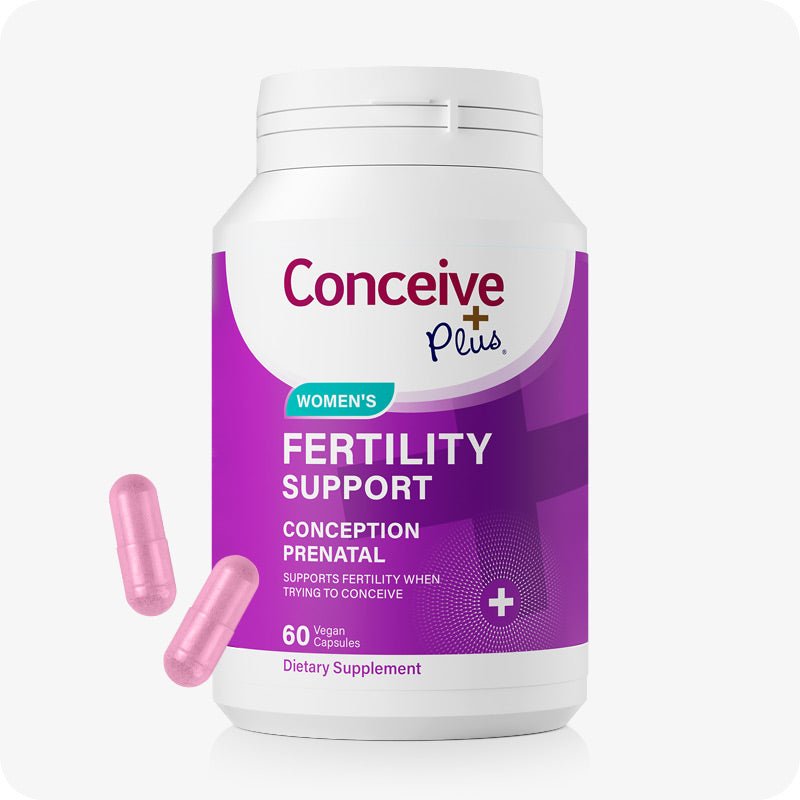
Conceive Plus Women's Fertility Support is formulated with clinically researched nutrients including folate, CoQ10, and antioxidants to help support reproductive health and hormone balance.
When to Consider a Second Opinion or Specialist Referral
If your primary care physician or OB-GYN has not identified a clear cause after initial evaluation, or if you have been trying for more than a year (or 6 months if over 35), a referral to a reproductive endocrinologist is appropriate. REIs specialise in diagnosing and treating complex fertility cases and have access to advanced diagnostic tools and treatments that general practitioners do not.
It is also reasonable to seek a second opinion if you feel your concerns are being dismissed, if treatments have not yielded results after several cycles, or if your diagnosis leaves you with unanswered questions. Fertility medicine is an evolving field, and different specialists may offer different perspectives.
Fertility clinics with high success rates publish their outcomes data through the Society for Assisted Reproductive Technology (SART), allowing prospective patients to compare clinics by age group and diagnosis — an important resource when choosing where to seek care.
Moving Forward: Building a Plan
Secondary infertility can feel overwhelming, but moving forward becomes more manageable with a clear plan. Here is a structured approach:
- Seek evaluation promptly: Do not wait and hope. If you meet the criteria for evaluation, make the appointment.
- Evaluate both partners simultaneously: About half of infertility cases involve a male factor. Testing both partners from the outset saves time.
- Optimise your baseline health: Nutrition, weight, stress management, and sleep quality all influence fertility outcomes.
- Build a support network: Whether through a therapist, support group, or trusted friends, do not navigate this alone.
- Set realistic expectations: Understand the success rates of different treatments for your specific situation and age group.
- Maintain connection with your partner: Secondary infertility can strain relationships. Prioritise communication, shared decision-making, and intimacy beyond the goal of conception.
Frequently Asked Questions About Secondary Infertility
1. Can secondary infertility resolve on its own?
In some cases — particularly where no underlying cause is identified — couples do conceive naturally with time. However, waiting indefinitely is not advisable, especially for women over 35 where age-related decline accelerates. If you have been trying for 12 months (or 6 months if over 35), seek evaluation regardless of prior fertility history.
2. Does a previous caesarean section cause secondary infertility?
A caesarean section can, in some cases, contribute to secondary infertility. Uterine scarring or adhesions (Asherman's syndrome) can form after the procedure, affecting implantation. A previous c-section can also be associated with placenta praevia in future pregnancies. An HSG or hysteroscopy can help assess the uterine cavity if this is a concern.
3. Can breastfeeding affect secondary fertility?
Yes. Prolactin, the hormone that promotes breast milk production, suppresses ovulation. Extended breastfeeding can delay the return of regular menstrual cycles and ovulation. Once breastfeeding stops, fertility typically returns to baseline, though this can take several months.
4. Is secondary infertility more common after miscarriage?
Miscarriage does not typically cause secondary infertility. Most women who miscarry go on to have successful pregnancies. However, recurrent miscarriage (three or more losses) warrants investigation for underlying causes such as chromosomal abnormalities, clotting disorders, or uterine abnormalities.
5. How does age affect secondary infertility?
Age is one of the most significant factors in secondary infertility. Ovarian reserve declines with age, and egg quality diminishes more rapidly after 35. A woman who conceived easily at 28 may face very different fertility circumstances at 36 or 38. Age-related changes in sperm quality can also contribute to longer time-to-pregnancy in male partners.
6. Can stress cause secondary infertility?
While stress alone is unlikely to be the sole cause of secondary infertility, chronic stress disrupts hormonal balance by elevating cortisol, which can interfere with ovulation and sperm production. Managing stress through mindfulness, exercise, therapy, or other techniques supports overall reproductive health.
7. Should both partners be tested for secondary infertility?
Absolutely. Male factor infertility contributes to approximately 40–50% of all infertility cases, and this applies equally to secondary infertility. Even if a man has fathered children previously, his sperm parameters can change over time. A semen analysis is a non-invasive, affordable, and essential first step.
8. What is the success rate of IVF for secondary infertility?
IVF success rates for secondary infertility vary by age and diagnosis. For women under 35, live birth rates per IVF cycle typically range from 40–50%. For women aged 35–37, rates drop to approximately 30–35%, and for those over 40, rates are typically 10–20%. These figures reflect the significant impact of age and underscore the importance of timely evaluation.
9. Can unexplained secondary infertility be treated?
Yes. Even without a clear diagnosis, multiple treatment pathways exist. Many couples with unexplained secondary infertility respond to ovulation induction with timed intercourse, IUI, or IVF. Lifestyle optimisation and nutritional support can also improve outcomes and are always recommended as a complement to medical treatment.
10. Where can I find support for secondary infertility?
RESOLVE: The National Infertility Association (resolve.org) offers support groups, educational resources, and a helpline specifically for secondary infertility. Online communities such as those on Reddit (r/secondaryinfertility) provide peer support. Therapists who specialise in reproductive mental health can also provide invaluable guidance through the emotional challenges of secondary infertility.
Ready to Take the Next Step?
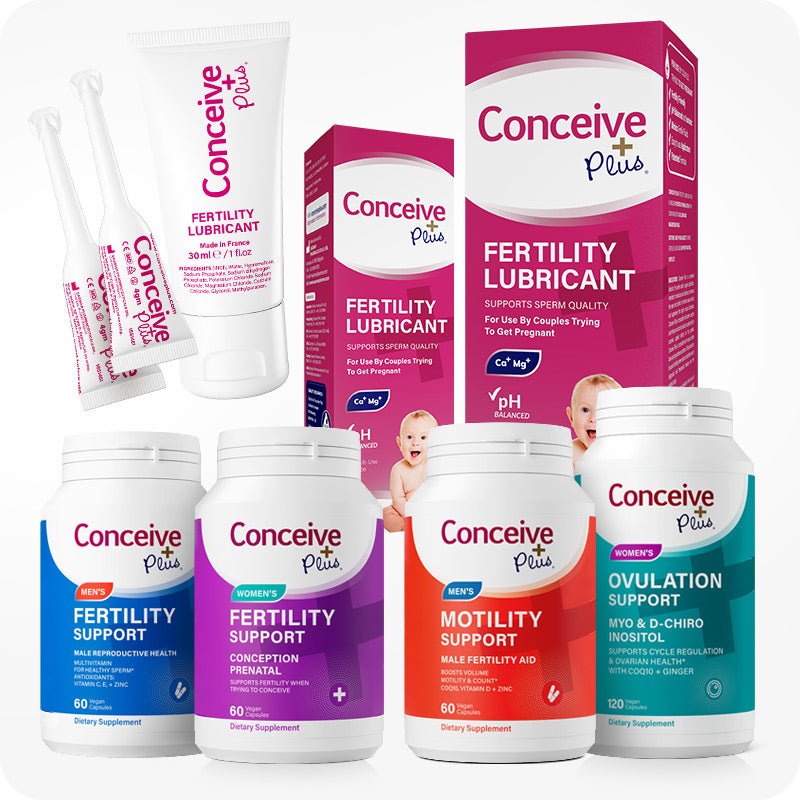
Conceive Plus offers a full range of clinically formulated fertility supplements designed to support every stage of your conception journey — for both partners.