Prostat o Medical Term: Understanding Medical Vocabulary
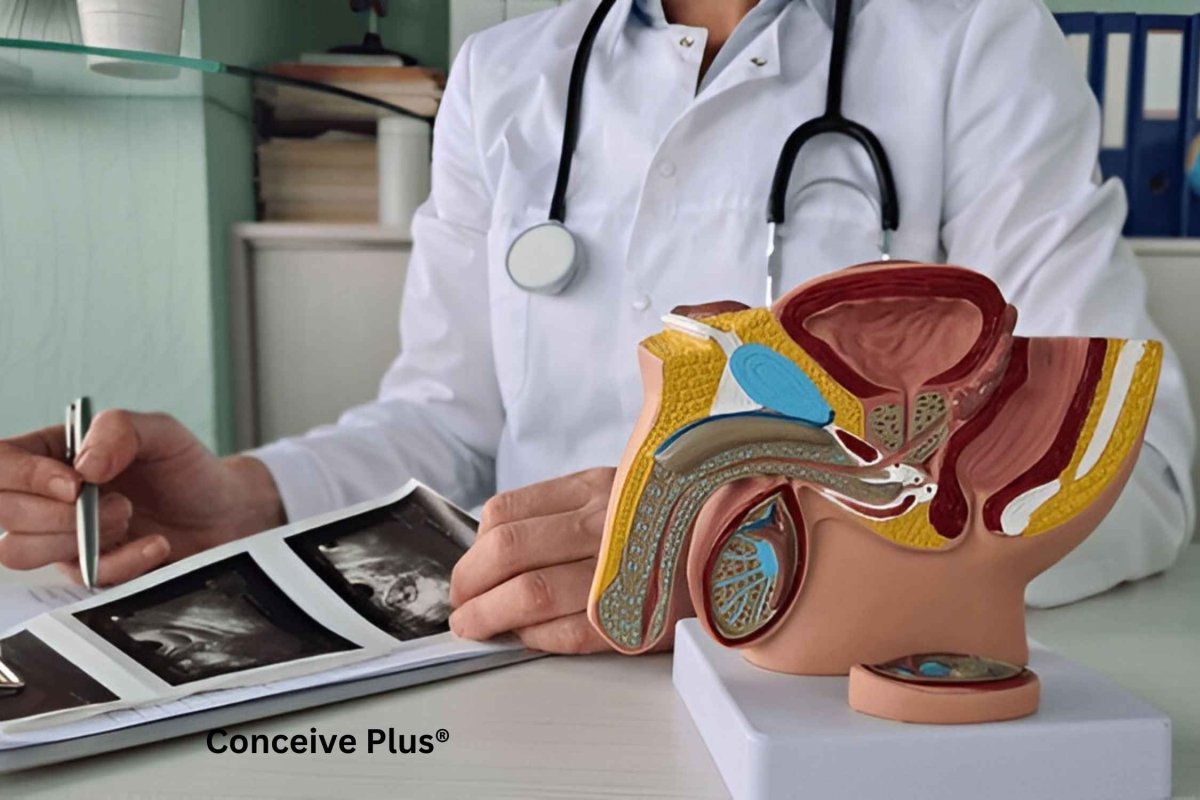

Medical terms are important because they allow doctors and healthcare workers to explain things clearly.
In the model of male reproductive system, there are specific terms for organs like the testes and for products like sperm. These terms are used to discuss health conditions and treatments related to male fertility. For example, prostat o medical term represents prostate gland, an important male reproductive organ.
This article will explain some of the main medical terms for different parts of the male reproductive system to make male reproductive health easier to understand.

Medical Terminologies For Male Reproductive Organs
Different medical terminologies are common in healthcare facilities and literature for male reproductive organs. Some of which you may have heard about multiple times and others may sound new to you.
These are:
-
Prostato (Prostate Gland)
The medical term for the prostate gland is "prostato." This gland plays a key role in producing fluid that nourishes and protects sperm [1]. This fluid is part of semen, which helps sperm travel during ejaculation.
Problems with the prostate, like enlargement or infection, can impact male fertility and overall health.
-
Orchido (Testes)
"Orchido" refers to the testes in the medical terminology. This male reproductive organ is responsible for producing sperm and testosterone [2].
These two functions are essential for male reproduction and hormonal balance. Any damage or condition affecting the testes, such as trauma or infections, can lower sperm production.
-
Vas Deferens
The vas deferens is a medical term for ejaculatory ducts, or the tube that carries sperm away from the testes [3]. This muscular tube carries sperm from the testes to the urethra during ejaculation.
The Vas Deferens tube plays an essential role in transporting sperm so it can be mixed with seminal fluid. Blockages in the vas deferens can cause fertility issues, preventing sperm from being released properly.
-
Epididymo (Epididymis)
"Epididymo" is the medical terminology for epididymis. It is a coiled tube located behind each teste that stores and matures sperm before ejaculation.
Sperm pass through the epididymis, where they gain the ability to swim and fertilize an egg. Any infection or inflammation in this area can lead to pain and fertility problems.
-
Seminal Vesicles
The seminal vesicles are the term to refer to small glands that produce a large portion of the fluid found in semen. This fluid provides energy for sperm and helps it move through the female reproductive system. Issues with the seminal vesicles can reduce semen quality and affect fertility.

What is the medical term for sperm?
Spermat o medical term is used for sperm cells in the healthcare system. It is a male reproductive cell that is released from the penis during ejaculation. Sperm or spermato contains a copy of the DNA of the male partner.

✨ Support Healthy Sperm
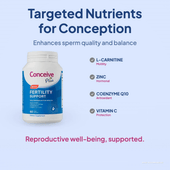
Our Motility Support supplement contains Zinc, CoQ10, and L-Carnitine — clinically studied nutrients for sperm health and motility.
Shop Now — $34.95✓ Free shipping on orders over $40 | ✓ Trusted by millions of couples worldwide
When the sperm meets the egg, it penetrates the outer layer of the egg and enters inside [4]. This process is called fertilization and this is where the DNA in the sperm combines with the DNA in the egg and a new life begins.
What Does The Word Androgenic Mean?
Androgenic refers to things related to male characteristics or traits, mainly influenced by male hormones like testosterone [5]. These characteristics include things like facial hair, a deeper voice, sexual behavior, and muscle growth.
Androgenic hormones play a key role in puberty and sexual development for males. They are also involved in regulating functions like sperm production.
Knowledge of androgenic hormones can help explain certain medical conditions or treatments related to male health, including hormone imbalances or fertility issues.
Medical Terms for Male Reproductive Issues
A few common medical term for male reproductive issues are:
-
Oligospermia (Low Sperm Count)
Oligospermia refers to a condition where a man has fewer sperm than normal [6]. This can make it harder for him to father a child, as fewer sperm reduce the chances of fertilizing an egg.
-
Erectile Dysfunction (ED)
Erectile dysfunction is the inability to get or maintain an erection sufficient for sexual activity. It can be caused by physical or psychological factors and affects many men, especially as they age [7].
-
Varicocele
A varicocele is the enlargement of veins within the scrotum, similar to varicose veins. This condition can affect sperm production and is a common cause of male infertility.
-
Azoospermia (No Sperm in Ejaculate)
Azoospermia is a condition where no sperm is found in the semen. This can occur due to blockages, hormonal imbalances, or issues with sperm production, significantly affecting fertility. In addition to medical treatments, using fertility supplements containing essential nutrients can support male reproductive health.

Why Medical Terminologies are Important?
Assigning medical terminologies to the male reproductive system or any other part of the body is important in the healthcare system for the following reasons:
- Medical terminologies help people understand male reproductive health and conditions clearly.
- They allow doctors and patients to communicate accurately and avoid misunderstandings.
- These terms are universal, meaning they are understood by healthcare professionals worldwide.
- Information pertaining to maleness medical terms helps professionals from different languages and countries understand each other.
- Consistent use of terms ensures everyone is on the same page when diagnosing conditions, discussing treatments, or conducting research on male reproductive health.
The Bottom Line
Medical terminologies may seem complex or challenging to understand at first but they make a lot of sense when you find out about their importance. Information about medical terms male reprodutive parts can help in a better understanding of the male reprodutive system.
Medical terms are also important for professionals in any medical setup for better communication and to avoid inconveniences when dealing with information across the world.
Resources Used
- Institute for Quality and Efficiency in Health Care (IQWiG). (2022, September 15). In brief: How does the prostate work? InformedHealth.org - NCBI Bookshelf. https://www.ncbi.nlm.nih.gov/books/NBK279291/
- O’Donnell, L., Stanton, P., & De Kretser, D. M. (2017, January 11). Endocrinology of the Male Reproductive System and Spermatogenesis. Endotext - NCBI Bookshelf. https://www.ncbi.nlm.nih.gov/books/NBK279031/
- Koslov, D. S., & Andersson, E. (2013). Physiological and pharmacological aspects of the vas deferens—An update. Frontiers in Pharmacology, 4. https://doi.org/10.3389/fphar.2013.00101
- How Sperm in Egg Leads to Fertilization and the Journey of Sperm and Egg Cells. Conceive Plus®. https://conceiveplus.com/blogs/blog/how-sperm-in-egg-leads-to-fertilization-and-the-journey-of-sperm-and-egg-cells
- Handelsman, D. J. (2020, October 5). Androgen Physiology, Pharmacology, Use and Misuse. Endotext - NCBI Bookshelf. https://www.ncbi.nlm.nih.gov/books/NBK279000/
- Scanty Production of Sperm: How to Boost Sperm Count. Conceive Plus®. https://conceiveplus.com/blogs/blog/scanty-production-of-sperm-how-to-boost-sperm-count
- Lowy, M., & Ramanathan, V. (2022). Erectile dysfunction: Causes, assessment and management options. Australian Prescriber, 45(5), 159-161. https://doi.org/10.18773/austprescr.2022.051
�� Boost Male Fertility Naturally
Conceive Plus Men's Motility Support is formulated with the nutrients that matter most for sperm quality, count, and motility.
Shop Men's Fertility →Frequently Asked Questions
Recommended by Fertility Experts
Conceive Plus Men's Fertility Support
Designed to support healthy sperm production, motility, and overall male reproductive health with clinically studied nutrients.
Shop Now →What does the prostate gland do and why is it important for male fertility?
The prostate gland produces fluid that nourishes and protects sperm, which becomes part of semen and helps sperm travel during ejaculation. Problems with the prostate, such as enlargement or infection, can significantly impact male fertility and overall reproductive health. The American Society for Reproductive Medicine (ASRM) recognizes prostate health as an important factor in male fertility evaluation.
Can a blocked vas deferens be treated or repaired?
Yes, blockages in the vas deferens can often be treated through surgical procedures such as vasography or microsurgical reconstruction, depending on the location and cause of the blockage. Fertility specialists at ASRM-certified clinics can perform diagnostic imaging to identify blockages and recommend appropriate treatment options. In some cases, assisted reproductive techniques like IVF with surgical sperm retrieval may be recommended as an alternative.
What infections or conditions affect the epididymis and cause infertility?
Infections such as sexually transmitted infections (STIs), epididymitis, and inflammation can damage the epididymis and impair sperm maturation and motility. Trauma or previous surgery can also affect epididymal function and lead to fertility problems. A urologist or reproductive endocrinologist can diagnose epididymal conditions through physical examination and imaging and recommend appropriate treatment.
How do the testes produce testosterone and sperm, and what affects production?
The testes produce testosterone through Leydig cells and generate sperm through the process of spermatogenesis in seminiferous tubules. Factors that can negatively affect production include infections, trauma, hormonal imbalances, heat exposure, and certain medications. Fertility testing can measure sperm production and testosterone levels to identify issues affecting male reproductive function.
Does insurance cover male fertility testing and treatment for prostate or testicular problems?
Insurance coverage for male fertility testing and treatment varies significantly by plan and state, with some plans covering diagnostic testing while others may not cover fertility treatments. It's important to contact your insurance provider directly to understand your coverage for urological or reproductive health services. Many fertility clinics can help navigate insurance questions and may offer payment plans for uncovered services.
What role do seminal vesicles play in male fertility and ejaculation?
The seminal vesicles produce approximately 60-70% of seminal fluid, which provides energy (fructose) and nutrients that help sperm survive and reach the egg. Problems with the seminal vesicles, such as infection or low fluid production, can affect semen quality and sperm viability. A semen analysis performed at a fertility clinic can evaluate seminal fluid volume and composition to identify potential issues.
When should men see a fertility specialist about male reproductive health concerns?
Men should consider seeing a reproductive endocrinologist or urologist specializing in male fertility if they have concerns about sperm production, erectile dysfunction, testicular pain, or after one year of unprotected intercourse without conception (or six months if the female partner is over 35). The ASRM recommends male factor evaluation as part of the initial fertility workup for couples. Early evaluation can identify treatable conditions and improve fertility outcomes.
Trusted by Couples in Over 70 Countries
Support Male Fertility From the Inside Out
Male fertility is just as important as female fertility in the conception journey. Conceive Plus Men's range delivers targeted nutritional support to promote healthy sperm and overall reproductive wellbeing.
Shop Men's Range →