When Should You Choose Prenatal with Folate Not Folic Acid?


Many expectant mothers require prenatal supplements to support their pregnancy. These dietary supplements provide essential vitamins and minerals for the development of the baby and the health of the mother. Among many nutrients in prenatal supplements, folate plays a key role in preventing birth defects and supporting fetal growth [1].
However, there is a common confusion among people about the forms of folate. Many people consider folate and folic acid as the same form of vitamin B9. However, both are different forms of vitamin B9, and some women particularly require prenatal with folate not folic acid as a source of vitamin B9.

Difference Between Folate and Folic Acid
Folate is the natural form of vitamin B9 found in foods like leafy greens, beans, and citrus fruits. Folic acid, on the other hand, is a man-made version used in supplements and fortified foods [2].
While you can get vitamin B9 from both forms, they differ in how the body processes them. Folate is easy for the body to absorb and use. On the other hand, your body needs to convert folic acid into an active form called methyl-tetrahydrofolate (5-MTHF) before utilizing it for any function [2].

How the Body Converts Folic Acid into Active Folate?
When you consume folic acid in fortified foods or supplements, your body uses an enzyme to convert it into 5-MTHF, which is the active form of folate. However, not everyone can efficiently convert folic acid into 5-MTHF.
Some individuals have a genetic variation in the MTHFR gene, which reduces their ability to convert folic acid into its active form [3]. For such cases, it is a good idea to choose prenatal supplements containing 5-MTHF. This way, they will get the active form directly, eliminating the need for conversion.
The Role of Folate During Pregnancy

✨ Start Your Prenatal Care Today
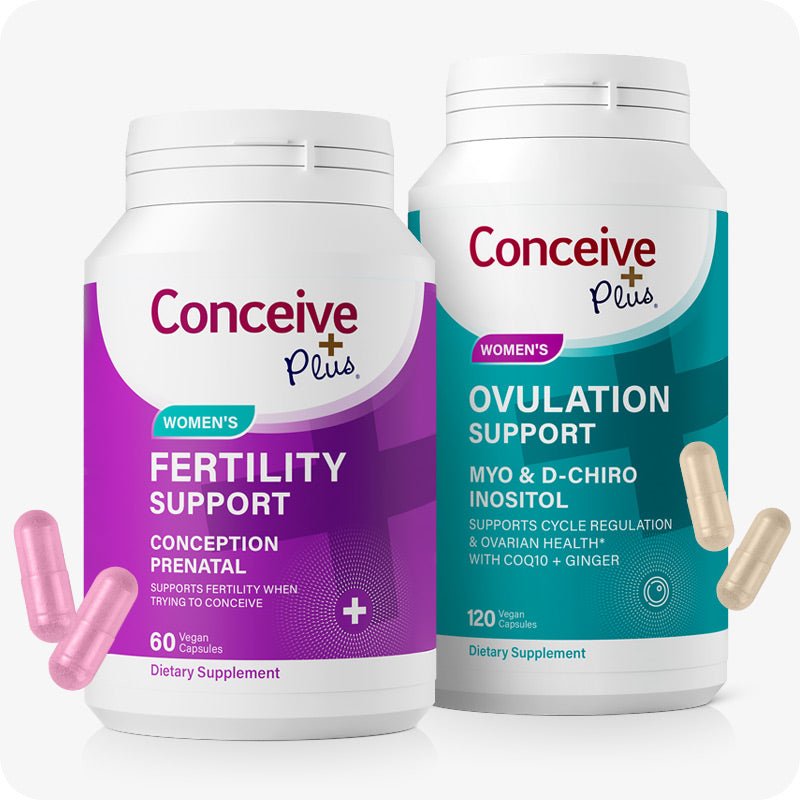
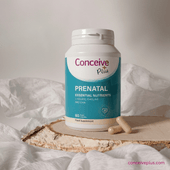
Our Prenatal Vitamins with DHA, Choline & Folate provide the essential nutrients you and your baby need for a healthy start.
Shop Now — $34.95✓ Free shipping on orders over $40 | ✓ Trusted by millions of couples worldwide
A pregnant woman requires about 600 mcg of folate each day to support healthy fetal development [4]. It helps form the neural tube, which becomes the baby’s brain and spinal cord.
Studies show that deficiency of folate during pregnancy can increase the risk of neural defects in the baby while folic acid supplementation is found effective in preventing neural tube defects [1]. It also supports the growth of the placenta and red blood cell production, ensuring both mother and baby get the oxygen they need.

How to Choose a Prenatal Supplement with Folate?
When shopping for a prenatal, look for labels that specify "methylated folate" or "5-MTHF." This indicates the active form of folate is present in that supplement.
If your doctor diagnoses that your body lacks the ability to convert folic acid into folate, you must choose prenatal vitamins with folate not folic acid as a source of vitamin B9. Always consult your healthcare provider before starting any supplement to ensure it meets the requirements of your body.
Is It Ok to Get Folic Acid Free Prenatal Vitamin?
You can choose prenatal without folic acid as long as they contain the active form of folate, like methylated folate or 5-MTHF. These forms are easier for the body to use since your body doesn't have to do any conversion.
For individuals with genetic variations that inhibit the conversion of folic acid into folate, folate-only supplements can be a safer and more effective option. However, make sure to avoid those supplements that don’t provide any form of folate at all. This is because the prenatal no folic acid increases the risk of deficiency of vitamin B9 and associated complications.

The Bottom Line
Different prenatal supplements come with unique formulations. Some offer vitamin B9 in the form of folate, while others contain a folic acid form of this vitamin. Folate is the active form of vitamin B9, which means that your body can utilize it directly.
In contrast, folic acid is the inactive form of vitamin B9, and your body converts it into the active form to be able to use it. It is completely ok for most women to get folic acid-containing prenatal supplements. However, for women with genetic variations that make them unable to convert folic acid into the active form, prenatal with folate not folic acid is a recommended option. For mothers navigating the post-pregnancy period, considering prenatals while breastfeeding can ensure optimal nutritional support for both the baby and the mother.
Resources Used
- Greenberg, J. A., Bell, S. J., Guan, Y., & Yu, Y. (n.d.-d). Folic acid supplementation and pregnancy: more than just neural tube defect prevention. https://pmc.ncbi.nlm.nih.gov/articles/PMC3218540/
- Carboni, L. (2022, July 1). Active folate versus folic acid: The role of 5-MTHF (Methylfolate) in human health. https://pmc.ncbi.nlm.nih.gov/articles/PMC9380836/
- Hiraoka, M., & Kagawa, Y. (2017). Genetic polymorphisms and folate status. Congenital Anomalies, 57(5), 142–149. https://doi.org/10.1111/cga.12232
- Barchitta, M., Maugeri, A., Lio, R. M. S., Favara, G., La Mastra, C., La Rosa, M. C., & Agodi, A. (2020). Dietary Folate Intake and Folic Acid Supplements among Pregnant Women from Southern Italy: Evidence from the “Mamma & Bambino” Cohort. International Journal of Environmental Research and Public Health, 17(2), 638. https://doi.org/10.3390/ijerph17020638
🌱 Everything You and Baby Need
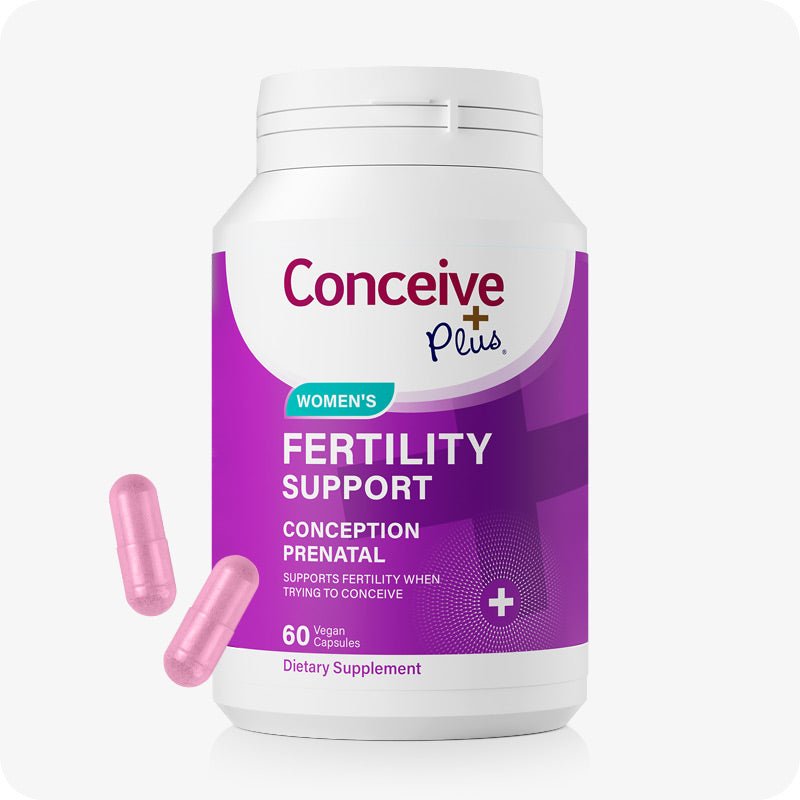
Conceive Plus Prenatal Vitamins are formulated with DHA for brain development and Folate for neural tube protection.
Shop Prenatal Vitamins →Frequently Asked Questions
Recommended by Fertility Experts
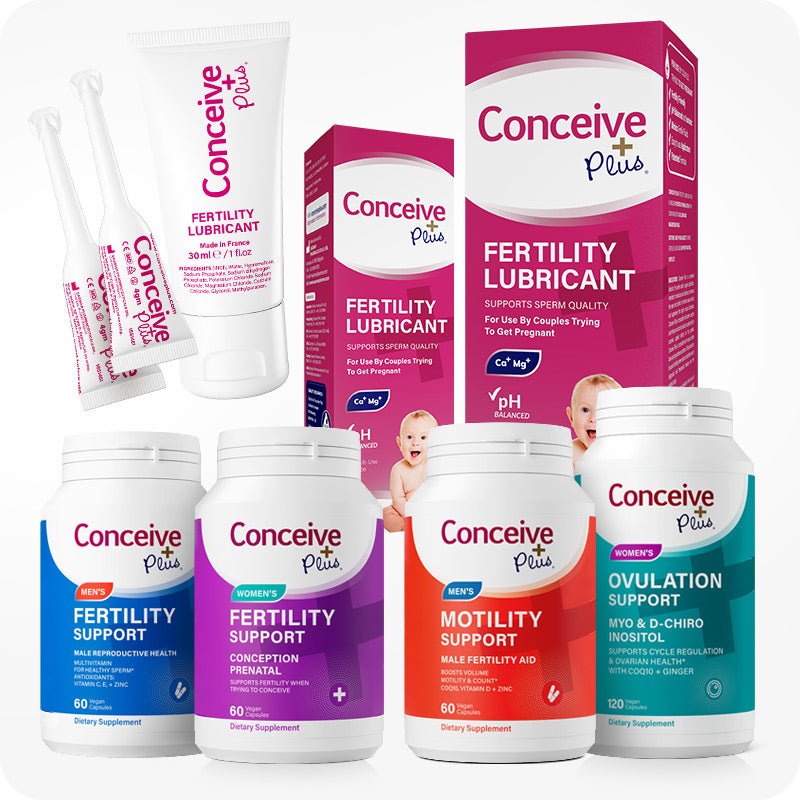
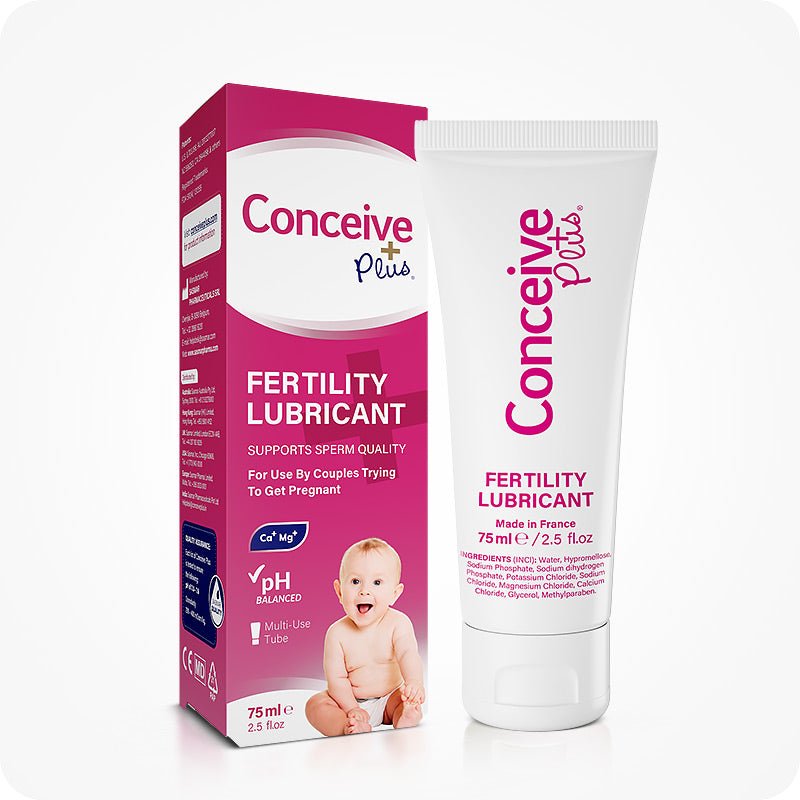
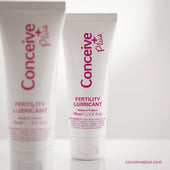
Conceive Plus Fertility Lubricant
Specially formulated to be sperm-friendly and isotonic, supporting your natural conception journey without disrupting the reproductive environment.
Shop Now →Q: What's the difference between folate and folic acid?
A: Folate is the natural form of vitamin B9 found in foods like leafy greens, legumes, and asparagus, while folic acid is the synthetic form used in most supplements and fortified foods. Folic acid must be converted by your body into its active form (methylfolate) to be utilized effectively, whereas folate is already in a form your body can use more readily. Some women, particularly those with MTHFR gene mutations affecting about 30-40% of the US population, may metabolize folic acid less efficiently and benefit more from prenatal supplements containing natural folate or methylfolate.
Q: Who should take prenatal with folate instead of folic acid?
A: Women with MTHFR gene mutations, a history of neural tube defects, or those who don't respond well to synthetic folic acid may benefit from prenatal vitamins with natural folate or methylfolate forms. Additionally, women with certain genetic polymorphisms, digestive issues that affect nutrient absorption, or those taking medications that interfere with folic acid metabolism should consult their healthcare provider about folate-based alternatives. The American Society for Reproductive Medicine (ASRM) recommends that all women of childbearing age consume 400 micrograms of folate daily, and choosing the right form can optimize this critical nutrient's effectiveness for conception and pregnancy health.
Q: Can folic acid cause problems during pregnancy?
A: Folic acid is generally safe and FDA-approved for use during pregnancy when taken at recommended doses of 400-800 micrograms daily. However, some research suggests that unmetabolized folic acid can accumulate in the bloodstream if your body cannot efficiently convert it, which may potentially have long-term health effects. Women who have difficulty metabolizing folic acid—such as those with MTHFR mutations—may experience fewer side effects and better outcomes with prenatal vitamins containing natural folate, making it worth discussing with your healthcare provider which form is best for your individual health profile.
Q: How much folate do I need when trying to conceive?
A: The CDC and most US healthcare providers recommend that women of childbearing age consume at least 400 micrograms (0.4 mg) of folate daily, even before conception, to reduce the risk of neural tube defects by up to 70%. If you have a personal or family history of neural tube defects, are taking certain medications, or have conditions affecting nutrient absorption, your doctor may recommend 4,000 micrograms (4 mg) daily. When selecting a fertility supplement like Conceive Plus with prenatal nutrients, ensure it contains adequate folate in the form that works best for your body's metabolism to maximize your chances of conception and healthy fetal development.
Q: Is methylfolate better than folic acid for fertility?
A: Methylfolate (the active form of folate) is already in the form your body can immediately use, making it potentially more effective for women with genetic variations that affect folic acid metabolism. While the FDA recognizes both forms as safe, some fertility specialists recommend methylfolate for women undergoing assisted reproductive procedures or those with known MTHFR mutations to optimize nutrient availability. Research published in fertility journals suggests that women taking methylfolate-based supplements may experience improved outcomes, though individual results vary based on your unique genetic and metabolic profile—making it important to consult with your reproductive health provider about which form is right for your fertility journey.
Trusted by Couples in Over 70 Countries
Start Your Fertility Journey With the Right Support
Conceive Plus Fertility Lubricant is specially formulated to be compatible with sperm, eggs, and embryos. Whether you are just starting out or have been trying for a while, our products are designed to work with your body — not against it.
Explore Fertility Lubricant →