The Benefits of Prenatal Vitamins with Iron for Pregnancy
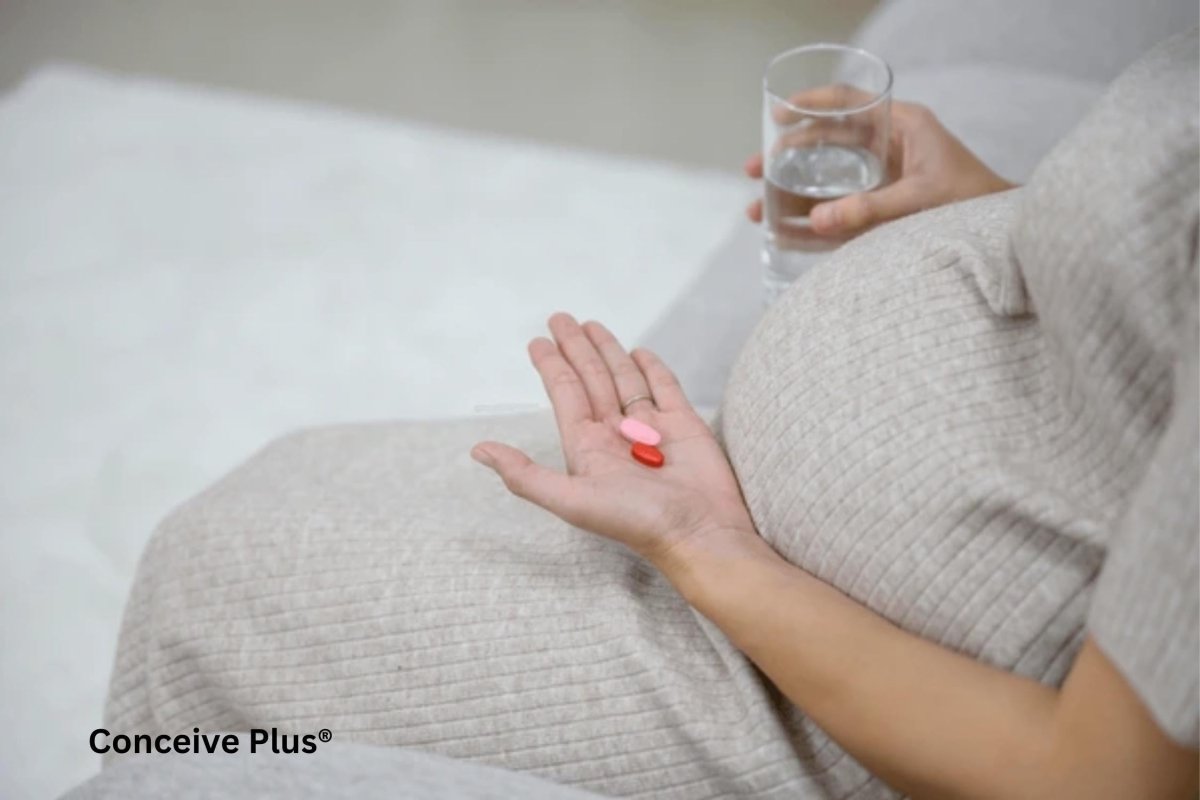

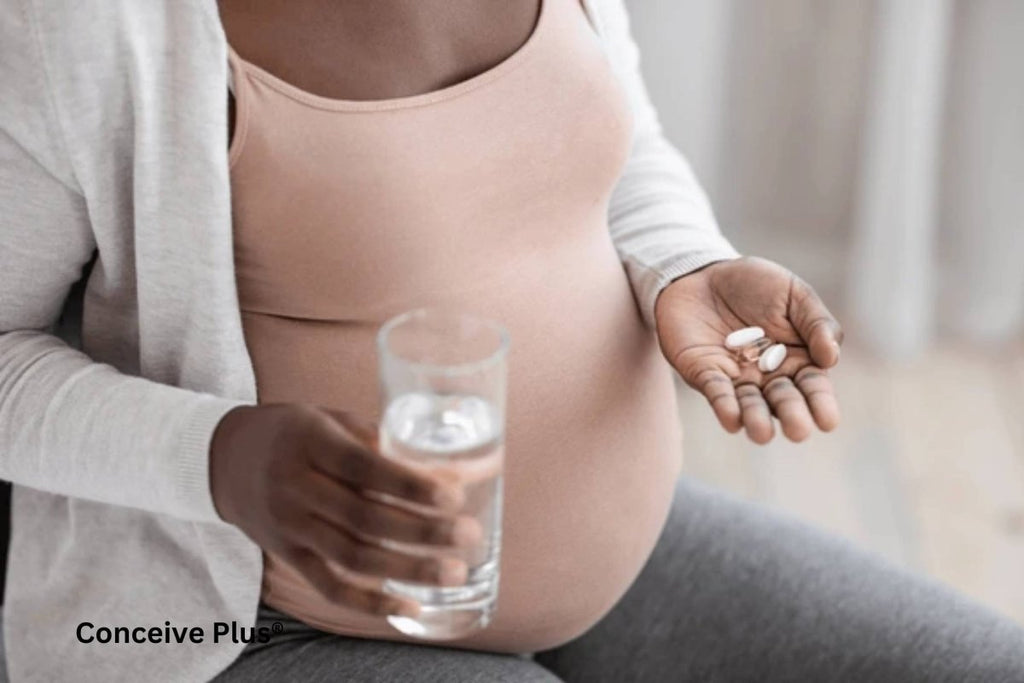
Pregnancy is a time of significant transformations in a woman's body. It is a period when the body's nutritional needs increase to support the growth and development of a new life. One way to meet this increased nutritional demand is through prenatal vitamins.
Iron is among the most important components of prenatal vitamins, primarily due to its role in supporting increased blood volume during pregnancy [1]. This boost in blood volume helps transport oxygen effectively to both mother and baby.
In this article, we will explore the benefits of prenatal vitamins with iron. The article also covers the benefits of other critical nutrients in prenatal supplements, like folic acid, DHA, and calcium, helping you choose the best options for a healthy pregnancy.

Why Are Prenatal Vitamins Essential?
Prenatal vitamins are specially formulated dietary supplements designed to meet the increased nutritional demands of pregnancy [2]. They contain vital nutrients such as iron, folic acid, DHA, calcium, and vitamins like D, E, B6, and biotin. All these nutrients play a significant role in fetal development and maternal health.
Prenatal vitamins support the healthy growth of the baby by preventing nutrient deficiencies in the mother. Here are some of the prominent benefits of prenatal vitamins:
- They support the rapid development and growth of the fetus.
- They are crucial for maternal health and well-being.
- They help prevent common deficiencies during pregnancy.
- They are easy to integrate into a daily routine.
Iron: A Vital Nutrient During Pregnancy
Iron helps produce hemoglobin, which is the part of the red blood cell that is responsible for carrying oxygen to the baby [3]. The production of red blood cells increases during pregnancy, increasing the iron requirement for hemoglobin formation. Prenatal vitamins tablet with iron support healthy blood oxygen levels during pregnancy by supplying enough iron.
Benefits of Prenatal Vitamins with Iron
Many expecting mothers prefer a prenatal multi vitamin with iron to meet their daily iron requirements effectively. Taking prenatal vitamins with iron offers multiple benefits, including:
- Prevents Anemia: Iron helps prevent iron deficiency anemia, which is common during pregnancy and can lead to life threatening complications for the baby [1].
- Supports Oxygen Flow: Iron boosts the production of hemoglobin, ensuring an adequate oxygen supply to the baby and the mother’s growing body.
- Prevents Low Birth Weight: Taking prenatal vitamins with iron lowers the chance of having a baby with low birth weight.
- Boosts Energy Levels: Iron helps cope with pregnancy-related tiredness by supporting proper red blood cell production.
Folic Acid: Preventing Neural Tube Defects
Like iron, folic acid is also among the most important nutrients for pregnant women, and its deficiency can lead to serious birth complications. Studies show that folic acid plays a critical role in preventing neural tube defects that affect the baby’s brain and spine [4]. Many supplements, such as prenatal with 1000 mcg folic acid, ensure that you are getting adequate folic acid for your body and for the growing baby.
Benefits of Prenatal Vitamins with Folic Acid
If you incorporate prenatal multivitamin with folic acid in your dietary routine during pregnancy, it can lead to the following benefits:
- Prevents Birth Defects: Neural tube defect is a serious pregnancy complication that affects the baby’s brain and spinal cord. Studies show that folic acid helps prevent neural tube defects by up to 70% [5].
- Supports Cell Growth: Prenatal multivitamin folic acid facilitates healthy cell production and DNA formation, which is essential for the growth and development of the baby.
- Reduces Pregnancy Complications: Adequate folic acid levels lower the risk of pregnancy complications, such as preeclampsia. Preeclampsia is a pregnancy complication characterized by high blood pressure and damage to organs, such as the liver or kidneys.
- Promotes Healthy Placenta: It supports the development of a placenta, which is a temporary pregnancy organ that nourishes the baby.
It is important to note that some women may require prenatal multivitamin with folate and not folic acid. Folate is the natural form of vitamin B9, while folic acid is the synthetic and inactive form. Only women whose bodies lack the ability to convert folic acid into its active form require prenatal vitamins with folate [6].


✨ Start Your Prenatal Care Today
Our Prenatal Vitamins with DHA, Choline & Folate provide the essential nutrients you and your baby need for a healthy start.
Shop Now — $34.95✓ Free shipping on orders over $40 | ✓ Trusted by millions of couples worldwide
DHA: Supporting Brain and Eye Development
DHA (docosahexaenoic acid) is an omega-3 fatty acid essential for the baby’s brain and eye development [7]. Choosing the best prenatal vitamins with DHA ensures that your body gets a sufficient supply of this nutrient.
Benefits of Prenatal Vitamins with DHA
Including prenatal multivitamins with DHA in your daily routine during pregnancy can offer the following benefits:
- Supports Brain Development: One of the many important roles of prenatal multivitamin with DHA during pregnancy is that it promotes brain development in the baby.
- Promotes Healthy Vision: DHA plays a vital role in the development of the baby’s eyes, and the lack of this nutrient during pregnancy can lead to vision problems in the baby after birth [7].
- Reduces Preterm Birth Risk: Studies show mothers getting enough DHA during pregnancy experience a lower risk of premature delivery in most cases [8].
- Supports Cognitive Health: DHA is necessary not only for brain development but also for memory and learning abilities in the baby after birth.
- Supports Maternal health: DHA helps maintain healthy brain function, which supports the mother’s mood during pregnancy. It may also reduce the risk of mood swings and postpartum depression.
If you are looking for prenatal multivitamins, look for options like best prenatal pills with DHA or the best prenatal with DHA. Such supplements usually combine prenatal vitamins with DHA and folic acid for optimum pregnancy care.
Other Essential Nutrients in Prenatal Vitamins
In addition to iron, folic acid, and DHA, prenatal vitamins contain many other nutrients that support a healthy pregnancy. Prenatal vitamins with calcium strengthen the baby’s bones and teeth and also support the mother’s bone health [9].
Prenatal vitamins with B6 can help reduce nausea and improve energy levels. Similarly, prenatal vitamins with biotin support healthy skin, hair, and nails, which can be affected by hormonal changes [10]. Many brands combine these nutrients in prenatal vitamins with iron and folic acid for complete nutritional support.
If you’re exploring prenatal options for specific sensitivities, consider the benefits of a prenatal without biotin, which can cater to unique needs while still providing essential nutrients.
Choosing the Best Prenatal Vitamins
Many women find it challenging to choose a womens prenatal supplement that is the most suitable for them. Here some factors to consider when choosing a prenatal vitamin:
-
Look for Essential Nutrients
Choose prenatal vitamins that include essential nutrients like prenatal DHA folic acid, prenatal vitamins with calcium, and prenatal vitamins with iron and folic acid. These prenatal vitamins support brain, spine, and bone development while preventing complications like anemia and neural tube defects.
-
Check Tablet or Capsule Size
Consider the prenatal vitamins pill size when choosing a supplement. Many women prefer prenatal capsules vitamins, which are easy to digest, or prenatal tablets, which are widely available. Easy to swallow pregnancy vitamins and gummies can be a practical option for those who struggle with larger pills.
-
Ensure Third-Party Testing
Many prenatal vitamin brands offer third party tested prenatal vitamins to ensure the supplements meet high standards for quality and safety. These certifications guarantee that the product is free from harmful contaminants and delivers the promised nutrients.
-
Prefer Natural Supplements
If you prefer a more natural approach, look for natural prenatal supplements or natural prenatal vitamins for pregnancy. These options are usually vegan and free from artificial additives, making them a great choice for health-conscious mothers.

The Bottom Line
Taking prenatal vitamins with iron ensures that both the mother and the baby receive required iron to support pregnancy-related changes. Prenatal with iron and folic acid often contain other essential nutrients like DHA, calcium, and B6. These nutrients work together to support healthy fetal development and improve the mother’s well-being during pregnancy.
If you are looking for prenatal supplements, there are plenty of options to meet your specific needs. We recommend you always consult your doctor to find the best prenatal vitamin for you. Your doctor will guide you on prioritizing high-quality, third-party tested prenatal vitamins to ensure safety and effectiveness.
Resources Used
- Georgieff, M. K., Krebs, N. F., & Cusick, S. E. (2019). The benefits and risks of iron supplementation in pregnancy and childhood. Annual Review of Nutrition, 39(1), 121–146. https://doi.org/10.1146/annurev-nutr-082018-124213
- Adams, J. B., Kirby, J. K., Sorensen, J. C., Pollard, E. L., & Audhya, T. (2022d). Evidence based recommendations for an optimal prenatal supplement for women in the US: vitamins and related nutrients. Maternal Health Neonatology and Perinatology, 8(1). https://doi.org/10.1186/s40748-022-00139-9
- National Academies Press (US). (1958). THE ROLE OF IRON IN HEMOGLOBIN SYNTHESIS. Conference on Hemoglobin - NCBI Bookshelf. https://www.ncbi.nlm.nih.gov/books/NBK224286/
- Wald, N. J. (2022b). Folic acid and neural tube defects: Discovery, debate and the need for policy change. Journal of Medical Screening, 29(3), 138–146. https://doi.org/10.1177/09691413221102321
- Viswanathan, M., Urrutia, R. P., Hudson, K. N., Middleton, J. C., & Kahwati, L. C. (2023, August 1). Introduction. Folic Acid Supplementation to Prevent Neural Tube Defects: A Limited Systematic Review Update for the U.S. Preventive Services Task Force - NCBI Bookshelf. https://www.ncbi.nlm.nih.gov/books/NBK593617/
- He, Q., & Li, J. (2023). The evolution of folate supplementation – from one size for all to personalized, precision, poly-paths. Journal of Translational Internal Medicine, 11(2), 128–137. https://doi.org/10.2478/jtim-2023-0087
- Lauritzen, L., Brambilla, P., Mazzocchi, A., Harsløf, L., Ciappolino, V., & Agostoni, C. (2016b). DHA effects in brain development and function. Nutrients, 8(1), 6. https://doi.org/10.3390/nu8010006
- Aziz, M. A., Hidayat, D., Irwantoro, G., Nugrahani, A. D., Wijaya, J. J., Alamsyah, S. N. K., Almira, N. L., Sutjighassani, T., Santoso, D. P. J., & Krisnadi, S. R. (2024). Differential DHA and EPA Levels in Women with Preterm and Term Births: A Tertiary Hospital Study in Indonesia. Medical Science Monitor, 30. https://doi.org/10.12659/msm.943895
- Kumar, A., & Kaur, S. (2017). Calcium: a nutrient in pregnancy. The Journal of Obstetrics and Gynecology of India, 67(5), 313–318. https://doi.org/10.1007/s13224-017-1007-2
- Ichihara, Y., Suga, K., Fukui, M., Yonetani, N., Shono, M., Nakagawa, R., & Kagami, S. (2020). Serum biotin level during pregnancy is associated with fetal growth and preterm delivery. The Journal of Medical Investigation, 67(1.2), 170–173. https://doi.org/10.2152/jmi.67.170
🌱 Everything You and Baby Need
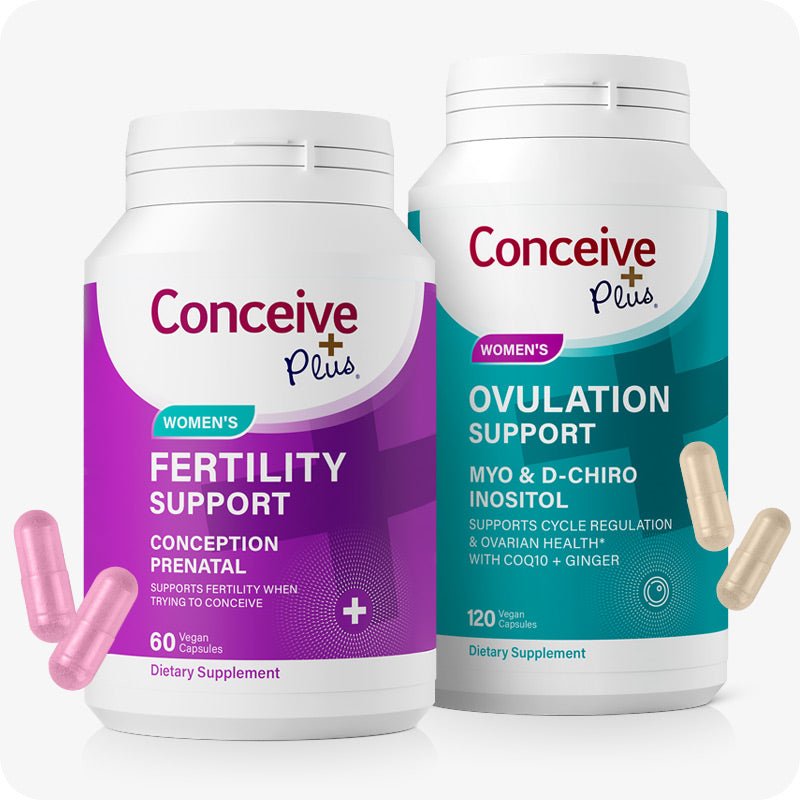
Conceive Plus Prenatal Vitamins are formulated with DHA for brain development and Folate for neural tube protection.
Shop Prenatal Vitamins →Frequently Asked Questions
Recommended by Fertility Experts
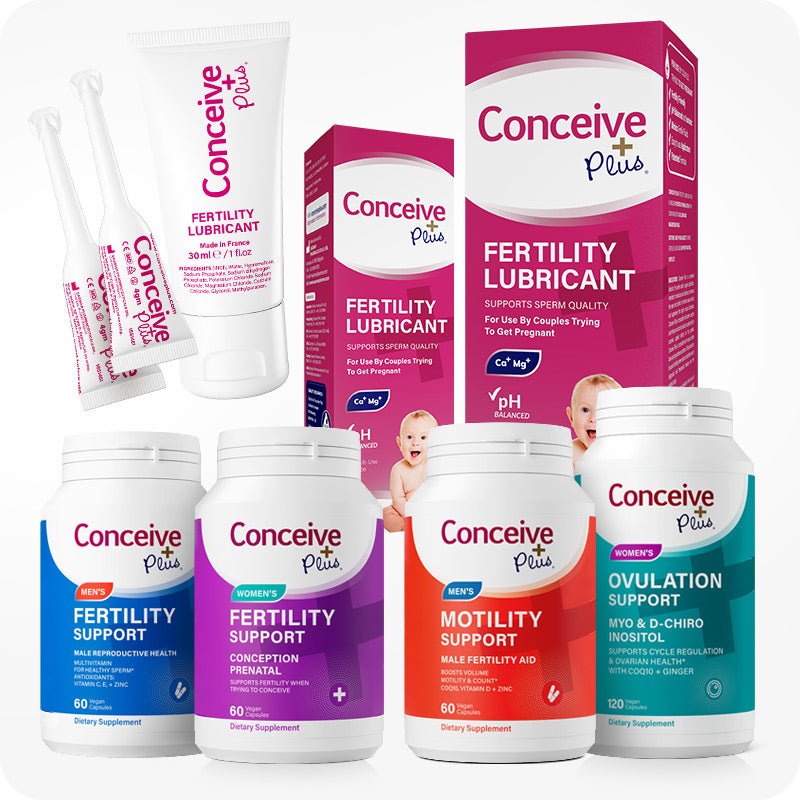
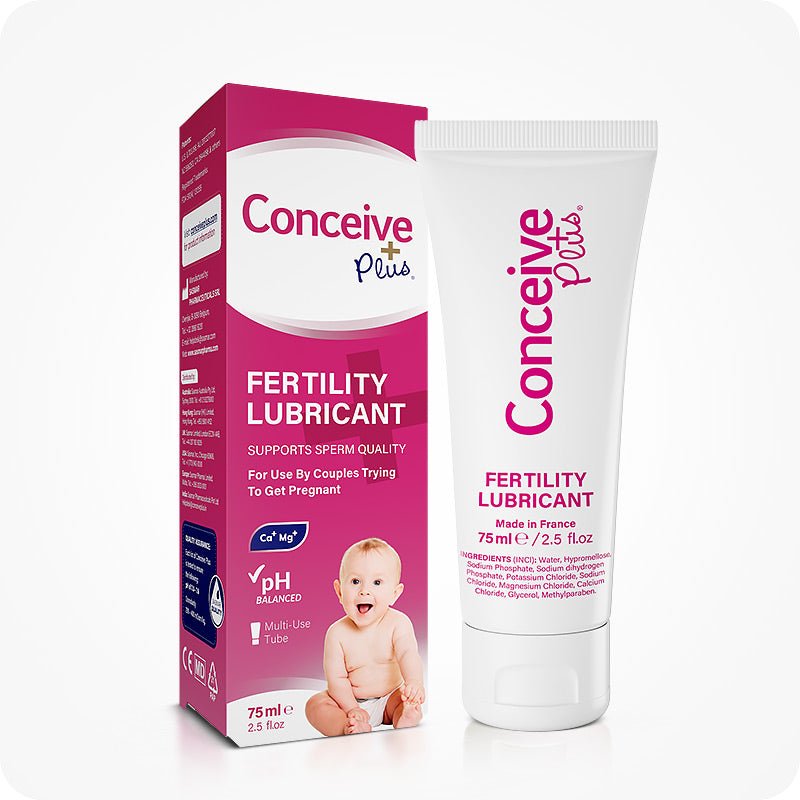
Conceive Plus Fertility Lubricant
Specially formulated to be sperm-friendly and isotonic, supporting your natural conception journey without disrupting the reproductive environment.
Shop Now →Q: How much iron do I need during pregnancy?
A: The recommended dietary allowance (RDA) for iron increases from 18 mg per day for non-pregnant women to 27 mg per day during pregnancy, according to the National Institutes of Health. This significant increase supports the expansion of blood volume by approximately 50% during pregnancy, which helps transport oxygen to both mother and baby. Most prenatal vitamins contain between 16-30 mg of iron to meet these elevated needs. It's important to discuss your specific iron requirements with your healthcare provider, as individual needs may vary based on baseline iron levels and dietary intake. Prenatal supplements like Conceive Plus are formulated to help bridge nutritional gaps and support healthy pregnancy outcomes.
Q: What are the symptoms of iron deficiency during pregnancy?
A: Iron deficiency anemia affects approximately 20-25% of pregnant women in the United States and can cause symptoms including fatigue, weakness, shortness of breath, dizziness, and pale skin or nail beds. Severe iron deficiency during pregnancy increases the risk of preterm delivery, low birth weight, and maternal complications. Many women don't realize they have iron deficiency until they're screened during prenatal care, as some symptoms overlap with normal pregnancy experiences. Your healthcare provider can perform a simple blood test to check your hemoglobin and iron levels, usually during your first trimester. Starting a prenatal vitamin with iron early in pregnancy helps prevent these complications and supports optimal maternal and fetal health.
Q: Is it safe to take iron supplements while pregnant?
A: Yes, prenatal iron supplementation is not only safe but recommended by the American College of Obstetricians and Gynecologists (ACOG) for all pregnant women. Iron supplements are essential for preventing anemia and supporting the increased blood volume needed during pregnancy. However, it's crucial to take iron as directed and discuss any side effects—such as constipation, nausea, or dark stools—with your healthcare provider, as they may recommend adjusting the timing or formulation. Taking iron with vitamin C enhances absorption, while calcium and certain foods can inhibit it, so timing matters. Quality prenatal vitamins, including those from reputable brands like Conceive Plus, are specifically formulated to provide safe and effective iron levels for pregnancy.
Q: Can I get enough iron from food alone during pregnancy?
A: While food sources like lean red meat, poultry, beans, and fortified cereals contain iron, most pregnant women cannot meet the increased 27 mg daily requirement through diet alone. The iron found in animal products (heme iron) is better absorbed than plant-based iron (non-heme iron), but even with optimal food choices, pregnant women typically fall short of their needs. Research shows that dietary iron alone accounts for approximately 10-15 mg per day for women with good eating habits, making supplementation necessary for most pregnancies. This is why prenatal vitamins with iron are considered standard care during pregnancy by healthcare organizations including the American Society for Reproductive Medicine (ASRM). Combining a balanced diet rich in iron-containing foods with a quality prenatal supplement ensures you meet your pregnancy nutritional goals.
Q: When should I start taking prenatal vitamins with iron?
A: Healthcare providers recommend starting prenatal vitamins ideally before conception or as soon as you discover you're pregnant, according to ACOG guidelines. Starting early is particularly important because iron and other nutrients support fetal development from the earliest stages, and many women don't realize they're pregnant until 4-6 weeks gestation. If you're planning to conceive, beginning a prenatal vitamin with iron can help optimize your nutritional status before pregnancy and improve your chances of a healthy conception. Women who are trying to conceive can benefit from preconception supplements like those offered by Conceive Plus, which support reproductive health and prepare the body for pregnancy. Continuing prenatal vitamins with iron throughout pregnancy and postpartum supports both maternal recovery and breastfeeding success.
Trusted by Couples in Over 70 Countries
Start Your Fertility Journey With the Right Support
Conceive Plus Fertility Lubricant is specially formulated to be compatible with sperm, eggs, and embryos. Whether you are just starting out or have been trying for a while, our products are designed to work with your body — not against it.
Explore Fertility Lubricant →