Pregnancy Tips To Increase Your Chances Of Getting Pregnant


It is important to have a healthy body and mind ready for conception. This means reducing toxins and bad habits from your lifestyle. This not only goes for the female but also the male. A man's sperm take months to develop before ejaculation and therefore a toxin free lifestyle is important too. Try taking a holistic approach to maximizing the likelihood of pregnancy, below are a number of simple steps both partners can take to help you on the path to getting pregnant and conceiving a baby naturally. These steps have been developed taking into consideration generally accepted health professional advice and health research.
Smoking
According to the Health Institute, (Australian Government initiative) smoking is an important risk factor for the three diseases that cause most deaths in Australia: heart disease, stroke and lung cancer. Smoking has also been linked to cancers of the mouth, bladder, kidney, stomach and cervix, among others. Smokers are also at increased risk of having reduced lung function from chronic obstructive pulmonary disease. Using tobacco has been linked to a variety of other conditions, such as diabetes, peptic ulcers, some vision problems, and back pain. Smoking in pregnancy can lead to miscarriage, stillbirth or premature birth. Smoking can negatively affect fertility and sperm health. If you are trying to get pregnant consider stopping smoking.
Stress Management
Trying to conceive can be a stressful time in a couple's relationship. Stress negatively affects fertility in many ways on top of the stress you already have trying to get pregnant! Look for ways to reduce stress in your life. Perhaps try yoga, meditation, swimming, look for something you will enjoy and that you feel is relaxing. Most importantly, fun and laughter will help with a happy mental state. Try and create a fun environment for sex, enjoy love making rather than focusing on it as a task.
Weight Management

✨ Trying to Conceive?
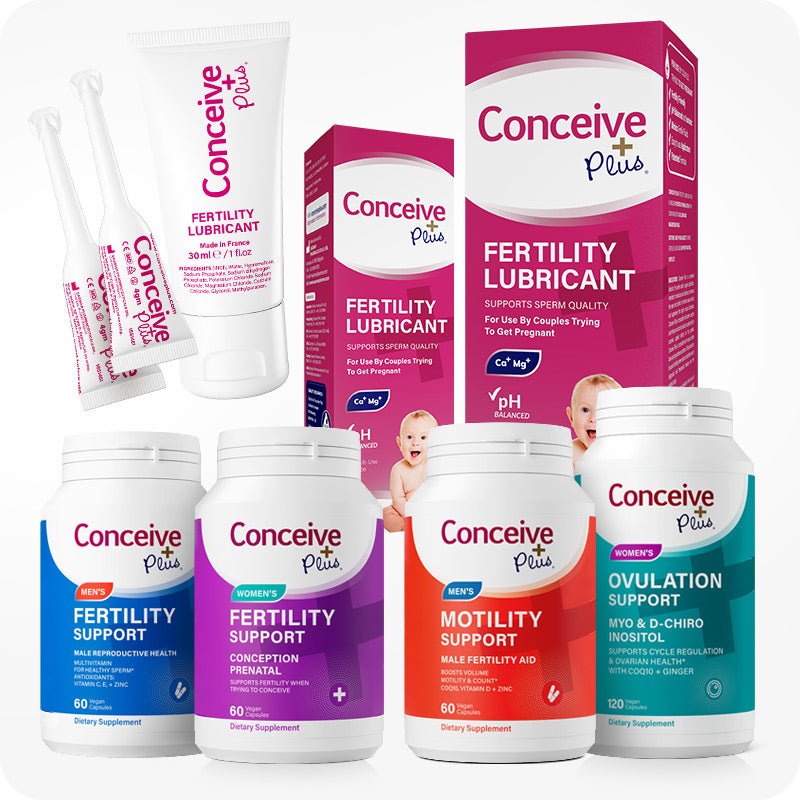
Our Ovulation & Fertility Bundle combines Myo-Inositol with essential vitamins to support healthy hormone balance and regular ovulation.
Shop Now — $55.00✓ Free shipping on orders over $40 | ✓ Trusted by millions of couples worldwide
It is important throughout all times in our life to maintain a healthy weight range. So of course being a healthy weight around the time of conception is an important step. Both being underweight and overweight can reduce fertility. Look at a balanced diet with lots of grains, fruit, vegetables and small amounts of organic meat and fish; perhaps seek a dietitian or nutritionist advice. Regular exercise combined with a healthy diet should help to create healthy body and mind.
Alcohol Consumption
Alcohol can effect fertility. The Australian National Research advises against drinking alcohol before and during pregnancy. Drinking alcohol can increase the risk of miscarriage and abnormalities in the baby. Alcohol can also effect male sperm health so it is advisable for men to reduce their alcohol consumption.
Medication/Drugs
It is best to discuss with your doctor or specialist about any medications you are taking that may affect fertility. It is also important to review any over the counter medications you and your partner are taking as they may also affect fertility and sperm count.
Other Toxins
Your home or workplace may be potential sites for toxins that may be damaging to fertility and pregnancy. Seek the advice of a healthcare practitioner to identify and sources and provide treatment for the elimination of substances.
Workplace and home environment substances could include: pesticides e.g. DDT, dibromochloropropane, chlordecone, ethylenedibromide, chlorpyrifos (Dursban) herbicides e.g. Dioxin fungicides hydrocarbons e.g. vehicle emissions, benzopyrene, PCB chemical solvents e.g. xylene, acetone, trichlorethylene, petroleum distillates, paint thinners and strippers, glycol ethers found in paint, solder vapors toxic smoke from burning synthetic and plastic based compounds textile dyes dry cleaning chemicals lead, mercury, cadmium gasoline, oil-based paints, cleaning solvents, adhesives exposure to radiation can be toxic to a pregnancy.
Foods To Avoid When TTC Trying to Conceive
Peas: A chemical in peas have anti-fertility effects for both men and women. Scientists discovered that the birth rate in Tibet was considerably lower than other parts of the world. The cause was found to be peas, a staple food for the population. In clinical trails performed in the USA women were given the chemical (in capsule form) found in peas and pregnancies dropped by 60%. In men sperm rates were slashed by 50% too.
Soy Products: Soy foods contain a natural source of estrogen which can be beneficial but if you are trying to get pregnant any excess in estrogen can cause hormonal imbalances. The result is often interference with ovulation and egg production. It is therefore wise to avoid all forms of soy foods when you are tyring to get pregnant.
Maintain sexual virility
There is two of you to consider when you are trying to get pregnant and his health impacts on the volume of his sperm ejaculation. Aside from all of these easy and practical tips, another option that one can take to achieve sexual health is by regularly taking a dose of multivitamins. They may initially appear to be extra costs on the daily budget, but multivitamins actually offer several beneficial effects. They can help improve one's appetite and relieve stress that can come from various fronts, including the workplace. Stress and a poor appetite need to be properly addressed as these usually have adverse effects on sexual urges.
🌱 Support Your Fertility Journey
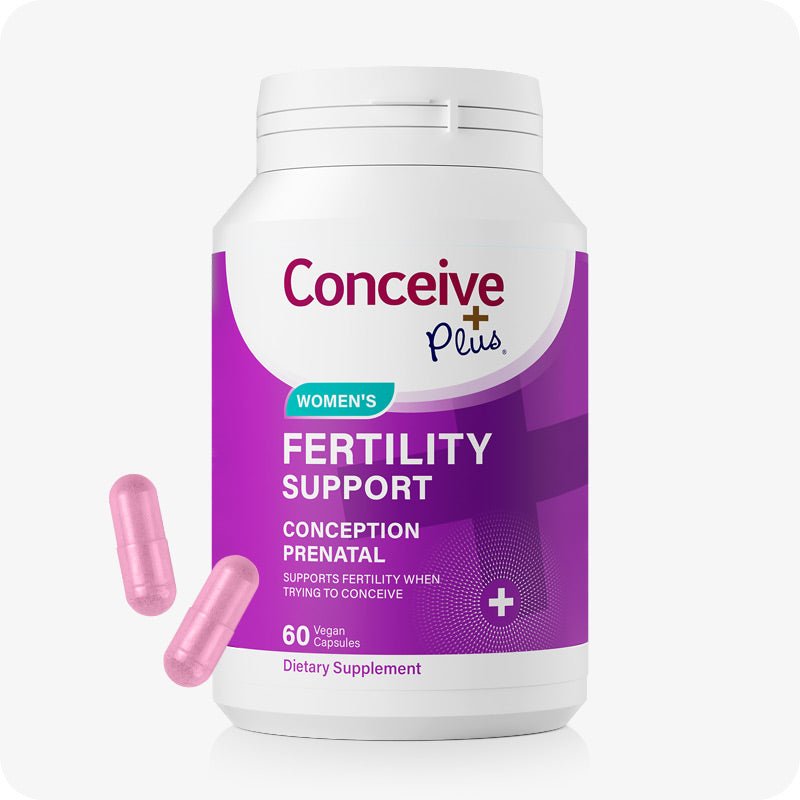
Conceive Plus fertility supplements are clinically formulated to help regulate your cycle and support egg quality.
Shop Fertility Support →Frequently Asked Questions
Recommended by Fertility Experts
Conceive Plus Men's Fertility Support
Designed to support healthy sperm production, motility, and overall male reproductive health with clinically studied nutrients.
Shop Now →How long should my partner and I stop smoking before trying to conceive?
The American Society for Reproductive Medicine (ASRM) recommends stopping smoking at least 3 months before attempting conception, as sperm takes approximately 74 days to fully develop. However, quitting immediately is ideal, as smoking reduces sperm quality, decreases fertility in both men and women, and increases miscarriage risk. The sooner you quit, the sooner your reproductive health will begin to improve.
Can stress really affect my ability to get pregnant?
Yes, chronic stress can negatively impact fertility by disrupting hormonal balance and ovulation patterns in women, and reducing sperm quality in men. High stress levels elevate cortisol, which can interfere with reproductive hormones like luteinizing hormone (LH) and follicle-stimulating hormone (FSH). The ASRM recognizes stress management as an important component of fertility treatment, so incorporating relaxation techniques like yoga, meditation, or counseling can be beneficial.
What is the ideal BMI for conception and pregnancy?
The American College of Obstetricians and Gynecologists (ACOG) recommends maintaining a BMI between 18.5 and 24.9 for optimal fertility outcomes. Both underweight (BMI under 18.5) and overweight (BMI over 25) individuals experience reduced fertility and higher miscarriage rates. If you're outside this range, working with your healthcare provider or a registered dietitian can help you develop a safe, sustainable plan to reach a healthier weight.
Does my partner's lifestyle affect his fertility and sperm health?
Abso
Should I see a doctor before trying to get pregnant?
Yes, the ACOG recommends a preconception visit with your OB-GYN or primary care physician before attempting to conceive. This visit allows your doctor to assess your health history, review medications, check your immunization status (including rubella), and discuss lifestyle modifications. Your healthcare provider can also identify any underlying conditions that may affect fertility and provide personalized guidance for your specific situation.
How can I manage the stress and emotional toll of trying to conceive?
Consider finding stress-reduction activities you genuinely enjoy, such as yoga, swimming, meditation, or therapy, rather than viewing conception as a task or deadline. Many fertility clinics and mental health professionals offer counseling services specifically for couples navigating infertility. Remember that maintaining a positive mindset, spending quality time with your partner, and seeking support from friends, family, or fertility support groups can significantly improve your emotional wellbeing during this journey.
Are there supplements I should take when trying to get pregnant?
Most fertility experts recommend starting with prenatal vitamins containing folic acid (400-800 mcg) at least one month before conception, as folic acid reduces the risk of neural tube defects. Some research supports inositol supplementation for women with irregular cycles or PCOS, though you should consult your healthcare provider before adding any supplements. Always discuss with your doctor which supplements are appropriate for your individual health needs and whether they may interact with any existing medications.
Trusted by Couples in Over 70 Countries
Support Male Fertility From the Inside Out
Male fertility is just as important as female fertility in the conception journey. Conceive Plus Men's range delivers targeted nutritional support to promote healthy sperm and overall reproductive wellbeing.
Shop Men's Range →