Pregnancy Test 1 Day After Implantation Bleeding: Unraveling Early Pregnancy Signals

Implantation is the moment when a fertilized egg (technically called a blastocyst) attaches itself to the uterine lining, initiating the next phase of fetal development. This event typically occurs six to ten days following fertilization, though exact timelines differ from one individual to another. Once the blastocyst implants, the body begins the process of forming the placenta, which will eventually supply nutrients and oxygen to the developing embryo.
In the days leading up to implantation, many people remain entirely unaware of what is happening inside their bodies. This invisibility of early changes can be attributed to subtlety: the fertilized egg is still traveling through the fallopian tube, preparing for the perfect moment to settle into the uterine wall. Because this process is finely tuned to hormonal rhythms and endometrial thickness, the timing can vary considerably, even within a single individual from one pregnancy to the next.

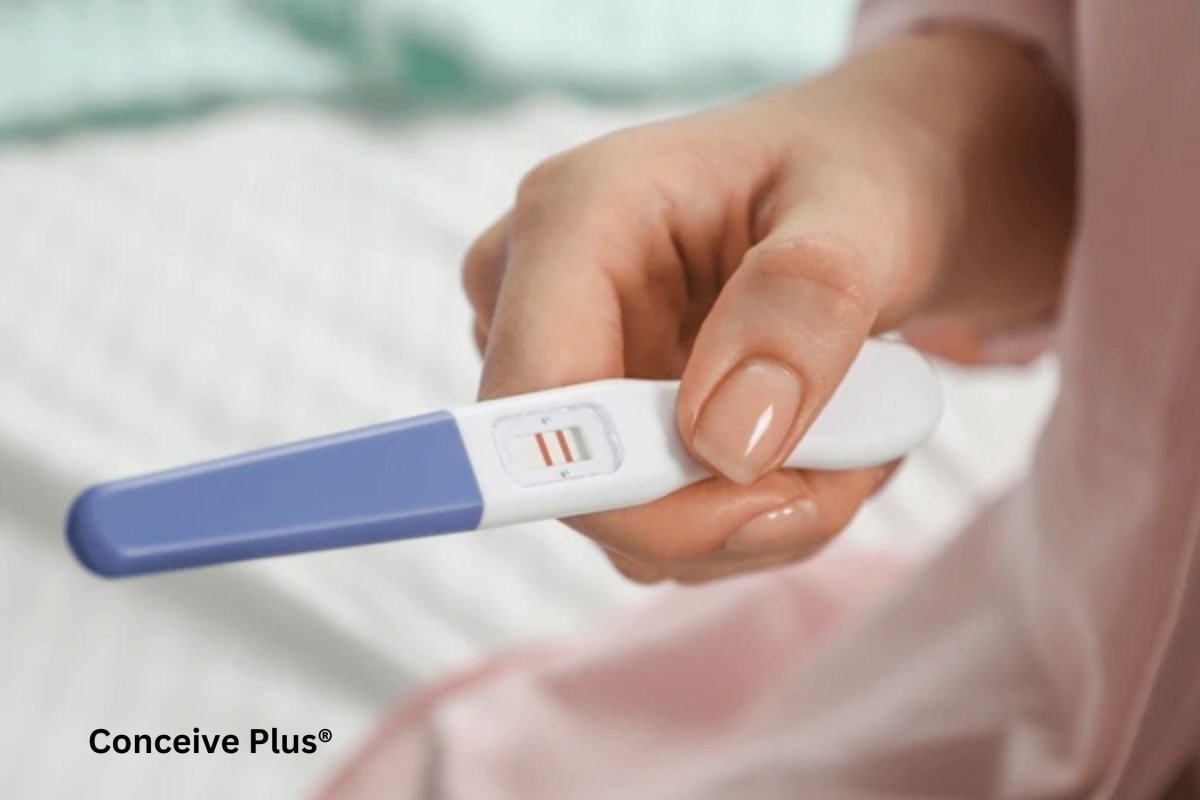
While most people anticipate a missed period as the earliest sign of pregnancy, some might notice a lighter-than-usual discharge, occasionally tinged brown or pink. This slight bleeding or “spotting” happens when the fertilized egg burrows into the endometrium and disrupts small blood vessels. Many prospective parents recognize the significance of this bleeding only in hindsight, as it often appears similar to mild menstrual changes or everyday spotting. For those eager to confirm pregnancy, taking a pregnancy test 1 day after implantation bleeding may be tempting—but is it too soon for accurate results?
Hormonal Shifts That Influence Testing
Shortly after the fertilized egg implants, the developing placenta begins producing human chorionic gonadotropin (hCG). This hormone is crucial for maintaining the corpus luteum—an ovarian structure that generates progesterone, a hormone needed to sustain the pregnancy during its earliest weeks. As days pass, hCG levels double approximately every 48 to 72 hours, although there is wide variation among individuals [1].
Once hCG reaches a level detectable by home pregnancy tests, it provides the biological basis for a clear positive result. Though these testing devices have become more sensitive over the years, the speed of hCG production remains tied to physiological pacing. For many, the earliest noticeable surge in this hormone might still be too low to trigger a clear positive reading if the test is taken too soon.
Some people wonder, “can you get a positive pregnancy test before implantation?” The biological consensus is that reliable detection requires the embryo to have attached to the uterine lining, thus prompting hCG release into the bloodstream. Another similar question, can you have a positive pregnancy test before implantation? also points to the same reality: the presence of hCG hinges on this attachment. In other words, a positive pregnancy test before implantation is highly unlikely because there is no robust mechanism to release enough hormone into circulation until the embryo is anchored in the uterus.
Evaluating Timing and Early Results
Once a person experiences implantation bleeding, the clock starts ticking on when a reliable result might appear on a home test. The level of hCG might still be on the lower side immediately after the blastocyst has taken root. Consequently, testing too soon can lead to disappointment or confusion due to faint lines or negative results. Because individuals differ in hormone production rates, there is no universal formula for predicting the perfect testing day.
When bleeding occurs, some ask, “can you take a pregnancy test while bleeding?” The act of spotting does not invalidate the test or interfere with its mechanics, as most home devices check for hormone levels in urine. However, bleeding might be psychologically unsettling and could lead to additional anxiety if the test result is not clearly positive. In some cases, it’s prudent to wait until bleeding subsides or transitions to normal discharge so that results can be interpreted in a calmer state of mind [2].
Prospective parents may also inquire, “how long after implantation cramps can you test?” Mild cramping can accompany implantation, but a reliable test result usually becomes more likely a couple of days after this physical sign has emerged. Since cramping is not mandatory for every implantation event, its presence or absence does not definitively signal the best day to test. Nonetheless, waiting at least 48 hours after noticing cramps, if they occur, can potentially increase the chances of detecting enough hCG to turn a test positive.
For a deeper understanding of when implantation occurs and how it affects early pregnancy symptoms, you can refer to this article on when does implantation occur, which explores the timing and key symptoms in detail.


✨ Think You Might Be Pregnant?
Get fast, accurate results up to 6 days before your missed period with our early detection pregnancy test.
Shop Now — $9.80✓ Free shipping on orders over $40 | ✓ Trusted by millions of couples worldwide
Comparing Different Testing Methods
Many modern home pregnancy tests are designed to register positive results earlier than their older counterparts. In particular, some brands advertise high sensitivity, proclaiming that their devices can detect pregnancy hormones days before a missed period. While these claims hold some validity, the degree of accuracy can still be affected by individual hormone patterns and the overall brand quality.
One question regularly posed is, “how long after implantation can I test with First Response?” This brand is among the most sensitive available, often detecting hCG levels as low as 6.5 mIU/mL. If implantation has indeed occurred, a person might get a faint positive result as early as three to four days after the embryo attaches to the uterine wall. Nonetheless, even the most sensitive tests can yield false negatives if hormone levels are insufficient, underscoring the importance of patience and potential retesting if results remain ambiguous [3].
Factors That May Affect Accuracy
Early results can be complicated by several factors, including diluted urine, medication usage, and unique health conditipositive pregnancy test before implantationons. Testing later in the day, especially if a person has consumed a lot of fluids, can reduce the concentration of hCG in the urine sample. In contrast, testing first thing in the morning typically provides the best chance for a more accurate reading because the overnight hours allow hormone buildup to concentrate in the bladder.
Occasionally, a faint line on the test may cause confusion, especially if it appears within or just after the recommended reading window. Faint lines can indicate low hCG levels, but they can also be evaporation lines if read too late. People tracking minute changes often find themselves rechecking results or even taking multiple brands to confirm. This can be a source of both hope and anxiety, especially for someone who has spotted or cramped and is trying to interpret the earliest signals of pregnancy [4].
Some individuals who notice spotting might test right away, yet find the result negative. They may consider the scenario known informally as “spotting but negative pregnancy test.” This situation can arise if the egg has just implanted, and hCG has not yet climbed to a detectable threshold. Alternatively, there may be hormonal fluctuations unrelated to pregnancy or very early signs of menstruation. Differentiating between these possibilities requires a bit more time and, in many cases, a subsequent test a few days later.
Practical Tips for Clarity
Anyone watching for early signs of pregnancy might ask, “how long after spotting should I take a pregnancy test?” Typically, waiting at least two days after an initial spot appears can increase the likelihood of seeing a detectable rise in hCG. If results remain unclear, testing again 48 hours later can offer greater clarity. The key is to balance eagerness with the biological reality that hormones need time to build.
Some wonder, “how many days after implantation bleeding can you test?” In general, many medical professionals suggest waiting about two to four days post-bleeding to maximize test accuracy. This timeframe allows hCG to accumulate enough to be recognized by standard tests. For those who notice highly suggestive signs of early pregnancy, like consistent mild cramping or an amplified sense of smell, waiting at least until a missed menstrual date can reduce the chance of confusion caused by low hormone levels.
There are also individuals who debate, “how many days after implantation bleeding can you test positive?” The answer can differ widely, but many get a definitive result within a week. Each body produces hCG at its own rhythm; two people experiencing the same day of implantation can have different timelines for achieving a clearly visible line on a home test. Hormones can rise quickly in some individuals, delivering a strong positive early on, while others see only faint evidence until a few more days have passed.
In situations where someone questions “when to take pregnancy test after implantation bleeding,” the best approach is to remain patient. If you test prematurely and get an inconclusive or negative result, waiting at least two days before retesting will allow hCG levels to increase, ensuring a more reliable outcome.

Navigating Emotional Highs and Lows
The window of time between a potential conception event and a clear result on a pregnancy test can be fraught with uncertainty. One of the most frequent questions among those who observe mid-cycle spotting is, how long after implantation cramps can you test? While individuals vary, a brief waiting period following the onset of cramping typically provides the best chance for a conclusive reading [5].
For those eager for swift answers, early testing options exist, but they carry an inherent risk of delivering confusing outcomes. Using an extremely sensitive test might yield a very light line, prompting a rollercoaster of emotions. Conversely, an early negative may dash hopes, only for a retest days later to reveal a different story.
The Bottom Line
Pregnancy test 1 day after implantation bleeding is a subject that intrigues many who are on the lookout for the earliest possible confirmation of a new pregnancy. If you have witnessed light spotting and suspect implantation, understanding the hormone dynamics can go a long way in interpreting any results. While modern tests are more sensitive than ever, it remains best to wait at least a few days after noticing potential implantation signs. Doing so maximizes the likelihood of obtaining a clear answer and reduces the chance of agonizing over uncertain or contradictory outcomes.
In sum, trusting your intuition while respecting the body’s timetable can help reduce stress and ensure that if pregnancy has indeed begun, you will discover it in due course. If the test remains elusive despite strong suspicions, consulting a healthcare provider can solidify an answer via blood tests or ultrasound. With mindful timing, thorough information, and supportive care, the journey toward understanding early pregnancy indicators can be navigated with confidence and clarity.
References
- Betz D, Fane K. Human Chorionic Gonadotropin. [Updated 2023 Aug 14]. In: StatPearls [Internet]. Treasure Island (FL): StatPearls Publishing; 2025 Jan-. Available from: https://www.ncbi.nlm.nih.gov/books/NBK532950/
- Korevaar TI, Steegers EA, de Rijke YB, Schalekamp-Timmermans S, Visser WE, Hofman A, Jaddoe VW, Tiemeier H, Visser TJ, Medici M, Peeters RP. Reference ranges and determinants of total hCG levels during pregnancy: the Generation R Study. Eur J Epidemiol. 2015 Sep;30(9):1057-66. doi: 10.1007/s10654-015-0039-0. Epub 2015 May 12. PMID: 25963653; PMCID: PMC4584104.
- C. A. STROTT, T. YOSHIMI, G. T. ROSS, M. B. LIPSETT, Ovarian Physiology: Relationship Between Plasma LH and Steroidogenesis by the Follicle and Corpus Luteum; Effect of HCG, The Journal of Clinical Endocrinology & Metabolism, Volume 29, Issue 9, 1 September 1969, Pages 1157–1167, https://doi.org/10.1210/jcem-29-9-1157
- Cole, L.A. Biological functions of hCG and hCG-related molecules. Reprod Biol Endocrinol 8, 102 (2010). https://doi.org/10.1186/1477-7827-8-102
- Harville EW, Wilcox AJ, Baird DD, Weinberg CR. Vaginal bleeding in very early pregnancy. Hum Reprod. 2003 Sep;18(9):1944-7. doi: 10.1093/humrep/deg379. PMID: 12923154.
🌱 Get Answers Early
Millions of women trust Conceive Plus for their fertility journey. Clinically validated pregnancy tests delivered to your door.
Shop Pregnancy Tests →Frequently Asked Questions
Recommended by Fertility Experts
Conceive Plus Men's Fertility Support
Designed to support healthy sperm production, motility, and overall male reproductive health with clinically studied nutrients.
Shop Now →Q: Can you get a positive pregnancy test 1 day after implantation bleeding?
A: A positive pregnancy test one day after implantation bleeding is unlikely, though technically possible in rare cases. Implantation bleeding occurs when the blastocyst attaches to the uterine lining, but hCG (human chorionic gonadotropin) levels need time to rise to detectable levels—typically 10-14 days after ovulation according to the American Society for Reproductive Medicine (ASRM). Most home pregnancy tests require hCG levels of at least 25 mIU/mL to show a positive result, which usually takes 7-12 days after implantation. For the most accurate results, healthcare providers recommend waiting until at least the first day of a missed period, when hCG levels are substantially higher.
Q: How many days after implantation bleeding can you take a pregnancy test?
A: You can technically take a pregnancy test 3-4 days after implantation bleeding, but results may be negative even if you're pregnant due to low hCG levels. The FDA-approved home pregnancy tests are most reliable when taken at least 12-14 days after ovulation, which corresponds to about 5-7 days after implantation when hCG is more concentrated. For the best accuracy rate (over 99% when used correctly), the American Pregnancy Association recommends testing on the first day of your missed period or later. If you test early and receive a negative result but still suspect pregnancy, retest 3-5 days later when hCG levels will have doubled, as they do approximately every 48-72 hours in early pregnancy.
Q: What should I do after implantation bleeding to prepare for pregnancy testing?
A: After implantation bleeding, focus on supporting your body's early pregnancy development by maintaining healthy habits and preparing for accurate testing. Consider tracking your cycle to pinpoint your expected period, which helps determine the optimal testing window—generally the first day of a missed period or later. During this waiting period, optimize your reproductive health by maintaining prenatal nutrition, including folic acid supplementation (400-800 mcg daily as recommended by the CDC), staying hydrated, managing stress, and avoiding smoking and excessive alcohol. Products like Conceive Plus prenatal vitamins can provide essential nutrients during this critical early development phase. If you experience severe cramping, heavy bleeding, or other concerning symptoms after implantation bleeding, contact your healthcare provider promptly.
Q: After implantation bleeding, how long until hCG is detectable on a home pregnancy test?
A: After implantation bleeding, hCG typically becomes detectable on home pregnancy tests within 3-7 days, though individual timelines vary significantly based on hCG production rates and test sensitivity. According to research published in reproductive medicine journals, hCG doubles approximately every 48-72 hours in early pregnancy, starting from very low levels immediately after implantation. Most home pregnancy tests have a sensitivity of 20-25 mIU/mL, meaning they detect hCG at this threshold level, which usually occurs 8-10 days after ovulation (5-7 days after implantation). However, blood tests ordered by your healthcare provider can detect hCG levels as low as 1-2 mIU/mL and provide results 6-8 days after ovulation, earlier than home urine tests. For consistent, reliable results at home, the American College of Obstetricians and Gynecologists recommends waiting until at least the first day of a missed period.
Q: What are the signs of pregnancy after implantation bleeding besides a positive test?
A: After implantation bleeding, early pregnancy signs may include breast tenderness, nausea, fatigue, and frequent urination—though these symptoms vary widely among individuals and some people experience none. According to fertility research, approximately 70% of pregnant individuals report experiencing at least one symptom in the first two weeks after implantation, with nausea and fatigue being most common. It's important to note that these symptoms can also result from hormonal fluctuations unrelated to pregnancy, so a positive pregnancy test remains the gold standard for confirmation. Keeping detailed records of symptoms, cycle length, and testing dates can help your healthcare provider establish an accurate conception timeline. While you wait for reliable testing, supporting your overall reproductive health with proper nutrition, adequate sleep, and stress management—potentially enhanced with Conceive Plus prenatal support—benefits your body regardless of pregnancy status.
Trusted by Couples in Over 70 Countries
Support Male Fertility From the Inside Out
Male fertility is just as important as female fertility in the conception journey. Conceive Plus Men's range delivers targeted nutritional support to promote healthy sperm and overall reproductive wellbeing.
Shop Men's Range →