How to Identify an Ovulation Problem and Recognize the Symptoms of Ovulation Disorder
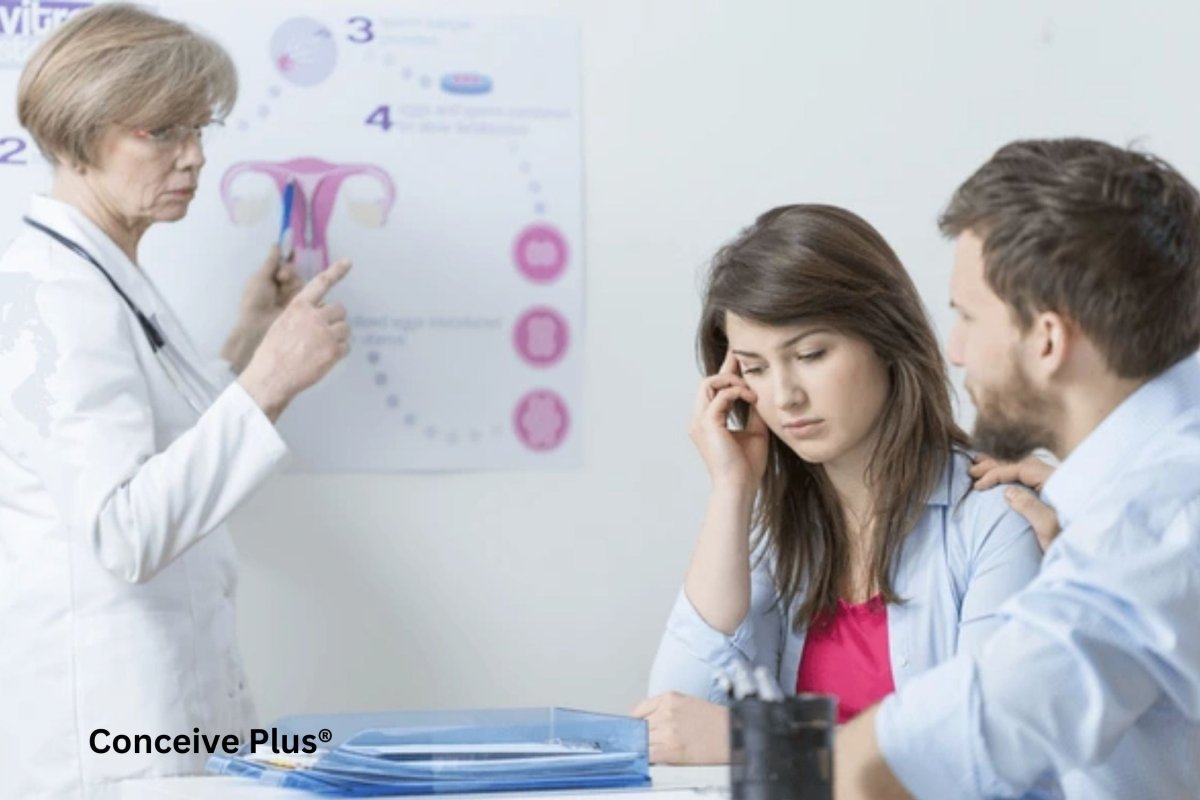

If you're trying to conceive, understanding an ovulation problem can be a game-changer. Ovulation is the process where an egg is released from the ovary, and this is crucial for pregnancy. But sometimes things go wrong. Recognizing the symptoms of ovulation disorder can really help. It can help you understand why you might be having trouble getting pregnant and what steps to take next.

FREE OVULATION CALCULATOR: Calculate Your Ovulation Days Here
What is an Ovulation Problem, Anyway?
So, an ovulation problem happens when something goes off with the regular release of eggs from the ovaries. This might mean your ovulation is irregular or doesn't happen at all (that's called anovulation). And guess what? Ovulation problems are one of the main reasons women struggle with fertility. They actually account for about 25% of infertility cases worldwide. That’s a lot! There are a bunch of reasons for these issues—hormonal imbalances, lifestyle choices, certain health conditions, you name it [1].
Spotting the Symptoms of Ovulation Disorder
Knowing the symptoms of ovulation disorder early on can make a big difference. Here’s what you should keep an eye out for:
- Irregular Periods: One big red flag for an ovulation problem is having an irregular or unpredictable period. If your menstrual cycle is all over the place or just doesn’t show up, that’s a sign [2].
- Trouble Getting Pregnant: If you’ve been trying for a while with no luck, that might be due to an ovulation issue. Without regular ovulation, it’s tough to get pregnant [3].
- Hormonal Imbalances: Things like acne, sudden weight gain, or losing hair can all point to a hormonal imbalance. Conditions like Polycystic Ovary Syndrome (PCOS) often show up with these symptoms, making it harder to ovulate normally [4].
Different Types of Ovulation Disorders
There are several different conditions that can cause an ovulation problem. It’s important to know what they are so you can get the right help.
Polycystic Ovary Syndrome (PCOS)
PCOS is a big one. It’s a condition that messes with your hormone levels, leading to irregular ovulation. Women with PCOS might have higher levels of androgens (those are male hormones), and this can lead to irregular periods, excess hair growth, acne, and even weight gain. If your ovaries don’t release eggs regularly, it’s gonna be hard to get pregnant.
Hypothalamic Amenorrhea
This one happens when the hypothalamus (that’s a part of your brain that controls reproductive hormones) stops working like it should. Why does it stop working? Sometimes it’s because of stress, sometimes it’s due to extreme weight loss or intense exercise. When this happens, periods can stop or become really infrequent [5].
Premature Ovarian Failure
Also known as primary ovarian insufficiency, this condition occurs when your ovaries stop functioning properly before age 40. It leads to lower estrogen production and irregular periods. Causes can include genetic issues, autoimmune diseases, or treatments like chemotherapy. And yeah, it’s kinda like early menopause.

✨ Trying to Conceive?
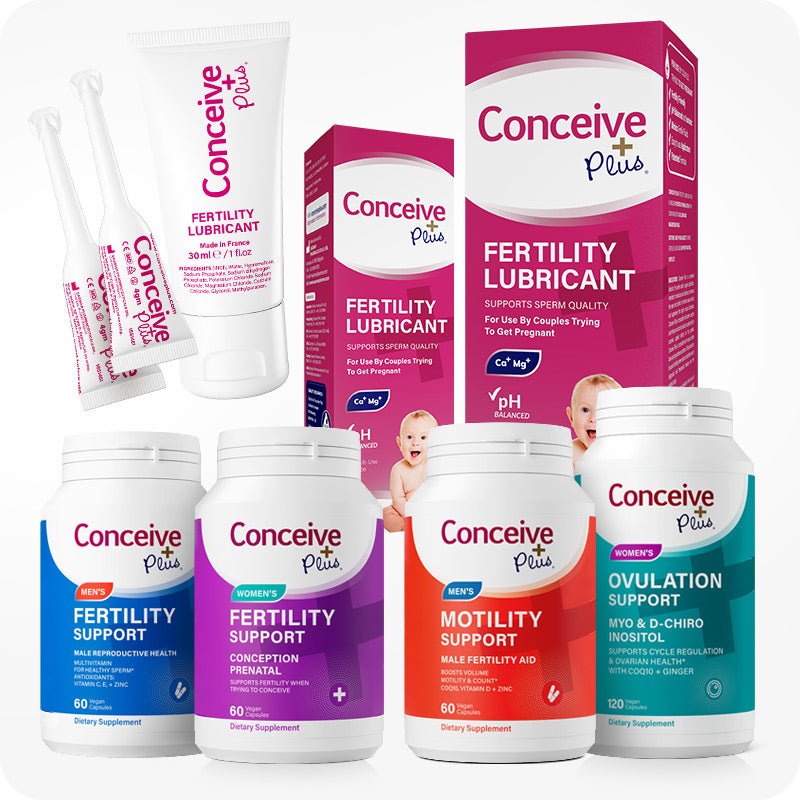
Our Ovulation & Fertility Bundle combines Myo-Inositol with essential vitamins to support healthy hormone balance and regular ovulation.
Shop Now — $55.00✓ Free shipping on orders over $40 | ✓ Trusted by millions of couples worldwide
If you're wondering what are the chances of getting pregnant on ovulation day, be sure to check out this article for a detailed look at ovulation timing and conception.

How to Deal with Ovulation Problems
Dealing with an ovulation problem isn’t just about one thing. It usually takes a mix of lifestyle changes, medical treatment, and sometimes supplements to get things back on track. Here’s a look at some strategies that can help.
Change Up Your Lifestyle
Sometimes, the answer is in the way we live. Keeping a healthy weight, managing stress better, and eating a balanced diet full of good stuff like fruits, veggies, and whole grains can help a lot. Avoiding smoking and cutting down on alcohol are also key steps in supporting your hormonal health.
Nutritional Boost
Certain nutrients are super important for reproductive health. For example, Folic Acid is crucial for DNA synthesis and cell growth, which supports healthy fetal development. Myo-Inositol and D-Chiro Inositol are also great, especially for women with PCOS, as they help improve insulin sensitivity and keep menstrual cycles more regular. And don’t forget about CoQ10—it’s an antioxidant that can protect your eggs from damage and boost egg quality.
If you're looking for natural ways to induce ovulation and regulate your cycle, check out this article for effective strategies that support healthy ovulation.
Medical Treatments
If lifestyle and supplements aren't enough, there are medical treatments that can help. Fertility medications, for instance, can stimulate ovulation and help regulate your menstrual cycle. In more challenging cases, assisted reproductive technologies like IVF might be necessary.

The Bottom Line
Figuring out if you have an ovulation problem and recognizing the symptoms of ovulation disorder can make a huge difference when you're trying to conceive. Knowing the signs, understanding the types of disorders, and knowing what steps to take can really help you in your fertility journey. With the right mix of lifestyle changes, nutritional support, and medical help, many women can overcome these challenges and get on the path to becoming parents.
FAQs
What are the common symptoms of ovulation disorder?
Irregular periods, trouble getting pregnant, and signs of hormonal imbalance like acne or excess hair growth are the big ones.
When should I see a doctor about ovulation problems?
If your periods are irregular or you've been trying to get pregnant for over a year with no luck (or six months if you're over 35), it's a good idea to see a healthcare provider.
What medical treatments are there for ovulation disorders?
There are fertility medications, hormone therapies, and assisted reproductive technologies like IVF, depending on what’s causing the problem.
FREE OVULATION CALCULATOR: Calculate Your Ovulation Days Here
Citations
- Fritz, M.A. and Speroff, L. (2011) Clinical Gynecologic Endocrinology and Infertility. 8th Edition, Lippincott Williams & Wilkins, Philadelphia. Available at: https://www.scirp.org/reference/referencespapers?referenceid=1665327
- Balen AH, Morley LC, Misso M, Franks S, Legro RS, Wijeyaratne CN, Stener-Victorin E, Fauser BC, Norman RJ, Teede H. The management of anovulatory infertility in women with polycystic ovary syndrome: an analysis of the evidence to support the development of global WHO guidance. Hum Reprod Update. Available at: https://pubmed.ncbi.nlm.nih.gov/27511809/
- Broekmans FJ, Knauff EA, Valkenburg O, Laven JS, Eijkemans MJ, Fauser BC. PCOS according to the Rotterdam consensus criteria: Change in prevalence among WHO-II anovulation and association with metabolic factors. BJOG. Available at: https://pubmed.ncbi.nlm.nih.gov/16972863/
- Legro RS, Arslanian SA, Ehrmann DA, Hoeger KM, Murad MH, Pasquali R, Welt CK; Endocrine Society. Diagnosis and treatment of polycystic ovary syndrome: an Endocrine Society clinical practice guideline. J Clin Endocrinol Metab. Available at: https://pubmed.ncbi.nlm.nih.gov/24151290/
- Roberts RE, Farahani L, Webber L, Jayasena C. Current understanding of hypothalamic amenorrhoea. Ther Adv Endocrinol Metab. Available at: https://www.ncbi.nlm.nih.gov/pmc/articles/PMC7418467/
Conceive Plus is the best place to buy myo-inositol online for the best myo-inositol supplements Conceive Plus Ovulation Support contains premium myo-inositol for sale. Order myo-inositol capsules online today to boost your ovulation and regulate hormones and menstrual cycles.
🌱 Support Your Fertility Journey
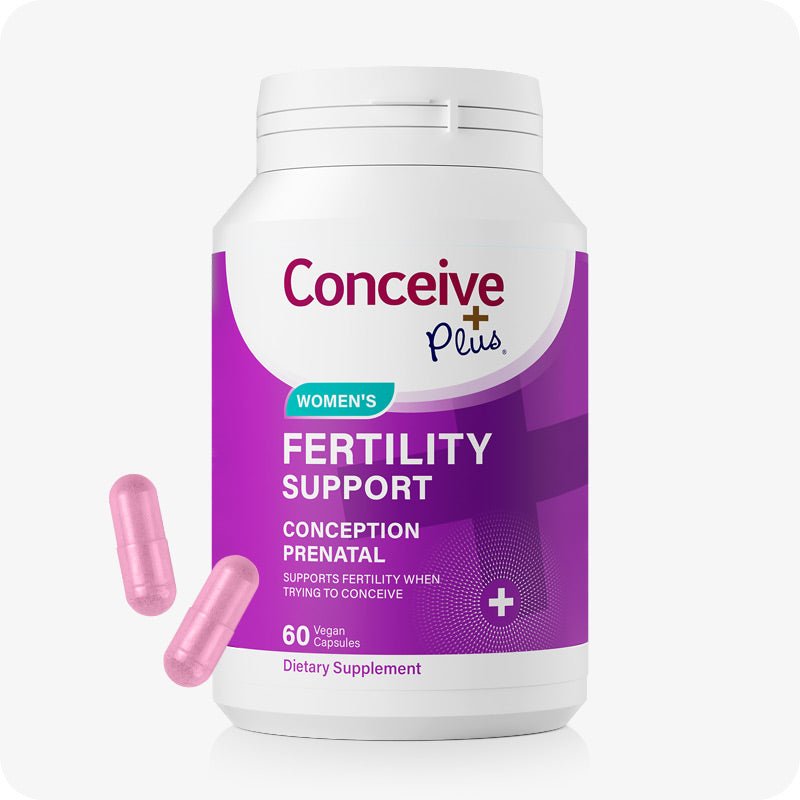
Conceive Plus fertility supplements are clinically formulated to help regulate your cycle and support egg quality.
Shop Fertility Support →Frequently Asked Questions
Recommended by Fertility Experts
Conceive Plus Men's Fertility Support
Designed to support healthy sperm production, motility, and overall male reproductive health with clinically studied nutrients.
Shop Now →Q: What are the most common signs of ovulation problems?
A: The most common signs of ovulation disorders include irregular or absent menstrual periods, unpredictable cycle lengths, and difficulty conceiving after 12 months of unprotected intercourse (or 6 months if over age 35). Other indicators may include abnormal bleeding patterns, hormonal imbalances affecting skin or hair, and lack of ovulation pain or cervical mucus changes that typically occur mid-cycle. According to the American Society for Reproductive Medicine (ASRM), ovulation disorders account for approximately 25% of infertility cases, making them one of the most common fertility issues among women trying to conceive.
Q: How can I tell if I'm ovulating or not?
A: There are several reliable methods to track ovulation, including monitoring basal body temperature, tracking cervical mucus changes, and using ovulation predictor kits that detect the luteinizing hormone (LH) surge. Digital fertility monitors and apps can also help identify your ovulation window by analyzing multiple fertility signs. If you're uncertain about your ovulation patterns, a healthcare provider can perform blood tests to measure progesterone levels or use transvaginal ultrasound to directly visualize follicle development—both gold-standard methods recognized by fertility specialists.
Q: What causes ovulation problems in women?
A: Ovulation problems can result from various conditions including polycystic ovary syndrome (PCOS), which affects approximately 8-13% of reproductive-age women in the US, thyroid disorders, elevated prolactin levels, and primary ovarian insufficiency. Additional causes include hormonal imbalances, excessive exercise, severe stress, obesity, and certain medications. Lifestyle factors such as poor nutrition, inadequate micronutrient intake, and hormonal dysfunction can all interfere with the delicate balance needed for regular ovulation, which is why supporting overall reproductive health through proper supplementation and nutrition is important.
Q: Should I see a fertility doctor if I suspect an ovulation problem?
A: Yes, you should consult a fertility specialist if you've been trying to conceive for 12 months without success (or 6 months if you're over 35), or if you have irregular periods that suggest ovulation problems. A reproductive endocrinologist can perform comprehensive testing including hormone panels, pelvic ultrasounds, and ovulation studies to identify the underlying cause. Early diagnosis is crucial because many ovulation disorders are highly treatable, and a fertility specialist can recommend appropriate interventions ranging from lifestyle modifications to medications like Clomiphene citrate that promote regular ovulation.
Q: Can supplements help with ovulation problems?
A: While supplements cannot replace medical treatment for diagnosed ovulation disorders, certain nutritional supplements can support reproductive health and optimize fertility when used alongside medical care. Research shows that specific micronutrients including inositol, vitamin D, CoQ10, and antioxidants may support egg quality and hormonal balance in women trying to conceive. Products like Conceive Plus fertility supplements are formulated with key nutrients designed to support reproductive wellness, but they work best as part of a comprehensive approach that includes a healthy diet, appropriate medical treatment, and lifestyle modifications recommended by your healthcare provider.
Trusted by Couples in Over 70 Countries
Support Male Fertility From the Inside Out
Male fertility is just as important as female fertility in the conception journey. Conceive Plus Men's range delivers targeted nutritional support to promote healthy sperm and overall reproductive wellbeing.
Shop Men's Range →