Ovulation Headache: Causes, Remedies, and Signs of Ovulation


Many women experience headaches in the middle of their menstrual cycle and worry about the causes of it. The headaches during this time are often due to ovulation [1].
You might ask, how can ovulation cause headaches? The answer is simple: Ovulation is a time when sudden hormonal changes occur in a female body. These hormonal changes then lead to headaches and several other characteristic symptoms, like nausea after ovulation [2]. Headaches and all other signs of ovulation are important since they help you track ovulation.
In this article, we will understand the mechanism of how ovulation leads to headaches, how to improve ovulation headache, and what other signs can help you detect ovulation.

The Importance of Ovulation Detection
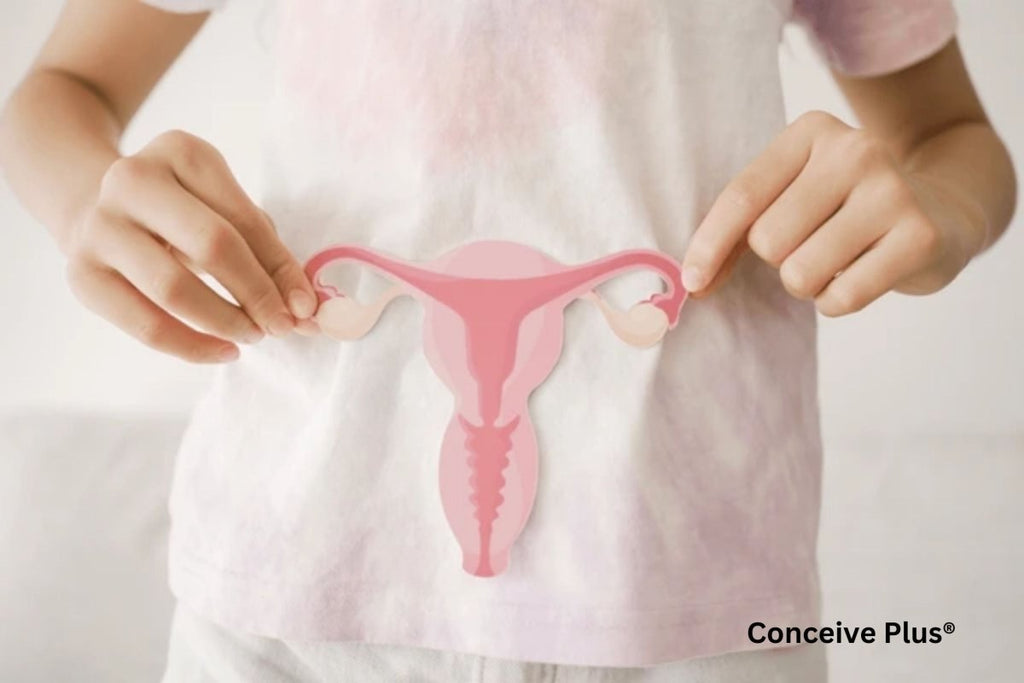
Ovulation is a crucial part of the menstrual cycle for any woman since it is the time when she is most fertile. Ovulation occurs when a mature egg is released from the ovary, making it available for fertilization [3].
Typically, ovulation happens around the middle of the menstrual cycle, for example, on day 14 of the 28-day cycle. However, the exact timing can vary for each woman depending on factors like hormonal imbalance and health conditions like PCOS [4].
Hormones such as estrogen and luteinizing hormone (LH) rise at specific times in the menstrual cycle to trigger ovulation. A woman is considered most fertile during her ovulation days since it is the time when a live egg is available for sperm to fertilize. This is why ovulation detection and planning intercourse around those days can significantly improve your chances of conception.
While ovulation is essential for reproduction, hormonal shifts during this phase can sometimes lead to physical symptoms, including headaches. These symptoms do serve as an indicator of ovulation but can be frustrating in some cases.

Causes of Headache After Ovulation
Headaches after ovulation are considered to be associated with hormonal changes. Here are some common reasons why headaches might occur following ovulation:
-
Hormonal Imbalance
One of the main reasons for headaches after ovulation is the fluctuation in estrogen and progesterone levels. After ovulation, estrogen levels drop, and progesterone levels rise to prepare the body for a possible pregnancy.
Studies show that estrogen levels regulate pain receptors in the brain, and a sudden drop in estrogen can trigger headaches in some women [5].
-
Migraine Sensitivity
Women who are prone to migraines may experience headaches more frequently during the ovulation phase of the menstrual cycle. Studies show that the drop in estrogen after ovulation can act as a trigger for migraines [6]. This condition is especially common in those who have a history of hormone-related headaches.
-
Dehydration
Ovulation can sometimes lead to mild dehydration due to changes in body temperature and increased metabolism. Headache is one of the symptoms of dehydration, and it can worsen in women already sensitive to hormonal shifts.
-
Stress
Many women experience stress-related symptoms during different phases of the menstrual cycle, which can also contribute to headaches. Stress can amplify or enhance the impact of hormonal changes and contribute to post-ovulation headaches.
-
Blood Sugar Imbalances
Studies show that hormonal fluctuations, especially during ovulation, can affect blood sugar levels [7]. Low or fluctuating blood sugar can trigger headaches, especially when you skip or delay your meals.

How to Improve Ovulation Headaches?
If you experience headaches after ovulation, there are several remedies that can help you reduce the frequency and intensity of the pain. These include:
-
Stay Hydrated
Drink plenty of water throughout the day to prevent dehydration and headaches associated with dehydration. Adding electrolyte-rich drinks can also help maintain hydration levels, especially if you experience symptoms like fatigue after ovulation or lightheadedness during this time.
-
Manage Stress
Studies show that women who undergo stress during ovulation have significantly lower chances of conception [8]. This means that stress is not only a contributor to headaches, but it can also harm fertility. Practicing relaxation techniques such as yoga, meditation, or deep breathing exercises can help relieve stress, minimize tension headaches, and improve overall well-being.
-
Eat Balanced Meals
Maintain stable blood sugar levels by eating small, frequent meals rich in protein, healthy fats, and complex carbohydrates. A healthy nutrient supply can also improve hormonal fluctuations and prevent associated symptoms, including headaches [9]. On the other hand, avoid processed foods and sugary snacks, which can cause blood sugar spikes and crashes.

✨ Think You Might Be Pregnant?
Get fast, accurate results up to 6 days before your missed period with our early detection pregnancy test.
Shop Now — $9.80✓ Free shipping on orders over $40 | ✓ Trusted by millions of couples worldwide
-
Use Over-the-Counter Pain Relievers
Ovulation headaches usually go away on their own, but if you find them frustrating, you can get over-the-counter pain relievers like ibuprofen or acetaminophen for relief. However, it’s best to consult a doctor for evaluation of your condition and prescription if headache after ovulation persists or worsen.
-
Apply Heat or Cold Therapy
A warm compress on the neck and shoulders can relieve tension headaches. Similarly, a cold pack on the forehead or temples may help ease migraine pain.
-
Consider Magnesium Supplements
A 2020 study shows that magnesium can help reduce the frequency and severity of headaches [10]. We recommend you consult with your doctor about taking magnesium supplements, especially if you experience hormonal migraines during ovulation.
Other Signs of Ovulation
In addition to headache during ovulation, there are several signs that most women experience during ovulation days. Recognizing and understanding these signs can help you better understand your menstrual cycle and identify your ovulation days accurately.
Here are some common signs that you may experience around ovulation days:
- Changes in Cervical Mucus: Cervical mucus is a thick discharge from the cervix that you notice at the opening of the vagina. This mucus is usually thick and prevents the entry of harmful foreign agents into the uterus. However, around the ovulation days, cervical mucus becomes clearer, stretchy, and similar to egg whites [11]. This change helps sperm travel more easily to the egg.
- Mild Pelvic Pain: Some women experience mild pain in the pelvis or one side of the lower abdomen around the ovulation days. This is called ovulation pain or mittelschmerz. This pain typically lasts a few hours to a day and is a characteristic sign of ovulation.
- Increased Libido: Women often experience enhanced energy and increased libido or sex drive around ovulation days. This is believed to be the body’s way of facilitating intercourse and increasing the chances of conception.
- Breast Tenderness: Hormonal changes during ovulation can cause sensitivity or tenderness in the breasts. One prominent change during ovulation days is the darkening of the area around the nipples, called the areola. If you experience these changes in the middle of your menstrual cycle, it is an indication that you are in your most fertile days. These changes can sometimes be confused with early signs of nipple pregnancy, which also include tenderness and sensitivity.
- Basal Body Temperature Changes: The basal body temperature (BBT) typically rises slightly after ovulation due to increased progesterone levels. If you monitor your resting temperature every morning, it can help you understand your menstrual cycle and detect ovulation days.
- Positive Ovulation Test Results: For women who can't detect ovulation based on symptoms, there are ovulation predictor kits available to help them accurately detect ovulation day. These test kits detect the surge in LH that occurs before ovulation. A positive result indicates that ovulation is likely to happen within the next 12-36 hours.

When to See a Doctor
From reports, it is evident that occasional headaches after ovulation are normal and go away soon after the hormonal levels start to balance again. However, frequent or severe headaches may require medical attention.
In the following cases, you must immediately consult your doctor:
- Severe headache after ovulation that interfere with your daily activities
- Headaches that are accompanied by other concerning symptoms, such as vision changes or dizziness
- When over-the-counter medications do not provide relief
- When you also experience headaches during other phases of your menstrual cycle in addition to ovulation
Conclusion
Many women experience headaches after ovulation, which are mainly caused by hormonal fluctuations, dehydration, stress, or other factors related to the menstrual cycle. Ovulation headache is temporary and go without the need for any medical intervention in most cases.
In addition to headaches, ovulation can also cause symptoms like cervical mucus changes, increased basal body temperature, and breast tenderness. These symptoms can be discomforting, but they can help you understand your menstrual cycle and identify your ovulation days.
Remember that being able to detect your ovulation days and planning intercourse accurately can significantly improve your chances of getting pregnant.
FAQs
-
When do ovulation headaches occur?
Mild headaches are normal symptoms after the ovulation day due to hormonal fluctuations. However, if headaches are severe or persistent, you must consult your doctor to understand the reason.
-
How can I relieve ovulation headaches?
You can relieve headaches by staying hydrated, managing stress, eating balanced meals, using heat or cold therapy, and taking over-the-counter pain relievers. Magnesium supplements can also help improve headaches caused by hormonal imbalances.
-
What is the connection between ovulation and migraines?
The estrogen levels drop significantly after ovulation. This drop can trigger migraines in women who are sensitive to hormonal changes or have a history of migraines.
Resources Used
- Raffaelli, B., Phu, T., DO, Chaudhry, B. A., Ashina, M., Amin, F. M., & Ashina, H. (2023). Menstrual migraine is caused by estrogen withdrawal: revisiting the evidence. The Journal of Headache and Pain, 24(1). https://doi.org/10.1186/s10194-023-01664-4
- Owen, M. (2013). Physiological Signs of Ovulation and Fertility Readily Observable by Women. The Linacre Quarterly, 80(1), 17–23. https://doi.org/10.1179/0024363912z.0000000005
- Holesh, J. E., Bass, A. N., & Lord, M. (2023h, May 1). Physiology, Ovulation. StatPearls - NCBI Bookshelf. https://www.ncbi.nlm.nih.gov/books/NBK441996/
- UpToDate. (n.d.). UpToDate. https://www.uptodate.com/contents/polycystic-ovary-syndrome-pcos-beyond-the-basics/print
- Aggarwal, M., Puri, V., & Puri, S. (2012). Serotonin and CGRP in Migraine. Annals of Neurosciences, 19(2). https://doi.org/10.5214/ans.0972.7531.12190210
- Reddy, N., Desai, M. N., Schoenbrunner, A., Schneeberger, S., & Janis, J. E. (2021). The complex relationship between estrogen and migraines: a scoping review. Systematic Reviews, 10(1). https://doi.org/10.1186/s13643-021-01618-4
- Lin, G., Siddiqui, R., Lin, Z., Blodgett, J. M., Patel, S. N., Truong, K. N., & Mariakakis, A. (2023). Blood glucose variance measured by continuous glucose monitors across the menstrual cycle. Npj Digital Medicine, 6(1). https://doi.org/10.1038/s41746-023-00884-x
- Louis, G. M. B., Lum, K. J., Sundaram, R., Chen, Z., Kim, S., Lynch, C. D., Schisterman, E. F., & Pyper, C. (2010). Stress reduces conception probabilities across the fertile window: evidence in support of relaxation. Fertility and Sterility, 95(7), 2184–2189. https://doi.org/10.1016/j.fertnstert.2010.06.078
- Skoracka, K., Ratajczak, A. E., Rychter, A. M., Dobrowolska, A., & Krela-Kaźmierczak, I. (2021b). Female Fertility and the Nutritional Approach: The Most Essential Aspects. Advances in Nutrition, 12(6), 2372–2386. https://doi.org/10.1093/advances/nmab068
- Maier, J. A., Pickering, G., Giacomoni, E., Cazzaniga, A., & Pellegrino, P. (2020). Headaches and Magnesium: Mechanisms, Bioavailability, Therapeutic Efficacy and Potential Advantage of Magnesium Pidolate. Nutrients, 12(9), 2660. https://doi.org/10.3390/nu12092660
- Najmabadi, S., Schliep, K. C., Simonsen, S. E., Porucznik, C. A., Egger, M. J., & Stanford, J. B. (2021b). Cervical mucus patterns and the fertile window in women without known subfertility: a pooled analysis of three cohorts. Human Reproduction, 36(7), 1784–1795. https://doi.org/10.1093/humrep/deab049
🌱 Get Answers Early
Millions of women trust Conceive Plus for their fertility journey. Clinically validated pregnancy tests delivered to your door.
Shop Pregnancy Tests →Frequently Asked Questions
Recommended by Fertility Experts
Conceive Plus Men's Fertility Support
Designed to support healthy sperm production, motility, and overall male reproductive health with clinically studied nutrients.
Shop Now →Q: Why do I get headaches during ovulation?
A: Ovulation headaches occur due to the dramatic fluctuation in estrogen levels that happens mid-cycle, typically 12-24 hours before ovulation. According to the American College of Obstetricians and Gynecologists (ACOG), this hormonal surge can trigger migraines and tension headaches in approximately 35-40% of women who menstruate. The sudden drop in estrogen after the LH surge is particularly responsible for triggering these headaches. Understanding this connection helps you distinguish ovulation headaches from other causes and better track your fertile window for conception planning.
Q: How long do ovulation headaches typically last?
A: Most ovulation-related headaches last between a few hours to 2-3 days, with the most intense pain typically occurring around the time of ovulation itself. The duration varies significantly among individuals—some women experience a brief sharp headache lasting only a few hours, while others may have a persistent dull ache lasting up to 72 hours. If your headaches extend beyond 3-4 days or are accompanied by vision changes, seek medical advice to rule out other conditions. Tracking your headache patterns alongside your cycle can help you predict when ovulation will occur, which is particularly useful when using fertility supplements like Conceive Plus as part of your conception strategy.
Q: What are other signs of ovulation besides headaches?
A: Beyond headaches, common ovulation signs include changes in cervical mucus (becoming clear and stretchy, similar to egg white), a slight rise in basal body temperature (0.5-1.0°F), mild pelvic or lower abdominal pain called mittelschmerz, and increased libido. According to research from the American Society for Reproductive Medicine (ASRM), about 20% of women experience mittelschmerz pain during ovulation, and many notice heightened breast tenderness and mood changes. Cervical mucus changes are considered one of the most reliable indicators of fertility, as this mucus helps sperm survival and transport. Recognizing multiple ovulation signs together creates a comprehensive picture of your fertile window, making it an ideal time to optimize conception efforts with proper nutrition and fertility support supplements.
Q: Can I prevent ovulation headaches naturally?
A: Yes, several natural approaches can help reduce ovulation headaches, including staying well-hydrated, applying warm or cold compresses, practicing stress-reduction techniques like yoga or meditation, and ensuring adequate sleep during your cycle. Some women find relief through dietary adjustments, such as increasing magnesium intake or reducing caffeine consumption, which may help regulate hormonal fluctuations. Regular exercise throughout your menstrual cycle can also help stabilize hormone levels and reduce headache severity. Additionally, maintaining nutritional support with vitamins and minerals—including those found in quality fertility supplements—may help promote hormonal balance and reduce cycle-related discomfort.
Q: Should I see a doctor about my ovulation headaches?
A: You should consult a healthcare provider if your ovulation headaches are severe, disabling, accompanied by vision changes or neurological symptoms, or if they represent a new pattern in your cycle. While most ovulation headaches are benign, they can sometimes indicate hormonal imbalances or other underlying conditions that may affect fertility, according to ACOG guidelines. A fertility specialist can help determine if your headaches are truly ovulation-related or if they warrant further investigation, especially if you're actively trying to conceive. Your doctor can also provide personalized recommendations for pain management and evaluate whether hormonal support or nutritional interventions—such as prenatal vitamins and fertility-specific supplements—would be beneficial for your specific situation.
Trusted by Couples in Over 70 Countries
Support Male Fertility From the Inside Out
Male fertility is just as important as female fertility in the conception journey. Conceive Plus Men's range delivers targeted nutritional support to promote healthy sperm and overall reproductive wellbeing.
Shop Men's Range →