How to Use an Ovulation Calculator to Detect Ovulation?
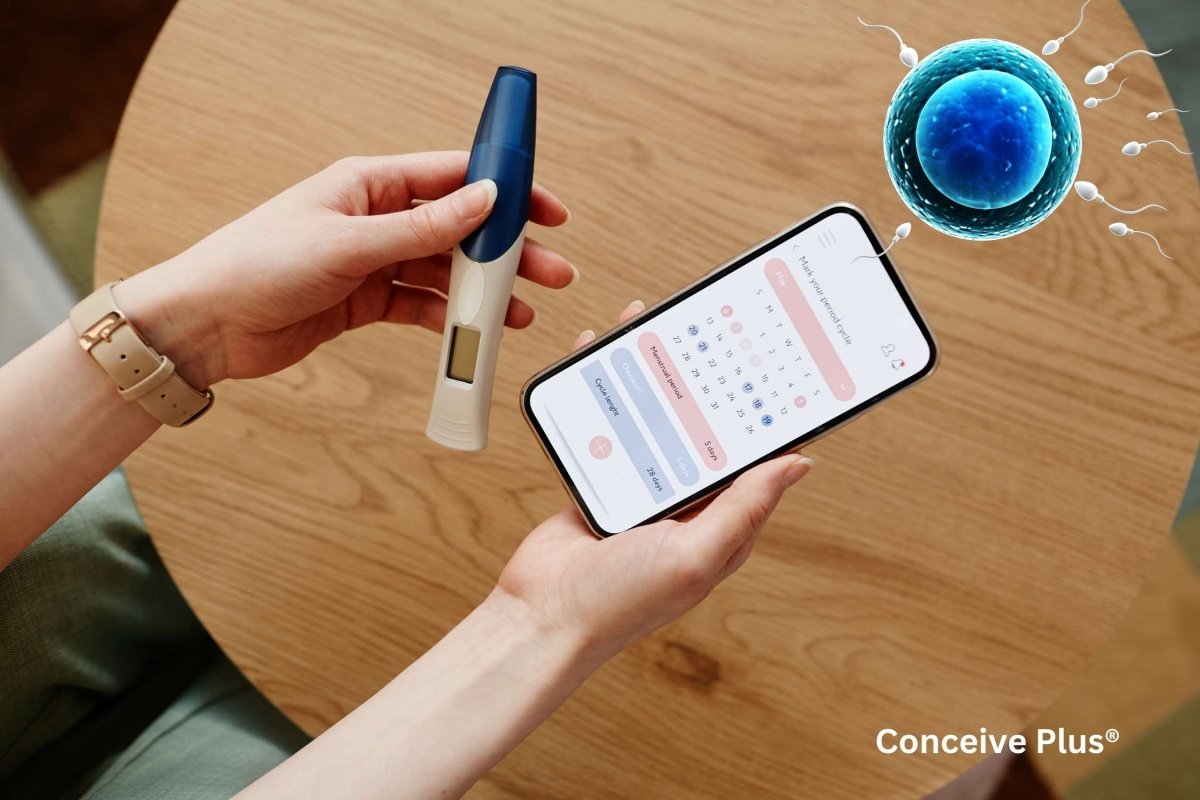

Ovulation is the process in a female menstrual cycle where one of the two ovaries releases a mature egg. This event occurs once in the middle of the cycle, and it is the time when a female is most fertile.
The importance of this event makes many women ask, "when do I ovulate?" or "when do you ovulate?" The answer to this question varies depending on the individual asking. Typically, ovulation occurs about 14 days before your next period, but the exact day can differ from cycle to cycle [1].
Since ovulation is the time when your chances of pregnancy are maximum, the calculation of ovulation is critical for those planning to conceive. An ovulation calculator or ovulation tracker can help you detect ovulation through ovulation-related changes in your body.

Recognizing the Signs of Ovulation
Your body shows many signs as an indication of ovulation. Some women may experience all these signs, while others may experience a few of these. The signs include:
-
Change in Cervical Mucus
Cervical mucus is the fluid secreted by glands in the cervix that play multiple roles. This fluid protects the female reproductive tract by preventing the entry of harmful bacteria into the uterus.
Another major role of cervical fluid is that it assists conception. During ovulation, cervical mucus becomes thin, clear, and stretchy — similar to raw egg whites [2]. This change in cervical mucus helps sperm swim easily toward the egg, increasing your chances of getting pregnant. You can detect ovulation by closely observing these changes in the cervical fluid.
-
Rise in Basal Body Temperature
Basal body temperature is your body's temperature in the morning, right after waking up from sleep. After ovulation, many women notice a slight rise in their basal body temperature.
This change in temperature is triggered by an increase in progesterone hormone that occurs after ovulation. You can identify your most fertile days by tracking basal body temperature every morning near ovulation.
-
Mittelschmerz (Ovulation Pain)
Mittelschmerz is the name for ovulation pain that around 40% of women experience during ovulation [3]. This pain is considered to be triggered by the rupture of the egg-containing follicle in the ovary. Ovulation pain is felt on one side of the pelvis, the side where the ovary releases the egg that month, and is usually mild.
-
Increased Libido
It is common for women to find that their sexual desire increases during ovulation. This natural boost in libido is considered as the body's way of enhancing the chances for conception. It occurs because of different ovulation-related hormonal changes.
-
Other Potential Signs
Some women may experience a small amount of light bleeding or spotting during ovulation. It is light pink in color and is easily distinguishable from period blood. Hormonal changes associated with ovulation can also cause breast tenderness or soreness.
Another sign of ovulation in some is bloating. Some women report feeling bloated or experiencing fluid retention around the time of ovulation. You may also notice a heightened sense of smell, taste, or sight during ovulation.

How to Track Ovulation?
There are several ways you can test for ovulation. One popular method is using ovulation predictor kits. These kits detect the surge in luteinizing hormone (LH) that occurs just before ovulation [4].
To test ovulation using an ovulation predictor kit, you just have to dip the test strip into your urine sample. It is recommended to take the test with the sample from the first-morning urine, as it has higher amounts of LH. If the test results are positive, it indicates that you will likely ovulate the next day [5].
In addition to ovulation predictor kits, many women also use a free ovulation calculator online. Such online tools ask questions related to the length of your cycle to predict your fertile window. Different fertility apps also help you track your cycle and detect your most fertile days.
Using an Ovulation Calculator
An accurate ovulation calculator is a helpful tool for anyone trying to conceive. When you enter details such as the start and end dates of your period, the calculator uses the calculation of ovulation to estimate when you are most fertile. There are many calculator for ovulation available online that are free and easy to use.

✨ Trying to Conceive?
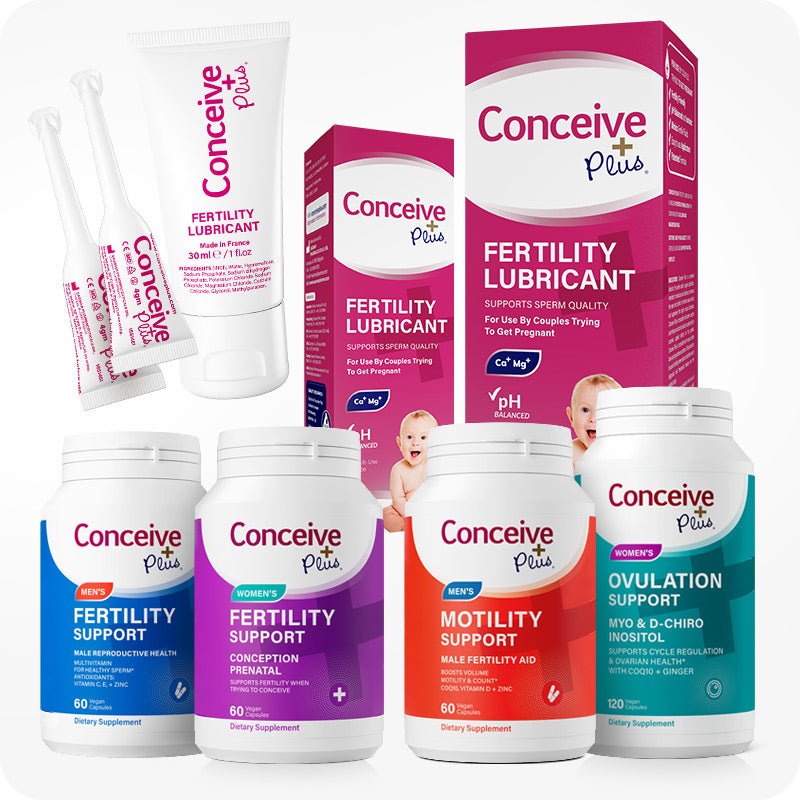
Our Ovulation & Fertility Bundle combines Myo-Inositol with essential vitamins to support healthy hormone balance and regular ovulation.
Shop Now — $55.00✓ Free shipping on orders over $40 | ✓ Trusted by millions of couples worldwide
A good ovulation tracker or ovulation calendar will show you the estimated ovulation day and the fertile window around it [6]. These tools are especially useful if you have irregular cycles.
By keeping track of your cycle over several months, you can spot patterns and make more informed decisions about timing intercourse. The accuracy of such tools is why many couples use a fertility calculator to plan their family.
When Is the Best Time to Have Sex?
Observing and understanding the timing of ovulation can help answer questions like "when is the best time to get pregnant?" and "when to have sex during ovulation".
Sperm can survive inside the female reproductive system for up to five days. In contrast, a female egg can only survive for 12 to 24 hours [6]. Therefore, having sex during the fertile window — the days leading up to and including ovulation — increases your chance of pregnancy.
Experts often recommend that couples have intercourse regularly during this period. You might wonder, "how many times should you have sex during ovulation?" Some reports suggest that having sex every other day during the fertile window makes conception more likely [7].
This frequency ensures that healthy sperm is always available when the egg is released. Additionally, knowing the best time to have sex to get pregnant can relieve stress and improve the overall experience of physical intimacy.

How Long After Ovulation Can You Get Pregnant?
Once ovulation occurs, the egg remains viable for about 12 to 24 hours. This means that intercourse shortly after ovulation can result in pregnancy, but the chances drop rapidly after this short timeframe. Many women ask, "can I get pregnant after ovulation?"
The answer is yes, but the likelihood is much lower once the egg has aged. Understanding how many days after ovulation can you get pregnant helps couples plan their timing better.
Some online resources even offer a pregnancy chance calculator to help you estimate your odds based on timing. These tools use data about chances of getting pregnant while ovulating and the days surrounding it to give you an idea of your fertile window. Remember, your best chance is when the egg is fresh, which is why timing intercourse during ovulation is critical for conception.
For more insights into accurately tracking the days past ovulation and understanding implantation timing, check out our guide on DPO calculator for expert tips to further refine your fertility planning.
The Role of Cervical Mucus in Fertility
As discussed earlier, the cervical mucus plays a very important role in conception. When it is thin and stretchy, it acts like a natural lubricant and helps sperm swim through the cervix to meet the egg [2].
However, if the mucus is thick and sticky, it can block sperm and lower your chances of getting pregnant. This is why the consistency of your cervical mucus is so important. So, can you only get pregnant during ovulation?
The answer is that while ovulation is the peak time for fertility, the quality of cervical mucus during this time makes a big difference. If your cervical mucus is optimal, your sperm can travel more easily, improving your chances of success.
On the other hand, if your mucus is not ideal, even intercourse on the most fertile day might not result in pregnancy. Tools like an ovulation calculator and ovulation tracker help you monitor these changes and adjust your intercourse timing accordingly.
Increasing Your Chances with Regular Tracking
When tracking ovulation, consistency helps you accurately predict your ovulation day and the fertile window around it. Using an ovulation calculator regularly can help you build a clear picture of your cycle.
Over time, you will notice patterns in ovulation and the changes in your cervical mucus. Combining data from basal body temperature tracking, cervical mucus observation, and an ovulation predictor can give you a more accurate understanding of your fertile window.
Regular tracking also helps answer important questions like "how many days after your period can you get pregnant?" Although it is possible to conceive shortly after your period, the chance is much lower compared to your fertile window.
Importance of Fertility Calculators in Understanding Fertility
Modern technology has made it easy to use various tools to understand your fertility. A free ovulation calculator can take the guesswork out of the calculation of ovulation.
By simply entering the start and end dates of your menstrual cycle, you can get an estimate of your fertile window. This estimate helps you know when is the ideal time to get pregnant or when is the best time to get pregnant.
If you're worried about conceiving, and want to know what are my chances of getting pregnant calculator can offer personalized insights, and chances of getting pregnant calculator can help you estimate your fertility based on your cycle pattern. Such calculators can also indicate chances of getting pregnant on ovulation day versus the days before and after.
For even more clarity on pinpointing your conception day, check out our article on reverse due date calculator to learn how this tool can reveal when you conceived.
The Bottom Line
Tracking ovulation is an essential part of understanding your reproductive cycle and fertility. With tools like an ovulation calculator or calendar for ovulation, you can get a clear picture of when you ovulate and when you are most fertile.
Your body also shows different signs of ovulation, making it easier for you to predict your most fertile days. Planning intercourse within the fertile window makes conception more likely, highlighting the importance of ovulation calculators in female fertility.
If, even with the help of different ovulation-predicting tools, you struggle to detect your ovulation day, we recommend seeking help from a fertility specialist. This will allow for a detailed evaluation of your fertility health and help identify any underlying issues that may be affecting ovulation.
FAQs
-
When are you least likely to get pregnant?
A woman is least likely to get pregnant when least fertile days, which typically occur right before and after her period. During these days, there is no egg available for fertilization, making conception less likely.
-
How many times to have sex to get pregnant?
Daily sex can slightly increase your chances, but since sperm can live in the female reproductive tract for up to five days, every-other-day intercourse is usually enough.
Resources Used
- Holesh, J. E., Bass, A. N., & Lord, M. (2023b, May 1). Physiology, ovulation. StatPearls - NCBI Bookshelf. https://www.ncbi.nlm.nih.gov/books/NBK441996/
- Professional, C. C. M. (2025, March 31). Cervical mucus. Cleveland Clinic. https://my.clevelandclinic.org/health/body/21957-cervical-mucus
- Brott, N. R., & Le, J. K. (2023, May 1). Mittelschmerz. StatPearls - NCBI Bookshelf. https://www.ncbi.nlm.nih.gov/books/NBK549822/
- Su, H., Yi, Y., Wei, T., Chang, T., & Cheng, C. (2017). Detection of ovulation, a review of currently available methods. Bioengineering & Translational Medicine, 2(3), 238–246. https://doi.org/10.1002/btm2.10058
- Erden, M., Mumusoglu, S., Polat, M., Ozbek, I. Y., Esteves, S. C., Humaidan, P., & Yarali, H. (2022). The LH surge and ovulation re-visited: a systematic review and meta-analysis and implications for true natural cycle frozen thawed embryo transfer. Human Reproduction Update, 28(5), 717–732. https://doi.org/10.1093/humupd/dmac012
- Pregnancy - identifying fertile days: MedlinePlus Medical Encyclopedia. (n.d.). https://medlineplus.gov/ency/article/007015.htm
- Trying to get pregnant? Here’s when to have sex. (n.d.). ACOG. https://www.acog.org/womens-health/experts-and-stories/the-latest/trying-to-get-pregnant-heres-when-to-have-sex
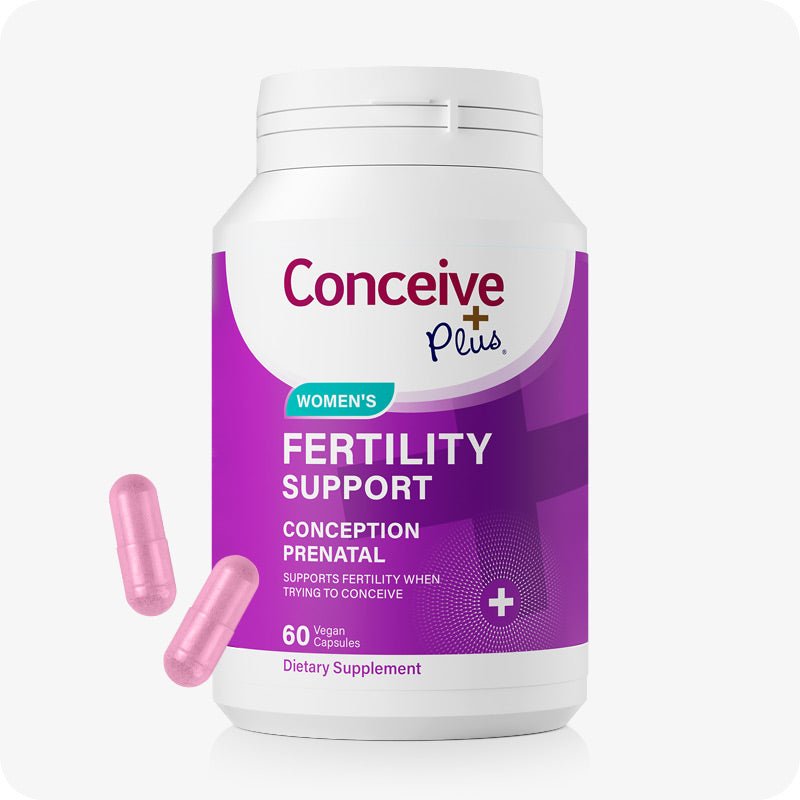
🌱 Support Your Fertility Journey
Conceive Plus fertility supplements are clinically formulated to help regulate your cycle and support egg quality.
Shop Fertility Support →Frequently Asked Questions
Recommended by Fertility Experts
Conceive Plus Men's Fertility Support
Designed to support healthy sperm production, motility, and overall male reproductive health with clinically studied nutrients.
Shop Now →Q: How do I calculate my ovulation cycle?
A: To calculate your ovulation cycle, start by tracking your menstrual cycle length for at least 3-6 months to identify patterns. The most common method is the calendar method: count the number of days from the first day of your period to the first day of your next period, then subtract 14 days from your cycle length to estimate ovulation day. For example, if your cycle is 28 days long, ovulation typically occurs around day 14. According to the American Society for Reproductive Medicine (ASRM), most women ovulate 12-16 days before their next period, though this varies by individual. For more precise tracking, consider combining calendar calculations with physical signs like basal body temperature or cervical mucus changes.
Q: How do I work out when I ovulate?
A: Working out your ovulation date involves understanding your personal cycle patterns and using multiple detection methods for accuracy. The most reliable approaches include tracking your basal body temperature (which rises by 0.5-1.0 degrees Fahrenheit after ovulation), monitoring changes in cervical mucus consistency (which becomes clear and stretchy during fertile days), and using ovulation predictor kits (OPKs) that detect the luteinizing hormone (LH) surge 24-36 hours before ovulation. Research shows that combining two or more of these methods increases accuracy to approximately 95%, compared to calendar-only methods which have about 87% accuracy. Many women also use fertility apps that integrate these methods, and pairing careful tracking with fertility-supporting supplements like Conceive Plus can help optimize your conception efforts during your fertile window.
Q: What is the most accurate ovulation calculator?
A: The most accurate ovulation detection combines multiple methods rather than relying on a single calculator. While ovulation calculator apps are convenient, studies published in fertility journals show that combining cycle tracking with ovulation predictor kits provides the highest accuracy rate. Ovulation predictor kits detect the LH surge with approximately 99% accuracy, while fertility apps using calendar-based algorithms alone are only about 87% accurate. The gold standard for clinical purposes remains transvaginal ultrasound, which can pinpoint ovulation within 24 hours. For personal use, the best approach is using a fertility app alongside OPKs and basal body temperature tracking, potentially enhanced with nutritional support through supplements designed to support reproductive health.
Q: When do most women ovulate in their cycle?
A: Most women ovulate approximately 14 days before their next menstrual period, regardless of their total cycle length. For women with a standard 28-day cycle, ovulation typically occurs around day 14, making days 12-16 the most fertile window. However, according to the American College of Obstetricians and Gynecologists (ACOG), ovulation timing can vary considerably—occurring anywhere from day 8 to day 20 in cycles ranging from 21 to 35 days. About 25% of women experience variation in their ovulation timing by more than two days from cycle to cycle. This natural variability is why tracking your individual patterns is crucial for conception planning, and why maintaining overall reproductive health through proper nutrition and hydration—supported by fertility supplements—is beneficial for optimal fertility.
Q: How many days after my period do I ovulate?
A: The timing of ovulation after your period depends on your individual cycle length, but typically occurs 12-16 days after your period starts in most women. For a standard 28-day cycle, you would ovulate around day 14 of your cycle (approximately 12-14 days after menstruation begins). However, if you have a shorter 21-day cycle, ovulation might occur around day 7, while those with longer 35-day cycles may ovulate around day 21. The fertile window—when pregnancy is possible—spans about 5 days before ovulation and the day of ovulation itself, since sperm can survive up to 5 days in the reproductive tract. Understanding your personal cycle timing helps you plan conception efforts effectively and allows you to optimize conditions with proper hydration, nutrition, and fertility-focused supplements like Conceive Plus during your most fertile days.
Trusted by Couples in Over 70 Countries
Support Male Fertility From the Inside Out
Male fertility is just as important as female fertility in the conception journey. Conceive Plus Men's range delivers targeted nutritional support to promote healthy sperm and overall reproductive wellbeing.
Shop Men's Range →