Your Odds of Conceiving at Every Point in Your Cycle


During your period
For most women, ovulation starts about two weeks before the start of your period. This means that your period is generally too far ahead of ovulation to make conception from sex during your menstrual cycle possible.Pre-ovulation
Conception is possible in the pre-ovulation phase. This is because sperm can live for up to 5 days within cervical mucus. If you’re trying to conceive, you should have sex frequently (aim for every other day) in the week leading up to your ovulation. This usually starts at about day seven of your cycle.Ovulation

✨ Trying to Conceive?
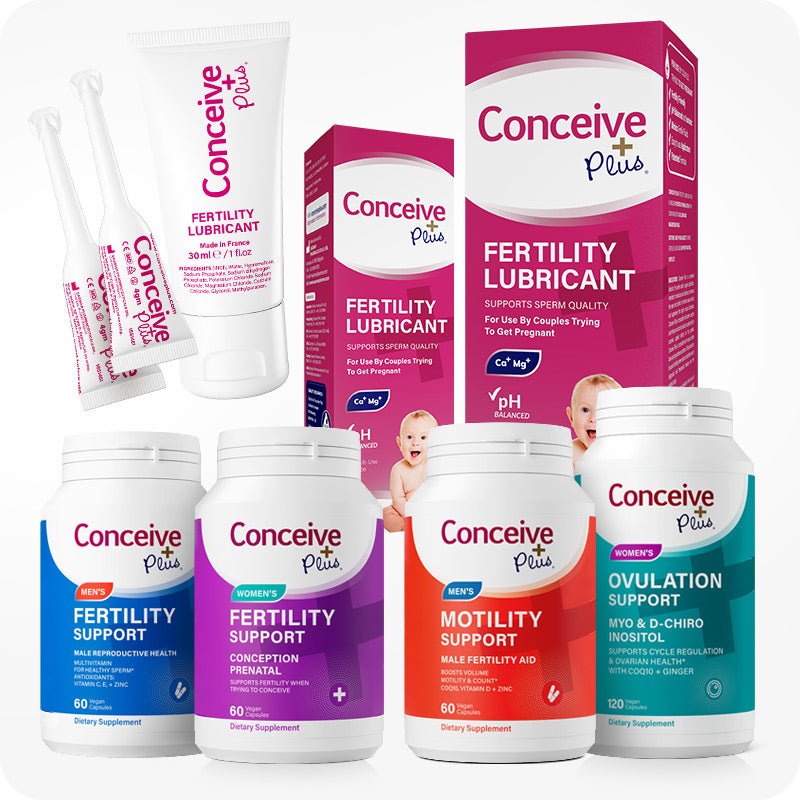
Our Ovulation & Fertility Bundle combines Myo-Inositol with essential vitamins to support healthy hormone balance and regular ovulation.
Shop Now — $55.00✓ Free shipping on orders over $40 | ✓ Trusted by millions of couples worldwide
Post-ovulation
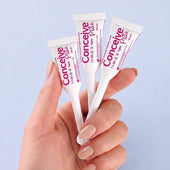
Eggs only survive for about 12 hours, so you may still be able to get pregnant in the day following ovulation. After that, your chances of conceiving are very low until your next cycle. myo-inositol help regulate ovarian cycle TTC pills by Conceive Plus
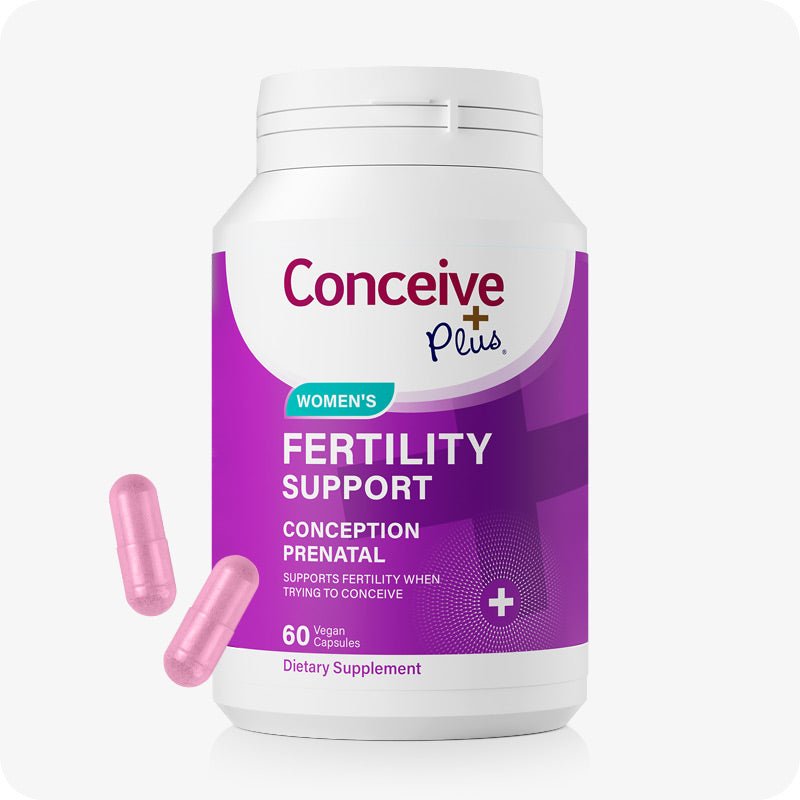
🌱 Support Your Fertility Journey
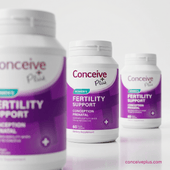
Conceive Plus fertility supplements are clinically formulated to help regulate your cycle and support egg quality.
Shop Fertility Support →Frequently Asked Questions
Recommended by Fertility Experts
Conceive Plus Men's Fertility Support
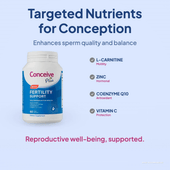
Designed to support healthy sperm production, motility, and overall male reproductive health with clinically studied nutrients.
Shop Now →Can you get pregnant during your period?
While it's unlikely, pregnancy during menstruation is possible in certain circumstances. Since ovulation typically occurs about 14 days before your next period, most women are too far from ovulation during their period for conception to occur. However, if you have a shorter cycle or irregular periods, sperm can survive long enough to fertilize an egg after your period ends, so protection is still recommended if you're not trying to conceive.
How long does sperm survive inside the female body?
Sperm can survive for up to 5 days in the cervical mucus of the female reproductive tract, which is why the 5-day window before ovulation is considered your fertile window. This extended lifespan is one reason why having sex several days before ovulation increases your chances of conception. After ovulation occurs, the cervical environment becomes less favorable for sperm survival.
What are the most reliable ways to track ovulation?
The most reliable ovulation tracking methods include ovulation predictor kits (which detect the LH surge), monitoring changes in cervical mucus consistency, and tracking basal body temperature (which rises about 0.5 degrees Fahrenheit after ovulation). Many fertility apps combine these methods for more accurate predictions. According to the American Society for Reproductive Medicine (ASRM), combining multiple tracking methods increases accuracy compared to relying on a single indicator.
How many days after ovulation can you still get pregnant?
You can conceive for approximately 12-24 hours after ovulation occurs, since eggs survive for only about 12 hours once released. After this window closes, pregnancy is not possible until your next cycle begins. This is why timing intercourse around ovulation—rather than after it—gives you the best chances of conception.
How often should we have sex when trying to conceive?
The American Society for Reproductive Medicine recommends having sex every other day during your fertile window, starting about a week before expected ovulation (around day 7 of your cycle). This frequency allows adequate sperm production while covering the entire 5-day fertile window. Daily intercourse is not necessary and may actually reduce sperm count, so every-other-day timing is considered optimal for conception.
What is basal body temperature and how does it help with fertility tracking?
Basal body temperature (BBT) is your lowest body temperature, measured immediately upon waking before any activity. Your BBT rises by about 0.5 degrees Fahrenheit after ovulation due to increased progesterone, serving as a reliable indicator that ovulation has occurred. However, BBT tracking works best retrospectively to confirm ovulation has happened, so it's often combined with other methods like ovulation predictor kits for predicting fertile days in advance.
Is it possible to have an irregular cycle and still predict ovulation?
Yes, even with irregular cycles, ovulation can be predicted using ovulation predictor kits, cervical mucus monitoring, or basal body temperature tracking, though prediction may be more challenging. If your cycles vary significantly in length, working with a fertility specialist or using a fertility app designed for irregular cycles can help you identify patterns. Many women with irregular cycles successfully conceive by using these tracking methods rather than relying on calendar-based predictions alone.
Trusted by Couples in Over 70 Countries
Support Male Fertility From the Inside Out
Male fertility is just as important as female fertility in the conception journey. Conceive Plus Men's range delivers targeted nutritional support to promote healthy sperm and overall reproductive wellbeing.
Shop Men's Range →