No LH Surge: Decoding the Menstrual Mystery
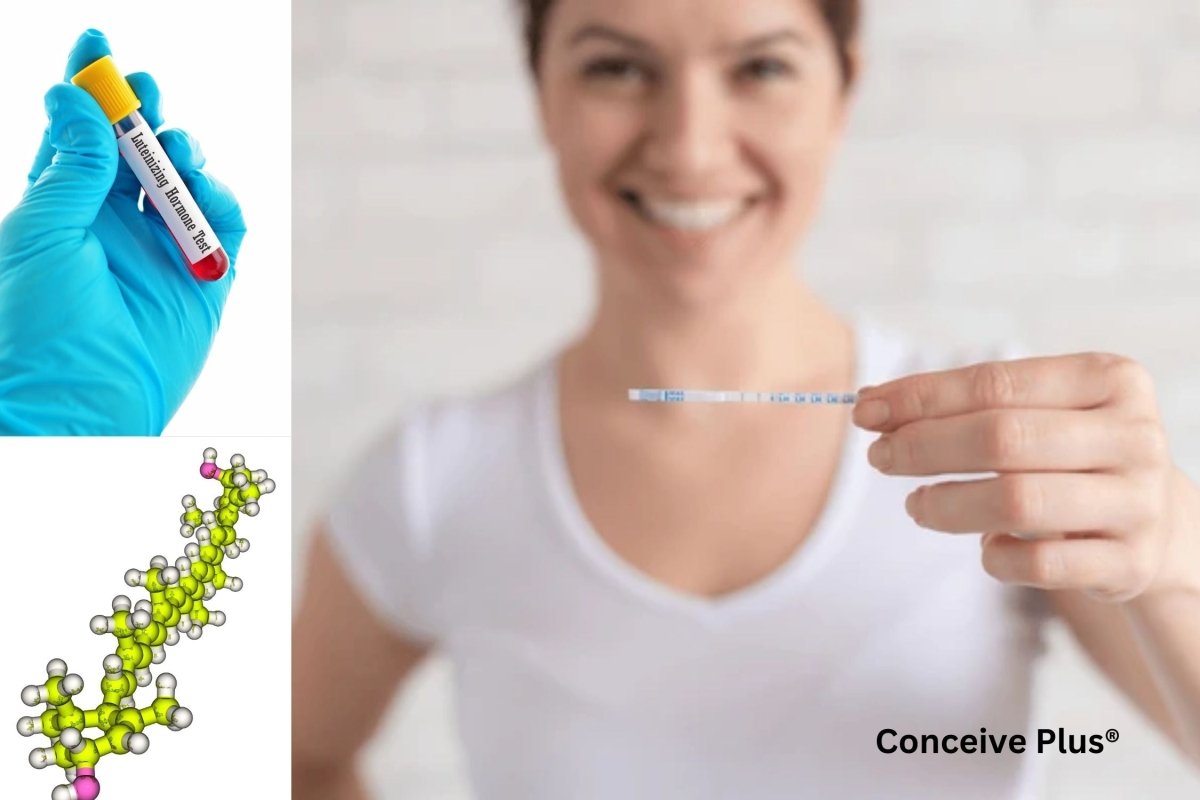

A healthy menstrual cycle involves a series of carefully orchestrated hormonal events. One of the most pivotal is the surge of luteinizing hormone (LH), which triggers ovulation. While countless individuals track this surge to pinpoint their most fertile window, others face the bewildering reality of no LH surge—a phenomenon where the expected rise never occurs. For those dedicated to conceiving or simply understanding their bodies, an absent LH surge can be both mystifying and concerning. This article endeavors to explain the biological, environmental, and medical factors that might contribute to this scenario. In the process, we will draw on the latest facts and research, ensuring that our exploration provides clarity and practical guidance.

The Significance of Luteinizing Hormone in Reproduction
Human reproduction hinges on precise hormonal interplay. Each month, the hypothalamus and pituitary gland regulate a repertoire of signals that prompt follicle-stimulating hormone (FSH) and LH to rise and fall in a distinct pattern. Early in the menstrual cycle, FSH nudges ovarian follicles to develop. As these follicles mature, estrogen levels escalate. Once estrogen peaks, the pituitary gland typically releases a rapid burst of LH, known as the LH surge, which facilitates ovulation—an event where a dominant follicle ruptures and releases its egg [1].
This surge has been repeatedly documented as a crucial indicator for fertility tracking. Ovulation tests measure LH in urine, attempting to pinpoint that 24-to-36-hour window when release of the egg is imminent. In most straightforward cycles, a clear LH upswing implies that ovulation will occur soon. When someone consistently finds test results that fail to detect the slightest rise in LH, however, it indicates a deviation from the predictable hormonal cycle. Such inconsistencies can have myriad explanations, from inconspicuous hormone fluctuations to more substantial reproductive challenges.
As biological processes vary widely among individuals, the benchmark for what is considered “normal” can shift. Some may experience a short but intense LH peak, making it easy to detect. Others might display a less dramatic rise, rendering it nearly invisible on standard over-the-counter kits. In short, the LH pattern is not uniform across all people, and nuances in timing or hormone production may confound even the most diligent trackers.
Common Methods of Detection
For individuals seeking to confirm ovulation, at-home test kits remain a popular starting point. Typically, a person dips a test strip into a urine sample or holds it midstream, waiting for color-coded lines to indicate whether LH is elevated. Monitoring results over several consecutive days is standard practice, especially around the midpoint of the menstrual cycle.
Some people prefer digital ovulation kits. These often display a smiley face or another symbol when LH surpasses a certain threshold. Although digital tests tend to be more user-friendly, they still rely on the same foundational chemistry: measuring the LH content in urine.
Beyond urine tests, other approaches can supplement data gathering. Basal body temperature (BBT) charting, for instance, involves recording one’s temperature each morning upon waking. A slight spike in BBT, usually by 0.4 to 1.0 degrees Fahrenheit, often follows ovulation. Cervical mucus observation can also help: around ovulation, mucus typically becomes more stretchy and clear, resembling egg whites. These additional indicators may provide corroboration if a urine test fails to detect a notable surge. Yet even with multiple methods, some individuals remain puzzled by consistent readings showing no visible rise in LH [2].

Potential Causes Behind an Absent Hormone Peak
When test after test fails to detect increased LH levels, various explanations might apply. One possibility is testing error: for instance, missing the narrow window when LH spikes, or performing the test with diluted urine. Ideally, at-home kits work best with concentrated samples, so testing in the early afternoon can be more reliable for some.
However, if testing protocols are correct, physiological nuances could be the culprit. Certain individuals might produce lower baseline LH, making the surge less pronounced. Others could have a shortened surge that’s difficult to capture, especially if it occurs in under 12 hours. Irregular menstrual cycles, as seen in conditions like polycystic ovary syndrome (PCOS) or thyroid disorders, might also throw off standard expectations, as hormone production can fluctuate unpredictably.

✨ Trying to Conceive?
Our Ovulation & Fertility Bundle combines Myo-Inositol with essential vitamins to support healthy hormone balance and regular ovulation.
Shop Now — $55.00✓ Free shipping on orders over $40 | ✓ Trusted by millions of couples worldwide
On rare occasions, an individual might experience an LH surge but no ovulation, leading to confusion if other signs don’t align. Even more perplexing is when there is simply no noticeable surge at all. This phenomenon can stem from insufficient signaling within the hypothalamic-pituitary-ovarian axis. If a person is not ovulating regularly, an absent LH peak is unsurprising because the entire cycle is disrupted. Yet in some cases, individuals can still have cyclical bleeding, leading them to believe they are ovulating when they are not [3].
Hormonal Imbalances and Underlying Conditions
Beyond day-to-day influences, it’s possible that deeper medical issues are at work. Chronic conditions like PCOS commonly involve an excess of androgen levels, which can disrupt the typical LH-FSH balance. Individuals with this syndrome sometimes see unpredictable results on ovulation predictor kits. In certain cases, PCOS can cause persistently high LH levels or produce multiple peaks that prove difficult to interpret. Alternatively, the hormone may fail to reach the necessary threshold for a clear positive.
Hypothyroidism or hyperthyroidism can also create confusion, as thyroid hormones have a ripple effect on the broader endocrine system. If these imbalances go unchecked, menstrual cycles may become erratic or even anovulatory. Meanwhile, premature ovarian insufficiency (POI) can cause ovaries to function poorly well before the typical age of menopause, leading to irregular or absent ovulation.
For some individuals, subtle pituitary gland abnormalities—such as small adenomas—might hamper the release of LH. Although these cases are relatively rare, they illustrate how an absent surge could be traced back to neurological or endocrine structures that orchestrate the reproductive process. In any of these scenarios, addressing the underlying condition could potentially restore normal cycles, thereby reestablishing the hormone spike.
If you've noticed egg white cervical mucus but no LH surge in your cycle, be sure to check out our article 'Egg White Cervical Mucus but No LH Surge: What It Indicates' for an in-depth explanation.

Strategies to Track Hormone Fluctuations More Effectively
When attempts to detect an LH rise prove fruitless, it can be discouraging. However, before concluding that ovulation is not happening, refining your approach to monitoring might yield more accurate insights. First, verifying the time of day for testing is crucial: many experts recommend testing early to mid-afternoon, when LH levels tend to be more detectable. Ensuring minimal fluid intake in the hours preceding the test is also recommended.
Additionally, expanding the window for testing beyond the presumed mid-cycle can be helpful. Some women ovulate earlier or later than the textbook “day 14.” Taking ovulation tests daily for a broader stretch, from around day 7 to day 20 or beyond, may capture a subtle spike that would otherwise go unnoticed.
Those who suspect their cycles are atypical might consider combining various methods. Electronic fertility monitors that track multiple hormones, including estrogen, can offer earlier warning of impending ovulation. Observing cervical fluid changes can serve as an auxiliary check. Meanwhile, a daily basal body temperature chart can confirm ovulation retrospectively by showing the thermal shift that follows an egg’s release. While these measures cannot absolutely guarantee detection of every subtle nuance, they often work in tandem to provide a more comprehensive picture than a single type of test alone [4].
For a clear visual breakdown of your cycle’s hormone dynamics, be sure to explore our detailed LH and Ovulation Chart: A Deep Dive into the LH and Ovulation Chart to see how LH fluctuations correlate with ovulation.
Recognizing When Professional Help Is Needed
There are situations where advanced medical guidance becomes imperative. If an individual consistently sees no LH surge but regular periods still occur, it may suggest that bleeding is happening without genuine ovulation. In other words, what appears to be menstruation could instead be breakthrough bleeding or anovulatory cycles. Consulting a gynecologist or endocrinologist is a sensible step. They can run comprehensive hormone panels, conduct ultrasound scans to assess follicle development, and test for possible endocrine disruptions.
Professional evaluations also matter for those with a history of fertility problems, recurring irregular cycles, or known conditions like PCOS, thyroid dysfunction, or endometriosis. Doctors might order blood work at specific points in the cycle to measure FSH, LH, estradiol, and progesterone levels, among other indicators. By amassing data over multiple cycles, healthcare providers can pinpoint patterns, even subtle ones that at-home kits might not reveal [5].
Moreover, appropriate interventions—ranging from fertility medications that stimulate ovulation to treatments for underlying thyroid or adrenal issues—can make a notable difference in restoring the hormonal balance necessary for a viable egg release. Early professional input can avert prolonged uncertainty and yield more personalized solutions.
The Bottom Line
No LH surge can leave individuals feeling puzzled, especially when expectations of a clear hormonal spike go unmet. Yet, reproductive biology is highly nuanced, influenced by myriad factors such as stress, existing health conditions, and even testing methods. In many instances, refining one’s monitoring approach or adjusting daily habits can resolve the confusion. While a singular abnormal test might not signal a severe problem, recurring negative results may warrant deeper investigation.
Although some individuals might encounter LH surge but no ovulation, and others might observe no LH surge but regular periods, these anomalies do not automatically preclude healthy fertility outcomes in the long run. Each case is unique, and many people ultimately find viable paths to achieve their reproductive goals. Understanding the intricacies of LH signaling can transform frustration into empowerment, guiding individuals toward more informed decisions and professional assistance when needed. By embracing a holistic strategy—combining diligent self-tracking, balanced lifestyle choices, and, if needed, medical expertise—many can resolve the puzzle behind elusive hormone peaks.
References
- Erden M, Mumusoglu S, Polat M, Yarali Ozbek I, Esteves SC, Humaidan P, Yarali H. The LH surge and ovulation re-visited: a systematic review and meta-analysis and implications for true natural cycle frozen thawed embryo transfer. Hum Reprod Update. 2022 Aug 25;28(5):717-732. doi: 10.1093/humupd/dmac012. PMID: 35258085.
- Steward K, Raja A. Physiology, Ovulation And Basal Body Temperature. [Updated 2023 Jul 17]. In: StatPearls [Internet]. Treasure Island (FL): StatPearls Publishing; 2025 Jan-. Available from: https://www.ncbi.nlm.nih.gov/books/NBK546686/
- Demir A, Hero M, Alfthan H, Passioni A, Tapanainen JS, Stenman UH. Identification of the LH surge by measuring intact and total immunoreactivity in urine for prediction of ovulation time. Hormones (Athens). 2022 Sep;21(3):413-420. doi: 10.1007/s42000-022-00368-9. Epub 2022 May 26. PMID: 35614178; PMCID: PMC9464748.
- Rasquin LI, Anastasopoulou C, Mayrin JV. Polycystic Ovarian Disease. [Updated 2022 Nov 15]. In: StatPearls [Internet]. Treasure Island (FL): StatPearls Publishing; 2025 Jan-. Available from: https://www.ncbi.nlm.nih.gov/books/NBK459251/
- Zhang C, Ma J, Wang W, Sun Y, Sun K. Lysyl oxidase blockade ameliorates anovulation in polycystic ovary syndrome. Hum Reprod. 2018 Nov 1;33(11):2096-2106. doi: 10.1093/humrep/dey292. PMID: 30272163.
🌱 Support Your Fertility Journey
Conceive Plus fertility supplements are clinically formulated to help regulate your cycle and support egg quality.
Shop Fertility Support →Frequently Asked Questions
Recommended by Fertility Experts
Conceive Plus Men's Fertility Support
Designed to support healthy sperm production, motility, and overall male reproductive health with clinically studied nutrients.
Shop Now →Q: Can you get an LH surge and not ovulate?
A: Yes, it is possible to experience an LH surge without ovulation occurring—a condition known as Luteinized Unruptured Follicle (LUF) syndrome. While an LH surge typically triggers the release of an egg from the ovary, hormonal imbalances, polycystic ovary syndrome (PCOS), thyroid disorders, or elevated prolactin levels can prevent the follicle from actually rupturing. According to the American Society for Reproductive Medicine (ASRM), this occurs in approximately 5-10% of cycles in women with PCOS and can significantly impact fertility. If you're tracking LH surges without conceiving after several months, consulting a reproductive endocrinologist is recommended to investigate underlying causes.
Q: Can you get pregnant without an LH surge?
A: Becoming pregnant without a detectable LH surge is extremely unlikely in typical circumstances, as the LH surge is the biological trigger that initiates ovulation and egg release. However, in rare cases involving subtle hormonal patterns or testing inaccuracies, conception might occur with a less pronounced surge that standard ovulation predictor kits fail to detect. Most fertility specialists emphasize that if you're not detecting LH surges over multiple cycles, it indicates a potential ovulation problem that requires medical evaluation. Conceive Plus users who are simultaneously supporting their reproductive health through supplementation should still prioritize working with a healthcare provider to identify why surges aren't occurring or are being missed.
Q: Can LH rise without ovulation happening?
A: LH can indeed rise without triggering ovulation, which distinguishes between an LH rise and a true LH surge. A true ovulatory surge is typically defined as a rapid, sustained increase in LH levels that reaches a specific threshold, whereas a simple rise may not meet these criteria or may be suppressed before the follicle ruptures. This distinction is important because ovulation predictor kits measure LH presence, but they cannot confirm that actual ovulation has occurred—only that hormonal conditions favoring ovulation are present. Ultrasound monitoring from a fertility clinic can definitively confirm ovulation by visualizing follicle collapse, making it the gold standard for diagnosis when cycles are irregular or surges appear absent.
Q: What causes no LH surge in your cycle?
A: Several medical and lifestyle factors can prevent or suppress LH surges, including polycystic ovary syndrome (PCOS), thyroid dysfunction, hyperprolactinemia, hormonal contraceptives, extreme stress, excessive exercise, and significant weight fluctuations. According to the CDC, approximately 6-12% of reproductive-age women in the US have been diagnosed with PCOS, which commonly disrupts normal LH patterns and ovulation. Additionally, nutritional deficiencies in key micronutrients can impact hormonal balance—an area where comprehensive supplementation with ingredients that support reproductive health may play a supportive role. If you're experiencing absent or weak LH surges, a hormone panel (FSH, LH, progesterone, thyroid function) ordered by your healthcare provider can identify the underlying cause.
Q: How do you know if you're ovulating without an LH surge?
A: The most reliable way to confirm ovulation without relying on LH surge detection is transvaginal ultrasound, which allows fertility specialists to directly visualize the follicle before and after ovulation to confirm rupture and egg release. Other confirmation methods include tracking basal body temperature (BBT), which typically rises 0.5-1.0 degree Fahrenheit after ovulation due to progesterone production, and progesterone blood tests taken 7 days after suspected ovulation—levels above 3 ng/mL generally indicate ovulation occurred. Some women also experience ovulation symptoms like mild pelvic pain (mittelschmerz), cervical mucus changes, or breast tenderness that can serve as additional indicators. If you're trying to conceive and concerned about ovulation status, working with a reproductive health clinic for definitive testing is the most effective approach to rule out ovulation disorders.
Trusted by Couples in Over 70 Countries
Support Male Fertility From the Inside Out
Male fertility is just as important as female fertility in the conception journey. Conceive Plus Men's range delivers targeted nutritional support to promote healthy sperm and overall reproductive wellbeing.
Shop Men's Range →