Newly Pregnant: Navigating Early Pregnancy And What to Expect


Finding out you are newly pregnant can be one of the most life-changing moments you’ll ever experience. Whether it’s your first pregnancy or not, this early stage is filled with excitement, questions, and perhaps a bit of uncertainty. Understanding what happens during these initial weeks of pregnancy—both to your body and your baby—can help you navigate this new journey with confidence and knowledge.
Understanding Early Pregnancy: The Basics
Pregnancy begins when a fertilized egg implants itself into the lining of your uterus, triggering the production of human chorionic gonadotropin (hCG)—the hormone detected by pregnancy tests. At this stage, even though you may not "feel pregnant" yet, important changes are already taking place.

Pregnancy is divided into three trimesters, with the first trimester encompassing weeks 1 to 13.[1] During this period, your baby undergoes significant growth, and your body begins adjusting to support the developing pregnancy.
Early Signs and Symptoms When Newly Pregnant
While every woman’s experience is different, the following are common symptoms during the early weeks of pregnancy:
-
Missed Period
A missed period is often the first sign that prompts women to take a pregnancy test. If your cycle is regular and your period doesn’t arrive on time, it’s a good indication that you may be newly pregnant. - Fatigue
Hormonal changes, particularly a surge in progesterone, can make you feel unusually tired. This fatigue often appears early and can persist throughout the first trimester. Over 90% of pregnant women suffer from fatigue during pregnancy.[2] - Nausea and Morning Sickness
Many women experience nausea, with or without vomiting, often referred to as “morning sickness.” Despite its name, it can occur at any time of the day. Hormonal changes and increased sensitivity to certain smells are thought to be the culprits.[3] - Tender or Swollen Breasts
Your body begins preparing for breastfeeding very early in pregnancy. As a result, hormonal shifts may cause your breasts to feel tender, sore, or fuller.[4] -
Frequent Urination
An increase in blood flow to your kidneys and pressure from your growing 10 week size uterus can lead to frequent trips to the bathroom even in the earliest weeks. -
Mood Swings
Hormones can also have a significant impact on your emotions. It’s not uncommon to feel joyful one moment and tearful the next when newly pregnant. -
Mild Cramping and Spotting
Implantation bleeding or light spotting can occur when the fertilized egg attaches to the uterine lining. This typically happens around weeks 4 to 5 and is often mistaken for a light period.


✨ Think You Might Be Pregnant?
Get fast, accurate results up to 6 days before your missed period with our early detection pregnancy test.
Shop Now — $9.80✓ Free shipping on orders over $40 | ✓ Trusted by millions of couples worldwide
Key Steps to Take When You’re Newly Pregnant
Once you confirm your pregnancy, taking proactive steps ensures a healthy start for you and your baby:
-
Schedule a Prenatal Appointment
Your first prenatal visit is essential for establishing your care plan. During this appointment, your healthcare provider will confirm your pregnancy, estimate your due date, and discuss necessary prenatal tests and screenings. -
Start Taking Prenatal Vitamins
Folic acid, iron, and other essential nutrients are vital during early pregnancy to support your baby’s development. Prenatal vitamins help reduce the risk of birth defects and ensure you’re meeting your nutritional needs. -
Adopt a Balanced Diet
Eating nutrient-rich foods provides energy and supports fetal growth. Focus on whole grains, lean proteins, fruits, vegetables, and dairy. Foods high in folate, calcium, and iron are particularly important during this stage. -
Stay Hydrated
Proper hydration is key to maintaining your body’s increased blood volume and supporting your baby’s developing systems. Aim to drink 8-10 glasses of water daily. -
Avoid Harmful Substances
It’s crucial to avoid smoking, alcohol, and certain medications or chemicals that may harm your baby. Consult your healthcare provider before taking any medications, including over-the-counter drugs. -
Learn About Pregnancy Changes
Educating yourself about what to expect can help reduce anxiety. Understanding the physical and emotional changes you’ll experience will make the journey smoother.
Emotional Well-being in Early Pregnancy
For many women, being newly pregnant brings a whirlwind of emotions. If it’s your first pregnancy, you may feel unprepared or overwhelmed as you navigate new experiences. It’s normal to have mixed feelings, even when the pregnancy is planned.
Here are a few ways to care for your emotional health:
- Talk About It: Share your feelings with a supportive partner, friend, or family member. Talking openly about your emotions can help you feel understood and supported.
- Practice Self-Care: Prioritize rest, gentle exercise, and relaxation techniques like deep breathing or meditation. Self-care is especially important during the physically demanding early weeks.
- Seek Professional Support: If feelings of anxiety or stress become overwhelming, consider reaching out to a counselor or mental health professional specializing in pregnancy.

What Happens to Your Baby During the First Trimester?
During the first few weeks of pregnancy, your baby undergoes rapid development:
- Weeks 1-4: The fertilized egg implants in the uterus, and the placenta begins forming to provide nutrients and oxygen.[5]
- Week 5: The heart begins to develop, and the baby’s major organs start taking shape.
- Weeks 6-8: The baby’s heart starts beating, and tiny limb buds (arms and legs) begin forming. The neural tube, which becomes the brain and spinal cord, also develops.
- Weeks 9-13: The baby grows rapidly, with facial features, fingers, and toes becoming more defined. By the end of the first trimester, the baby is fully formed and about 3 inches long.
Tips for First-Time Moms
For women experiencing their first pregnancy, everything may feel new and unfamiliar. Here are a few tips to ease the transition into pregnancy:
- Educate Yourself: Read trusted pregnancy resources or attend prenatal classes to understand what’s ahead.
- Ask Questions: Don’t hesitate to ask your doctor questions about symptoms, diet, exercise, or prenatal care.
- Celebrate the Milestones: Take time to enjoy small milestones, like hearing your baby’s heartbeat for the first time or tracking their weekly growth.
Final Word
Whether it’s your first pregnancy or you’ve been through this before, taking care of yourself physically and emotionally is key to navigating this stage with confidence.
The early weeks of pregnancy are an exciting and transformative time. As a newly pregnant woman, understanding the changes in your body, the development of your baby, and the importance of prenatal care helps set the stage for a healthy pregnancy. By staying informed and proactive, you can ensure a positive experience as you embrace the journey of being newly pregnant.
References:
- Office on Women's Health. Stages of Pregnancy. Accessed- 19/Dec/2024. Available online: https://womenshealth.gov/pregnancy/youre-pregnant-now-what/stages-pregnancy
- Effati-Daryani F, Mohammad-Alizadeh-Charandabi S, Mohammadi A, Zarei S, Mirghafourvand M. Fatigue and sleep quality in different trimesters of pregnancy. Sleep Sci. 2021 Jan-Mar;14(Spec 1):69-74. doi:10.5935/1984-0063.20200091. PMID: 34917276; PMCID: PMC8663733.
- Gadsby R, Barnie-Adshead AM, Jagger C. A prospective study of nausea and vomiting during pregnancy. Br J Gen Pract. 1993 Jun;43(371):245-8. Erratum in: Br J Gen Pract 1993 Aug;43(373):325. PMID: 8373648; PMCID: PMC1372422.
- Journal Article. Reena Vashi, Regina Hooley, Reni Butler, Jaime Geisel, Liane Philpotts. Breast Imaging of the Pregnant and Lactating Patient: Physiologic Changes and Common Benign Entities. [2013]. American Journal of Roentgenology. [Page:329-336]. 200. 2. 10.2214/AJR.12.9845. 23345354. https://www.ajronline.org/doi/abs/10.2214/AJR.12.9845
- American College of Obstetricians and Gynecologists. How Your Fetus Grows During Pregnancy. Accessed- 19/Dec/2024. Available online: https://www.acog.org/womens-health/faqs/how-your-fetus-grows-during-pregnancy
🌱 Get Answers Early
Millions of women trust Conceive Plus for their fertility journey. Clinically validated pregnancy tests delivered to your door.
Shop Pregnancy Tests →Frequently Asked Questions
Recommended by Fertility Experts
Conceive Plus Fertility Lubricant
Specially formulated to be sperm-friendly and isotonic, supporting your natural conception journey without disrupting the reproductive environment.
Shop Now →Q: How early can you detect pregnancy with a home test?
A: Most home pregnancy tests can detect hCG (human chorionic gonadotropin) levels about 12-14 days after ovulation, which is typically around the time of a missed period. However, some sensitive tests marketed as "early detection" may work 6-8 days after ovulation, though accuracy is lower at this stage. For the most reliable results, the American College of Obstetricians and Gynecologists (ACOG) recommends taking a test after a missed period using first-morning urine. If you get a negative result but still suspect pregnancy, repeat the test in a few days or contact your healthcare provider for a blood test, which can detect hCG as early as 6-8 days after ovulation.
Q: What are the most common early pregnancy symptoms?
A: Early pregnancy symptoms typically appear between weeks 4-6 and can include missed periods, breast tenderness, nausea (often called "morning sickness"), fatigue, and increased urination due to hormonal changes. Mild cramping and light spotting may also occur as the embryo implants into the uterine lining. However, every pregnancy is different—some women experience all these symptoms while others may have none, and this variation is completely normal. If you're concerned about any symptoms or have experienced previous miscarriages, contact your healthcare provider for guidance and reassurance during this critical early stage.
Q: What should I avoid eating and drinking in early pregnancy?
A: During early pregnancy, the FDA recommends avoiding high-mercury fish (like shark and swordfish), raw or undercooked meats, unpasteurized dairy products, raw eggs, and unwashed produce due to listeria risk. You should also eliminate alcohol consumption entirely, as no amount has been proven safe during pregnancy, and limit caffeine to under 200 mg per day (roughly one 12-ounce cup of coffee). Additionally, avoid deli meats and soft cheeses unless heated until steaming, as they may harbor harmful bacteria. Focusing on nutrient-dense foods and prenatal vitamins—including folic acid supplementation, which reduces neural tube defects by up to 70% according to CDC data—supports healthy fetal development from day one.
Q: When should I schedule my first prenatal appointment?
A: ACOG recommends scheduling your first prenatal visit as soon as you have a positive pregnancy test, ideally between 8-10 weeks of gestation, though some providers may see you slightly earlier. This initial appointment typically includes confirmation of pregnancy through ultrasound or blood tests, medical history review, physical examination, and discussion of lifestyle factors and any risk factors. Your healthcare provider will also discuss prenatal vitamins containing folic acid (if you haven't already started), establish a prenatal care plan, and answer questions about nutrition, exercise, and what to expect in coming months. Early prenatal care is crucial for identifying any complications early and ensuring the healthiest possible pregnancy outcome.
Q: How does nutrition affect early pregnancy outcomes?
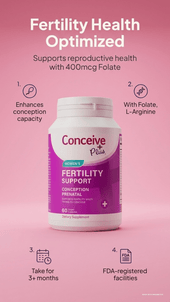
A: Proper nutrition during early pregnancy is critical because the first trimester is when major organ systems are forming in your developing baby. Research shows that adequate folic acid intake (400-800 mcg daily) reduces neural tube defects by 50-70%, while sufficient iron and calcium support maternal health and fetal development. Many women benefit from taking prenatal vitamins alongside a balanced diet rich in fruits, vegetables, lean proteins, and whole grains—some fertility-focused supplements like Conceive Plus's prenatal formulations are specifically designed to support the nutritional needs during this vulnerable early stage. Maintaining stable blood sugar through regular meals and staying hydrated also helps manage early pregnancy symptoms and supports optimal fetal growth.
Trusted by Couples in Over 70 Countries
Start Your Fertility Journey With the Right Support
Conceive Plus Fertility Lubricant is specially formulated to be compatible with sperm, eggs, and embryos. Whether you are just starting out or have been trying for a while, our products are designed to work with your body — not against it.
Explore Fertility Lubricant →