Motility Supplements That Actually Work: Boost Sperm Motility Fast


Motility Supplements That Actually Work: Boost Sperm Motility Fast
If you've recently received a semen analysis showing low sperm motility, you're not alone — and you're not out of options. Motility supplements are one of the most evidence-backed interventions available to men trying to improve their reproductive health naturally. In this comprehensive guide, we break down which motility supplements are clinically supported, how they work, and what to look for when choosing the right formula for you.
Poor sperm motility — the ability of sperm to swim effectively toward an egg — accounts for a significant proportion of male fertility challenges. Even with normal sperm count, low motility can prevent fertilisation. The good news: nutrition and targeted supplementation can meaningfully improve motility, often within 74–90 days (one full sperm production cycle).
At Conceive Plus, we've built our male fertility formula around the nutrients with the strongest clinical evidence. Let's explore what the research actually shows.
What Are Motility Supplements and How Do They Work?
Motility supplements are dietary supplements specifically formulated to support sperm motility — the swimming ability of sperm cells. Unlike general multivitamins, targeted motility supplements deliver concentrated doses of specific micronutrients and antioxidants that address the biological mechanisms behind poor motility.
Sperm motility is primarily driven by mitochondrial energy production in the sperm's midpiece. When mitochondrial function is impaired — often by oxidative stress — sperm lose their ability to swim forward effectively. The best motility supplements target this process through:
- Antioxidants — neutralising reactive oxygen species (ROS) that damage sperm membranes
- Mitochondrial cofactors — fuelling ATP production in the sperm midpiece
- Amino acids — supporting sperm maturation and motility mechanisms
- Trace minerals — essential catalysts for sperm enzyme function
Understanding this mechanism helps explain why certain motility supplements consistently outperform others in clinical trials.
CoQ10: The Gold Standard Motility Supplement
Ready to Start Your Fertility Journey?
Explore Conceive Plus — clinically formulated to support your path to parenthood.
Shop Now →Coenzyme Q10 (CoQ10) is arguably the most studied of all motility supplements. CoQ10 is a lipid-soluble antioxidant found in high concentrations in healthy sperm mitochondria. Its dual role — as an electron carrier in the mitochondrial respiratory chain and as a potent antioxidant — makes it uniquely suited to improving sperm function.
Clinical evidence is compelling:
- A 2013 meta-analysis in the Journal of Urology reviewed 6 randomised controlled trials and found CoQ10 supplementation significantly improved sperm motility (p<0.001) and concentration in men with idiopathic infertility.
- A 2012 double-blind RCT published in Fertility and Sterility showed that 200mg CoQ10 daily for 26 weeks improved progressive motility by 17% compared to placebo.
- A systematic review in Reproductive Biology and Endocrinology (2020) confirmed CoQ10's beneficial effect on both motility and antioxidant capacity.
The optimal dose appears to be 200–400mg daily. Conceive Plus men's formula delivers 200mg of CoQ10 per serving alongside complementary nutrients that enhance its bioavailability.
L-Carnitine: The Transport Molecule Sperm Need
L-carnitine and its derivative acetyl-L-carnitine are amino acid compounds that play a critical structural role in sperm. The epididymis — where sperm mature — has exceptionally high concentrations of carnitine, which is essential for sperm energy metabolism and progressive motility.
Research on L-carnitine as a sperm motility supplement is extensive:
- A 2004 RCT in Fertility and Sterility found L-carnitine (2g/day) significantly improved total and forward motility in oligoasthenozoospermic men after 6 months.
- A 2012 meta-analysis confirmed that carnitine supplementation improved sperm concentration, motility, and morphology across 9 clinical trials.
- Combination supplementation (L-carnitine + acetyl-L-carnitine) produced stronger results than either compound alone in multiple trials.
Conceive Plus men's supplement includes both L-carnitine and acetyl-L-carnitine, optimising the synergistic effect demonstrated in clinical research.
Zinc and Selenium: Essential Minerals for Sperm Health
No discussion of motility supplements is complete without addressing zinc and selenium — two trace minerals with profound effects on male reproductive function.
Zinc
Zinc is the most abundant mineral in seminal plasma and is critical for testosterone production, sperm maturation, and DNA integrity. Zinc deficiency is strongly associated with poor motility and increased sperm DNA fragmentation. Studies show that zinc supplementation (25–66mg/day) improves sperm motility, morphology, and count in zinc-deficient men.
Selenium
Selenium is a key component of glutathione peroxidase — the primary antioxidant defence system in sperm. It's also structurally incorporated into the sperm flagellum (tail), directly affecting motility. A selenium deficiency can cause structurally abnormal sperm tails, impairing movement regardless of energy availability. Studies combining selenium with vitamin E showed significant improvements in motility and fertilisation rates.
Conceive Plus delivers both zinc and selenium at clinically relevant doses, providing the mineral foundation your sperm need.
Vitamin C and E: Antioxidant Protection for Motility
Oxidative stress is the single most common identifiable cause of impaired sperm motility. Reactive oxygen species (ROS) attack the polyunsaturated fatty acids in sperm membranes, disrupting the fluid structure needed for effective swimming. Vitamins C and E are the primary water-soluble and fat-soluble antioxidant defences against this damage.
Evidence for these antioxidant motility supplements:
- Vitamin C supplementation (1g/day for 2 months) improved sperm count, motility, and morphology in a double-blind RCT, with sperm agglutination (clumping) reduced by 55%.
- Vitamin E (400–800 IU/day) combined with selenium improved motility by 52% vs. placebo in one controlled trial.
- The combination of vitamins C and E provides synergistic antioxidant protection — vitamin C regenerates oxidised vitamin E, creating a more sustained defence.
Conceive Plus men's formula combines vitamins C and E with CoQ10 and selenium for comprehensive antioxidant coverage — targeting motility from multiple angles simultaneously.
Folate and B12: The DNA Integrity Duo
While folate is most commonly associated with female fertility, it plays an equally important role in male reproductive health. Folate is required for DNA synthesis and repair — essential processes during sperm production. Low folate levels are associated with increased sperm DNA fragmentation, which can cause failed fertilisation and recurrent miscarriage even when motility appears normal.
B12 works alongside folate in the methionine cycle and has been independently associated with improved sperm motility in deficient men. A combined folate + zinc supplementation study showed significantly improved sperm count and motility after 26 weeks.
For men taking motility supplements, choosing formulas with methylfolate (the active, bioavailable form) over folic acid is preferred — particularly for men with MTHFR gene variants that impair folate metabolism. Conceive Plus men's formula uses methylated B vitamins for maximum absorption.
Conceive Plus vs Pre-Seed and Standalone Supplement Brands
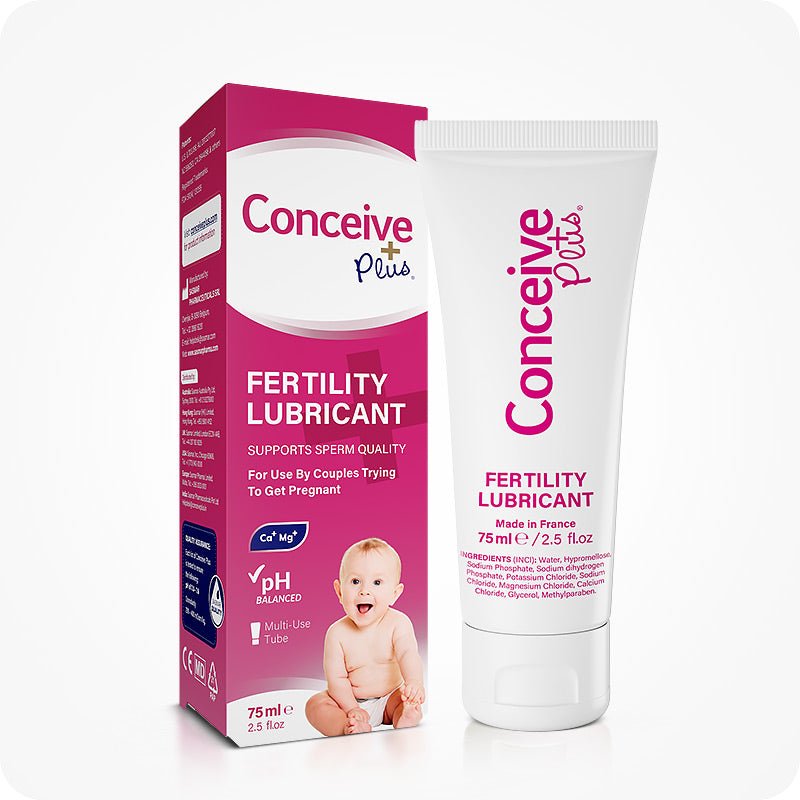
When comparing male fertility products, it's important to understand what you're actually evaluating. Pre-Seed is a fertility lubricant, not a supplement — it addresses vaginal environment, not sperm biology. For motility specifically, you need a targeted oral supplement.
Comparing motility supplements across brands, key differentiators include:
| Criteria | Conceive Plus Men's | Generic Zinc Supplement | Single-ingredient CoQ10 |
|---|---|---|---|
| CoQ10 dose | 200mg ✓ | None | 100–600mg |
| L-Carnitine | Both forms ✓ | None | None |
| Selenium | Yes ✓ | None | None |
| Methylated B vitamins | Yes ✓ | None | None |
| Antioxidant complex | Full ✓ | Partial | Partial |
| Clinically dosed | Yes ✓ | Varies | Varies |
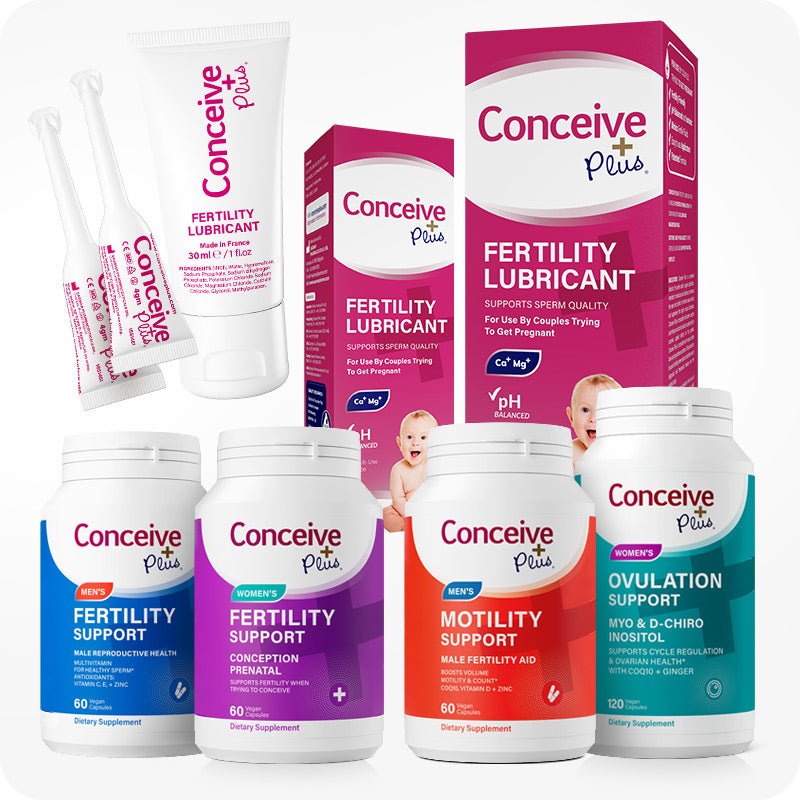
An all-in-one formula like Conceive Plus eliminates the complexity and cost of stacking multiple separate supplements — while ensuring the nutrients work synergistically rather than in isolation.
Ready to support your sperm motility? Conceive Plus Men's Fertility Supplement delivers every clinically-backed nutrient in one convenient daily formula — CoQ10, L-carnitine, selenium, zinc, and more.
How Long Do Motility Supplements Take to Work?
One of the most common questions men ask about motility supplements is: "How quickly will I see results?" The honest answer requires understanding sperm biology.
Sperm take approximately 74 days (roughly 2.5 months) to develop from germ cells into mature spermatozoa — a process called spermatogenesis. Additional time in the epididymis brings the total production cycle to approximately 90 days. This means:
- Changes from supplementation typically appear in semen analysis at 3 months minimum
- Maximum benefit usually observed at 6 months of consistent supplementation
- Starting supplements at least 3 months before a planned IVF or IUI cycle is recommended
This timeline matches what clinical trials show — most studies run for 3–6 months to capture meaningful improvements in motility parameters.
Lifestyle Factors That Amplify Supplement Benefits
The most effective approach to improving motility combines targeted sperm motility supplements with lifestyle optimisation. The two approaches are synergistic — supplements can't fully overcome lifestyle factors that continuously impair sperm production.
Key lifestyle factors affecting motility:
- Heat exposure: Testicular temperature must remain 2–4°C below core body temperature. Avoid hot baths, saunas, and tight underwear. Scrotal hyperthermia is a primary cause of motility impairment.
- Smoking: Tobacco increases oxidative stress in seminal plasma, directly damaging sperm. Quitting smoking can improve motility within 3 months.
- Alcohol: Even moderate alcohol consumption reduces testosterone and increases oxidative stress. Reducing intake supports supplementation benefits.
- Obesity: Excess adipose tissue converts testosterone to oestradiol (via aromatase), creating a hormonal environment unfavourable to sperm production and motility.
- Sedentary lifestyle: Moderate aerobic exercise improves sperm parameters — but excessive intense exercise can temporarily lower testosterone and motility.
- Stress: Chronic psychological stress elevates cortisol, which suppresses gonadotropin-releasing hormone (GnRH) and reduces testosterone production.
FAQ: Motility Supplements — Your Questions Answered
Q1: What is the best supplement to improve sperm motility?
CoQ10, L-carnitine, selenium, zinc, and vitamins C and E are the best-evidenced individual nutrients for sperm motility. However, combination formulas that include all of these — like Conceive Plus Men's Fertility Supplement — tend to outperform any single ingredient because they address multiple mechanisms simultaneously.
Q2: Can motility supplements fix severely low motility?
For men with very low progressive motility (asthenozoospermia, defined as <32% progressive motility), supplements can meaningfully improve parameters but may not normalise them completely. For severe cases, assisted reproductive technologies (IUI, IVF/ICSI) alongside supplementation is often recommended. Discuss realistic expectations with a urologist or reproductive endocrinologist.
Q3: How much CoQ10 should I take for sperm motility?
Clinical trials have used doses ranging from 200–600mg daily. The most commonly studied dose is 200mg/day, which consistently shows improvement in motility. Higher doses (400–600mg) may provide additional benefit in men with severe impairment. Choose the ubiquinol form over ubiquinone for better bioavailability, especially for men over 40.
Q4: Is L-carnitine or CoQ10 better for motility?
Both nutrients address different aspects of sperm energy metabolism and both have strong clinical support. They work through complementary mechanisms and are most effective in combination. Studies using both L-carnitine and CoQ10 together show stronger results than either alone. An all-in-one formula including both is ideal.
Q5: How long should I take motility supplements before a semen retest?
Wait a minimum of 3 months (ideally 4–6 months) before retesting semen parameters. This allows one full spermatogenesis cycle to complete. Testing earlier may underestimate the benefit, as the improvement in newly produced sperm won't yet be reflected in the ejaculate.
Q6: Do motility supplements affect libido or testosterone?
Zinc supplementation can support testosterone levels in zinc-deficient men, which may improve libido. CoQ10 has no direct testosterone effect. Overall, fertility-focused supplements work primarily at the cellular level of sperm production and don't typically cause significant hormonal changes in men with normal baseline testosterone.
Q7: Are motility supplements safe to take long-term?
The nutrients in evidence-based motility supplements — CoQ10, L-carnitine, zinc, selenium, vitamins C and E — are generally safe for long-term use at recommended doses. Selenium is the only nutrient requiring caution at high doses (>400mcg/day) due to toxicity risk; formulas using 55–200mcg/day are within safe ranges. Always follow label directions.
Q8: Should I take motility supplements if my count is normal but motility is low?
Yes — isolated asthenozoospermia (low motility with normal count) responds well to supplementation because the underlying cause is often oxidative stress or mitochondrial dysfunction rather than a production deficit. Targeted motility supplements directly address these mechanisms.
Q9: Can I take motility supplements with medications?
Generally yes, but specific interactions exist. CoQ10 may modestly reduce the effect of warfarin (blood thinners) and some statins. Zinc can interfere with antibiotic absorption if taken simultaneously. Always disclose supplements to your prescribing physician, particularly if taking chronic medications.
Q10: Do I need a prescription for motility supplements?
No — evidence-based motility supplements like Conceive Plus Men's Fertility Supplement are available without prescription. They contain nutrients classified as food supplements rather than pharmaceutical drugs. However, if a semen analysis shows severely abnormal results, consulting a urologist or reproductive medicine specialist is strongly recommended alongside supplementation.
Conclusion: Building Your Motility Strategy
The science on motility supplements is clear: CoQ10, L-carnitine, selenium, zinc, and vitamins C and E are the nutrients with the strongest clinical evidence for improving sperm motility. The most efficient approach is a comprehensive, clinically-dosed formula that delivers all of these in synergistic doses — rather than attempting to build a stack of individual supplements.
Conceive Plus Men's Fertility Supplement is formulated specifically for this purpose — combining every evidence-backed nutrient for motility in a single daily supplement, backed by the same science that guides fertility clinics worldwide.
Consistency is key. Start at least 3 months before your target conception window, optimise your lifestyle, and retest after 4–6 months. Most men see meaningful improvement — and many see results that dramatically change their fertility outlook.
Ready to Start Your Fertility Journey?
Explore Conceive Plus — clinically formulated to support your path to parenthood.
Shop Now →