What Is The Meaning of BFP and Its Connection to Pregnancy
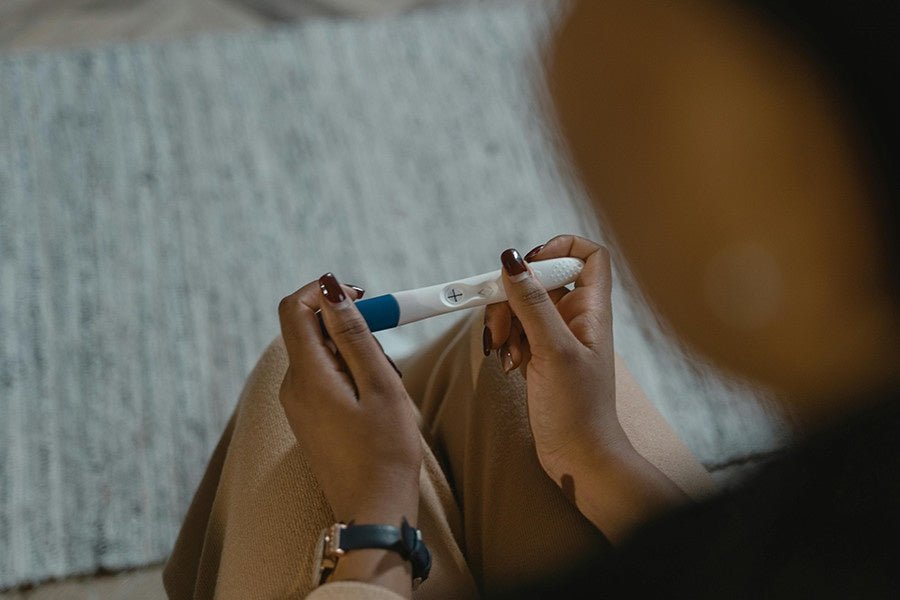

Some couples spend hours reading medical facts or online stories while trying to conceive, yet many remain curious about the meaning of BFP. That three-letter phrase, Big Fat Positive, appears in countless posts, discussions, and blogs. It usually shows up when eager individuals wonder if this moment is the sign they’ve been hoping for. Discussions sometimes blend the phrase with the idea of BFP pregnancy to highlight the excitement behind a confirmed result. Gaining insights into these expressions may empower people to feel more prepared and less overwhelmed [1].
Understanding the Basics
Fertility discussions can be complicated. They often involve brand new acronyms, shared success tales, and supportive comments about potential setbacks. Some individuals quickly grasp the nuances, while others feel baffled by the avalanche of details. It depends on backgrounds, personal beliefs, and how deeply each person dives into online communities. Certain acronyms stick out more than others. Some revolve around ovulation tests or specialized diets, whereas a select few are universal terms that pop up everywhere.

Cycles, timing, test kits, and hormone fluctuations can become the main topics. People who chart dates and note subtle bodily changes might prefer precision, but others guess the general window for ovulation and rely on simpler approaches. No single method is perfect for everyone. This puzzle becomes even more layered when couples or individuals have different lifestyles, daily schedules, or health factors that affect fertility. Many eventually discover that terms like “BFP,” “DPO,” or “fertile window” clarify a confusing path and help them share experiences with others in the same boat [2].
Sometimes shorter messages are posted in fertility communities: “Got my test result, it’s a BFP!” or “Hoping for a BFP soon.” Others read these with either joy or longing, depending on their own circumstances. Reading such updates can spark a sense of unity and shared purpose.
The Meaning of BFP in Fertility Circles
The meaning of BFP is often described as “Big Fat Positive,” pointing to a positive result on a pregnancy test. It’s a celebratory phrase that can appear in all sorts of contexts. Some mention it casually, as in: “anyone else hoping to see their BFP this month?” Others share it triumphantly after extensive waiting or frustration.
A BFP typically marks an early sign that the body has begun producing specific hormones, most notably hCG (human chorionic gonadotropin). This hormone is only made after a fertilized egg successfully implants, so many treat a positive test as a big milestone. People may still double-check at a clinic or repeat the test after a few days, but the phrase conveys real excitement. The notion of BFP pregnancy connects to this concept by underscoring that a positive test indicates the potential start of a new life stage [3].
Emotional Impact of a Positive Result
An unexpected wave of emotions can arise upon seeing a positive test line. Reactions vary drastically from one person to the next. Some experience immediate delight, while others feel cautious, especially if they encountered difficulties before. Timing matters too. A person actively trying for months or years may react quite differently from someone who conceived in an unplanned manner. The news can bring relief, or it might spark a bit of worry about the next steps [4].
People in fertility communities sometimes describe tears of joy, worried excitement, or even denial if they fear the test could be incorrect. The emotional weight intensifies if prior miscarriages or fertility challenges exist. Nevertheless, many embrace optimism despite lingering doubts. Encouragement from partners or friends can also help lighten any anxieties that appear alongside this big change.
Some might share the result immediately. Others prefer silence until a healthcare provider confirms everything. No single path is right or wrong. Each person’s journey is personal, shaped by background, beliefs, and past experiences. Even those who see a faint positive line can feel a surge of adrenaline as possibilities unravel in their mind.
Recognizing Early Signs
Certain individuals observe subtle signs before any test confirms pregnancy. Minor cramping or spotting might indicate that a fertilized egg is settling into the uterine wall. Breast discomfort or swelling can be another hint, sometimes resembling typical premenstrual symptoms but slightly more pronounced. A few may notice sudden fatigue or slight aversions to foods they used to love. Some individuals also mention sharper sensitivity to smells. Additionally, uterine shapes can sometimes influence early pregnancy symptoms or implantation experiences.
Hormonal shifts can vary widely, so not everyone will have the same experiences. Someone might breeze through the first couple of weeks without suspecting anything unusual. Another person might claim an intuitive feeling that something is different. It’s important to remember that early signs, if present, might still be subtle. Stress or anticipation can also lead to overthinking minor aches or fluctuations. Testing at an appropriate time remains a more dependable approach than relying on random twinges or cravings [5].


✨ Trying to Conceive?
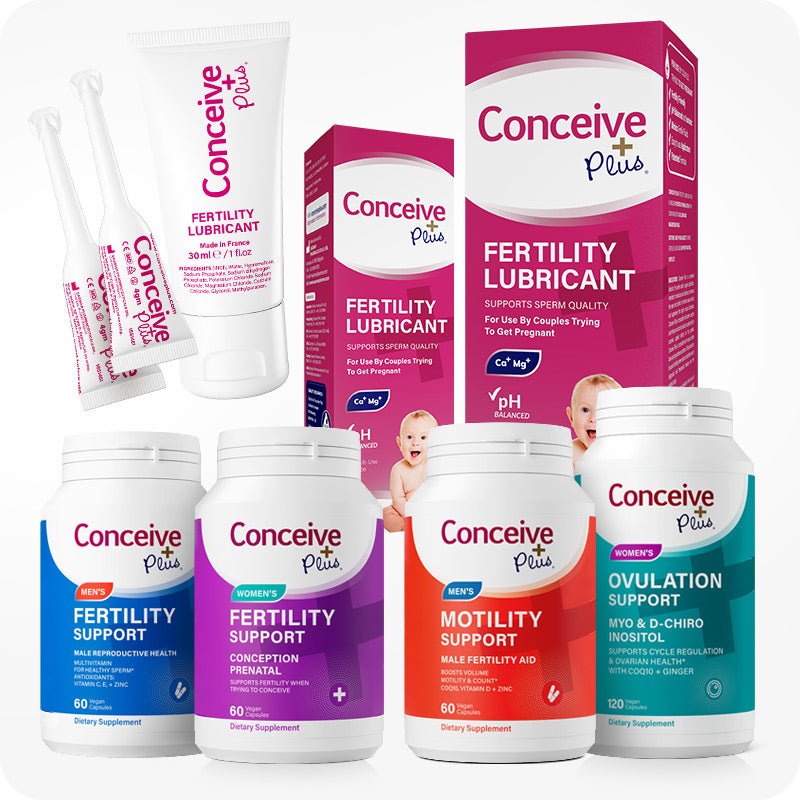
Our Ovulation & Fertility Bundle combines Myo-Inositol with essential vitamins to support healthy hormone balance and regular ovulation.
Shop Now — $55.00✓ Free shipping on orders over $40 | ✓ Trusted by millions of couples worldwide
Timing Your Pregnancy Test
Choosing when to test can reduce confusion. Testing too early is a common cause of heartbreak when a negative result might later transform into a positive. Some individuals test multiple times a day, hoping to see a line darken. Others wait until the day their menstrual period is due, trusting that hCG levels are more likely to be clearly detected by then. These personal choices depend on patience levels and available resources [6].
Morning urine is usually suggested for testing because it tends to contain higher concentrations of pregnancy hormones. However, many modern tests claim accuracy at any time of day, as long as instructions are followed precisely. If a faint line appears, repeated testing after two or three days can show whether hormone levels are climbing. If confusion lingers, a medical professional might recommend a blood test for a definitive measurement. That path can reduce guesswork and put an end to persistent doubts.
Nutrition and Vitamins for Fertility
Optimal nutrition has the potential to improve reproductive function. Balanced eating routines that include nutrient-rich foods help maintain regular cycles, hormone stability, and overall well-being. Folic acid (commonly found in leafy greens, legumes, and fortified grains) is renowned for aiding healthy fetal development and DNA creation. It’s often emphasized for those intending to conceive or already pregnant because it supports crucial processes in the earliest stages.
Myo-inositol and D-chiro inositol have gained attention for their roles in regulating insulin and encouraging hormone balance, which can be particularly helpful for certain concerns, like irregular cycles. Another powerful ingredient is CoQ10, known for its antioxidant properties that can safeguard cells (including eggs and sperm) from unwanted oxidative stress. These nutrients sometimes appear in combination formulas designed specifically for high fertility health.
Vitamins C and E are also recognized for their antioxidant roles. Vitamin D works in synergy with the body’s systems, supporting healthy ovarian function and overall metabolic processes. Meanwhile, B vitamins help with energy production and cell renewal, playing a supportive part in fertility. There is no guaranteed outcome for everyone, though. Each body is unique, so results may differ [7].
Lifestyle Changes That Can Help
Lifestyle habits may also determine how swiftly someone might glimpse that Big Fat Positive. Consistent physical movement assists with weight regulation, hormonal stability, and improved circulation. Routines like mild stretching or low-impact workouts benefit those who want gentle forms of exercise, while more rigorous routines suit individuals in good condition. Balanced rest is essential, since chronic lack of sleep may disturb hormonal cycles [8].
Stress often sneaks in, especially for couples or individuals who’ve been hoping for a BFP pregnancy for quite a while. Some cope by practicing mindfulness or journaling. Others reduce obligations or talk openly with mentors about fertility anxieties. Cutting back on substances such as tobacco and excessive alcohol also fosters an environment friendlier to conception. Reducing high caffeine intake might be beneficial as well, though moderate amounts are typically acceptable according to various guidelines.

The Bottom Line
Understanding the meaning of BFP can make fertility discussions more accessible, especially for those who crave clarity. This term signifies a positive result, often viewed as an essential milestone in a hopeful parent’s journey. Observers may connect it to the broader idea of BFP pregnancy, reminding them that each fresh test outcome might open a new and exciting chapter. Though many steps lead up to that line on a home test, with timing considerations, nutritional support, and lifestyle adjustments all factoring in, the sight of a BFP still feels like a joyful moment. For some, the road includes twists, doubts, or even heartbreak, but a positive sign can reawaken hope. Different methods and approaches can guide individuals in the direction they want, whether they are searching for a reliable set of supplements or refining daily routines. It helps to keep perspective and lean on supportive networks while waiting for that life-changing test result [9].
FAQs
Is a faint positive test result still valid?
A faint positive line may indeed indicate rising pregnancy hormones. Retesting after a short gap often shows if the line becomes more noticeable. This approach reduces any confusion about whether the initial reading was correct.
What if repeated tests stay negative?
Some people simply need more time. If consistent negatives appear after a lengthy period of trying, it might be worth seeking medical advice to identify any underlying issues.
When is the right time to use a home pregnancy test?
Many prefer waiting until the day a period is expected to arrive or the day after. This timing helps ensure that hormone levels are high enough to be detected by most standard kits.
Can nutrition alone guarantee fertility success?
A healthy diet and beneficial supplements can support the body’s readiness for conception, but no single factor can promise an immediate pregnancy. Genetics, timing, age, and physical conditions also play important roles.
Why does early spotting sometimes occur?
Early spotting can happen if a fertilized egg implants into the uterine lining. This process may involve slight bleeding, which some label as “implantation spotting.” Not everyone experiences it.
Citations
- Gnoth, C., & Johnson, S. (2014). Strips of Hope: Accuracy of Home Pregnancy Tests and New Developments. Geburtshilfe und Frauenheilkunde. Available at: https://pubmed.ncbi.nlm.nih.gov/25100881/
- Lynch, C. D., Jackson, L. W., & Buck Louis, G. M. (2006). Estimation of the day-specific probabilities of conception: current state of the knowledge and the relevance for epidemiological research. Paediatric and perinatal epidemiology. Available at: https://pubmed.ncbi.nlm.nih.gov/17061968/
- Wilcox, A. J., Baird, D. D., & Weinberg, C. R. (1999). Time of implantation of the conceptus and loss of pregnancy. The New England journal of medicine. Available at: https://pubmed.ncbi.nlm.nih.gov/10362823/
- Verhaak, C. M., Smeenk, J. M., Evers, A. W., Kremer, J. A., Kraaimaat, F. W., & Braat, D. D. (2007). Women's emotional adjustment to IVF: a systematic review of 25 years of research. Human reproduction update. Available at: https://pubmed.ncbi.nlm.nih.gov/16940360/
- Gnoth, C., Godehardt, D., Godehardt, E., Frank-Herrmann, P., & Freundl, G. (2003). Time to pregnancy: results of the German prospective study and impact on the management of infertility. Human reproduction (Oxford, England). Available at: https://pubmed.ncbi.nlm.nih.gov/12923157/
- Barnhart, K. T., Sammel, M. D., Rinaudo, P. F., Zhou, L., Hummel, A. C., & Guo, W. (2004). Symptomatic patients with an early viable intrauterine pregnancy: HCG curves redefined. Obstetrics and gynecology. Available at: https://pubmed.ncbi.nlm.nih.gov/15229000/
- Lerchbaum, E., & Obermayer-Pietsch, B. (2012). Vitamin D and fertility: a systematic review. European journal of endocrinology. Available at: https://pubmed.ncbi.nlm.nih.gov/22275473/
- Kloss, J. D., Perlis, M. L., Zamzow, J. A., Culnan, E. J., & Gracia, C. R. (2015). Sleep, sleep disturbance, and fertility in women. Sleep medicine reviews. Available at: https://pubmed.ncbi.nlm.nih.gov/25458772/
- Practice Committee of the American Society for Reproductive Medicine in collaboration with the Society for Reproductive Endocrinology and Infertility. Electronic address: ASRM@asrm.org, & Practice Committee of the American Society for Reproductive Medicine in collaboration with the Society for Reproductive Endocrinology and Infertility (2017). Optimizing natural fertility: a committee opinion. Fertility and sterility. Available at: https://pubmed.ncbi.nlm.nih.gov/28228319/
🌱 Support Your Fertility Journey
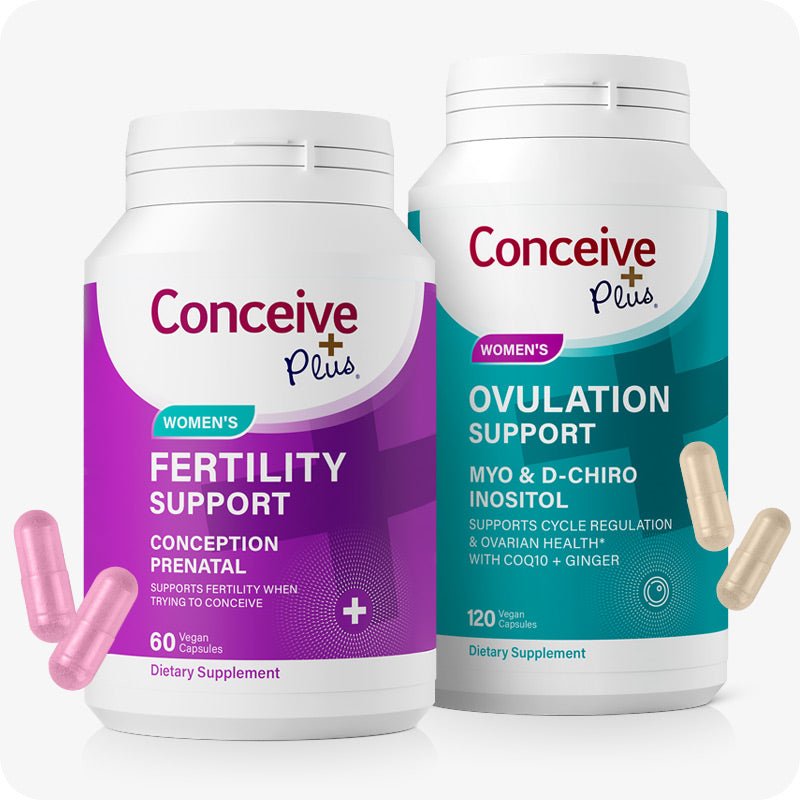
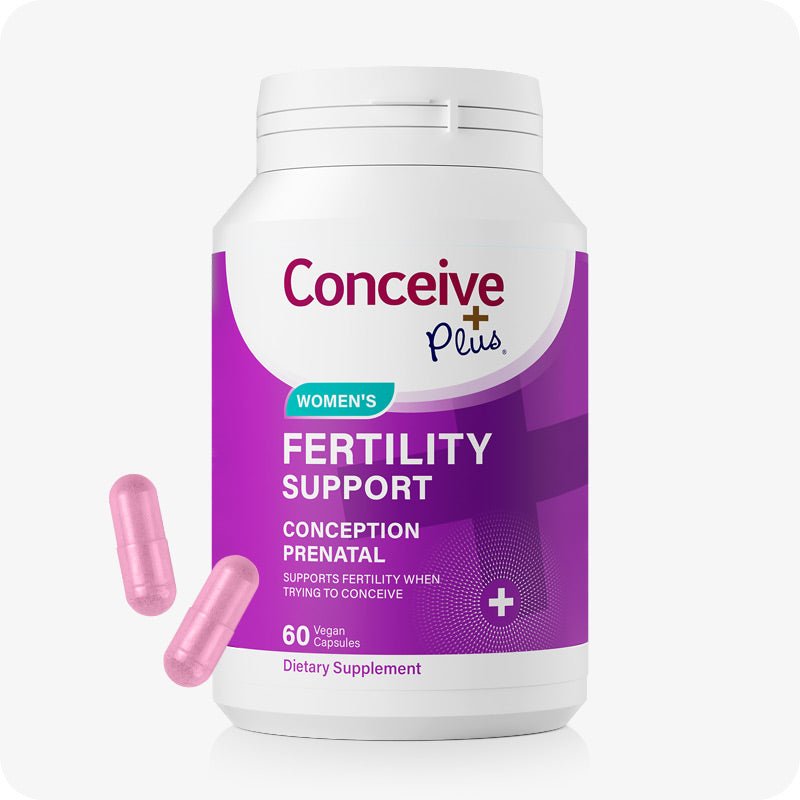
Conceive Plus fertility supplements are clinically formulated to help regulate your cycle and support egg quality.
Shop Fertility Support →Frequently Asked Questions
Recommended by Fertility Experts
Conceive Plus Men's Fertility Support
Designed to support healthy sperm production, motility, and overall male reproductive health with clinically studied nutrients.
Shop Now →Q: What does BFP mean in pregnancy terms?
A: BFP stands for "Big Fat Positive," a term commonly used in fertility and pregnancy communities to describe a positive pregnancy test result. The phrase originated in online fertility forums and has become standard terminology among people trying to conceive (TTC). A BFP indicates that a pregnancy test has detected human chorionic gonadotropin (hCG), the hormone produced during pregnancy. This exciting milestone often marks the beginning of the two-week wait period ending with confirmed pregnancy status. Understanding this terminology helps individuals navigate fertility discussions and connect with others on similar journeys.
Q: What is the difference between BFP and BFN in fertility discussions?
A: BFP means "Big Fat Positive" (a positive pregnancy test), while BFN stands for "Big Fat Negative" (a negative pregnancy test result). Both terms are widely used in online fertility communities, support groups, and TTC forums to describe pregnancy test outcomes. According to the American Society for Reproductive Medicine (ASRM), understanding these common abbreviations can help individuals better communicate their experiences with healthcare providers and support networks. The contrasting terminology reflects the emotional significance of test results for people actively trying to conceive. Knowing these terms helps individuals feel more connected to the fertility community and better informed about their reproductive journey.
Q: How soon after conception can you get a BFP on a pregnancy test?
A: A positive pregnancy test (BFP) can typically be detected 6 to 8 days after ovulation, though most reliable results appear 12 to 14 days after conception when hCG levels are higher. The timing depends on when implantation occurs, as hCG production begins after the fertilized egg implants in the uterine lining. Home pregnancy tests vary in sensitivity, with some FDA-cleared tests detecting hCG levels as low as 10-25 mIU/mL, while others require higher levels for accurate results. Testing too early increases the likelihood of false negatives, which is why fertility experts recommend waiting until the first day of a missed period for most accurate results. Couples trying to optimize their chances of conception often support their efforts with quality prenatal nutrition, including supplements like Conceive Plus, which promotes reproductive wellness.
Q: When should I confirm a BFP with my doctor?
A: Once you achieve a BFP on a home pregnancy test, it's recommended to contact your healthcare provider within a few days to schedule a confirmatory blood test and initial prenatal appointment. Your doctor can order quantitative hCG blood tests to measure hormone levels and confirm viable pregnancy progression, typically showing hCG doubling every 48 to 72 hours in early pregnancy. According to the American College of Obstetricians and Gynecologists (ACOG), this medical confirmation is essential for establishing an accurate due date and beginning prenatal care. A blood test also helps rule out ectopic pregnancy or other complications, ensuring your safety and the health of your pregnancy. Early prenatal care, including proper supplementation and lifestyle guidance, sets the foundation for a healthy pregnancy from the moment you confirm your BFP.
Q: What should I do after getting a BFP to support my pregnancy?
A: After achieving a BFP, schedule an appointment with your healthcare provider, begin taking prenatal vitamins with folic acid (400-800 mcg daily as recommended by ACOG), and avoid harmful substances like alcohol, smoking, and unnecessary medications. Maintaining a healthy diet rich in nutrients, staying hydrated, and managing stress are critical factors for early pregnancy success. Many fertility supplement users continue taking reproductive health supplements during early pregnancy—consult your doctor about which products are safe to use alongside prenatal vitamins. Getting adequate sleep, moderate exercise (with medical approval), and emotional support from partners or fertility communities can significantly impact pregnancy wellness. Your healthcare provider will guide you on prenatal nutrition, screening tests, and lifestyle modifications to ensure the healthiest possible pregnancy outcome.
Trusted by Couples in Over 70 Countries
Support Male Fertility From the Inside Out
Male fertility is just as important as female fertility in the conception journey. Conceive Plus Men's range delivers targeted nutritional support to promote healthy sperm and overall reproductive wellbeing.
Shop Men's Range →