Male Reproductive System Front View and Anatomy Types Explained
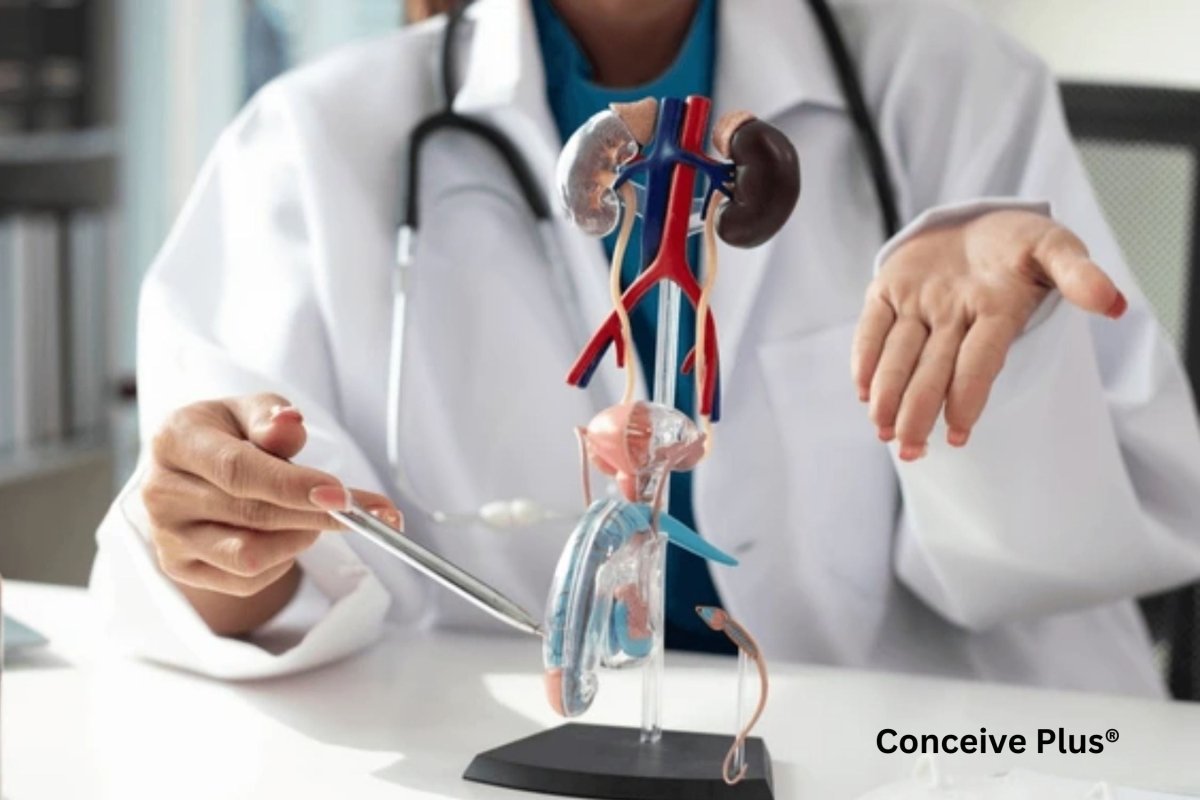

A clear understanding of the male reproductive system front view can help couples trying to conceive and anyone focused on male reproductive health. This system includes a network of internal and external organs that are vital for reproduction and urination. Let's break down the anatomy of the male reproductive system, cover the different types of male anatomy, and highlight how a healthy lifestyle and proper nutrition can naturally support fertility.

A Look at the Male Reproductive System
When viewing the male reproductive system front view, you can see both the internal and external organs involved in male reproduction. The male external genitalia — the penis, scrotum, and testicles — are easily visible and essential for sexual function and urination. Meanwhile, the internal organs, including the vas deferens, prostate gland, and urethra, are equally important, helping to produce, maintain, and transport sperm and secrete male hormones [1].
How the Male Reproductive System Works
- Sperm Production and Transport: Sperm are produced in the testicles, mature in the epididymis, and travel through the vas deferens when it's time for ejaculation [2].
- Hormone Production: The testicles also produce testosterone, the key hormone responsible for male characteristics and reproductive functions [3].
- Ejaculation and Urination: The urethra serves a dual role, carrying both urine and semen out of the body.
Anatomy of the Male Reproductive System

External Genitalia: The Parts You Can See
The male external genital, clearly visible in the male reproductive system front view, includes:
- Penis: This organ is used for both urination and sexual intercourse. It consists of the root, body (shaft), and glans (head). During arousal, the erectile tissue within the penis fills with blood, causing an erection [4].
- Scrotum: This pouch-like sac of skin hangs behind the penis and holds the testicles. It plays a crucial role in regulating temperature, which is essential for sperm production.
- Testicles: Located inside the scrotum, these oval-shaped glands produce sperm and testosterone, the primary male sex hormone.
These organs, which make up the external genitalia of male, are crucial for sexual reproduction and overall male health.

Internal Structures: What's Inside

✨ Support Healthy Sperm
Our Motility Support supplement contains Zinc, CoQ10, and L-Carnitine — clinically studied nutrients for sperm health and motility.
Shop Now — $34.95✓ Free shipping on orders over $40 | ✓ Trusted by millions of couples worldwide
Beyond the male external genitalia, several key structures lie inside the body:
- Vas Deferens: This muscular tube transports mature sperm from the epididymis to the urethra, preparing them for ejaculation.
- Prostate Gland: Found just below the bladder, this gland adds fluid to semen to help nourish and mobilize sperm.
- Seminal Vesicles: These glands produce a large portion of the ejaculatory fluid, including fructose, which energizes sperm.
Understanding these internal components, highlighted in the picture of a male reproductive organ, is key to recognizing their roles in reproduction.
If you're interested in learning about the site of storage and maturation of sperm, check out this article to understand where sperm are stored and matured in the male body.

The Power of Visual Aids in Reproductive Health
Visual tools like male reproductive system images and male reproductive anatomy pictures are incredibly helpful for understanding the detailed structure of the male reproductive system. Looking at a picture of male reproductive system or male reproductive system real images can help you identify each organ and understand its function in reproduction.
These images offer a comprehensive front view of the male reproductive system, helping you see how each organ is positioned and how they function together.
Top Tip: Regularly reviewing male reproductive anatomy pictures can help you recognize normal anatomy and identify any changes or issues early.
If you want to dive deeper into the accessory glands of the male reproductive system and their crucial role in male fertility, be sure to check out this comprehensive guide.
Exploring the Human Body 9 Male Anatomy Types
The human body 9 male anatomy types illustrate the different variations in male reproductive and external genital anatomy. These differences are important to understand, especially for those trying to conceive or monitoring their reproductive health. Each type shows variations in the size, shape, and positioning of the male reproductive organs front view, providing a fuller picture of male anatomy [5].
Top Tip: Check out resources that feature a picture of a male reproductive organ to better understand the different anatomy types and their roles in reproductive health.
Tips for Maintaining Reproductive Health
Keeping your reproductive system healthy is important, whether you're trying to conceive or just want to maintain overall wellness. Here are some practical steps:
- Regular Check-ups: Regular health screenings can help catch potential issues early.
- Healthy Lifestyle Choices: A balanced diet, regular exercise, and avoiding smoking and excess alcohol are crucial.
- Supplementation: Products rich with essential nutrients like vitamin and minerals can naturally enhance fertility.

Final Thoughts
Exploring the male reproductive system front view and its various parts is essential for anyone interested in reproductive health and fertility. Knowing both the external and internal anatomy allows you to identify potential issues and enhance overall reproductive health. Staying informed and proactive is key to maintaining a healthy reproductive system and achieving your family planning goals.
FAQs
What are the main components of the male reproductive system?
The system includes the penis, scrotum, testicles, vas deferens, prostate gland, and seminal vesicles.
Why is the male reproductive system front view important?
It gives a clear view of all reproductive organs, which is crucial for understanding their functions in reproduction.
What does the human body 9 male anatomy types refer to?
It refers to different variations in male reproductive organ size, shape, and positioning, affecting overall reproductive health.
What conditions can affect male fertility?
Conditions such as hormonal imbalances, prostate problems, sexually transmitted infections, and infertility can impact male fertility.
Are there natural ways to enhance male reproductive health?
Yes, maintaining a healthy lifestyle, regular check-ups, and using supplements can support reproductive health.
Citations
- Standring, S. (2016). Gray's Anatomy: The Anatomical Basis of Clinical Practice. Elsevier. Available at https://www.ncbi.nlm.nih.gov/pmc/articles/PMC7976199/
- Tortora, G. J., & Derrickson, B. H. (2018). Principles of Anatomy and Physiology. Wiley. Available at https://www.wiley.com/en-us/Principles+of+Anatomy+and+Physiology%2C+15th+Edition-p-9781119320647
- Hall, J. E. (2015). Guyton and Hall Textbook of Medical Physiology. Elsevier. Available at https://shop.elsevier.com/books/guyton-and-hall-textbook-of-medical-physiology/hall/978-0-323-59712-8
- Knobil, E., & Neill, J. D. (2006). Knobil and Neill's Physiology of Reproduction. Academic Press. Available at https://www.sciencedirect.com/book/9780123971753/knobil-and-neills-physiology-of-reproduction
- Moore, K. L., Dalley, A. F., & Agur, A. M. R. (2017). Clinically Oriented Anatomy. Wolters Kluwer. Available at https://www.ncbi.nlm.nih.gov/pmc/articles/PMC2766067/
🌱 Boost Male Fertility Naturally
Conceive Plus Men's Motility Support is formulated with the nutrients that matter most for sperm quality, count, and motility.
Shop Men's Fertility →Frequently Asked Questions
Recommended by Fertility Experts
Conceive Plus Men's Fertility Support
Designed to support healthy sperm production, motility, and overall male reproductive health with clinically studied nutrients.
Shop Now →Q: What are the main parts of the male reproductive system?
A: The male reproductive system consists of external organs (penis, scrotum, and testes) and internal organs (epididymis, vas deferens, seminal vesicles, prostate gland, and urethra). Each component plays a critical role in sperm production, maturation, and ejaculation. The testes produce approximately 1,500 sperm per second in healthy adult males, while the seminal vesicles and prostate contribute fluids that comprise semen. Understanding these structures helps couples identify potential fertility factors and work with healthcare providers on conception strategies. Proper nutrition and supplementation, such as those provided by Conceive Plus for men, can support the health of these organs.
Q: How does the male reproductive system work for conception?
A: During sexual arousal, the male reproductive system triggers a coordinated process: the testes produce sperm, which travels through the epididymis for maturation over approximately 60-74 days. During ejaculation, sperm mixes with seminal fluid from the prostate and seminal vesicles to form semen, which is expelled through the urethra into the vagina. According to the American Society for Reproductive Medicine (ASRM), a healthy ejaculate contains 15 million sperm per milliliter or more for optimal fertility. This complex process requires proper hormone function, healthy circulation, and adequate nutrition. Supporting male reproductive health through lifestyle choices and targeted supplementation can enhance this natural process.
Q: What are the different types of male reproductive anatomy?
A: Male reproductive anatomy can vary naturally among individuals in terms of testicular size, penis dimensions, and the position or appearance of scrotal tissue. These variations are completely normal and rarely affect fertility unless accompanied by medical conditions such as varicocele or cryptorchidism (undescended testes). The American Urological Association notes that anatomical variations are present in a significant percentage of the population without impacting reproductive function. If concerns arise about anatomical differences, consulting a urologist or reproductive endocrinologist can provide personalized assessment. Regardless of anatomical type, maintaining overall reproductive health through proper nutrition and supplementation supports fertility potential.
Q: What nutritional factors support male reproductive health?
A: Research shows that several nutrients are essential for male fertility, including zinc, selenium, vitamin C, vitamin E, and L-carnitine, which support sperm production, motility, and DNA integrity. A study published in the journal Fertility and Sterility found that men with adequate micronutrient levels had significantly better semen parameters than those with deficiencies. The FDA recognizes that while not all supplements are regulated as drugs, quality formulations like Conceive Plus for men contain research-backed ingredients that support reproductive function. A balanced diet rich in antioxidants, combined with targeted supplementation, can help optimize sperm health and fertility outcomes. For couples trying to conceive, addressing male nutritional status is an evidence-based strategy recommended by fertility specialists.
Q: Can lifestyle changes improve male fertility and reproductive health?
A: Yes, significant lifestyle modifications have been shown to improve male fertility outcomes, including maintaining a healthy weight, regular exercise, stress reduction, and avoiding smoking and excessive alcohol consumption. Research indicates that men who exercise regularly have higher sperm concentrations and better motility compared to sedentary counterparts. Sleep quality also plays a critical role—studies show that poor sleep is associated with lower testosterone levels and reduced sperm quality. The combination of lifestyle improvements with proper nutrition and supplementation offers a comprehensive approach to optimizing fertility. Conceive Plus products are designed to complement these healthy habits by providing essential nutrients that support reproductive function during the critical 74-day sperm maturation cycle.
Trusted by Couples in Over 70 Countries
Support Male Fertility From the Inside Out
Male fertility is just as important as female fertility in the conception journey. Conceive Plus Men's range delivers targeted nutritional support to promote healthy sperm and overall reproductive wellbeing.
Shop Men's Range →