The Link between Vitamin D and Pregnancy


Vitamin D plays an essential role in the body, enabling you to absorb calcium, and it has been linked to a healthier immune system and a lower risk of some kinds of cancer, cardiovascular disease, and other health problems. For these reasons, vitamin D is essential for staying healthy, yet many people (approximately half of the U.S. population) are deficient in vitamin D. This problem becomes even more acute for pregnant women because the fetus depends completely upon the mother as its source of vitamin D. Research suggests that vitamin D deficiency may be linked to problems during pregnancy and with the health of your baby. This makes it extremely important to get enough vitamin D during pregnancy.
Why Vitamin D Deficiency is Common
Vitamin D is available through some foods and through exposure to sunlight. You might think that it would be easy to get vitamin D regularly as long as you spend time outdoors. But a number of factors make it more difficult for your body to absorb the vitamin. Covering your skin or wearing sunscreen can prevent your skin from absorbing sunlight. In addition, people with darker skin or obesity may produce vitamin D less quickly. As an alternative to sunlight, you can take in vitamin D through food. The best sources of the vitamin are egg yolks and oily fish such as tuna, salmon, and sardines. If you don’t regularly drink or eat foods fortified with vitamin D, however, you are likely not producing quite enough.

✨ Trying to Conceive?
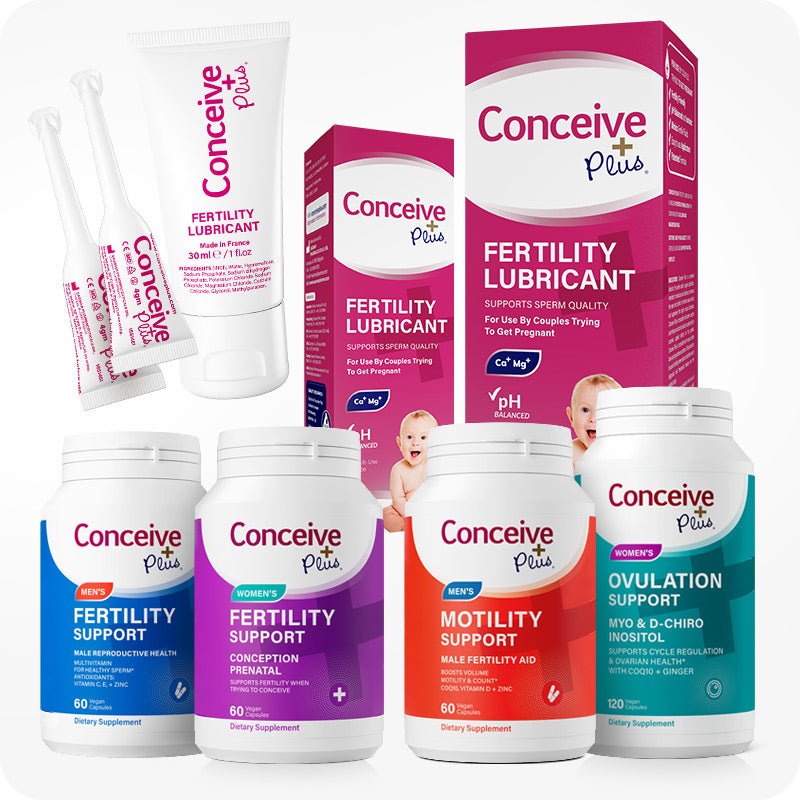
Our Ovulation & Fertility Bundle combines Myo-Inositol with essential vitamins to support healthy hormone balance and regular ovulation.
Shop Now — $55.00✓ Free shipping on orders over $40 | ✓ Trusted by millions of couples worldwide
The Risks of Vitamin D Deficiency during Pregnancy
Vitamin D is essential to a fetus’s bone development. Pregnant mothers with vitamin D deficiencies may have an increased risk of rickets, bone fractures, and abnormal bone growth in their babies. Vitamin D deficiency may also increase the risk of preterm births, preeclampsia, and infections in newborns.
How to Get Vitamin D
You can increase your vitamin D levels naturally by eating foods that contain high levels of the vitamin and by getting regular sun exposure. The easiest way to get more vitamin D, however, is by taking a supplement. Researchers are still studying the ideal level of Vitamin D, but most recommend between 600 and 2000 IU (international units). In addition to taking a prenatal, you can get from that to the recommended dosage by taking a vitamin D supplement. When choosing a supplement, cholecalciferol is the strongest form, but you’ll need to look for ergocalciferol if you’re a vegan; cholecalciferol is derived from animal products. If you want to find out if you have a vitamin D deficiency or are unsure of which supplement you should take, it’s a good idea to consult with your doctor.
Information about Conceive Plus
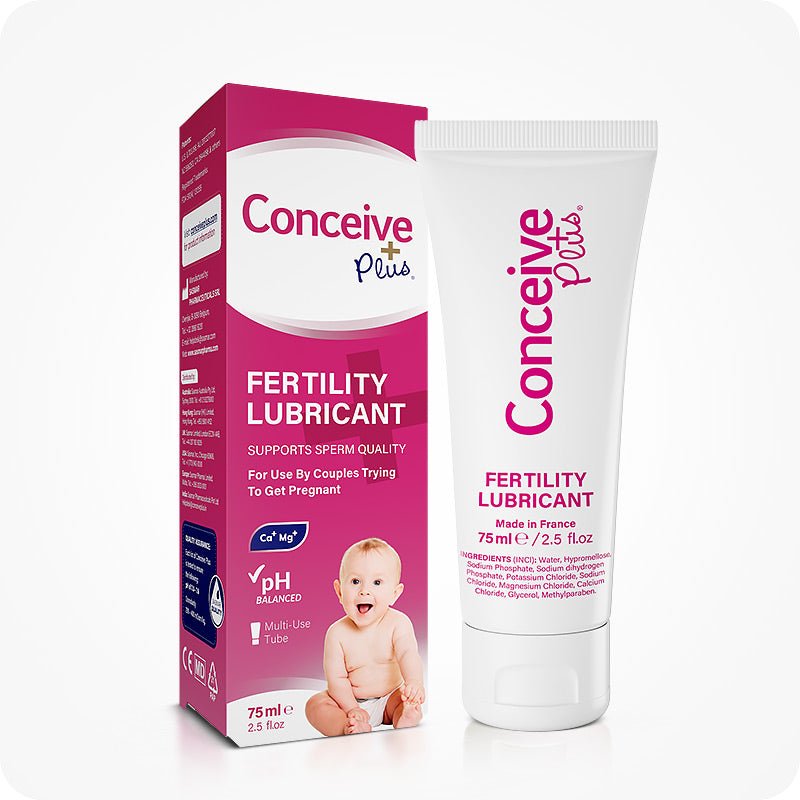
If you have just started trying to get pregnant or have been trying for a while, Conceive Plus® can help increase your chances of conception naturally! Recommended by doctors, pharmacists and fertility clinics in more than 60 countries. This fertility friendly lubricant is approved by the FDA and a prescription is not required!
🌱 Support Your Fertility Journey
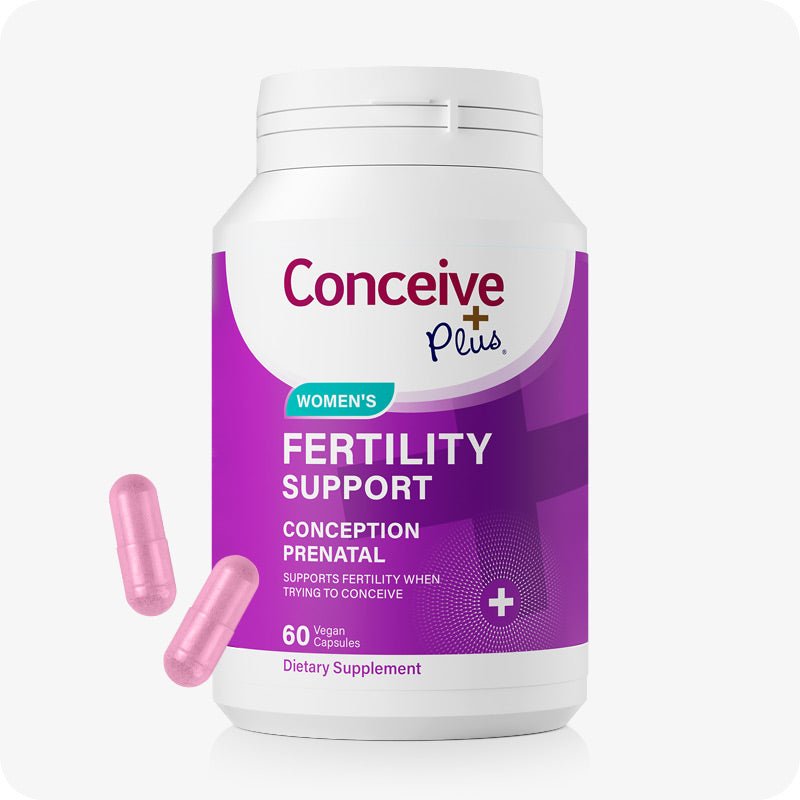
Conceive Plus fertility supplements are clinically formulated to help regulate your cycle and support egg quality.
Shop Fertility Support →Frequently Asked Questions
Recommended by Fertility Experts
Conceive Plus Men's Fertility Support
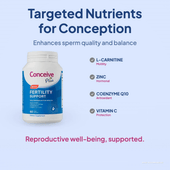
Designed to support healthy sperm production, motility, and overall male reproductive health with clinically studied nutrients.
Shop Now →How much vitamin D do I need to take when trying to conceive?
Most healthcare providers recommend between 600 and 2000 IU (international units) of vitamin D daily for women trying to conceive and during pregnancy. However, the ideal dosage can vary based on your individual vitamin D levels, which your doctor can assess through a blood test. It's important to consult with your fertility specialist or OB-GYN to determine the right supplementation for your specific needs, as they may recommend higher doses if you're deficient.
Can vitamin D deficiency cause miscarriage or pregnancy complications?
Research suggests that vitamin D deficiency during pregnancy is linked to several complications, including preterm births, preeclampsia, and infections in newborns. Additionally, inadequate vitamin D can affect fetal bone development and increase the risk of rickets and bone fractures in babies. While vitamin D deficiency alone may not directly cause miscarriage, maintaining optimal levels is considered an important part of prenatal care to support a healthy pregnancy.
What are the best food sources of vitamin D for pregnancy?
The richest natural sources of vitamin D include oily fish such as salmon, tuna, and sardines, as well as egg yolks. Many foods in the United States are also fortified with vitamin D, including milk, orange juice, and cereals—check product labels to identify fortified options. If you follow a plant-based diet or have limited access to these foods, a vitamin D supplement is often the most reliable way to meet your daily requirements during pregnancy.
Does sunscreen prevent my body from making vitamin D?
Yes, wearing sunscreen and covering your skin can significantly reduce your body's ability to produce vitamin D from sun exposure. However, dermatologists still recommend using sunscreen to protect against skin cancer and UV damage, especially during pregnancy when skin sensitivity may increase. For this reason, supplementation is often the most practical and safe way to ensure adequate vitamin
Should I get my vitamin D levels tested before pregnancy?
Yes, getting your vitamin D levels tested before conception is a smart preventive measure, especially if you have risk factors like limited sun exposure, darker skin, obesity, or dietary restrictions. A simple blood test can measure your 25-hydroxyvitamin D level, which helps your fertility doctor or OB-GYN determine whether you need supplementation. Starting with optimal vitamin D levels before pregnancy can help prevent complications and support fetal development from the earliest stages.
Is it safe to take high-dose vitamin D supplements while pregnant?
While vitamin D is essential during pregnancy, excessive intake can be harmful to both mother and baby. The recommended upper limit for vitamin D supplementation during pregnancy is generally considered to be 4000 IU daily by most medical organizations, though some research suggests up to 2000 IU is safest. Always consult with your OB-GYN or fertility specialist before taking any vitamin D supplement, as they can recommend an appropriate dose based on your individual needs and blood test results.
Do prenatal vitamins contain enough vitamin D?
Most prenatal vitamins contain between 400-1000 IU of vitamin D, which may not be sufficient if you have a deficiency or limited sun exposure. Depending on your individual vitamin D status and your doctor's recommendations, you may need an additional vitamin D supplement on top of your prenatal vitamin. Your healthcare provider can review your prenatal vitamin's vitamin D content and recommend whether you need extra supplementation to reach optimal levels.
Trusted by Couples in Over 70 Countries
Support Male Fertility From the Inside Out
Male fertility is just as important as female fertility in the conception journey. Conceive Plus Men's range delivers targeted nutritional support to promote healthy sperm and overall reproductive wellbeing.
Shop Men's Range →