IVF Med Cost Breakdown Including ICSI, Injections, and Medication Expenses


The IVF med cost can seem really overwhelming at first. IVF, in general, is expensive. There’s no doubt about it. But when you start breaking things down and understanding where your money’s actually going, it starts to make more sense. And, well, you can plan better. Fertility treatments like IVF come with costs that aren’t just limited to the procedure itself, but also involve things like IVF drugs cost, injections, and sometimes additional steps like ICSI treatment cost.

So, What Does IVF Med Cost Include?
You might be wondering, “What exactly is covered in the IVF med cost?” Good question. Usually, this covers stuff like the basic procedures (egg retrieval, fertilization, embryo transfer), but a lot of the time, medications are a big part of the cost too. In fact, medications alone can range from $3,000 to $7,000, depending on the dosage and what type you’re prescribed. Pretty steep, right? [1] It is also helpful to understand what are the 5 stages of IVF to make sense of the med cost.
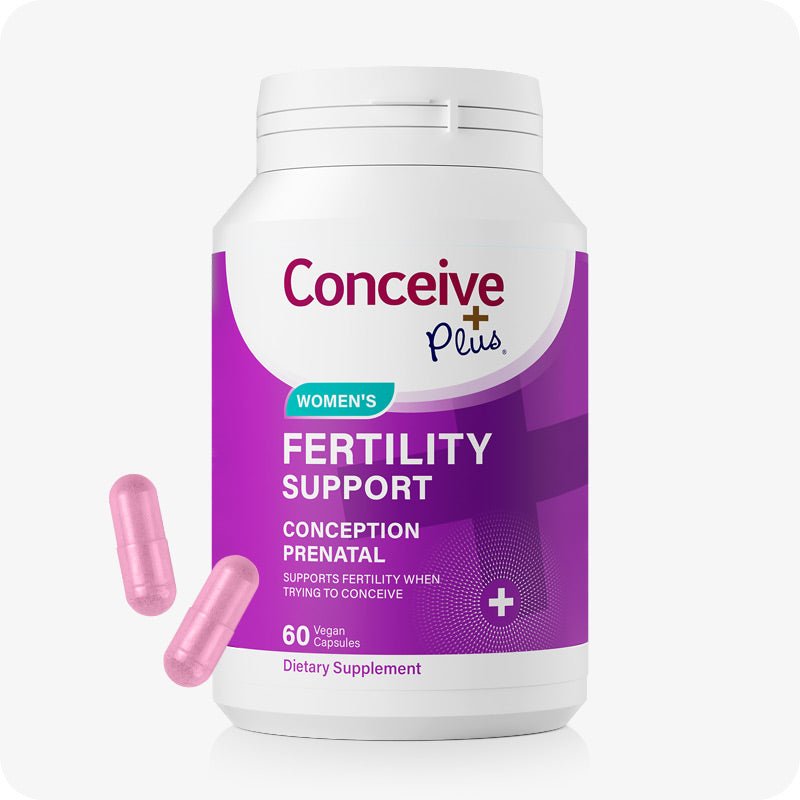
But there’s a reason for that. These medications are crucial—they help your body produce more eggs and make sure your uterus is ready for an embryo. Essential ingredients in fertility supplements, like Folic Acid and Vitamin D, are often recommended because they help support reproductive health, making the whole process more effective [2].
Top Tip: Some fertility clinics may suggest buying your meds in bulk, which could save you a little bit of cash. Ask them if that's an option!
ICSI Treatment: A Breakdown of the Costs
For some couples, especially those dealing with male infertility, ICSI (intracytoplasmic sperm injection) is a necessary part of the IVF process. But it’s not cheap. The ICSI cost is usually around $1,000 to $2,500, on top of the normal IVF charges [3].
ICSI is where they take a single sperm and inject it directly into the egg. This increases the chances of fertilization if sperm count or motility is a problem. The ICSI price can feel like another hit to your budget, but it’s often a vital part of making IVF work for couples with these specific issues [4].
Supplements like CoQ10 and L-Arginine can help improve sperm quality by boosting energy production and reducing cell damage. These are the kinds of things that may support your fertility naturally alongside medical treatments like ICSI.
Top Tip: Ask your clinic about payment plans. Some places offer packages that combine ICSI with the overall treatment to help spread out the costs.

The Cost of IVF Injections and Meds
Medications are a biggie. If you’re doing IVF, you’ll need hormonal injections to help your ovaries produce multiple eggs. The IVF injection cost varies but can be anywhere between $1,500 and $5,000. That’s a lot, but it’s necessary for the treatment to be effective. These shots help make sure your body is ready to give the best chance for a successful egg retrieval [5].
So, how much does IVF medication cost overall? That depends, honestly. Medications can cost anywhere from $3,000 to $7,000 depending on the type and dosage you need. Medications like Gonal-F, Menopur, and Clomid are just some of the common ones used in IVF cycles. Supplements like Vitamin E and Magnesium may also be suggested to improve egg health and give your body the extra support it needs during the process [6].
Top Tip: Some clinics partner with pharmacies that offer discount programs or even fertility-specific drug plans, which could reduce your total IVF drugs cost.
Additional IVF Costs You Should Know

✨ Support Healthy Sperm
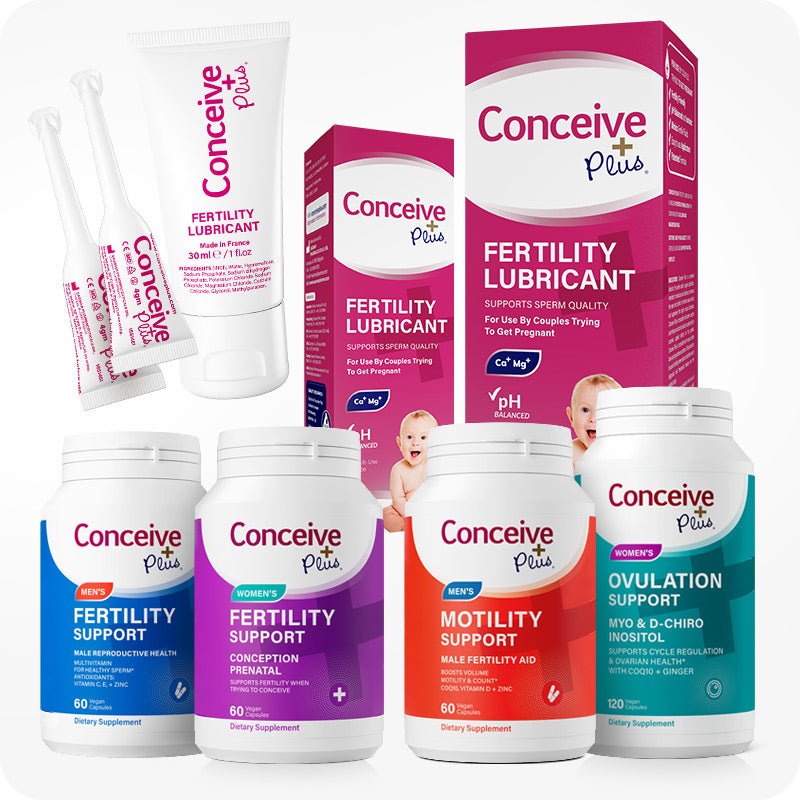
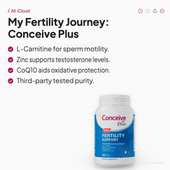
Our Motility Support supplement contains Zinc, CoQ10, and L-Carnitine — clinically studied nutrients for sperm health and motility.
Shop Now — $34.95✓ Free shipping on orders over $40 | ✓ Trusted by millions of couples worldwide
On top of the basic IVF med cost, there are other fees you might run into. For example, if you want genetic testing on your embryos, it could add $4,500 to $6,000. Embryo freezing, which many couples opt for, also costs extra—around $1,000 to $2,000, plus storage fees of about $500 to $1,000 a year [7].
Sometimes it feels like the costs just keep adding up. But if you need to freeze embryos, it’s usually because your doctor wants to give your body time to rest before transferring them, or because you’ve got more embryos than can be used in a single cycle. It’s an important step for many couples [8].
Fertility supplements containing Zinc and Selenium can help improve both egg and sperm quality. These minerals play a crucial role in cellular function and can even help boost success rates by improving reproductive health.
Top Tip: If you’re facing high additional costs, some clinics offer shared risk programs. These allow you to pay a flat fee for multiple cycles, and if you don’t end up pregnant, you might get a portion of your money back.
The Role of Supplements in IVF Success
While supplements won’t cut down the IVF med cost directly, they can help improve the success of your IVF cycle. Ingredients like CoQ10 help protect eggs from oxidative stress, making them healthier and increasing your chances of a successful cycle [9].
Supplements for men, like Maca Root and Ashwagandha, are known to help improve sperm quality. This can be especially helpful if your partner is dealing with low sperm motility or count. The goal is to get your body (and your partner’s) in the best shape possible for conception [10].
Top Tip: Always talk to your fertility specialist about incorporating supplements. Not every supplement is suitable for everyone, so it’s important to get personalized advice.

The Bottom Line
Breaking down the IVF med cost can feel overwhelming, but understanding where your money goes makes a difference. Between the ICSI treatment cost, the IVF shots cost, and the various medications, the numbers can quickly add up. However, by focusing on fertility-boosting supplements and asking your clinic about financing options, you can manage the costs and improve your chances of success.
FAQs
How much does IVF medication cost?
The total cost of IVF medications usually ranges between $3,000 and $7,000 per cycle, depending on your specific needs.
What is the typical ICSI cost?
The cost for ICSI generally falls between $1,000 and $2,500, depending on the clinic and region.
How much does IVF injection cost?
IVF injections cost between $1,500 and $5,000, depending on the prescribed medications.
What factors affect IVF shots cost?
The dosage and type of hormonal medications used will affect how much IVF shots cost.
Can supplements reduce IVF med cost?
While supplements don’t lower the direct costs, they can improve fertility health and increase the likelihood of a successful IVF cycle, potentially reducing the need for additional cycles.
Citations
- Domar, A. D., Smith, K., Conboy, L., Iannone, M., & Alper, M. (2010). A prospective investigation into the reasons why insured United States patients drop out of in vitro fertilization treatment. Fertility and sterility. Available at: https://pubmed.ncbi.nlm.nih.gov/19591985/
- Greenberg, J. A., Bell, S. J., Guan, Y., & Yu, Y. H. (2011). Folic Acid supplementation and pregnancy: more than just neural tube defect prevention. Reviews in obstetrics & gynecology. Available at: https://www.ncbi.nlm.nih.gov/pmc/articles/PMC3218540/
- Palermo, G., Joris, H., Devroey, P., & Van Steirteghem, A. C. (1992). Pregnancies after intracytoplasmic injection of single spermatozoon into an oocyte. Lancet (London, England). Available at: https://pubmed.ncbi.nlm.nih.gov/1351601/
- Iwamoto, A., Van Voorhis, B. J., Summers, K. M., Sparks, A., & Mancuso, A. C. (2022). Intracytoplasmic sperm injection vs. conventional in vitro fertilization in patients with non-male factor infertility. Fertility and sterility. Available at: https://pubmed.ncbi.nlm.nih.gov/35835597/
- Roberts, S. A., McGowan, L., Mark Hirst, W., Vail, A., Rutherford, A., Lieberman, B. A., Brison, D. R., & towardSET Collaboration (2011). Reducing the incidence of twins from IVF treatments: predictive modelling from a retrospective cohort. Human reproduction (Oxford, England). Available at: https://pubmed.ncbi.nlm.nih.gov/21163856/
- Almujaydil M. S. (2023). The Role of Dietary Nutrients in Male Infertility: A Review. Life (Basel, Switzerland). Available at: https://www.ncbi.nlm.nih.gov/pmc/articles/PMC9960932/
- Pandian, Z., Templeton, A., Serour, G., & Bhattacharya, S. (2005). Number of embryos for transfer after IVF and ICSI: a Cochrane review. Human reproduction (Oxford, England). Available at: https://pubmed.ncbi.nlm.nih.gov/16183994/
- Macedo, L. C. G. M., Cavagna Neto, M., Dzik, A., Rocha, A. D. R., & Lima, S. M. R. R. (2023). Cryopreservation as a strategy for prevention of ovarian hyperstimulation syndrome in a public assisted reproduction service in São Paulo - Brazil. Revista da Associacao Medica Brasileira. Available at: https://www.ncbi.nlm.nih.gov/pmc/articles/PMC9937622/
- Bentov, Y., & Casper, R. F. (2013). The aging oocyte--can mitochondrial function be improved?. Fertility and sterility. Available at: https://pubmed.ncbi.nlm.nih.gov/23273985/
- Sengupta, P., Agarwal, A., Pogrebetskaya, M., Roychoudhury, S., Durairajanayagam, D., & Henkel, R. (2018). Role of Withania somnifera (Ashwagandha) in the management of male infertility. Reproductive biomedicine online. Available at: https://pubmed.ncbi.nlm.nih.gov/29277366/
🌱 Boost Male Fertility Naturally
Conceive Plus Men's Motility Support is formulated with the nutrients that matter most for sperm quality, count, and motility.
Shop Men's Fertility →Frequently Asked Questions
Recommended by Fertility Experts
Conceive Plus Men's Fertility Support
Designed to support healthy sperm production, motility, and overall male reproductive health with clinically studied nutrients.
Shop Now →Does insurance cover IVF medication costs in the United States?
Insurance coverage for IVF medications varies significantly depending on your state and plan, as fertility treatment coverage is not federally mandated. Some states have mandated coverage laws that require insurers to cover fertility treatments, while others do not. It's essential to review your specific insurance policy or contact your provider directly to understand what portions of medication costs may be covered, as many plans either exclude fertility drugs entirely or require high out-of-pocket maximums.
What is the difference between generic and name-brand fertility medications, and does it affect cost?
Generic fertility medications are bioequivalent to their name-brand counterparts but typically cost significantly less—often 30-50% cheaper. The FDA requires generic medications to have the same active ingredients and effectiveness as name-brand versions, so choosing generics (like generic Gonal-F or Menopur) is a safe way to reduce your overall IVF medication expenses without compromising results. Always consult with your fertility clinic to confirm that generic options are appropriate for your specific treatment protocol.
How can I save money on IVF injectable medications?
Several strategies can help reduce injectable medication costs: purchasing medications through fertility-specific pharmacies rather than standard retail pharmacies, asking your clinic about bulk purchasing discounts, exploring manufacturer coupon programs and patient assistance programs, and comparing prices across different pharmacies before ordering. Additionally, some fertility clinics have partnerships with specific pharmacies that offer discounted rates, so it's worth asking your healthcare provider for their recommendations.
Is ICSI necessary for all IVF cycles, or only for male factor infertility?
ICSI is not necessary for all IVF cycles and is typically recommended specifically for male factor infertility issues such as low sperm count, poor motility, or abnormal morphology. Some clinics may suggest ICSI for cases of unexplained infertility or previous fertilization failures, but it's not a standard part of every IVF protocol. Discussing with your fertility specialist whether ICSI is medically necessary for your situation can help you avoid unnecessary costs.
What hidden costs should I budget for beyond medications and ICSI?
Beyond medications and ICSI, additional costs may include monitoring appointments (ultrasounds and blood work), anesthesia fees, facility charges, embryo storage and freezing fees, genetic testing (PGT), and potential additional cycles if the first attempt is unsuccessful. Some clinics bundle certain costs while others itemize them separately, so requesting a detailed cost estimate upfront from your fertility center is crucial for accurate budgeting.
Are fertility supplements like CoQ10 and prenatal vitamins covered by insurance?
Most fertility supplements and prenatal vitamins are not covered by insurance, as they are classified as over-the-counter wellness products rather than prescription medications. However, some insurance plans may cover prescription prenatal vitamins, so it's worth checking your coverage details. Many fertility specialists recommend these supplements to support reproductive health, and they are generally affordable enough to purchase independently alongside your primary treatment costs.
Can I use GoodRx or prescription discount programs for IVF medications?
Yes, prescription discount programs like GoodRx, RxSaver, and SingleCare can sometimes offer savings on IVF medications, though fertility-specific pharmacies often provide better pricing due to their specialization and manufacturer relationships. It's recommended to compare prices across multiple options—including your clinic's preferred pharmacy, specialty fertility pharmacies, and discount programs—before filling your prescription. Keep in mind that some medications may have manufacturer coupons or patient assistance programs that provide better savings than general discount cards.
Trusted by Couples in Over 70 Countries
Support Male Fertility From the Inside Out
Male fertility is just as important as female fertility in the conception journey. Conceive Plus Men's range delivers targeted nutritional support to promote healthy sperm and overall reproductive wellbeing.
Shop Men's Range →