Is Acne a Sign of Pregnancy?
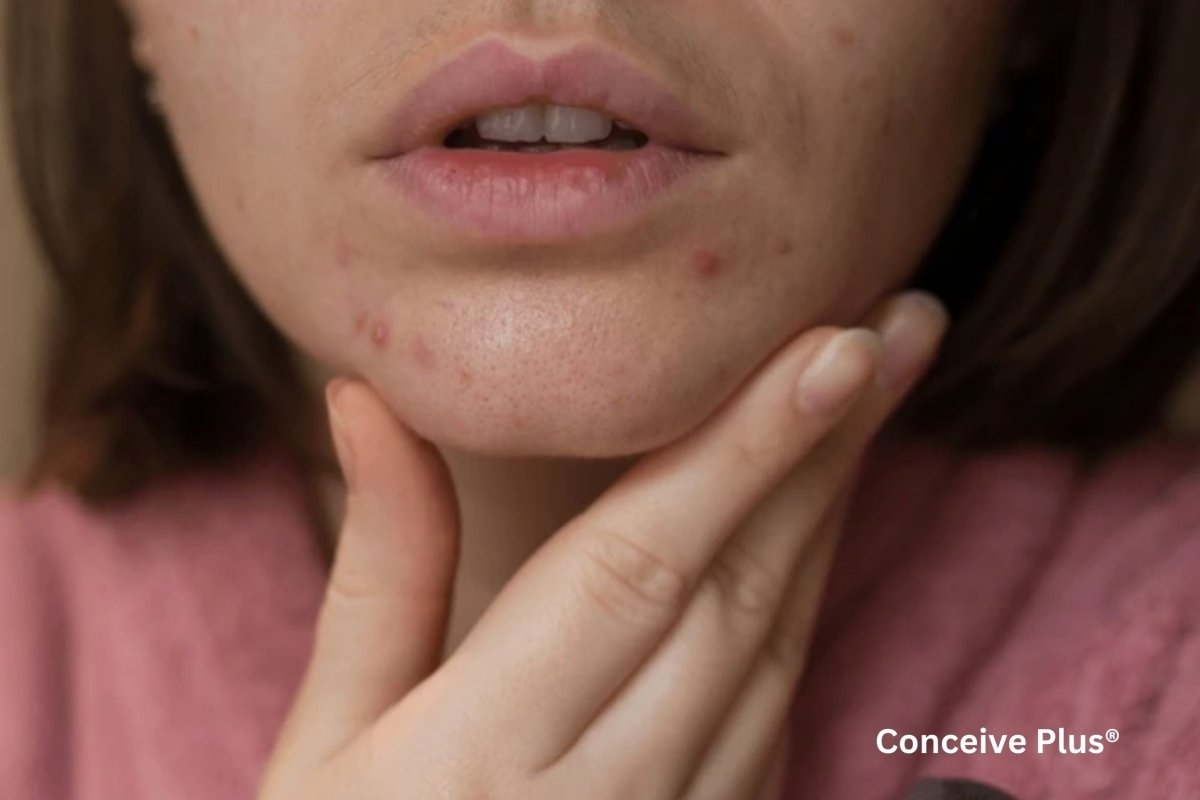

Pregnancy brings about many changes to your body, both expected and unexpected. You get ready for weight gain, morning sickness, and swollen ankles. But suddenly, a new thing shows up—acne. Yes, pregnancy acne is real. And we know how inconvenient they are.
Many women wonder, ‘is acne a sign of pregnancy?’ or, more specifically, ‘Is breaking out a sign of pregnancy?’ The growing number of pimples, particularly in the early stages of pregnancy, leaving many to ask if this could be one of the earliest indicators that they’re expecting.

The Hormonal Changes in the Body
A lot is happening inside your body. During pregnancy, your hormones go into overdrive. The surge in hormones like progesterone does many things to your body. It is vital for maintaining a healthy pregnancy, and it can stimulate the oil glands in your skin. This results in an increased sebum production, which can clog pores and trigger breakouts [1]. So, to answer the question, "can acne be a sign of pregnancy?"—yes, it certainly can.
Just like hormonal shifts can lead to breakouts, they can also cause muscle discomfort, leaving many to wonder, are body aches a sign of pregnancy?
But before you start connecting the dots, it’s important to note that not every woman will experience pregnancy acne. Hormonal changes affect everyone differently, which is why some might get breakouts while others might not notice any changes in their skin at all. And if you’re wondering, "Is acne a sign of early pregnancy?"—it could be, but it's not definitive. Other early symptoms like fatigue, nausea, and a missed period are more reliable indicators.
Acne Before Period or Pregnancy
Now, you might be wondering, are pimples signs of pregnancy or just ones caused by periods? It’s a valid question, given that premenstrual acne is a common struggle for many. The hormone progesterone is again the culprit here. It goes significantly high after ovulation and causes similar skin issues whether you're pregnant or not [2].
So, when trying to differentiate between acne before your period and acne as a sign of pregnancy, it’s a bit of a gray area. While acne can be a sign of pregnancy, it’s not a guarantee. A pregnancy test is the most reliable way to confirm. If you’re experiencing early symptoms and want to confirm your suspicions, the Conceive Plus Pregnancy Test is a reliable way to check before your missed period.
Myths and Misconceptions
There are age-old myths that go about acne sign of pregnancy. One of the more bizarre ones is that pregnancy acne can predict your baby’s gender. The myth goes that if you're breaking out, you might have a baby girl, while clear skin means a boy. However, there’s no scientific basis for this [3].
Acne during pregnancy is very normal and happens only due to hormones. It can never predict your baby’s sex. So, while it’s fun to speculate, your skin won’t reveal the gender of your little one.


✨ Think You Might Be Pregnant?
Get fast, accurate results up to 6 days before your missed period with our early detection pregnancy test.
Shop Now — $9.80✓ Free shipping on orders over $40 | ✓ Trusted by millions of couples worldwide
Managing Pregnancy Acne Safely
So, you’re dealing with these frustrating pimples—what now? If you’re tempted to reach for your usual skincare products, think twice. Many acne treatments contain ingredients that are unsafe during pregnancy. Retinoids, for example, are off-limits due to their link to birth defects. Even some over-the-counter products like salicylic acid and benzoyl peroxide should be used with caution [4]. Instead, go for safer options.
- Gentle, oil-free cleansers and moisturizers are your best friends right now.
- Look for products labeled non-comedogenic. They won’t clog your pores.
- A good skincare routine can help manage breakouts without putting your baby at risk.
And if your acne is severe? Consult your healthcare provider. They can recommend treatments that are safe for pregnancy, like certain topical antibiotics. Avoid self-medicating, as some seemingly harmless products can have unintended consequences during pregnancy.
The Bright Side: It Won’t Last Forever
Here’s a bit of good news—pregnancy acne typically isn’t permanent. For many women, their skin clears up as their hormone levels stabilize, which can happen later in pregnancy or after giving birth [5]. Of course, everyone’s experience is different, but most find that their skin eventually returns to its pre-pregnancy state.

The Bottom Line
Acne during pregnancy is a common yet frustrating side effect of the hormonal changes your body undergoes. While it can be disheartening to deal with breakouts on top of everything else, rest assured that it's a normal part of pregnancy for many. So, to circle back to the question, "is acne a sign of pregnancy?"—yes, it can be, but it’s just one of the many. The best course of action is to embrace gentle skincare practices and consult with your healthcare provider if you have concerns.
Remember, while acne can be annoying, it's just a small part of the long journey. Your body is nurturing a new life. And soon enough, you'll be busy caring about the little one, rather than your skin.
FAQs
1. Is acne a sign of pregnancy?
Yes, acne can be a sign of pregnancy. Increasing progesterone levels can cause the skin to produce more oil. This leads to clogged pores and breakouts. However, acne alone cannot be a definitive sign. It’s important to look for other early pregnancy symptoms.
2. Can acne be a sign of early pregnancy?
Yes, acne can be a sign of early pregnancy. Hormonal changes can be the reason for skin breakouts in the first trimester. However, not every pregnant woman experiences acne. So, it’s better to rely on other symptoms.
3. Is breaking out a sign of pregnancy, or is it just my usual pre-period acne?
It can be difficult to tell the difference between acne caused before your period and pregnancy-related breakouts. Hormonal changes cause both. So, If you have been trying to conceive, consider taking a pregnancy test to confirm.
4. How can I safely treat pregnancy acne?
To safely treat pregnancy acne, use gentle, non-comedogenic skincare products that won’t clog your pores. Avoid treatments with retinoids or salicylic acid, as they are not recommended during pregnancy. Consult your healthcare provider before using any acne medications.
5. Can pimples be sign of pregnancy, and do they indicate the baby’s gender?
Pimples can be a sign of pregnancy due to hormonal changes, but they do not indicate the baby’s gender. The myth that acne during pregnancy predicts a girl is not backed by science. Acne is simply a response to hormonal fluctuations, regardless of the baby’s sex.
6. How long will I have to deal with pregnancy acne?
Pregnancy acne usually improves as hormone levels stabilize, which can occur later in pregnancy or after childbirth. While dealing with acne during pregnancy can be frustrating, most women find that their skin returns to normal after giving birth.
Resources
- Chien AL, Qi J, et al. “Treatment of acne in pregnancy.” J Am Board Fam Med. 2016;29(2):254-62 Retrieved From https://www.aad.org/public/diseases/acne/derm-treat/pregnancy
- Lawrence E. Gibson, M.D.- What's the best way to treat pregnancy acne?- https://www.mayoclinic.org/healthy-lifestyle/pregnancy-week-by-week/expert-answers/pregnancy-acne/faq-20058045
- Kumar P, Magon N. Hormones in pregnancy. Niger Med J. 2012 Oct;53(4):179-83. doi: 10.4103/0300-1652.107549. PMID: 23661874; PMCID: PMC3640235. https://www.ncbi.nlm.nih.gov/pmc/articles/PMC3640235/
- Kutlu Ö, Karadağ AS, Ünal E, Kelekçi KH, Yalçınkaya İyidal A, Topaloğlu Demir F, Aksoy B, Çölgeçen E, Tosun M, Emre S, Tatlıparmak A, Demirseren DD, Kaya Özden H, Öztürk M, Özlü E, Chen W. Acne in pregnancy: A prospective multicenter, cross-sectional study of 295 patients in Turkey. Int J Dermatol. 2020 Sep;59(9):1098-1105. doi: 10.1111/ijd.14999. Epub 2020 Jun 20. PMID: 32562263.
- Jee SB, Sawal A. Physiological Changes in Pregnant Women Due to Hormonal Changes. Cureus. 2024 Mar 5;16(3):e55544. doi: 10.7759/cureus.55544. PMID: 38576690; PMCID: PMC10993087.
🌱 Get Answers Early
Millions of women trust Conceive Plus for their fertility journey. Clinically validated pregnancy tests delivered to your door.
Shop Pregnancy Tests →Frequently Asked Questions
Recommended by Fertility Experts
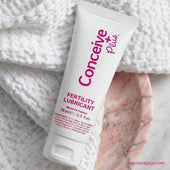
Conceive Plus Fertility Lubricant
Specially formulated to be sperm-friendly and isotonic, supporting your natural conception journey without disrupting the reproductive environment.
Shop Now →Q: Is acne a sign of early pregnancy?
A: Acne can be an early pregnancy symptom for some women, though it's not universal. During early pregnancy, hormonal fluctuations—particularly increases in progesterone—can trigger or worsen acne breakouts, typically appearing within the first 8 days after ovulation (8DPO) through the first trimester. However, acne alone is not a definitive pregnancy indicator, as similar hormonal changes occur during your regular menstrual cycle. According to the American College of Obstetricians and Gynecologists (ACOG), pregnancy acne affects approximately 40-50% of pregnant women. If you suspect you're pregnant, a blood test measuring human chorionic gonadotropin (hCG) levels remains the most reliable confirmation method.
Q: Can acne before a missed period mean I'm pregnant?
A: Yes, acne before a missed period can potentially indicate pregnancy, as hormonal changes begin immediately after conception. Rising progesterone levels stimulate sebaceous glands to produce more oil, leading to breakouts in the days and weeks following ovulation and fertilization. That said, pre-period acne is also extremely common due to the natural hormonal shifts of your menstrual cycle, making it difficult to distinguish pregnancy-related breakouts from cycle-related ones without additional symptoms. For accurate pregnancy detection, the American Association of Reproductive Medicine recommends waiting until at least 12-14 days after ovulation to take a home pregnancy test, or consulting your healthcare provider for a blood test. Many women find that tracking multiple symptoms alongside acne—such as breast tenderness, fatigue, or nausea—provides better insight into whether pregnancy might be occurring.
Q: How can I tell the difference between acne before my period and acne from pregnancy?
A: Distinguishing between pre-period acne and pregnancy acne is challenging because both are driven by hormonal changes, but timing and accompanying symptoms can offer clues. Pre-period acne typically appears 7-10 days before menstruation and often resolves once your period starts, whereas pregnancy acne tends to persist and worsen throughout the first trimester. The key difference lies in accompanying symptoms: pregnancy acne may occur alongside other early pregnancy signs like breast tenderness, fatigue, nausea, and changes in appetite or food preferences. The most reliable way to determine the cause is through a pregnancy test—home tests are 99% accurate when taken after a missed period, while blood tests can detect pregnancy 6-8 days after ovulation. If you're actively trying to conceive, maintaining overall skin health through Conceive Plus's holistic wellness approach, which supports hormonal balance during your fertility journey, may help you feel more confident during the waiting period.
Q: Is acne at 8 DPO a sign that I'm pregnant?
A: Acne at 8 days past ovulation (8DPO) can potentially indicate early pregnancy, as progesterone levels begin rising after ovulation and conception. However, this timing falls within the luteal phase of your cycle when hormonal changes naturally occur regardless of pregnancy status, making it impossible to confirm pregnancy based on acne alone at this stage. Most pregnancy symptoms, including acne, require several more days to develop noticeably, and the most reliable detection methods involve hCG testing at 10-12 DPO or later. According to fertility research, attempting to diagnose pregnancy before a missed period using symptoms is largely unreliable, as fewer than 50% of early pregnancy symptoms are unique to pregnancy. If you're monitoring early pregnancy symptoms, keeping a detailed log alongside your ovulation tracking can help you identify patterns and determine when testing would be most accurate.
Q: Why does pregnancy cause acne more than regular hormonal changes?
A: Pregnancy causes more pronounced acne than regular menstrual cycle hormonal changes because progesterone levels are significantly higher and sustained throughout pregnancy rather than fluctuating cyclically. During your menstrual cycle, progesterone rises and falls within a specific window, but during pregnancy, progesterone levels continuously increase, providing prolonged stimulation to sebaceous glands and resulting in excess oil production. Additionally, pregnancy hormones suppress certain immune responses, allowing acne-causing bacteria (Cutibacterium acnes) to proliferate more readily on the skin. Research published in the Journal of Clinical and Aesthetic Dermatology found that 40-50% of pregnant women experience worsening acne, with many cases beginning in the first trimester and potentially continuing throughout pregnancy. Managing skin health during this hormonal transition—through proper cleansing, targeted skincare, and supporting overall reproductive health with adequate nutrition and supplementation—can help minimize breakouts while you enjoy your pregnancy journey.
Trusted by Couples in Over 70 Countries
Start Your Fertility Journey With the Right Support
Conceive Plus Fertility Lubricant is specially formulated to be compatible with sperm, eggs, and embryos. Whether you are just starting out or have been trying for a while, our products are designed to work with your body — not against it.
Explore Fertility Lubricant →