What is Infertile Discharge and How It Prevents Conception?

Cervical discharge, or cervical mucus, is a fluid secreted by glands in the cervix. It is composed mainly of water, proteins, enzymes, and electrolytes. The discharge protects the uterus from infections by stopping the entry of harmful foreign agents [1].
Cervical discharge can also help or hinder sperm movement, depending on the phase of the menstrual cycle. When it helps transport sperm cells into the uterus, it is called fertile discharge. On the other hand, when it hinders sperm movement, it is called infertile discharge.

Fertile Cervical Mucus During Ovulation
As ovulation approaches, an increase in estrogen levels causes cervical mucus to become clear and stretchy, resembling raw egg white in texture [2]. The high water content and nutrient-rich environment of egg white cervical mucus is ideal for sperm survival and movement.
The thin, slippery consistency allows sperm to swim quickly through the cervix and into the uterus, increasing the chances of fertilization. Because of these properties, the vaginal discharge around ovulation is characterized as fertile discharge. This fertile phase typically lasts a few days, known as the female fertility window.
Infertile Cervical Mucus Outside Ovulation
During most of the menstrual cycle, when ovulation is not occurring, cervical mucus becomes thicker and more viscous. This infertile discharge serves a protective role by making it harder for sperm to penetrate the cervix.
In addition to stopping sperm, this type of mucus helps prevent bacteria and other foreign particles from entering the uterus, lowering the risk of infections and improving overall reproductive health [1].
Infertility Discharge During Ovulation
Although the fertile window is supposed to have a fertile cervical mucus, some women may experience an infertile discharge even during ovulation. In these cases, the mucus may not develop the typical clear and stretchy texture needed for sperm survival.
The infertile discharge might look similar to the fertile type, but its chemical composition may not allow the sperm to reach the egg for fertilization. Such changes in cervical discharge can result from factors that influence hormonal balance or affect the cervical environment.

What are Other Infertility Symptoms?

✨ Trying to Conceive?
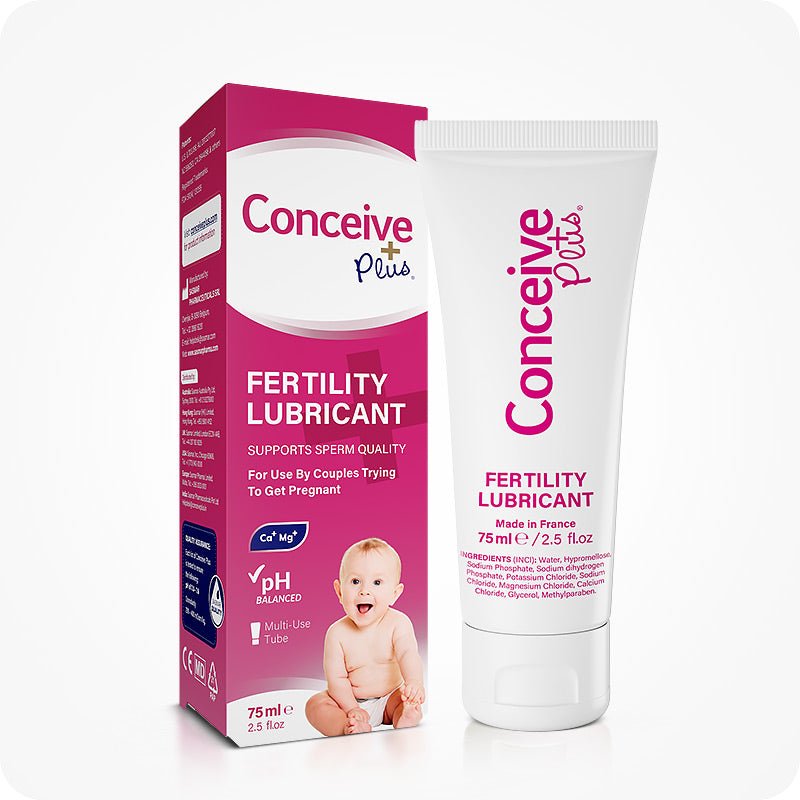
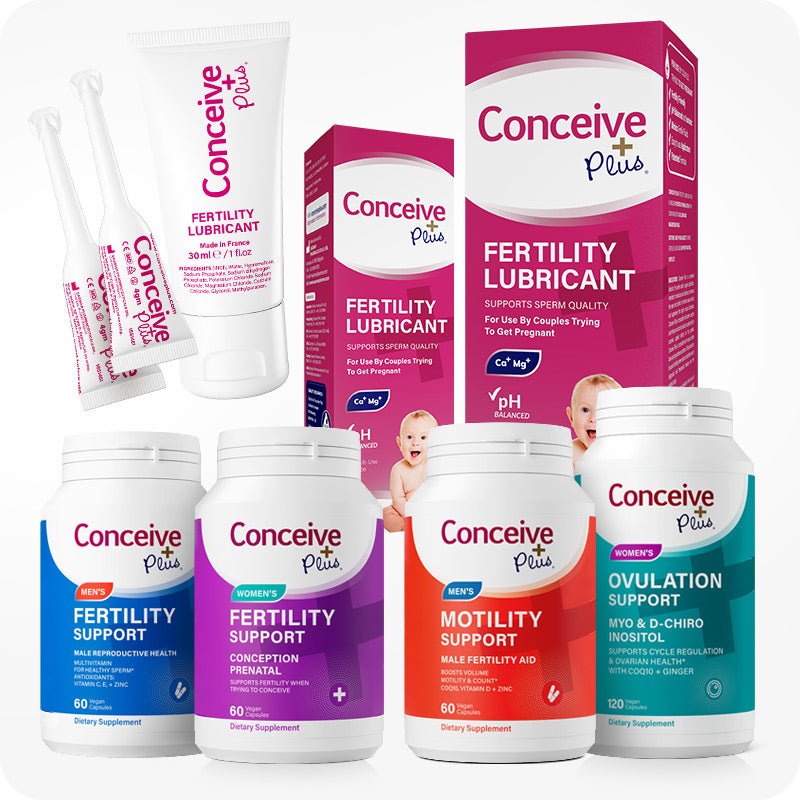
Our Ovulation & Fertility Bundle combines Myo-Inositol with essential vitamins to support healthy hormone balance and regular ovulation.
Shop Now — $55.00✓ Free shipping on orders over $40 | ✓ Trusted by millions of couples worldwide
Besides abnormal changes in cervical mucus, your body hints at infertility in many other ways. Irregular menstrual cycles, where periods come too early or too late, are among the primary indications of problems with fertility [3].
Some women experience pelvic pain that can be mild or strong. Such pain can result from problems with the reproductive system, such as sexually transmitted infections or blockage [4]. Hormonal imbalances can also negatively affect reproductive functioning, making conception less likely.
Other infertility symptoms can include unexpected weight changes and mood swings. Experiencing such signs once in a while may not be an issue. However, if such signs persist, it is recommended to seek professional advice to avoid serious complications.
Possible Cervical Mucus Issues
Here are some possible cervical mucus issues that can lead to infertile discharge during ovulation:
-
Hormonal Imbalances
Hormonal imbalances, particularly low estrogen levels, can prevent cervical mucus from becoming thin and stretchy during ovulation. Without the right hormonal signals, the mucus may remain thick and inhibit the sperm movement.
-
Infections and Inflammation
Cervical infections or inflammation can negatively influence the chemical makeup of cervical mucus [5]. These conditions can disrupt the normal consistency and composition of the mucus, making it less supportive for sperm during the fertile window.
-
Medication Effects
Certain medications, such as hormonal treatments or contraceptives, can influence the properties of cervical mucus. These medications and treatments can result in a mucus discharge that is not optimal for sperm survival, even at the time of ovulation.
-
Lifestyle Factors
Lifestyle factors, including stress, diet, and overall health, may also impact cervical mucus quality. High-stress levels or poor nutritional status can affect hormonal balance and, as a result, the consistency of cervical mucus. Constant exposure to such factors can lead to infertile cervical discharge and lower the chances of conception.

Addressing Cervical Mucus Changes
Understanding the types of cervical mucus is significantly helpful for women trying to conceive. Monitoring changes in mucus consistency can provide valuable insights into reproductive health.
If you notice that your mucus seems unusual during your fertile days, it's a good idea to speak with your doctor. They might suggest some tests to see if there’s an underlying issue and help you find the right fertility treatment to boost your chances of conceiving.
If you're curious about how cervical mucus quality influences reproductive potential, explore our guide on fertile vs infertile sperm for more in-depth insights.
The Bottom Line
The cervix produces a mucus-like discharge which changes in composition and consistency throughout the menstrual cycle. During ovulation, it becomes thin and stretchy, which supports the transport of sperm cells into the uterus.
However, certain issues with cervical mucus can result in infertile discharge during ovulation. Infertile discharge refers to thick and viscous mucus that inhibits sperm movement. Improving dietary and lifestyle habits can help resolve problems with cervical discharge in some cases. In other cases, you need proper medical care to diagnose and address the underlying issue.
Resources Used
- Adnane, M., & Meade, K. G. (2018). Cervico-vaginal mucus (CVM) – an accessible source of immunologically informative biomolecules. Veterinary Research Communications, 42(4), 255. https://doi.org/10.1007/s11259-018-9734-0
- Professional, C. C. M. (2025, February 12). Cervical mucus. Cleveland Clinic. https://my.clevelandclinic.org/health/body/21957-cervical-mucus
- Irregular periods. (2025, March 19). Cleveland Clinic. https://my.clevelandclinic.org/health/diseases/14633-abnormal-menstruation-periods
- Garcia, M. R., Leslie, S. W., & Wray, A. A. (2024, April 20). Sexually transmitted infections. StatPearls - NCBI Bookshelf. https://www.ncbi.nlm.nih.gov/books/NBK560808/
- Iqbal, U., Carlson, K., & Wills, C. (2025, January 21). Cervicitis. StatPearls - NCBI Bookshelf. https://www.ncbi.nlm.nih.gov/books/NBK562193/
🌱 Support Your Fertility Journey
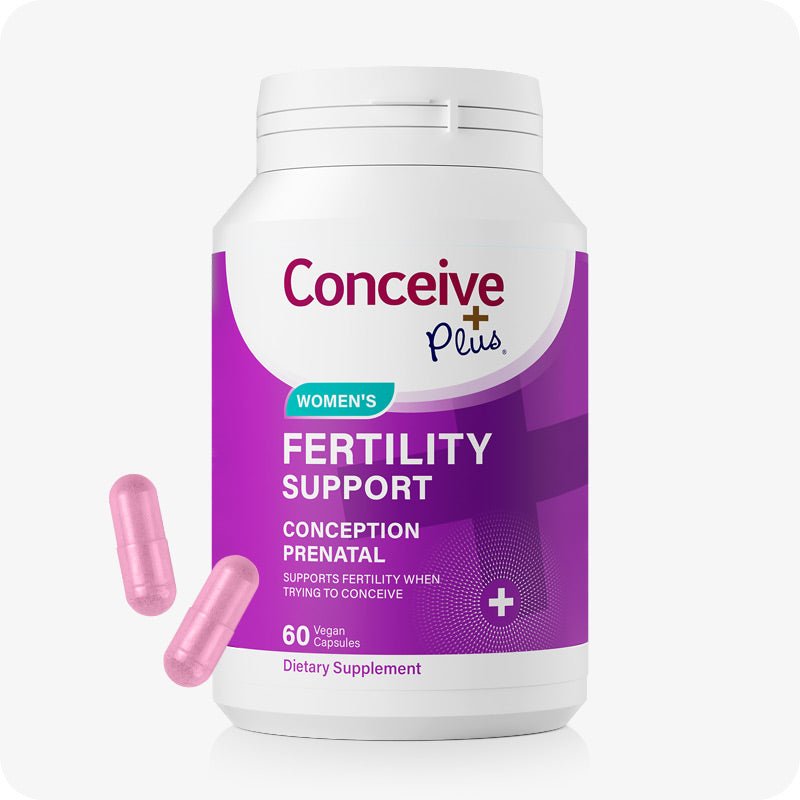
Conceive Plus fertility supplements are clinically formulated to help regulate your cycle and support egg quality.
Shop Fertility Support →Frequently Asked Questions
Recommended by Fertility Experts
Conceive Plus Men's Fertility Support
Designed to support healthy sperm production, motility, and overall male reproductive health with clinically studied nutrients.
Shop Now →Q: Can leukorrhea cause infertility?
A: Leukorrhea, the medical term for normal vaginal discharge, does not cause infertility on its own. However, changes in cervical mucus consistency and volume can affect fertility. According to the American Society for Reproductive Medicine (ASRM), thick, sticky cervical mucus during infertile phases of the menstrual cycle creates an acidic environment that immobilizes sperm, preventing fertilization. If leukorrhea is accompanied by signs of infection—such as unusual odor, color changes, itching, or pain—it may indicate a condition like bacterial vaginosis or yeast infection that could impact conception. Maintaining proper vaginal health and understanding your cervical mucus patterns throughout your cycle is essential for optimizing fertility.
Q: What does infertile cervical mucus look like?
A: Infertile cervical mucus typically appears thick, sticky, and opaque, ranging in color from white to yellowish. This consistency creates a hostile environment for sperm movement and is most common during the luteal phase (after ovulation) when progesterone levels are elevated. The mucus may feel tacky between your fingers and does not stretch, which are key indicators of low fertility. In contrast, fertile cervical mucus during ovulation is clear, stretchy (resembling raw egg whites), and allows sperm to swim freely through the cervix into the uterus. Tracking these visual and tactile changes helps many women identify their most fertile days.
Q: How does cervical mucus affect sperm movement?
A: Cervical mucus composition directly impacts sperm survival and transport through the female reproductive tract. During the fertile window, cervical mucus becomes thin and alkaline, which neutralizes vaginal acidity and provides essential nutrients that extend sperm viability up to five days, according to fertility research from the National Institutes of Health. The stretchy, watery consistency creates clear channels that allow sperm to navigate through the cervix and into the fallopian tubes. Conversely, thick, acidic infertile discharge immobilizes sperm within hours, essentially creating a biological barrier to conception. Supplements like Conceive Plus are formulated with an optimized pH that mimics fertile cervical mucus, supporting natural sperm movement when used as directed.
Q: What causes thick cervical mucus throughout the cycle?
A: Thick cervical mucus throughout your entire menstrual cycle may result from hormonal imbalances, thyroid disorders, polycystic ovary syndrome (PCOS), or infections affecting the cervix. Approximately 12% of U.S. women of reproductive age experience PCOS, which commonly causes abnormal cervical mucus patterns that can impact fertility. Dehydration, certain medications, and low estrogen levels can also contribute to consistently thick discharge. If you notice this pattern, consulting a healthcare provider or fertility specialist can help identify underlying causes and treatment options. Maintaining adequate hydration and overall reproductive health is foundational, whether you're trying to conceive naturally or pursuing assisted fertility treatments.
Q: When during your cycle is cervical mucus most infertile?
A: Cervical mucus is most infertile during the luteal phase, which begins after ovulation and extends until menstruation, typically lasting 10-14 days. During this phase, progesterone dominates hormone levels and triggers the production of thick, cellular mucus that effectively blocks sperm passage. The immediate post-menstrual phase also features minimal cervical mucus production, creating another infertile window. According to ASRM guidelines, fertility awareness methods rely on recognizing these mucus changes to identify the infertile phases—usually about 8-10 days per cycle when conception is unlikely. Understanding your personal cervical mucus pattern helps clarify your unique fertile window and can improve timing when attempting conception.
Trusted by Couples in Over 70 Countries
Support Male Fertility From the Inside Out
Male fertility is just as important as female fertility in the conception journey. Conceive Plus Men's range delivers targeted nutritional support to promote healthy sperm and overall reproductive wellbeing.
Shop Men's Range →