How to Tell If You Have Achieved Pregnancy?

Pregnancy occurs when the female egg is fertilized by the sperm inside the female body. The female body releases one egg per menstrual cycle, a stage called ovulation [1]. The egg released in ovulation travels to the fallopian tube, where it waits for the sperm cells. Many women wonder how to tell if you have conceived, as early pregnancy symptoms can vary from person to person.
When a sperm cell reach the egg and fertilizes it, it marks the start of pregnancy. A woman experiences several characteristic signs indicating that she has achieved pregnancy. This knowledge of the early signs of pregnancy will help provide better care to the mother and the baby.
In this article, we will guide you on some early signs of pregnancy. The article also includes some tips for a healthy and successful pregnancy.

What is the Primary Indication of Pregnancy?
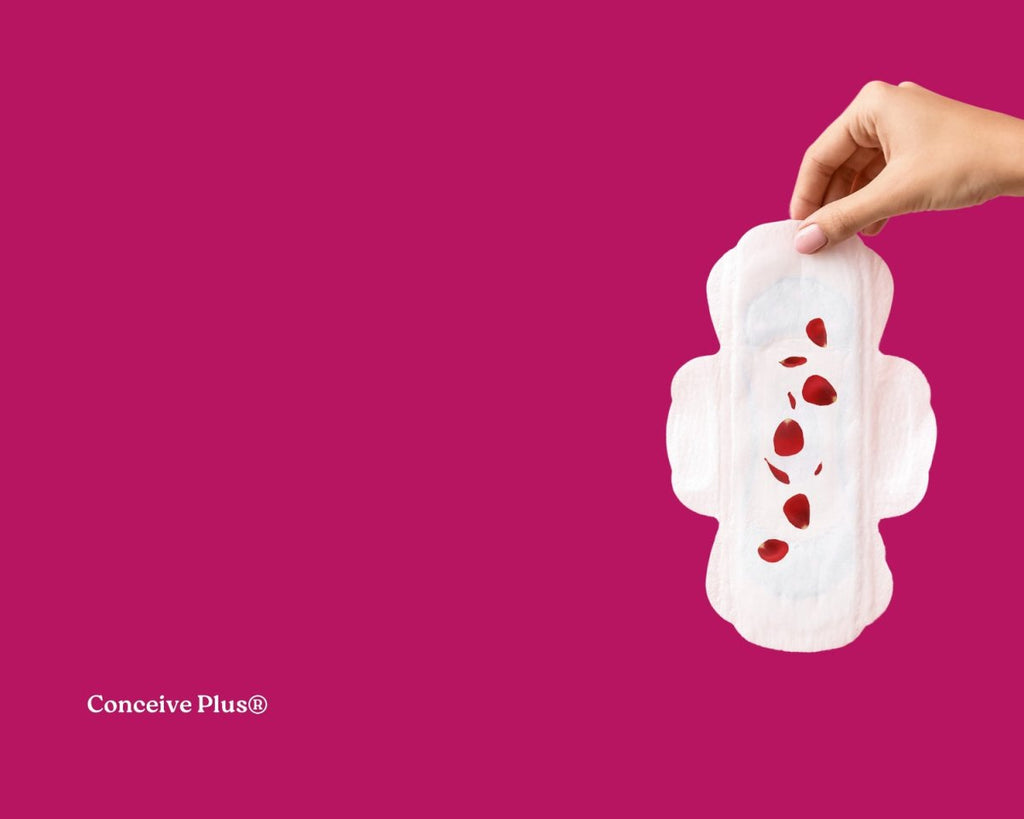
The earliest sign of pregnancy is usually implantation bleeding [2]. This light bleeding from the vagina occurs when the fertilized egg attaches itself to the lining of the uterus. It usually happens about 10 to 14 days after ovulation [3].
Since Implantation bleeding occurs at the same time as periods, many women confuse implantation blood with period blood. Apparently, the implantation bleeding is different from a period as it is much lighter in color and flow. The blood in implantation bleeding is pinkish or brownish, unlike the dark red blood in menses.
The spotting typically lasts only a few hours to two days. On the other hand, period blood can be seen for several days, which distinguishes implantation bleeding from the period. This is an early hint for women about their pregnancy.
Other Early Signs of Pregnancy
Not every woman experiences implantation bleeding. According to reports, implantation bleeding occurs in 1 in 4 pregnant women [3]. Thus, in addition to implantation blood, you must look for other common symptoms of pregnancy [4].
Other early signs and symptoms that may suggest you have achieved pregnancy are:
- Missed Period: When you miss periods, it is the most obvious sign of pregnancy. If your menstrual cycle is regular and you miss a period, it means that your body is preparing for pregnancy.
- Breast Changes: When pregnancy hormone levels rise after the embryo's implantation into the uterus, you start to experience changes in your breasts. They may feel tender, swollen, or sore. Your nipples may become darker, and the veins in your breasts sometimes appear more prominent.
- Fatigue: Feeling tired more than usual is another early sign of pregnancy. The body works harder to support the growing embryo, causing a drop in energy levels.
- Nausea or Morning Sickness: Nausea is a common early sign of pregnancy in most women. Sometimes, it also results in vomiting. This symptom can start as early as two weeks after conception.
- Frequent Urination: Studies show that hormonal changes during pregnancy can affect kidneys [5]. An increase in urination can occur as early as two to three weeks after conception.
- Mood Swings: Mood swings in females are normally associated with hormonal changes. Hormonal shifts during early pregnancy can cause mood changes, making you feel more emotional than usual.

✨ Think You Might Be Pregnant?
Get fast, accurate results up to 6 days before your missed period with our early detection pregnancy test.
Shop Now — $9.80✓ Free shipping on orders over $40 | ✓ Trusted by millions of couples worldwide
Pregnancy Tests to Confirm Pregnancy
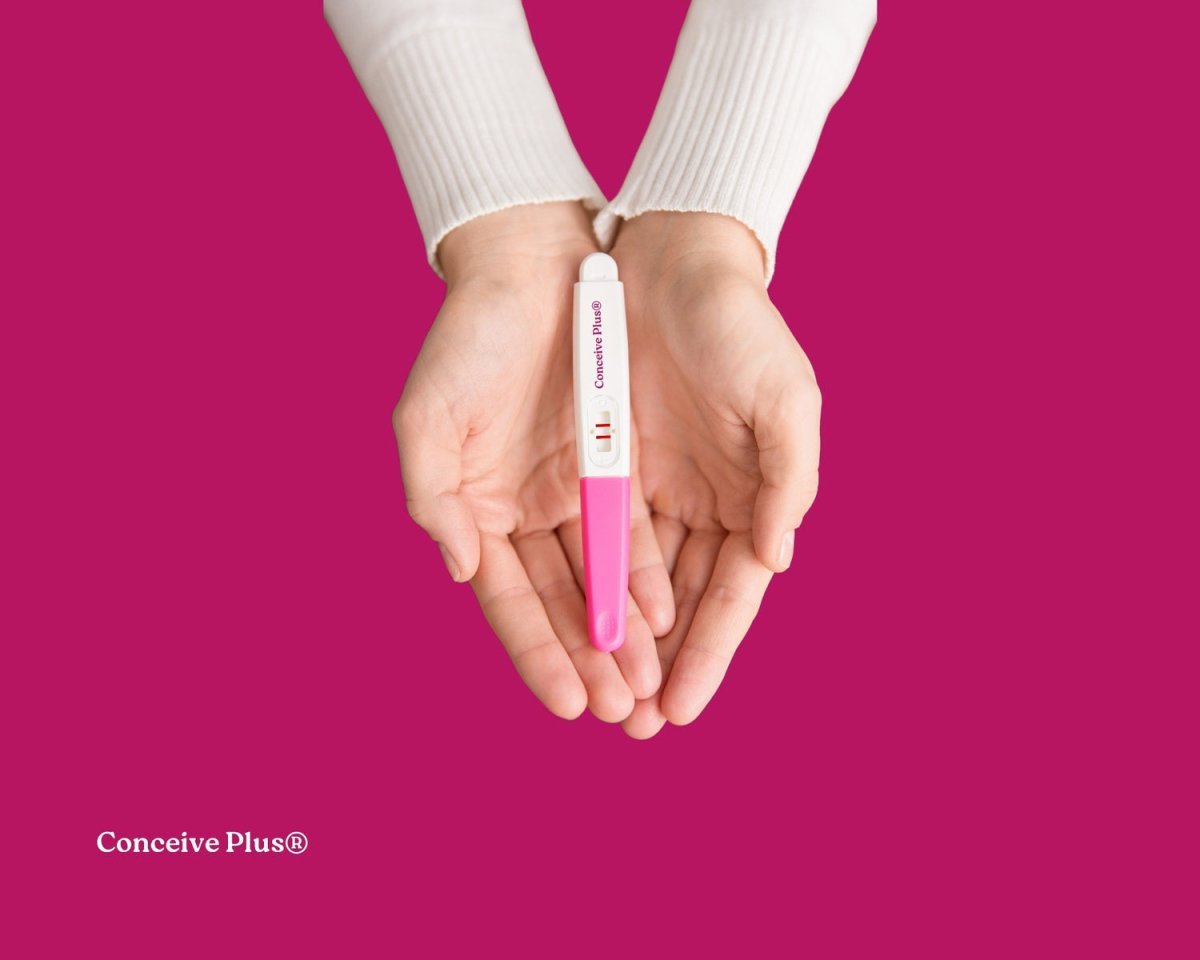
When experiencing early pregnancy symptoms, women often ask, how do I know If I have conceived? The most reliable way to confirm if you have achieved pregnancy is by taking a pregnancy test. There are two main types of tests:
- Home Pregnancy Test: This is a quick and easy method to check for pregnancy at home. Home tests detect the presence of the hormone hCG (human chorionic gonadotropin), which is produced by the placenta after implantation [6].

- Blood Test: A blood test by a testing facility can detect pregnancy earlier than a home test, typically within 6 to 8 days after ovulation. This method is more accurate and can also measure the exact levels of hCG in your bloodstream.
What to Do if Your Pregnancy Test is Positive?
If your pregnancy test comes back positive, it's time to start taking care of yourself and your growing baby. Here are a few steps to follow:
- Contact Your Doctor: Set up a visit with your healthcare provider to confirm the pregnancy and start your prenatal care. Your doctor will perform tests, including blood work and possibly an ultrasound, to ensure everything is progressing normally.
- Begin Prenatal Care: Prenatal vitamins with folic acid are essential for the healthy development of your baby's neural tube. Your doctor will likely recommend other supplements or lifestyle changes to support your pregnancy.

- Eat a Balanced Diet: Focus on eating nutritious foods that will provide the essential vitamins and minerals you need for a healthy pregnancy. In addition to diet, you can also get these essential nutrients from fertility supplements for women.
- Avoid Harmful Substances: Stop smoking, drinking alcohol, and using any recreational drugs immediately, as they are risk factors for pregnancy. These substances can harm your and your baby’s health.
Conclusion: Importance Of Early Pregnancy Signs
Early pregnancy symptoms will tell you that you are pregnant through missed periods, implantation bleeding, and morning sickness. You can notice the changes in your body through these symptoms. Learning how to tell if you have conceived involves paying attention to these early signs and understanding your body's changes. By finding such signs, you can take a pregnancy test to confirm whether it is true.
Once the pregnancy has been confirmed, it is important to start taking care of oneself by consulting a doctor and developing healthy habits that are beneficial to the mother and the baby.
Resources Used
- Thiyagarajan, D. K., Basit, H., & Jeanmonod, R. (2022, October 24). Physiology, Menstrual Cycle. StatPearls - NCBI Bookshelf. https://www.ncbi.nlm.nih.gov/books/NBK500020/
- Shahid. (2024c, September 29). Implantation Bleeding: What Every Woman Should Know. Conceive Plus®. https://conceiveplus.com/blogs/blog/implantation-bleeding-what-every-woman-should-know
- Professional, C. C. M. (2024k, August 9). Implantation Bleeding. Cleveland Clinic. https://my.clevelandclinic.org/health/symptoms/24536-implantation-bleeding
- Lutterodt, M. C., Kähler, P., Kragstrup, J., Nicolaisdottir, D. R., Siersma, V., & Ertmann, R. K. (2019). Examining to what extent pregnancy-related physical symptoms worry women in the first trimester of pregnancy: A cross-sectional study in general practice. BJGP Open, 3(4). https://doi.org/10.3399/bjgpopen19X101674
- Hussein, W., & Lafayette, R. A. (2013). Renal function in normal and disordered pregnancy. Current Opinion in Nephrology and Hypertension, 23(1), 46. https://doi.org/10.1097/01.mnh.0000436545.94132.52
- Gnoth, C., & Johnson, S. (2014). Strips of Hope: Accuracy of Home Pregnancy Tests and New Developments. Geburtshilfe und Frauenheilkunde, 74(7), 661-669. https://doi.org/10.1055/s-0034-1368589
🌱 Get Answers Early
Millions of women trust Conceive Plus for their fertility journey. Clinically validated pregnancy tests delivered to your door.
Shop Pregnancy Tests →Frequently Asked Questions
Recommended by Fertility Experts
Conceive Plus Men's Fertility Support
Designed to support healthy sperm production, motility, and overall male reproductive health with clinically studied nutrients.
Shop Now →How soon after conception can I take a pregnancy test?
Most home pregnancy tests can detect pregnancy hormones (hCG) about 12-14 days after ovulation, or around the time you miss your period. For the most accurate results, the FDA recommends taking a test after you've missed your period, as testing too early may result in a false negative. Some sensitive tests claim to detect pregnancy 6-8 days after ovulation, but accuracy increases with later testing.
What's the difference between implantation bleeding and a period?
Implantation bleeding is typically lighter, shorter (lasting a few hours to 2 days), and pinkish or brownish in color, while a period is heavier, lasts 3-7 days, and is dark red. Implantation bleeding occurs 10-14 days after ovulation when the fertilized egg attaches to the uterine lining, whereas periods occur on a regular cycle. Only about 25% of pregnant women experience implantation bleeding, so its absence doesn't rule out pregnancy.
Can I get pregnant if I don't feel any early pregnancy symptoms?
Yes, absolutely. Many women have successful pregnancies without experiencing noticeable early symptoms—the only reliable indicator is a positive pregnancy test after a missed period. Symptom severity and timing vary widely between individuals due to differences in hormone levels and sensitivity. If you've missed your period, a pregnancy test is the most reliable way to confirm pregnancy, regardless of symptoms.
How does the ASRM recommend confirming pregnancy?
The American Society for Reproductive Medicine (ASRM) recommends a blood test (quantitative hCG) or urine pregnancy test (qualitative hCG) for confirmation, with blood tests being more sensitive and able to detect pregnancy earlier. A transvaginal ultrasound can also confirm pregnancy around 4-6 weeks after ovulation. If you suspect pregnancy, contact your healthcare provider or fertility clinic, as they can determine the best testing approach for your situation.
Is breast tenderness always a sign of pregnancy?
No, breast tenderness can result from hormonal fluctuations during your regular menstrual cycle, certain medications, caffeine intake, or other health conditions. While breast changes (tenderness, swelling, darker nipples) are common early pregnancy signs, they typically appear after implantation and rising progesterone levels. Breast tenderness alone is not a reliable pregnancy indicator; it should be considered alongside other symptoms like a missed period.
What should I do immediately after discovering I'm pregnant?
Schedule an appointment with your OB-GYN or reproductive endocrinologist within the first few weeks to confirm the pregnancy and establish prenatal care. Start taking a prenatal vitamin with at least 400 micrograms of folic acid, which the FDA recommends for all women of childbearing age. Avoid smoking, alcohol, and unnecessary medications, and begin tracking your last menstrual period to help determine your due date.
Does insurance cover pregnancy tests and early pregnancy care?
Most US health insurance plans cover pregnancy tests and prenatal care once you've received a diagnosis, though coverage details depend on your specific plan and deductible. Some Medicaid programs and federally qualified health centers offer free or low-cost testing and early pregnancy services. Contact your insurance provider or local health department to understand your coverage options before scheduling your first prenatal appointment.
Trusted by Couples in Over 70 Countries
Support Male Fertility From the Inside Out
Male fertility is just as important as female fertility in the conception journey. Conceive Plus Men's range delivers targeted nutritional support to promote healthy sperm and overall reproductive wellbeing.
Shop Men's Range →