How To Get Pregnant Fast - Low sperm count avoid too much sex ??
How to use Conceive Plus to get pregnant - http://www.conceiveplus.com
PREGNANCY TIPS TO HELP YOU CONCEIVE
The time to start working toward a healthy pregnancy is before you conceive. Read more here

✨ Support Healthy Sperm
Our Motility Support supplement contains Zinc, CoQ10, and L-Carnitine — clinically studied nutrients for sperm health and motility.
Shop Now — $34.95✓ Free shipping on orders over $40 | ✓ Trusted by millions of couples worldwide
MORE ABOUT CONCEIVE PLUS
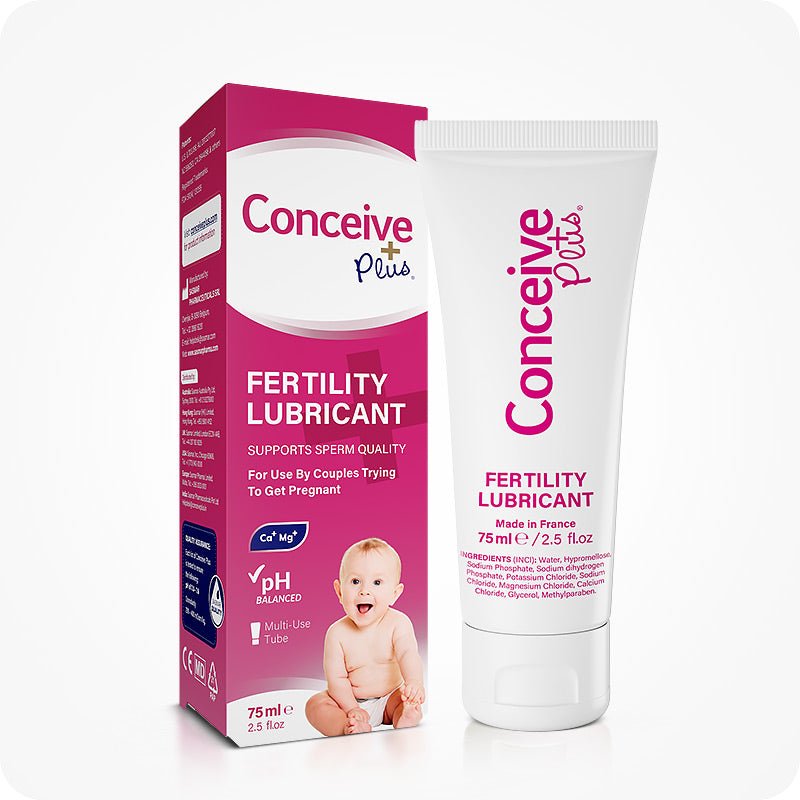
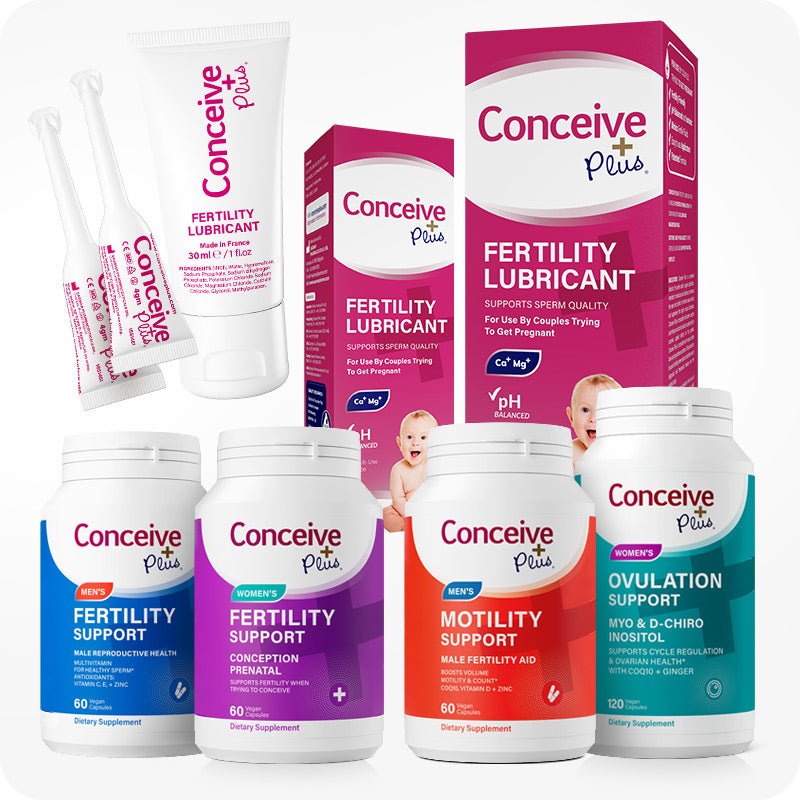
If you have just started trying to get pregnant or have been trying for a while, Conceive Plus can help increase your chances of conception naturally! Recommended by doctors, pharmacists and fertility clinics in more than 60 countries. This is the fertility lubricant cleared by the FDA and a prescription from a Doctor is not required.
CONCEIVE PLUS OVULATION CALCULATOR Use our ovulation calculator to find out the best time to get pregnant. Understanding when you are ovulating (your fertility period) will significantly increase your chances of conception.
🌱 Boost Male Fertility Naturally
Conceive Plus Men's Motility Support is formulated with the nutrients that matter most for sperm quality, count, and motility.
Shop Men's Fertility →Frequently Asked Questions
Recommended by Fertility Experts
Conceive Plus Men's Fertility Support
Designed to support healthy sperm production, motility, and overall male reproductive health with clinically studied nutrients.
Shop Now →Does having too much sex reduce fertility or lower sperm count?
Frequent ejaculation can temporarily reduce sperm count, but studies show that having sex every day or every other day during your fertile window actually maximizes conception chances. The American Society for Reproductive Medicine (ASRM) recommends regular intercourse throughout your cycle rather than restricting frequency, as sperm regenerates continuously. Abstinence for extended periods may actually decrease sperm quality.
What is the best timing for intercourse to get pregnant?
The fertile window occurs in the 5 days leading up to and including ovulation, with the two days before ovulation being most fertile. Tracking ovulation through methods like ovulation predictor kits, basal body temperature, or cervical mucus monitoring helps identify this window. Having intercourse every other day during this period maximizes your chances of conception.
What supplements or nutrients support male fertility and sperm health?
Research from the American Urological Association supports several nutrients for sperm health, including zinc, CoQ10, L-carnitine, and selenium. While supplements may help support sperm quality and motility, they work best when combined with lifestyle changes like maintaining a healthy weight, reducing stress, and avoiding smoking and excessive heat exposure. Consult with a fertility specialist before starting any supplement regimen.
Are fertility lubricants safe to use when trying to conceive?
Most standard lubricants can impair sperm motility, so fertility-specific lubricants designed to be sperm-friendly are recommended by fertility clinics. The FDA has cleared certain fertility lubricants that mimic the pH and consistency of natural cervical mucus without damaging sperm function. Always verify that any lubricant you use is specifically formulated for conception attempts.
How long should we try before seeing a fertility specialist?
The American College of Obstetricians and Gynecologists (ACOG) recommends seeking evaluation after one year of unprotected intercourse for those under 35, or after six months for those 35 and older. If you have known fertility risk factors, irregular cycles, or a history of reproductive issues, earlier evaluation is advisable. A fertility specialist can assess both partners' health and recommend appropriate testing and treatment options.
What lifestyle changes improve fertility for both men and women?
Key fertility-boosting lifestyle changes include maintaining a healthy BMI, managing stress, getting adequate sleep, exercising regularly, and avoiding smoking, excessive alcohol, and recreational drugs. A nutrient-rich diet with adequate folate, iron, and antioxidants supports reproductive health for both partners. These changes should ideally begin before conception attempts to optimize fertility outcomes.
How accurate are ovulation calculators for predicting fertile days?
Ovulation calculators provide an estimate based on cycle length but may be less accurate for those with irregular cycles or conditions like PCOS. For more precision, combine calculator predictions with physical tracking methods such as ovulation predictor kits, basal body temperature charting, or cervical mucus observation. Those with unpredictable cycles should consider consulting a fertility specialist for personalized guidance.
Trusted by Couples in Over 70 Countries
Support Male Fertility From the Inside Out
Male fertility is just as important as female fertility in the conception journey. Conceive Plus Men's range delivers targeted nutritional support to promote healthy sperm and overall reproductive wellbeing.
Shop Men's Range →