How to Calculate Ovulation for Irregular Periods: Cracking the Code
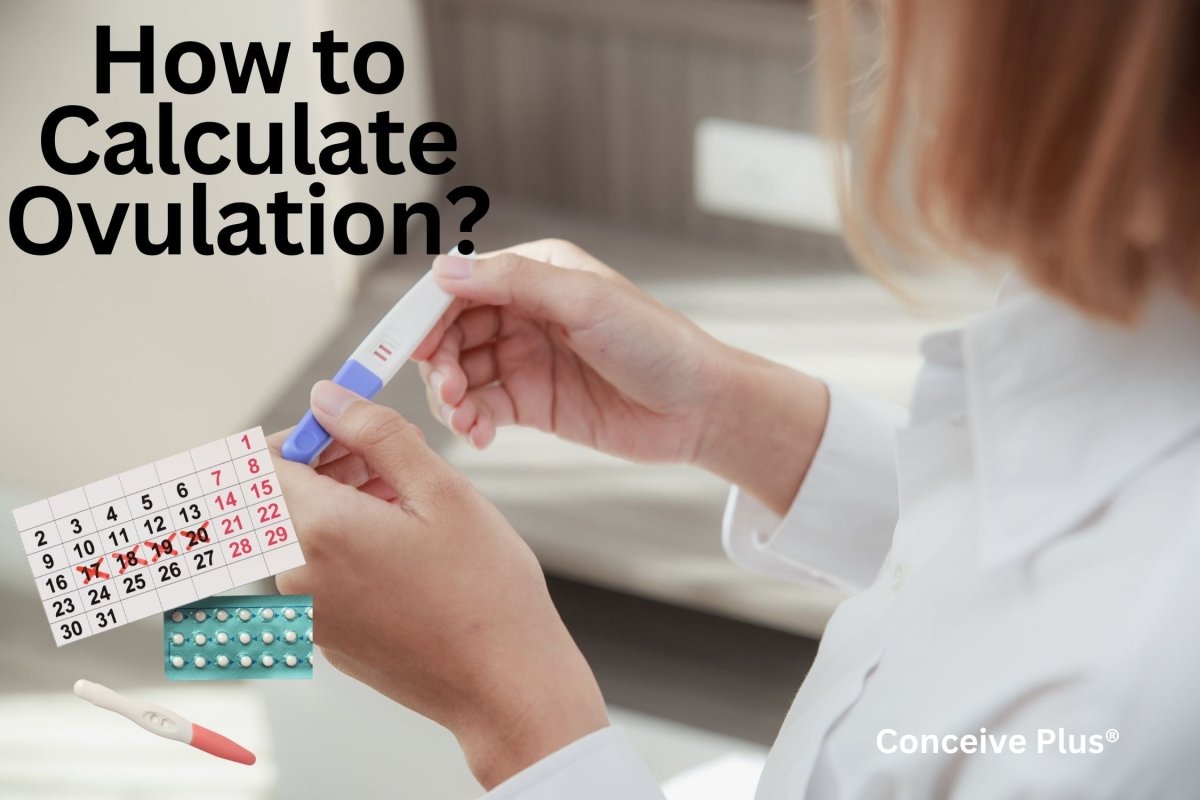

Knowing how to calculate ovulation for irregular periods can feel like trying to hit a moving target, yet understanding your most fertile window is the cornerstone of every conception plan. Whether your cycles wander from 26 to 42 days or you sometimes skip a month entirely, there is still a systematic way to read the signs, crunch the numbers, and time intercourse or insemination with confidence.

The Science Behind the Cycle
Ovulation is triggered by a delicate hormonal choreography that ends with the release of a mature egg. In a textbook 28‑day cycle this happens around day 14, but real life is rarely that tidy. A surge of luteinising hormone (LH) sets the egg free, after which it survives for about 24 hours. Sperm, however, can wait in the reproductive tract for up to five days, which means your fertile window spans the five days before ovulation and the day of ovulation itself. When cycles are unpredictable, pinning down that LH surge requires more than counting forward from the last period [1].
Why Irregularity Changes the Math
Stress, thyroid imbalance, polycystic ovary syndrome, perimenopause, breastfeeding, travel, medications, and body‑mass shifts can all lengthen or shorten the follicular phase, making one month a 27 day cycle and the next a 33 day cycle . The luteal phase—the span between ovulation and the next bleed—tends to be more stable at 12‑14 days, which is why a luteal cycle calculator is often the secret weapon for women with shifting follicular lengths. By subtracting your personal luteal phase from your total cycle length you can narrow the fertile window, but you still need to identify ovulation day first.
Core Tracking Techniques
- Basal Body Temperature (BBT) – Taking your temperature with a digital thermometer every morning before rising will reveal a 0.3‑0.5 °C rise that confirms ovulation after it happens. Plotting those numbers on a fertility chart or importing them into a menstrual and ovulation tracker gradually shows patterns even in erratic cycles [2].
- Cervical Mucus Observation – Fertile mucus looks like raw egg white, stretches between fingers, and indicates estrogen dominance just before the LH surge.
- Urinary LH Testing – Midstream sticks detect the surge 24‑36 hours before the egg is released. For cycles that vary widely, begin testing five days after the earliest possible ovulation and keep going until a peak appears [3].
- Follicular Ultrasound – In a clinical setting, serial scans can spot the dominant follicle and schedule timed intercourse with surgical precision.
- Algorithm‑Driven Apps – A precise ovulation calculator uses machine learning to merge BBT, LH, and symptom data; some claim to be the most reliable ovulation calculator on the market.
If you’d like even more practical advice on how to track ovulation with irregular periods, consider exploring our guide "How to Track Ovulation With Irregular Periods: Empowering Your Fertility Journey" for expert tips and strategies.
Calendar Math Still Matters
Even the smartest software begins with simple arithmetic. Suppose you chart for six months and record cycle lengths of 26, 27, 32, 33, and 35 days. Discard any outliers caused by illness, then subtract 18 from your shortest cycle (26‑18 = 8) and 11 from your longest cycle (35‑11 = 24). Days 8 through 24 are therefore potentially fertile. That sounds enormous, but you can tighten it by layering LH sticks and cervical mucus checks. When your data set grows, you will notice that ovulation keeps sliding within a narrower bracket [4].

Worked Examples for Popular Cycle Lengths
- 26 day cycle ovulation often happens around day 12.
- 27 day cycle shifts it to roughly day 13.
- 32 day cycle ovulation usually lands on day 18, answering the question, “32 day cycle when do i ovulate?”
- 33 day cycle or 33 day cycle when do i ovulate? tends to be day 19.
- A 35 day menstrual cycle chart reveals ovulation near day 21.
- Wondering “42 day cycle when do i ovulate?” Data suggest day 28, though LH testing is essential.
The Mystery of the 18 Day Ovulation
Some users report ovulation on 18th day consistently, no matter how long the overall cycle is. This may reflect a follicular phase that adapts while the luteal phase stays locked at 14 days. If you experience 18 day ovulation after both 30‑ and 35‑day cycles, treat day 18 as your anchor point and plan intercourse two days before and on that day until your trackers indicate otherwise.
Integrating Digital Tools

✨ Trying to Conceive?
Our Ovulation & Fertility Bundle combines Myo-Inositol with essential vitamins to support healthy hormone balance and regular ovulation.
Shop Now — $55.00✓ Free shipping on orders over $40 | ✓ Trusted by millions of couples worldwide
Because no single metric is flawless, the goal is convergence. Pair an irregular menstrual cycle ovulation calculator with LH strips, feed that information into the days past ovulation calculator, and watch your confidence grow. High‑end devices marketed as the 100 percent accurate ovulation calculator do not exist—biology resists perfection—but the most accurate ovulation calculator is the one that blends at least three independent signals.
Popular options include:
- A fertility calendar for irregular periods that lets you colour‑code spotting, fertile mucus, and confirmed temperature shifts.
- An ovulation calculator for PCOS that adjusts for prolonged anovulatory stretches and only counts cycles containing an LH surge [5].
- An ovulation calculator with one fallopian tube that considers alternate‑month ovulation patterns, though new research shows the remaining tube can pick up eggs from either ovary.
- An ovulation calculator boy or girl that times intercourse earlier for girls and closer to ovulation for boys, based on the Shettles hypothesis; evidence is mixed, so treat it as a fun add‑on rather than a guarantee.
Building a Personal Ovulation Schedule
- Collect Three Months of Data – Log period start dates, BBT, cervical mucus, LH results, and any mid‑cycle pain.
- Identify the Earliest LH Surge – This sets the opening of your fertile window for future cycles.
- Confirm Ovulation – A sustained temperature rise plus mucus shift equals ovulation day.
- Count Forward – Use a days past ovulation calculator to project implantation testing dates and to learn how to calculate days past ovulation by hand.
- Update the Window – Feed each new cycle into your app so the algorithm refines your ovulation schedule continuously.
Real‑World Case Study
Consider Maya, whose periods jump between 29 and 41 days. She started by logging six cycles in a spreadsheet and noticed her BBT rose on days 15, 18, 22, and 25. She paired this with LH testing that turned positive two days before each temperature shift. Using those pairs she learned her luteal phase sat steadily at 13 days. With the luteal cycle calculator she projected ovulation by subtracting 13 from her total cycle length each month, then verified with LH sticks. After four cycles her fertile window narrowed from a guess of two weeks to a focused five‑day span, and she conceived within the next cycle.
Turning Numbers into Action
Couples trying to conceive should have intercourse every 24‑48 hours throughout the fertile window; more frequent sex does not harm sperm counts in healthy men. If you prefer timed insemination, schedule it 12 and again 36 hours after the positive LH surge. Those pursuing fertility treatments will find that a detailed log makes it easier for clinicians to choose trigger‑shot timing, intrauterine insemination dates, or retrieval schedules.

Special Circumstances and Troubleshooting
- PCOS or Chronic Anovulation – If cycles exceed 35 days more than three times a year, ask for hormonal profiling. A combination of metformin, inositol, or letrozole can coax predictable ovulation, after which a most reliable ovulation calculator regains value [6].
- Breastfeeding – Prolactin suppresses ovulation; watch for the first return of fertile mucus, then begin LH testing immediately.
- Travel or Shift Work – Crossing time zones disturbs BBT accuracy. Rely more on LH and mucus for that month.
- If my period is irregular when do I ovulate? The short answer is: you ovulate 12‑14 days before your next bleed. The long answer is everything in this article.
- Endometriosis or One Tube – Use that tailored calculator, but remember that pain does not always align with ovulation.
- Male‑Factor Concerns – Shorten the abstinence window to two days so fresh sperm are always available during the fertile window.
When to Seek Professional Help
When self‑monitoring fails to reveal a reliable ovulation pattern after six consecutive months, it is time to schedule an appointment with a reproductive endocrinologist. Professional evaluation is also warranted when menstrual cycles repeatedly fall outside the healthy range, arriving more frequently than every twenty‑one days or stretching beyond forty‑two days, because such extremes often reflect underlying endocrine disturbances rather than simple variation. Likewise, if your luteal phase—the interval between ovulation and menstruation—persists at fewer than ten days, the uterine lining may not have sufficient time to support implantation, a problem that usually requires medical management.
Ultrasound evidence of ongoing anovulation, where follicles grow but never release an egg, signals that hormonal cues are misfiring and necessitates targeted treatment rather than additional home tracking. Finally, debilitating pelvic pain or bleeding heavy enough to soak through a pad or tampon every hour is never normal; it may point to endometriosis, fibroids, or other structural issues that hinder fertility. Prompt clinical investigation can uncover correctable conditions such as thyroid imbalance, elevated prolactin, diminished ovarian reserve, or blocked fallopian tubes—factors no smartphone algorithm can diagnose—and allows you to begin evidence‑based interventions sooner, ultimately protecting both reproductive health, confidence, personal wellbeing, and future family‑building goals [7].
If you're still asking yourself "how do i get pregnant with an irregular period?", be sure to explore our detailed guide "How Do I Get Pregnant With an Irregular Period and Overcome Irregular Ovulation" for actionable insights and strategies.
The Bottom Line
By blending physiological cues with smart technology you can learn how to calculate ovulation for irregular periods or how to calculate ovulation with irregular periods even when your calendar looks chaotic. Begin with basic tracking, layer on digital aids like an ovulation calculator irregular periods module, and validate everything against LH surges. Over time the blur of data points coalesces into a personalized roadmap that answers “how to calculate ovulation date” and supports informed discussions with your healthcare team. Remember no gadget is infallible, but persistence and multi‑modal tracking make your prediction as close as possible to nature’s timetable.
References
- Su HW, Yi YC, Wei TY, Chang TC, Cheng CM. Detection of ovulation, a review of currently available methods. Bioeng Transl Med. 2017 May 16;2(3):238-246. doi: 10.1002/btm2.10058. PMID: 29313033; PMCID: PMC5689497.
- Steward K, Raja A. Physiology, Ovulation And Basal Body Temperature. [Updated 2023 Jul 17]. In: StatPearls [Internet]. Treasure Island (FL): StatPearls Publishing; 2025 Jan-. Available from: https://www.ncbi.nlm.nih.gov/books/NBK546686/
- Miller PB, Soules MR. The usefulness of a urinary LH kit for ovulation prediction during menstrual cycles of normal women. Obstet Gynecol. 1996 Jan;87(1):13-7. doi: 10.1016/0029-7844(95)00352-5. PMID: 8532248.
- Sarker BK, Rahman M, Rahman T, Rahman T, Rahman F, Khalil JJ, Hasan M, Mahfuz SN, Ahmmed F, Miah MS, Ahmed A, Mitra D, Mridha MK, Rahman A. Factors associated with calendar literacy and last menstrual period (LMP) recall: a prospective programmatic implication to maternal health in Bangladesh. BMJ Open. 2020 Dec 13;10(12):e036994. doi: 10.1136/bmjopen-2020-036994. PMID: 33318107; PMCID: PMC7737077.
- Tiplady S, Jones G, Campbell M, Johnson S, Ledger W. Home ovulation tests and stress in women trying to conceive: a randomized controlled trial. Hum Reprod. 2013 Jan;28(1):138-51. doi: 10.1093/humrep/des372. Epub 2012 Oct 18. PMID: 23081872; PMCID: PMC3522415.
- Rasquin LI, Anastasopoulou C, Mayrin JV. Polycystic Ovarian Disease. [Updated 2022 Nov 15]. In: StatPearls [Internet]. Treasure Island (FL): StatPearls Publishing; 2025 Jan-. Available from: https://www.ncbi.nlm.nih.gov/books/NBK459251/
- Ulrich CC, Dewald O. Pregnancy Ultrasound Evaluation. [Updated 2023 Feb 13]. In: StatPearls [Internet]. Treasure Island (FL): StatPearls Publishing; 2025 Jan-. Available from: https://www.ncbi.nlm.nih.gov/books/NBK557572/
🌱 Support Your Fertility Journey
Conceive Plus fertility supplements are clinically formulated to help regulate your cycle and support egg quality.
Shop Fertility Support →Frequently Asked Questions
Recommended by Fertility Experts
Conceive Plus Men's Fertility Support
Designed to support healthy sperm production, motility, and overall male reproductive health with clinically studied nutrients.
Shop Now →Q: How can I track ovulation with irregular periods?
A: Tracking ovulation with irregular periods requires combining multiple methods since the standard 28-day calculation doesn't apply. The most reliable approaches include monitoring basal body temperature (BBT), which rises 0.5-1.0°F after ovulation; tracking cervical mucus changes, which becomes clear and stretchy during your fertile window; and using ovulation predictor kits (OPKs) that detect the luteinizing hormone (LH) surge occurring 24-36 hours before egg release. The American Society for Reproductive Medicine (ASRM) recommends using at least two of these methods simultaneously for irregular cycles, as this increases accuracy to approximately 95%. Many women with irregular periods also benefit from fertility supplements like Conceive Plus, which supports reproductive health while you work to identify your unique ovulation patterns.
Q: How do you track ovulation with irregular periods without apps?
A: Without relying on apps, you can manually track ovulation by keeping a written cycle journal and observing your body's natural fertility signals. Record the first day of your period, monitor your cervical mucus consistency throughout your cycle (looking for the slippery, egg-white texture that indicates peak fertility), and take your basal body temperature each morning before getting out of bed using a basal thermometer and recording it on a chart. Over 2-3 cycles, patterns often emerge that reveal your typical luteal phase length, which remains relatively consistent even when your follicular phase varies. Combining these observations with over-the-counter ovulation predictor kits provides a non-digital system for identifying your fertile window, though healthcare providers may recommend cycle tracking apps for their historical data analysis capabilities.
Q: What is the best way to predict ovulation if my periods are unpredictable?
A: For unpredictable periods, ovulation predictor kits (OPKs) are considered the gold standard by fertility specialists, with a detection accuracy of 99% when used correctly. These tests identify the LH surge that occurs 24-36 hours before ovulation, giving you a clear biological marker rather than relying on cycle length predictions. Begin testing around 3-5 days before your shortest cycle indicates ovulation might occur, and test daily until you see a positive result; if your cycles vary significantly (a range of 20+ days), start testing earlier to ensure you capture the surge. Pairing OPK results with cervical mucus observation and basal body temperature tracking creates a comprehensive prediction strategy, and maintaining optimal reproductive health through proper nutrition and supplements like Conceive Plus may support the hormonal balance necessary for consistent ovulation.
Q: Can I get pregnant with irregular periods?
A: Yes, you can absolutely get pregnant with irregular periods, though it may take longer to identify your fertile window. Irregular cycles affect approximately 14-25% of women of reproductive age according to fertility research, and many conceive successfully with proper ovulation tracking and timing. As long as you ovulate at least occasionally, pregnancy is possible—the key is identifying when that ovulation occurs each cycle through careful observation of bodily signs and ovulation testing. Working with a reproductive healthcare provider can help rule out underlying conditions like PCOS or thyroid disorders that might affect both cycle regularity and fertility; supporting your overall reproductive health through proper supplementation and lifestyle factors ensures you're optimizing your chances when your fertile window arrives.
Q: How many days is the fertile window with an irregular cycle?
A: Your fertile window—the days when pregnancy is possible—typically lasts 5 days before ovulation and 1 day after, totaling approximately 6 days, regardless of whether your cycle is regular or irregular. However, with irregular cycles, the timing of when this 6-day window occurs varies from month to month, making consistent identification crucial for conception planning. The sperm survival window of up to 5 days means that intercourse early in this fertile period can still result in pregnancy even if ovulation occurs several days later. By tracking ovulation markers like LH surges and cervical mucus changes, you can narrow down exactly when your individual fertile window occurs each month rather than trying to predict it based on cycle length. Maintaining reproductive wellness during this time, including proper hydration, nutrition, and supplementation with fertility-support products like Conceive Plus, helps create an optimal environment for conception when your fertile window arrives.
Trusted by Couples in Over 70 Countries
Support Male Fertility From the Inside Out
Male fertility is just as important as female fertility in the conception journey. Conceive Plus Men's range delivers targeted nutritional support to promote healthy sperm and overall reproductive wellbeing.
Shop Men's Range →