How Many Calories in Cum and Nutritional Facts Explained
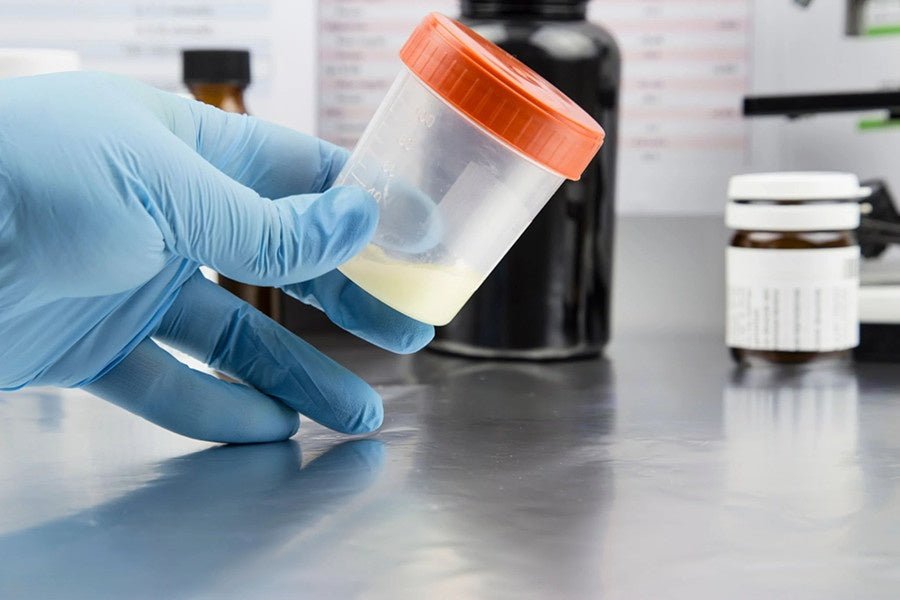

Ever wondered how many calories in cum? You’re definitely not alone. It’s a pretty common question. A lot of people, especially those focusing on fertility, get curious about the nutritional value of semen. Yes, cum does have calories and a bit of protein, but honestly, it doesn’t really impact your nutrition. If you're wondering how much protein loss in sperm occurs, the amount is minimal and unlikely to affect your overall protein levels. So, let’s dive into how many calories in cum, how much protein is in semen, and what else is in there. Especially if you’re trying to conceive, you might wanna know.

How Many Calories in Cum?
So, the big question: how many calories in cum or how many calories sperm? Well, on average, semen has about 5-25 calories per teaspoon, which is how much is usually ejaculated. The amount of semen can vary though—from 1.5 to 7 milliliters. This also answers how many calories are in semen, how many calories in a sperm, or even how many calories in siemen. But, let’s be real, the caloric content is so minimal, it doesn’t really matter much to your overall daily intake [1].
Does Cum Have Protein?
Yep, cum does have protein, but not a whole lot. Semen has around 5,040 milligrams of protein per 100 milliliters, but most ejaculations are about 5 milliliters. So, how much protein is in cum or how much protein in semen? About 250 milligrams per healthy ejaculation [2].
It’s not much, but the protein in semen helps with sperm’s ability to move. That’s a big deal if you’re trying to conceive. So, if you’re wondering how much protein is in sperm, the answer is yeah, there’s some protein there, but it’s nothing compared to, say, eating an egg or chicken.
Other Nutrients in Semen
Semen isn’t just about calories and protein. It’s got other nutrients like zinc, calcium, magnesium, and even a little bit of iron. These are crucial for sperm health. So, while does semen have calories or does sperm have calories are common questions, the key is that semen also has nutrients that help sperm stay healthy. Zinc, for instance, is essential for sperm production and movement [3].
If you’re asking about the nutritional value of seaman or how many calories are in sperm, know that it also has sugars like fructose. This gives sperm the energy they need. And while people may wonder how many calories in spunk or does seamen have calories, the real point is that nutrients like zinc and selenium are what make semen important for fertility. These help sperm survive in the female body and do their job [4].
Top Tip: Zinc and selenium found in semen are super important for making sure sperm are healthy and ready for action.
Is Swallowing Sperm Bad?
Is swallowing sperm bad? Or, what happens when you swallow cum? Generally, it’s fine. Most people are safe swallowing semen, as long as you’re not worried about STIs. If you’re asking about swallow sperm or swallow seamen, keep in mind that, yeah, it has trace amounts of protein and zinc, but swallowing it doesn’t really offer any big health benefits [5].

✨ Support Healthy Sperm
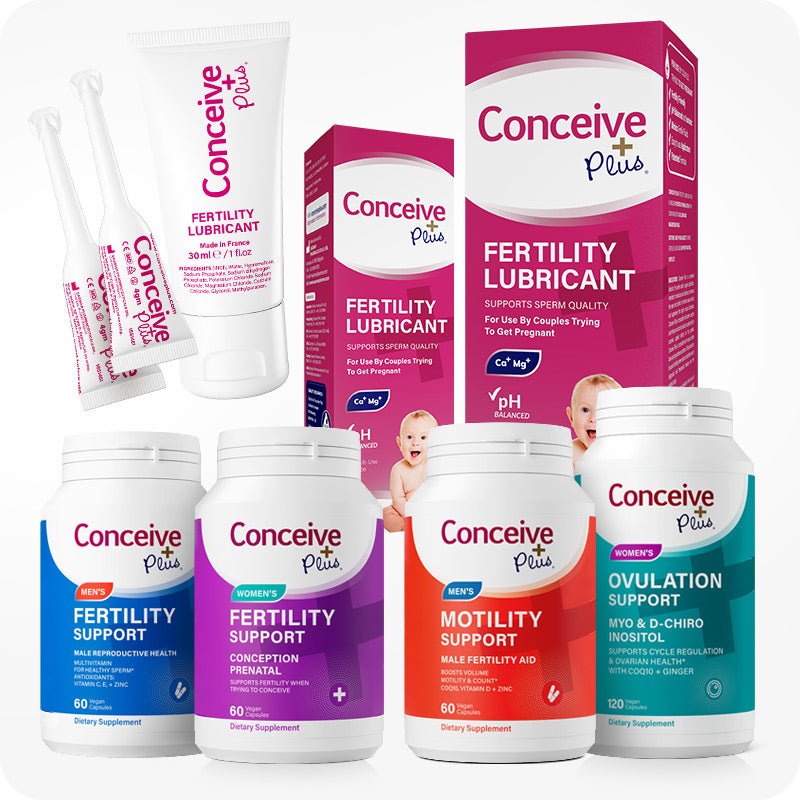
Our Motility Support supplement contains Zinc, CoQ10, and L-Carnitine — clinically studied nutrients for sperm health and motility.
Shop Now — $34.95✓ Free shipping on orders over $40 | ✓ Trusted by millions of couples worldwide
Even if you wonder how many calories is sperm or how many calories is in sperm, the truth is the calories are so few it doesn’t really make any difference. So, while swallowing semen isn’t bad, it’s not exactly a health boost either.

Does Semen Have Iron or Other Nutrients?
Semen does contain trace amounts of iron, which answers the question does semen have iron. It also has other stuff like calcium, magnesium, and a bit of vitamin C [6]. While the calories in semen or does cum have calories are super low, these nutrients are still important for sperm health, helping them reach the egg during fertilization.
There’s also a small amount of sugar in semen, mainly fructose, which gives sperm the energy to swim. People might ask how many carbs in semen, but again, the amount is tiny.
Does Diet Affect Semen?
You might’ve heard that diet can affect semen, but it’s not something people would think of as a sperm drink. What you eat can sometimes change the taste of semen (fruits might make it sweeter), but there’s no proof that diet drastically changes its nutritional content [7]. Also, people ask, is sperm good for sore throat? There’s no evidence to back that up.
Top Tip: A balanced diet helps your overall health, including reproductive health, but it doesn’t drastically change the nutritional makeup of semen.

The Bottom Line
So, how many calories in cum or how many calories in sperm might seem like interesting questions, but the nutritional value is low. Semen contains small amounts of protein, zinc, iron, and other nutrients that are crucial for sperm health, but they won’t have a big impact on your diet.
For couples trying to conceive, focusing on reproductive health is the key. Supplements with zinc, selenium, and folic acid can really boost fertility. While semen contains these nutrients, they’re found in much higher concentrations in fertility products designed to support conception.
FAQs
How many calories are in cum?
Semen contains about 5-25 calories per teaspoon, depending on how much is ejaculated.
How much protein is in sperm?
Each ejaculation has about 250 milligrams of protein. It’s vital for sperm health but isn’t a big source of nutrition.
Is swallowing sperm bad for you?
Nope, swallowing semen is safe for most people. But remember to be careful about STIs.
Does semen contain iron?
Yes, semen does have small amounts of iron, along with nutrients like zinc and calcium.
How many calories are in semen?
Semen has around 5-25 calories per ejaculation, so it’s not something that will impact your caloric intake.
Citations
- Talluri TR, Mal G, Ravi SK. Biochemical components of seminal plasma and their correlation to the fresh seminal characteristics in Marwari stallions and Poitou jacks. Vet World. Available at: https://www.ncbi.nlm.nih.gov/pmc/articles/PMC5352847/
- Mann, Thaddeus, 1908- and Lutwak-Mann, Cecilia. Male reproductive function and semen : themes and trends in physiology, biochemistry, and investigative andrology / Thaddeus Mann, Cecilia Lutwak-Mann Springer-Verlag Berlin ; New York 1981. Available at: https://catalogue.nla.gov.au/catalog/1443335
- Fallah A, Mohammad-Hasani A, Colagar AH. Zinc is an Essential Element for Male Fertility: A Review of Zn Roles in Men's Health, Germination, Sperm Quality, and Fertilization. J Reprod Infertil. Available at: https://www.ncbi.nlm.nih.gov/pmc/articles/PMC6010824/
- Aitken RJ, Curry BJ. Redox regulation of human sperm function: from the physiological control of sperm capacitation to the etiology of infertility and DNA damage in the germ line. Antioxid Redox Signal. Available at: https://pubmed.ncbi.nlm.nih.gov/20522002/
- Web Medical Dictionary. WebMD. Available at: https://www.webmd.com/sex-relationships/how-many-nutrients-are-in-semen
- Juyena NS, Stelletta C. Seminal plasma: an essential attribute to spermatozoa. J Androl. Available at: https://pubmed.ncbi.nlm.nih.gov/22016346/
- Ferramosca A, Zara V. Diet and Male Fertility: The Impact of Nutrients and Antioxidants on Sperm Energetic Metabolism. Int J Mol Sci. Available at: https://www.ncbi.nlm.nih.gov/pmc/articles/PMC8910394/
🌱 Boost Male Fertility Naturally
Conceive Plus Men's Motility Support is formulated with the nutrients that matter most for sperm quality, count, and motility.
Shop Men's Fertility →Frequently Asked Questions
Recommended by Fertility Experts
Conceive Plus Men's Fertility Support
Designed to support healthy sperm production, motility, and overall male reproductive health with clinically studied nutrients.
Shop Now →Q: How many calories does semen contain?
A: A single ejaculation typically contains between 5 to 25 calories, depending on volume and individual factors. The average ejaculate is about one teaspoon (5 milliliters) and contains roughly 5 calories, making it nutritionally negligible in the context of daily caloric intake. While semen does contain trace amounts of fructose, protein, and other compounds, the caloric contribution is minimal compared to standard foods. For individuals focused on fertility health, the caloric content of semen is not a nutritional concern worth monitoring.
Q: Does semen contain protein, and if so, how much?
A: Semen does contain protein, but in very small quantities—approximately 0.5 to 5 grams per ejaculate depending on individual factors and sperm concentration. This minimal protein loss has no measurable impact on a man's overall protein intake or muscle maintenance, as the average adult male requires 56 grams of protein daily according to USDA guidelines. For men concerned about fertility and reproductive health, maintaining adequate protein intake through diet is far more important than worrying about protein in semen. Proper nutrition, including protein-rich foods and fertility-supporting supplements like Conceive Plus, can support overall reproductive wellness.
Q: How much iron is in semen?
A: Semen contains trace amounts of iron, but the quantity is too small to meaningfully contribute to daily iron requirements (8 mg for adult men per USDA standards). While seminal fluid does contain various minerals including zinc, calcium, and small amounts of iron, these are not present in significant concentrations. The iron content in semen varies based on individual health and diet, but it should never be considered a dietary source of iron. Men focused on fertility health should prioritize iron intake through foods and supplements rather than relying on any mineral content from semen.
Q: Does sperm have nutritional value?
A: While semen contains various nutrients including fructose, citric acid, zinc, magnesium, and amino acids, the overall nutritional value is minimal due to the small volume ejaculated. Research published in fertility journals shows these compounds are present primarily to support sperm function and motility rather than provide nutrition to the body. From a reproductive health perspective, what matters more is the nutritional status of the man producing the sperm—a balanced diet with adequate vitamins, minerals, and antioxidants supports healthy sperm production. Supplements designed for male fertility, such as those offered by Conceive Plus, provide the essential nutrients needed to optimize sperm health and overall reproductive function.
Q: How many calories in a teaspoon of cum?
A: A teaspoon (approximately 5 milliliters) of semen contains roughly 5 to 7 calories, making it virtually insignificant from a nutritional standpoint. This small caloric content comes primarily from fructose and minimal amounts of protein and other compounds naturally present in seminal fluid. For perspective, a single grape contains more calories than an entire ejaculate, so semen has essentially no impact on daily caloric intake or nutritional balance. Those interested in optimizing fertility should focus on their own nutritional intake through balanced meals and supplements rather than concerning themselves with the minimal caloric content of semen.
Trusted by Couples in Over 70 Countries
Support Male Fertility From the Inside Out
Male fertility is just as important as female fertility in the conception journey. Conceive Plus Men's range delivers targeted nutritional support to promote healthy sperm and overall reproductive wellbeing.
Shop Men's Range →