How Long Sperm Will Take to Reach Egg and What Happens During Fertilization
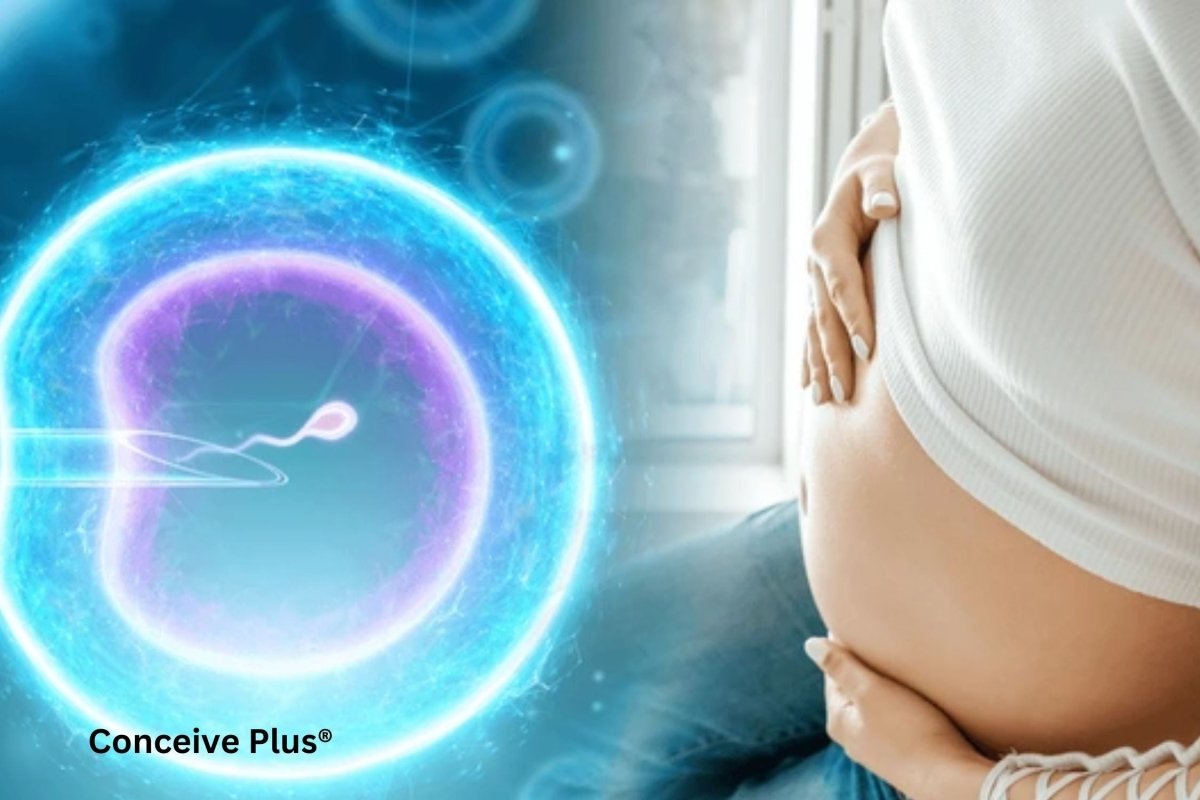

The journey of conception is an amazing one. But it’s also a bit complicated, and there’s no single straight path to it. If you’ve ever wondered how long sperm will take to reach egg or how fertilization works, you’re not alone. From the moment of ejaculation to when sperm meets the egg, the process is nothing short of a biological marathon. Understanding what happens step by step can help you get a clearer picture of how life begins and how to boost your chances if you’re trying to conceive.

Sperm’s Journey to the Egg
So, how far does sperm have to travel? It’s a whopping 15 to 18 centimeters from the vagina to the fallopian tube where fertilization actually happens. That might sound like nothing to us, but for sperm, it’s like a marathon. The fastest swimmers can reach the egg within 15 to 45 minutes. On the other hand, slower ones might take a lot longer, even hours. And sperm don’t just give up if they don’t find an egg right away. They can hang out in the female reproductive system for up to five days waiting for ovulation, which is good news for couples trying to conceive.
Timing is everything, though. If you’re wondering how long do sperms take to reach the egg, it depends on a lot of things—like the sperm’s motility and the environment inside the uterus. That’s why having intercourse during the fertile window (the five days before ovulation and the day of ovulation itself) gives the best chances of sperm meeting egg [1].
While sperm can survive inside the reproductive tract for days, conception depends on how long does an egg live after ovulation, as the egg remains viable for a much shorter window, making precise timing essential for successful fertilization.
What Happens When Sperm Meets Egg
When sperm meets egg, it’s more than just a quick hello. To fully grasp the journey of conception, it's crucial to understand how do eggs get fertilized, as this process involves intricate biological mechanisms that determine whether sperm successfully merges with the egg.
Before sperm can even think about fertilizing the egg, they need to be “activated” in the female reproductive system. This process, called capacitation, helps the sperm prepare to penetrate the egg’s outer layers.
Once ready, the sperm make their way to the egg, guided by chemical signals. But even then, they’ve got some work to do. They first have to break through the outer layer of the egg (the corona radiata) and then the thicker inner layer (the zona pellucida). This is no small feat. When one sperm finally makes it through, the egg immediately changes its structure to block out any others. This is nature’s way of ensuring that only one sperm fertilizes the egg [2].
Symptoms When Sperm Meets Egg
Most of the time, fertilization is a silent event. You won’t feel it happening. Still, some women claim to notice symptoms when sperm meets egg, although this varies a lot. Some might feel mild cramping in their lower abdomen, while others might notice changes in cervical mucus or even light spotting a few days after the sperm and egg meet. The first signs of sperm fertilizing egg include subtle hormonal changes in the body, such as increased progesterone levels, which may cause mild fatigue or breast tenderness within a few days [3].
These small changes, called sperm and egg meet symptoms, happen because of hormonal shifts that kickstart once fertilization occurs. While these signs aren’t a surefire way to know fertilization has happened, they can be subtle clues for those paying close attention to their bodies.
How Many Sperm Make It to the Egg
Here’s the reality check: while millions of sperm are released during ejaculation, only a fraction actually make it to the egg. Out of the 100 million or so sperm in an average ejaculation, most get lost, trapped, or simply run out of steam before reaching their destination.
When you think about how many sperm make it to the egg, the numbers are astonishing. By the time they arrive in the fallopian tube, only around 200 sperm remain. And out of those 200, just one lucky winner will fertilize the egg. It’s like a survival-of-the-fittest challenge on a microscopic scale, with the best sperm taking the prize [4].
How Long Does It Take the Egg to Fertilize
Once the sperm successfully enters the egg, the actual fertilization process happens pretty quickly. The sperm’s genetic material merges with the egg’s, creating a zygote. This process is the start of a new life. But how long does it all take?
If you’re curious about how long does it take the egg to fertilize, the answer is only a matter of minutes after the sperm gets inside. The fertilized egg (now a zygote) will then start dividing and growing as it makes its way through the fallopian tube toward the uterus, where it hopes to implant and grow into a baby [5].

Symptoms When Egg and Sperm Meet
When egg and sperm meet and fertilization occurs, you might experience subtle changes in your body. Implantation bleeding, which happens when the fertilized egg attaches to the uterine wall, is a common early symptom. Some women also report mild cramping, an increase in cervical mucus, or even shifts in their basal body temperature.
These early symptoms when egg and sperm meet aren’t universal, though. Every woman’s body is different, and many might not notice any signs at all. Still, paying attention to these small changes can sometimes offer clues that fertilization has taken place [6].

✨ Trying to Conceive?
Our Ovulation & Fertility Bundle combines Myo-Inositol with essential vitamins to support healthy hormone balance and regular ovulation.
Shop Now — $55.00✓ Free shipping on orders over $40 | ✓ Trusted by millions of couples worldwide
How Fast Can Sperm Travel
Sperm are faster than you might think. When you wonder how fast can sperm travel, they move at an average speed of 3 to 5 millimeters per minute. Thanks to the uterus and fallopian tubes’ contractions, sperm get a little help along the way.
During ovulation, the cervical mucus becomes thinner and more slippery, creating the perfect environment for sperm to swim quickly toward the egg [7].
How Fast Does Sperm Swim
On average, how fast do sperm swim is determined by their motility, which ranges between 3 to 5 millimeters per minute, depending on their health and the female reproductive environment. You may also be curious about how fast does sperm swim in general. The speed can vary depending on the sperm’s health, motility, and overall environment. Some sperm are strong swimmers, while others lag behind. A healthy lifestyle, good nutrition, and avoiding toxins like tobacco and alcohol can all help improve sperm motility and speed.
Chances of Sperm Meeting Egg
The chances of sperm meeting egg during a fertile window range from 10% to 33% per cycle, depending on various factors. These numbers might seem low, but they highlight the complexity of the conception process.
Even if the timing is perfect, sperm health, egg quality, and other biological factors all play a role in determining whether fertilization occurs. That’s why couples trying to conceive often turn to tracking methods, like ovulation predictor kits or basal body temperature monitoring, to optimize their timing [8].
How Fast Can Sperm Get You Pregnant
If everything lines up—ovulation timing, sperm health, and egg quality—pregnancy can happen surprisingly fast. While sperm can reach the egg in just minutes, the process of implantation takes longer. If you’re wondering how fast can sperm get you pregnant, the answer depends on when implantation happens.
Once the fertilized egg implants in the uterine lining (usually six to ten days after fertilization), pregnancy officially begins. That’s when the body starts producing the hormone hCG, which can be detected in a pregnancy test [9].
How to Help Sperm Get to Egg
If you’re trying to conceive, you might be asking how to help sperm get to egg. Timing is key. Tracking your ovulation cycle through methods like basal body temperature or ovulation predictor kits can help you pinpoint your fertile days.
Eating a balanced diet rich in fertility-friendly nutrients like zinc, selenium, and folic acid also helps. These nutrients improve sperm motility, egg quality, and overall reproductive health. Avoiding smoking, excessive alcohol, and stress can further boost your chances of conception [10].
Fertility-Friendly Nutrients
Nutrients play a critical role in boosting fertility for both men and women. Zinc helps improve sperm quality, selenium acts as an antioxidant, and folic acid supports DNA synthesis and reduces the risk of neural tube defects in early pregnancy. Myo-inositol enhances egg quality, especially for women with PCOS, while L-arginine improves blood flow to reproductive organs.
By incorporating these nutrients into your diet or through fertility supplements, you can create an environment that’s more conducive to conception [11].

Lifestyle Tips to Boost Fertility
Your overall lifestyle can greatly impact fertility. Regular exercise, a healthy diet, and sufficient sleep all support hormonal balance and reproductive health. For men, avoiding tight clothing or hot tubs can help improve sperm health. For women, managing stress and maintaining a healthy weight can optimize ovulation cycles [12].
Simple changes, like drinking more water to improve cervical mucus or reducing caffeine intake, can make a difference.
The Bottom Line
The process of conception is a journey full of challenges and wonders. By understanding how long sperm will take to reach egg and what happens during fertilization, couples can take proactive steps to improve their chances of conceiving. Whether it’s timing intercourse during the fertile window, adopting a healthy lifestyle, or paying attention to your body’s signals, small efforts can make a big difference on the path to parenthood.
FAQs
How long sperm will take to reach egg?
Sperm can reach the egg within 15 to 45 minutes after ejaculation, but it depends on factors like sperm motility and whether ovulation has occurred.
What are the symptoms when sperm meets egg?
Some women might notice mild cramping, changes in cervical mucus, or light spotting. However, most people don’t feel anything when sperm meets egg.
How many sperm make it to the egg?
Out of the millions of sperm released during ejaculation, only about 200 reach the egg, and just one fertilizes it.
How long does it take the egg to fertilize?
Once a sperm penetrates the egg, fertilization happens within a few minutes as the genetic material combines to form a zygote.
How to help sperm get to egg?
Timing intercourse during the fertile window, maintaining a healthy lifestyle, and using fertility-friendly nutrients like zinc and folic acid can help improve the chances of sperm reaching the egg.
Citations
- Macklon, N. S., Geraedts, J. P., & Fauser, B. C. (2002). Conception to ongoing pregnancy: the 'black box' of early pregnancy loss. Human reproduction update. Available at: https://pubmed.ncbi.nlm.nih.gov/12206468/
- Ichikawa, Y., Matsuzaki, M., Hiyama, G., Mizushima, S., & Sasanami, T. (2016). Sperm-Egg Interaction during Fertilization in Birds. The journal of poultry science. Available at: https://pmc.ncbi.nlm.nih.gov/articles/PMC7477134/
- Amory, J. K., & Bremner, W. (2001). Endocrine regulation of testicular function in men: implications for contraceptive development. Molecular and cellular endocrinology. Available at: https://pubmed.ncbi.nlm.nih.gov/11514052/
- Neri, Q. V., Lee, B., Rosenwaks, Z., Machaca, K., & Palermo, G. D. (2014). Understanding fertilization through intracytoplasmic sperm injection (ICSI). Cell calcium. Available at: https://pmc.ncbi.nlm.nih.gov/articles/PMC4046257/
- Johnson M. H. (2011). Robert Edwards: the path to IVF. Reproductive biomedicine online. Available at: https://pmc.ncbi.nlm.nih.gov/articles/PMC3171154/
- Wang, X., Chen, C., Wang, L., Chen, D., Guang, W., & French, J. (2003). Conception, early pregnancy loss, and time to clinical pregnancy: a population-based prospective study. Fertility and sterility. Available at: https://pubmed.ncbi.nlm.nih.gov/12620443/
- Katz, D. F., & Vanagimachi, R. (1980). Movement characteristics of hamster spermatozoa within the oviduct. Biology of reproduction. Available at: https://pubmed.ncbi.nlm.nih.gov/7397298/
- Agarwal, A., Mulgund, A., Hamada, A., & Chyatte, M. R. (2015). A unique view on male infertility around the globe. Reproductive biology and endocrinology. Available at: https://pubmed.ncbi.nlm.nih.gov/25928197/
- Bigelow, J. L., Dunson, D. B., Stanford, J. B., Ecochard, R., Gnoth, C., & Colombo, B. (2004). Mucus observations in the fertile window: a better predictor of conception than timing of intercourse. Human reproduction (Oxford, England). Available at: https://pubmed.ncbi.nlm.nih.gov/14990542/
- Norwitz, E. R., Schust, D. J., & Fisher, S. J. (2001). Implantation and the survival of early pregnancy. The New England journal of medicine. Available at: https://pubmed.ncbi.nlm.nih.gov/11794174/
- Chiu, Y. H., Afeiche, M. C., Gaskins, A. J., Williams, P. L., Petrozza, J. C., Tanrikut, C., Hauser, R., & Chavarro, J. E. (2015). Fruit and vegetable intake and their pesticide residues in relation to semen quality among men from a fertility clinic. Human reproduction (Oxford, England). Available at: https://pubmed.ncbi.nlm.nih.gov/25824023/
- Skoracka, K., Ratajczak, A. E., Rychter, A. M., Dobrowolska, A., & Krela-Kaźmierczak, I. (2021). Female Fertility and the Nutritional Approach: The Most Essential Aspects. Advances in nutrition (Bethesda, Md.). Available at: https://pmc.ncbi.nlm.nih.gov/articles/PMC8634384/
🌱 Support Your Fertility Journey
Conceive Plus fertility supplements are clinically formulated to help regulate your cycle and support egg quality.
Shop Fertility Support →Frequently Asked Questions
Recommended by Fertility Experts
Conceive Plus Men's Fertility Support
Designed to support healthy sperm production, motility, and overall male reproductive health with clinically studied nutrients.
Shop Now →Q: How long does it take for sperm to reach the egg?
A: Sperm can reach the egg in as little as 30 minutes to 12 hours after ejaculation, though the average time is around 4-6 hours. The timeline depends on several factors, including the quality and motility of the sperm, the thickness of cervical mucus, and the exact timing of ovulation relative to intercourse. According to the American Society for Reproductive Medicine (ASRM), sperm survival in the female reproductive tract can last up to 5 days under optimal conditions, which is why understanding your ovulation window is crucial for conception. Supporting sperm health through proper nutrition and supplements like Conceive Plus can help optimize sperm motility and increase the chances of successful fertilization.
Q: How far does sperm have to travel to get pregnant?
A: Sperm must travel approximately 15 to 18 centimeters (6 to 7 inches) from the cervix through the uterus and into the fallopian tubes to reach and fertilize the egg. This journey takes sperm through the cervical canal, across the uterus, and up into the fallopian tubes—a distance that may seem short but is actually enormous relative to sperm size. The path isn't always straightforward, as sperm must navigate through cervical mucus and reach the correct fallopian tube (since only one ovary releases an egg each cycle). Environmental factors like pH levels, mucus consistency, and overall reproductive health can all impact how successfully sperm completes this critical distance.
Q: How big is sperm and why does size matter for fertility?
A: A human sperm cell is approximately 0.05 millimeters (50 micrometers) in length, making it one of the smallest cells in the human body—roughly 1/200th the diameter of a human egg. Despite their tiny size, sperm structure is highly specialized, with a head containing genetic material, a midpiece packed with mitochondria for energy, and a tail that propels movement toward the egg. Sperm size alone doesn't determine fertility success; rather, sperm motility (movement quality), morphology (normal shape), and count are the key factors assessed in semen analysis according to WHO standards. Products designed to support sperm health, like Conceive Plus fertility supplements, focus on optimizing these functional characteristics rather than sperm size itself.
Q: Can sperm go inside during pregnancy?
A: Yes, sperm can enter the vagina and cervix during intercourse while a woman is pregnant, but they cannot reach or harm a developing fetus because the cervix produces a thick mucus plug that seals the uterus during pregnancy. This protective barrier prevents sperm, bacteria, and other foreign substances from traveling into the uterus and reaching the baby. According to the American College of Obstetricians and Gynecologists (ACOG), intercourse during pregnancy is generally safe for healthy pregnancies unless otherwise advised by a healthcare provider. The presence of sperm in the vagina during pregnancy poses no risk to the developing baby or pregnancy continuation.
Q: What happens after sperm reaches the egg during fertilization?
A: Once sperm reaches the egg in the fallopian tube, the sperm head penetrates the egg's outer membrane through an enzymatic reaction, and the sperm nucleus merges with the egg nucleus to create a single-celled zygote containing 46 chromosomes (23 from each parent). This fertilization process typically occurs within 12-24 hours after ovulation, and the resulting zygote begins dividing as it travels down the fallopian tube toward the uterus over the next 3-5 days. The embryo then implants into the uterine lining, where it continues developing into a fetus. Optimizing sperm health before conception—through proper nutrition, supplements like Conceive Plus, and lifestyle choices—can significantly improve fertilization success rates for couples trying to conceive.
Trusted by Couples in Over 70 Countries
Support Male Fertility From the Inside Out
Male fertility is just as important as female fertility in the conception journey. Conceive Plus Men's range delivers targeted nutritional support to promote healthy sperm and overall reproductive wellbeing.
Shop Men's Range →