How Late is My Period? Understanding Delays and What’s Normal
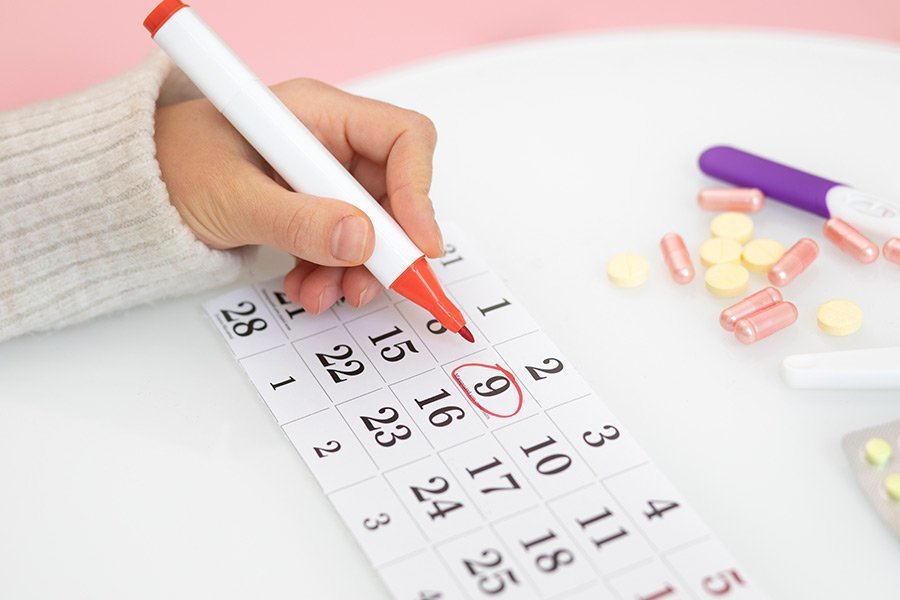

It’s common to be worried when your period doesn’t arrive on time. Most menstrual cycles are 24 to 30 days. However, they can also be as long as 38 days, which makes it harder to decide when to consider them delayed. Many factors can affect your menstrual cycle, and while a late period often isn’t a cause for alarm, understanding the potential reasons can help ease your mind. Let’s explore the answers to questions like, “how late is my period?” and period how many days late is normal?”

How Many Days Late is Normal for a Period?
The average menstrual cycle lasts between 21 and 35 days, with a typical period arriving every 28 days. However, variations are common. A period can be considered late if it’s more than 7 days past its expected start date, but this depends on your typical cycle length. If your cycle is irregular, you may experience occasional late periods without any serious underlying issue. Factors such as stress, changes in weight, or hormonal fluctuations can cause these shifts [1].
So, how late is normal for a period? A delay of up to 7 days is usually normal for most women, especially if your cycle isn’t always consistent. This variability can happen due to many reasons, including stress, illness, diet changes, or increased physical activity. If your period is consistently irregular or late by more than a week, it may be worth discussing with a healthcare provider.
What Causes a Late Period?
Several factors can contribute to a delayed period. Let’s understand in detail what can cause cycle delays:

✨ Think You Might Be Pregnant?
Get fast, accurate results up to 6 days before your missed period with our early detection pregnancy test.
Shop Now — $9.80✓ Free shipping on orders over $40 | ✓ Trusted by millions of couples worldwide
- Early Pregnancy Symptoms: Missing a period is often one of the first signs of pregnancy. If your period is more than a week late and you are sexually active, it might be time to take a pregnancy test.
- Stress: Emotional or physical stress can affect your hormones, particularly the hypothalamus, which regulates your menstrual cycle. Over time, this can lead to a missed or late period [2].
- Weight Fluctuations: Sudden changes in weight, whether gain or loss, can impact your cycle. Being underweight or overweight can disrupt the delicate balance of hormones that control menstruation.
- Polycystic Ovary Syndrome (PCOS): PCOS is a condition that affects hormone levels, leading to irregular periods or even missed cycles. If you frequently experience late or missed periods, talk to your doctor about testing for PCOS.
- Thyroid Conditions: Both an underactive (hypothyroidism) and overactive (hyperthyroidism) thyroid can lead to irregular or late periods. The thyroid plays a crucial role in regulating your hormones, which can, in turn, affect your menstrual cycle.
- Perimenopause: If you’re in your 40s or 50s, perimenopause, the transition into menopause, could be the cause of a delayed period. Menstrual cycles can become more irregular during this phase.

Should I Be Worried About a Late Period?
If your period is only late by a few days, it’s usually not something to worry about. However, if you’ve missed more than three consecutive periods, it’s recommended to seek medical advice. This could be an indication of an underlying health condition, such as PCOS, thyroid disorders, or even early menopause. Additionally, if you’re experiencing other symptoms like unexpected weight changes, hair growth, or fatigue, you should consult a healthcare provider.
Tracking Your Cycle
Tracking your cycle can help you determine what is “normal” for your body and identify any irregularities early. Using apps or calendars to note the start and end dates of your period can help you recognize patterns and detect if your period is abnormally late.
The Bottom Line
How late is normal for period? While a few days’ delay is common and typically not cause for concern, persistent irregularity could signal a health issue. Understanding the range of normal variations and the potential causes of a late period can help you manage your cycle better. If your period is more than a week late and doesn’t follow its usual pattern, it’s best to consider taking a pregnancy test or seeking advice from a healthcare provider.
If you're asking how late is my period, it’s important to track your cycle consistently to spot any unusual delays or patterns.

Sources
- Reed BG, Carr BR. The Normal Menstrual Cycle and the Control of Ovulation. [Updated 2018 Aug 5]. In: Feingold KR, Anawalt B, Blackman MR, et al., editors. Endotext [Internet]. South Dartmouth (MA): MDText.com, Inc.; 2000-. Available from: https://www.ncbi.nlm.nih.gov/books/NBK279054/
- Nicole Galan, RN, Debra Rose Wilson, Ph.D. Eight possible causes of a late period. [January 15, 2020].MedicalNewsToday. Available online: https://www.medicalnewstoday.com/articles/318317
🌱 Get Answers Early
Millions of women trust Conceive Plus for their fertility journey. Clinically validated pregnancy tests delivered to your door.
Shop Pregnancy Tests →Frequently Asked Questions
Recommended by Fertility Experts
Conceive Plus PCOS Range
A targeted nutritional approach to support hormonal balance and reproductive health for women with PCOS.
Shop Now →Is a 5-day late period normal, or should I take a pregnancy test?
A delay of up to 7 days is generally considered normal, especially if your cycle tends to vary. However, if you're sexually active and your period is 5 or more days late, taking a pregnancy test is a good idea—modern tests can detect pregnancy up to 6 days before a missed period for early detection. If the test is negative and your period still doesn't arrive within another week, contact your healthcare provider.
Can stress really delay my period, and how long does it take to regulate?
Yes, stress significantly affects your hypothalamus, the gland that regulates your menstrual cycle, and can cause your period to be late or missed entirely. The duration of the delay depends on the intensity and duration of the stress, but your cycle typically returns to normal once stress levels decrease. If you're experiencing chronic stress, discuss management strategies with your doctor, as prolonged stress can lead to ongoing cycle irregularities.
When should I see a doctor about a late period?
You should contact your healthcare provider if your period is more than 7 days late, especially if this is unusual for you, or if you experience consistent irregularities in your cycle. Additionally, if you have a late period accompanied by severe cramping, abnormal bleeding, or other concerning symptoms, schedule an appointment promptly. The American College of Obstetricians and Gynecologists (ACOG) recommends discussing any significant changes in your menstrual pattern with your doctor.
Can losing or gaining weight cause a delayed period?
Yes, significant weight fluctuations—both loss and gain—can disrupt your hormonal balance and delay or stop your period. Your body needs a certain amount of body fat to maintain adequate estrogen levels for regular menstruation; being significantly underweight or overweight can interfere with this process. If you've recently experienced major weight changes and notice menstrual irregularities, discuss this with your doctor or a registered dietitian.
Does PCOS cause late periods, and how is it diagnosed?
Yes, polycystic ovary syndrome (PCOS) is a common hormonal condition that frequently causes irregular, late, or missed periods due to disrupted hormone levels. Diagnosis typically involves a combination of clinical evaluation, blood tests to check hormone levels, and sometimes an ultrasound—your gynecologist or reproductive endocrinologist can determine if PCOS is the cause. If you suspect PCOS, seek evaluation from a fertility specialist or OB-GYN, as early diagnosis and management can help regulate your cycle and address other related concerns.
Are there over-the-counter pregnancy tests reliable if my period is only a few days late?
Standard over-the-counter pregnancy tests are most reliable when taken after a missed period, though some early detection tests claim accuracy up to 6 days before a missed period. If you test a few days before your expected period, a negative result may be a false negative due to lower hormone levels; you may need to retest after your missed period for confirmation. For the most accurate results, use a test with FDA approval and follow the instructions carefully, or consult with your healthcare provider about blood tests for earlier detection.
Can certain medications or birth control changes affect my period timing?
Yes, hormonal birth control methods can significantly affect menstrual timing, and switching between different types of contraception can cause temporary delays as your body adjusts. Certain medications, including some antidepressants and thyroid medications, can also impact your cycle. If you've recently changed medications or birth control and notice a late period, inform your healthcare provider—they can help determine if the timing is expected or if adjustments are needed.
Trusted by Couples in Over 70 Countries
Take Control of Your Reproductive Health With PCOS
Living with PCOS presents unique challenges on the path to conception. Conceive Plus PCOS range is formulated with key nutrients to help support hormonal balance and a healthy cycle, empowering you on your fertility journey.
Explore the PCOS Range →