How Do Sperm Donors Get the Sperm Out?

Sperm donation is a process where people with good fertility donate sperm cells to couples having problems with the male fertility [1].
People who are willing to donate sperm or planning to undergo this process often worry about the procedure. One concern that is usually common is, "how do sperm donors get the sperm out?"
This article is a complete guide to the sperm donation process. We will also talk about the ethical and legal considerations involved in sperm donation.

What Does Sperm Donation Mean?
Many people offer their healthy sperm to couples where the male partner is unable to produce healthy sperm for conception.
Sperm donation is a regulated process and it involves different aspects such as screening for sperm health and legal procedures to avoid inconveniences in the future.
The donated healthy sperm is then used in different fertility treatment procedures such as Intrauterine Insemination (IUI) and In Vitro Fertilization (IVF) [2, 3]. These procedures help couples conceive a child.
While sperm donation is a very simple and easy act by the donor, it can transform the lives of a recipient couple. It can help infertile couples to give birth to a new life.
How to Collect Sperm for Donation?
Sperm donors sometimes worry about how to get the sperm out for testing and donation. Here is how a donor can get the sperm out:
Masturbation: Primary Method
Masturbation is the primary and most common method for sperm donation. This procedure is risk-free and a donor can comfortably collect the sperm for donation.
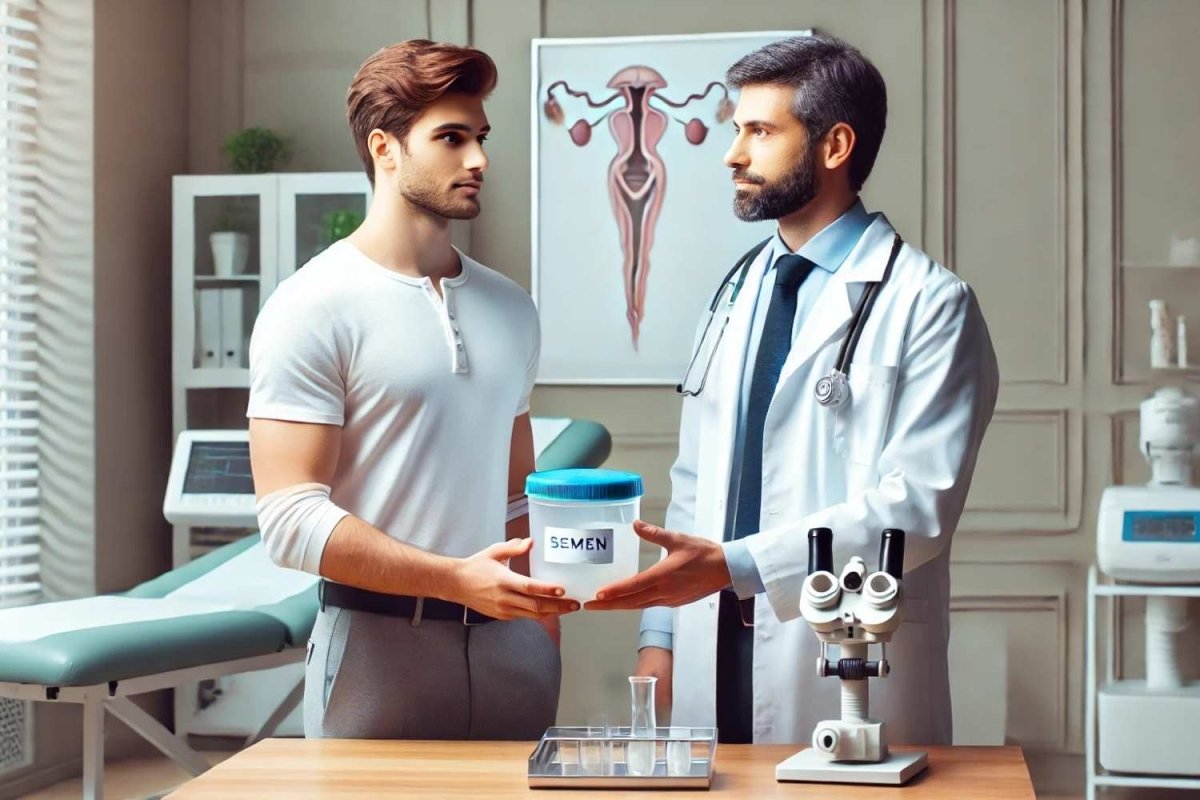
For this method, the donor gets a private space and a sterile container to collect the sperm. He ejaculates and collects all the ejaculate fluid in that container. The container is then submitted to the lab for further proceedings.
Alternate Methods
The alternate way to get sperm out is electroejaculation and surgical extraction. Men who can't ejaculate on their own because of some health condition can use the electroejaculation method to collect sperm [4].
Surgical extraction is not as common as other sperm collection options. It is reserved for males who can't release sperm due to some blockage in the reproductive tract [5].

✨ Support Healthy Sperm
Our Motility Support supplement contains Zinc, CoQ10, and L-Carnitine — clinically studied nutrients for sperm health and motility.
Shop Now — $34.95✓ Free shipping on orders over $40 | ✓ Trusted by millions of couples worldwide

What Are the Steps Involved In Sperm Donation?
Sperm donation involves different steps and each step is important for the success of this procedure. Here is the step-by-step guide on the complete procedure:
Step 1: Screening
Screening is the initial step in sperm donation procedure and it has significant importance. The donor undergoes different medical tests to see if there is any genetic condition that may get transferred to the upcoming child.
The doctors also explore the medical history of the donor's family to make sure that the sperm is healthy and that there is a minimum risk of congenital conditions in the baby.
Step 2: Sperm Collection
When the screening results are normal and doctors confirm that the person is healthy to donate sperm, then comes the second step. The second step is the collection of sperm.
Typically, the donor masturbates in a private room and collects the ejaculate fluid in a sterile container. If a man can't ejaculate for some reason, the other alternate options for sperm collection are electroejaculation and surgical incision.
Step 3: Sperm Analysis
After collection, the sperm is not directly used in fertility treatments. It undergoes a sperm analysis procedure which evaluates different parameters of the sperm.
Find the best fertility test. This test checks if the sperm can move easily, the sperm's shape and size are normal, and other parameters of sperm health. The sperm is only used for fertility treatments if the sperm analysis report is normal.
Step 4: Use in Fertility Treatment
Sperm that are approved to be healthy for fertilization are frozen and stored for future use. These samples are then used in treatments like intrauterine insemination (IUI) or in vitro fertilization (IVF). When needed, the sperm is thawed and made ready for the fertility procedure.

Legal And Ethical Considerations
Sperm donation involves important legal and ethical issues. Donors usually agree to terms about anonymity and whether they’ll be contacted by any future children.
In some places, the law allows children born from donations to get information about the donor when they turn 18. It’s also important that donors fully understand the process and consent to it.
Clinics must follow strict rules to protect both the donor’s and recipient’s privacy and rights throughout the process.
Key Takeaways From the Sperm Donation Process
Sperm donation is a generous act where a person with healthy sperm donates sperm cells. The sperm cells are donated to couples facing problems with fertility and are unable to conceive naturally.
How do sperm donors get the sperm out? It is a simple procedure where the donor collects sperm through masturbation and submits that to the lab for further proceedings. Further proceedings typically involve sperm analysis and after that, the healthy sperm is utilized in fertility treatments.
Resources Used
- Leslie, S. W., Soon-Sutton, T. L., & Khan, M. A. (2024, February 25). Male Infertility. StatPearls - NCBI Bookshelf. https://www.ncbi.nlm.nih.gov/books/NBK562258/
- Professional, C. C. M. (2024c, May 1). IUI (Intrauterine Insemination). Cleveland Clinic. https://my.clevelandclinic.org/health/treatments/22456-iui-intrauterine-insemination
- Choe, J., & Shanks, A. L. (2023, September 4). In Vitro Fertilization. StatPearls - NCBI Bookshelf. https://www.ncbi.nlm.nih.gov/books/NBK562266/
- Professional, C. C. M. (2024b, May 1). Electroejaculation. Cleveland Clinic. https://my.clevelandclinic.org/health/treatments/23997-electroejaculation
- Shah, R. (2011). Surgical sperm retrieval: Techniques and their indications. Indian Journal of Urology : IJU : Journal of the Urological Society of India, 27(1), 102-109. https://doi.org/10.4103/0970-1591.78439
🌱 Boost Male Fertility Naturally
Conceive Plus Men's Motility Support is formulated with the nutrients that matter most for sperm quality, count, and motility.
Shop Men's Fertility →Frequently Asked Questions
Recommended by Fertility Experts
Conceive Plus Men's Fertility Support
Designed to support healthy sperm production, motility, and overall male reproductive health with clinically studied nutrients.
Shop Now →What are the health screening requirements for sperm donors in the US?
The FDA and American Society for Reproductive Medicine (ASRM) require all sperm donors to undergo comprehensive health screening, including infectious disease testing (HIV, hepatitis B and C, syphilis, and gonorrhea), genetic screening, and a detailed medical and family history evaluation. Donors must also be screened for sexually transmitted infections (STIs) both at the time of donation and again after a quarantine period to ensure safety for recipient couples.
Is sperm donation anonymous in the United States?
Sperm donation can be either anonymous or open (known donor) depending on the preferences of both the donor and recipient couple and the policies of the fertility clinic. Many US clinics offer both options, though anonymous donation is more common through sperm banks, while known donation typically occurs between family members or friends.
How much does it cost to donate sperm in the US?
Sperm donors in the United States typically receive compensation ranging from $50 to $300 per donation, depending on the sperm bank and location. The total compensation can reach $1,200 to $15,000 over the course of a donation program, as donors are usually required to make multiple donations over several months.
Can sperm donors have legal rights or responsibilities to children born from their donation?
In the United States, anonymous sperm donors typically have no legal rights or financial responsibilities toward children born from their donation when using a licensed fertility clinic or sperm bank. However, known donors may have legal obligations depending on state laws and the written agreements in place, which is why legal contracts are essential before proceeding with known donation.
How long does the sperm donation process take from start to finish?
The complete sperm donation process typically takes 4 to 6 months from initial screening to final approval. This timeline includes initial health screening (2-4 weeks), a quarantine period to retest for infectious diseases (6 months), and multiple donation appointments (spaced throughout the screening and quarantine period).
Does insurance cover the cost of using donor sperm for fertility treatment?
Insurance coverage for donor sperm varies significantly depending on your specific insurance plan and state regulations. While some states mandate fertility insurance coverage, donor sperm is often considered a separate expense and may not be covered even if fertility treatments are; it's essential to contact your insurance provider directly to understand your coverage options.
What happens to sperm after it's donated to a fertility clinic?
After collection, donated sperm is processed and tested for motility, concentration, and morphology at the fertility clinic laboratory. The sperm is then either used fresh for immediate fertility procedures like IUI or IVF, or it is frozen and quarantined for 6 months while the donor is retested for infectious diseases before being released for use or long-term storage.
Trusted by Couples in Over 70 Countries
Support Male Fertility From the Inside Out
Male fertility is just as important as female fertility in the conception journey. Conceive Plus Men's range delivers targeted nutritional support to promote healthy sperm and overall reproductive wellbeing.
Shop Men's Range →