How do I get my wife pregnant? Steps to help your partner conceive


When starting a family, many people ask, "How do I get my wife pregnant?" While conception may seem straightforward, understanding the science of fertility and adopting strategies to enhance your chances can make the journey smoother. This guide explores the factors that affect conception, tips for improving fertility, and addresses common misconceptions such as whether both partners need to climax for pregnancy.

Understanding the Basics of Conception
Conception occurs when sperm fertilizes an egg, leading to pregnancy. Here’s a brief overview of the process:
- Ovulation: The female body releases an egg from the ovary, typically around day 14 of a 28-day menstrual cycle. This egg is viable for about 24 hours.[1]
- Sperm Journey: Once ejaculated, sperm travel through the cervix into the uterus and fallopian tubes. Sperm can live inside the female reproductive system for up to five days.[2]
- Fertilization: If sperm reaches the egg during its viability window, fertilization can occur. The fertilized egg then implants into the uterine lining, leading to pregnancy.
Knowing your wife’s ovulation cycle is essential for timing intercourse to coincide with her fertile window, which significantly increases the likelihood of conception.
Maximizing Your Chances of Conception
To enhance fertility and increase the odds of pregnancy, consider these strategies:
Track Ovulation
- Use ovulation predictor kits (OPKs), basal body temperature (BBT) charts, or monitor changes in cervical mucus to pinpoint the most fertile days in your wife’s cycle.
- Aim for intercourse every 1-2 days during the fertile window, typically the five days leading up to ovulation and the day of ovulation itself.
Maintain a Healthy Lifestyle
- For Both Partners: A balanced diet rich in vitamins, minerals, and antioxidants can improve sperm and egg health.
- For Men: Foods rich in zinc, selenium, and omega-3 fatty acids can boost sperm quality and motility.[3]
- For Women: Folic acid supplements and foods high in vitamin D, calcium, and iron support overall reproductive health.
- Lifestyle: Regular exercise, adequate sleep, and stress management also play a role in optimizing fertility.

✨ Think You Might Be Pregnant?
Get fast, accurate results up to 6 days before your missed period with our early detection pregnancy test.
Shop Now — $9.80✓ Free shipping on orders over $40 | ✓ Trusted by millions of couples worldwide
Consider Sperm Health
- Avoid smoking, excessive alcohol, and recreational drugs, as these can lower sperm count and quality.
- Avoid prolonged heat exposure to the testicles, such as from hot baths or tight underwear.

Intercourse and Fertility
One common question is, "Is it necessary for both partners to discharge for pregnancy?" The answer is no. While female climax can enhance sperm movement by creating contractions in the uterus, it is not required for conception. Male ejaculation, however, is essential to deliver sperm to the egg.
Myths and Misconceptions About Getting Pregnant
Many misconceptions can create unnecessary stress during the conception journey. Here are some clarified facts:
- Climax Myths: As mentioned, the female orgasm is not necessary for conception, though it may improve the chances slightly by aiding sperm movement.
- Positioning: There’s no scientific evidence that certain sexual positions guarantee pregnancy, but positions that allow for deeper penetration, like missionary, may place sperm closer to the cervix.
- Leg Elevation: While some believe elevating legs after intercourse helps, sperm are already programmed to swim toward the egg, making this unnecessary.
When to Seek Medical Advice
If conception does not occur after one year of regular, unprotected intercourse (or six months if the wife is over 35), it’s time to consult a fertility specialist. Both partners should undergo evaluations to identify any underlying issues.
Common male factors include low sperm count, poor motility, or structural abnormalities, while female factors could involve ovulatory disorders, blocked fallopian tubes, or hormonal imbalances. Treatments such as medications, lifestyle changes, or assisted reproductive technologies like IVF can address these issues.

Emotional Considerations in the Journey
Trying to conceive can sometimes become emotionally taxing. Open communication with your wife and maintaining intimacy and connection beyond the goal of pregnancy are vital for your relationship. Seeking support from friends, family, or counseling services can also be beneficial.
Conclusion
If you’ve been wondering, "How do I get my wife pregnant?" the key lies in understanding the factors that affect fertility, timing intercourse around ovulation, and maintaining a healthy lifestyle for both partners. While myths like needing both partners to climax may persist, focusing on evidence-based practices will yield better results. For those in relationships where conception isn't occurring as planned, seeking professional guidance can provide clarity and solutions.
Whether your goal is to get your wife or even your gf pregnant, a combination of patience, knowledge, and effort will guide you toward the family you’re building together.
Resources
- Holesh JE, Bass AN, Lord M. Physiology, Ovulation. [Updated 2023 May 1]. In: StatPearls [Internet]. Treasure Island (FL): StatPearls Publishing; 2024 Jan-. Available from: https://www.ncbi.nlm.nih.gov/books/NBK441996/
- S.S. Suarez, A. A. Pacey, Sperm transport in the female reproductive tract, Human Reproduction Update, Volume 12, Issue 1, January/February 2006, Pages 23–37, https://doi.org/10.1093/humupd/dmi047
- Salas-Huetos A, Rosique-Esteban N, Becerra-Tomás N, Vizmanos B, Bulló M, Salas-Salvadó J. The Effect of Nutrients and Dietary Supplements on Sperm Quality Parameters: A Systematic Review and Meta-Analysis of Randomized Clinical Trials. Adv Nutr. 2018 Nov 1;9(6):833-848. doi:10.1093/advances/nmy057. PMID: 30462179; PMCID: PMC6247182.
🌱 Get Answers Early
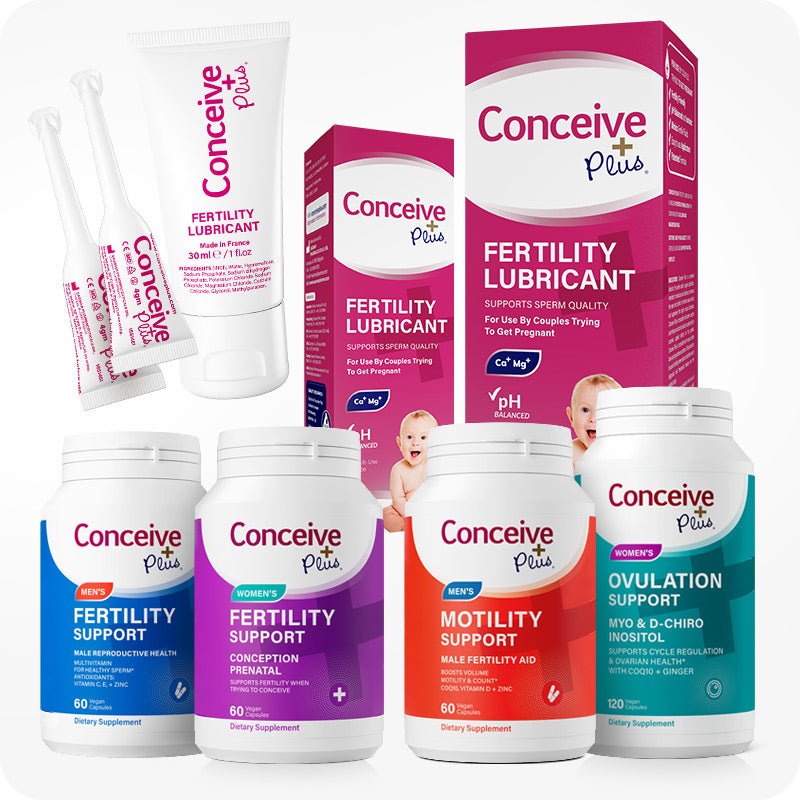
Millions of women trust Conceive Plus for their fertility journey. Clinically validated pregnancy tests delivered to your door.
Shop Pregnancy Tests →Frequently Asked Questions
Recommended by Fertility Experts
Conceive Plus Men's Fertility Support
Designed to support healthy sperm production, motility, and overall male reproductive health with clinically studied nutrients.
Shop Now →Q: How long does it typically take to get pregnant?
A: According to the American Society for Reproductive Medicine (ASRM), approximately 85% of couples who have regular, unprotected intercourse will conceive within one year, and 90% will conceive within two years. For women under 35, fertility specialists typically recommend trying for 12 months before seeking medical evaluation, while women 35 and older should consult a doctor after 6 months of attempting conception. Individual timelines vary based on age, overall health, lifestyle factors, and reproductive health—optimizing fertility through nutrition, stress reduction, and supplements like Conceive Plus can support your conception journey. If you haven't conceived after the recommended timeframe, speaking with a fertility specialist can help identify any underlying issues.
Q: What is the best time to have intercourse to get pregnant?
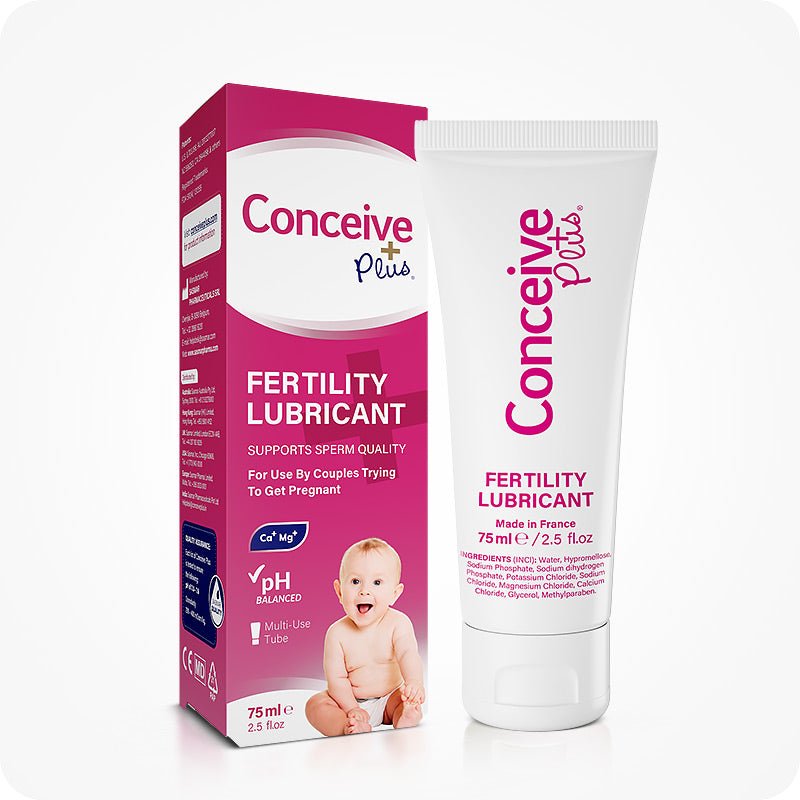
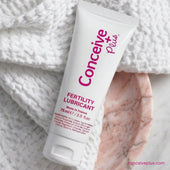
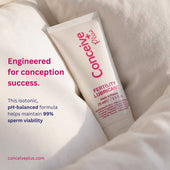
A: The fertile window is the 5 days before ovulation and the day of ovulation itself, as sperm can survive up to 5 days in the reproductive tract while eggs survive for about 12-24 hours. Most women with a 28-day cycle ovulate around day 14, though this varies significantly between individuals. Tracking ovulation through methods like basal body temperature, ovulation predictor kits, or fertility apps can help identify your most fertile days. Having intercourse every 2-3 days throughout your cycle also increases conception chances, and using a fertility-friendly lubricant like Conceive Plus—which is designed to support sperm motility—can enhance your efforts during these critical windows.
Q: Can male fertility supplements really improve sperm quality?
A: Yes, scientific research shows that certain supplements can improve sperm parameters including motility, morphology, and count; studies on ingredients like zinc, selenium, L-carnitine, and CoQ10 have demonstrated measurable improvements in male fertility. While the FDA does not pre-approve dietary supplements the way it does medications, reputable fertility supplements undergo third-party testing and are formulated based on peer-reviewed research from institutions like the American Urological Association. Male factor infertility accounts for approximately 35-40% of infertility cases in the United States, making male fertility support an important consideration for couples trying to conceive. Combining supplements with lifestyle improvements—such as maintaining a healthy weight, reducing stress, and avoiding smoking—provides the most comprehensive approach to optimizing fertility.
Q: Does the female orgasm affect the chances of getting pregnant?
A: While some research suggests that female orgasm may create uterine contractions that could theoretically help sperm transport, the scientific evidence that it's necessary for conception is limited and inconclusive. Conception absolutely can occur without female orgasm, as the primary requirement for pregnancy is the meeting of viable sperm and a released egg during the fertile window. What matters most for conception is timing intercourse during the fertile window, having healthy sperm and eggs, and maintaining overall reproductive health. Rather than focusing on orgasm, couples should prioritize regular intercourse during fertility windows and consider optimizing other factors like nutrition and reproductive health supplements.
Q: What lifestyle changes can improve fertility for both partners?
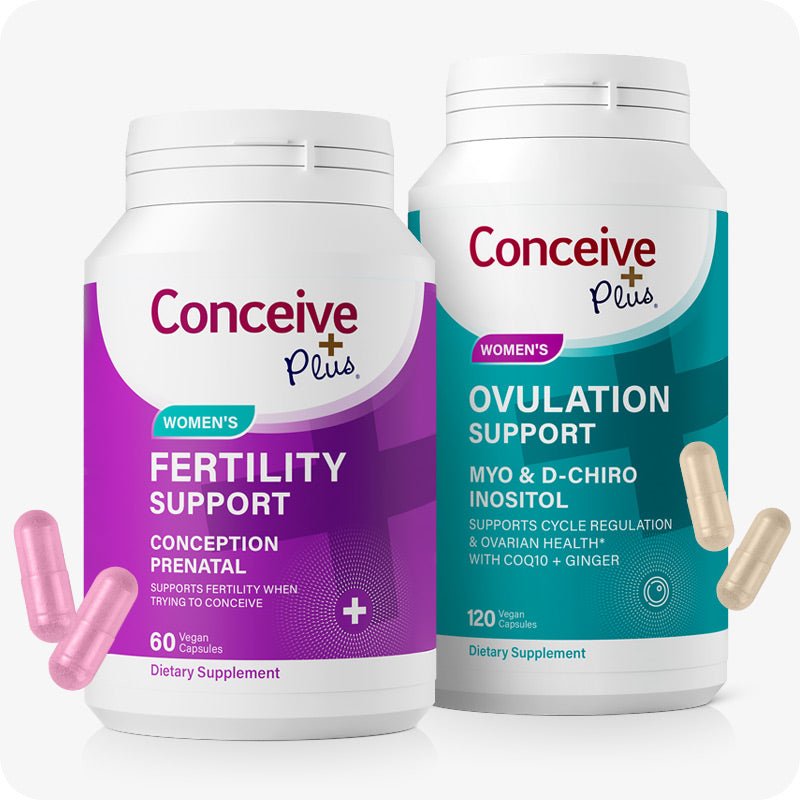
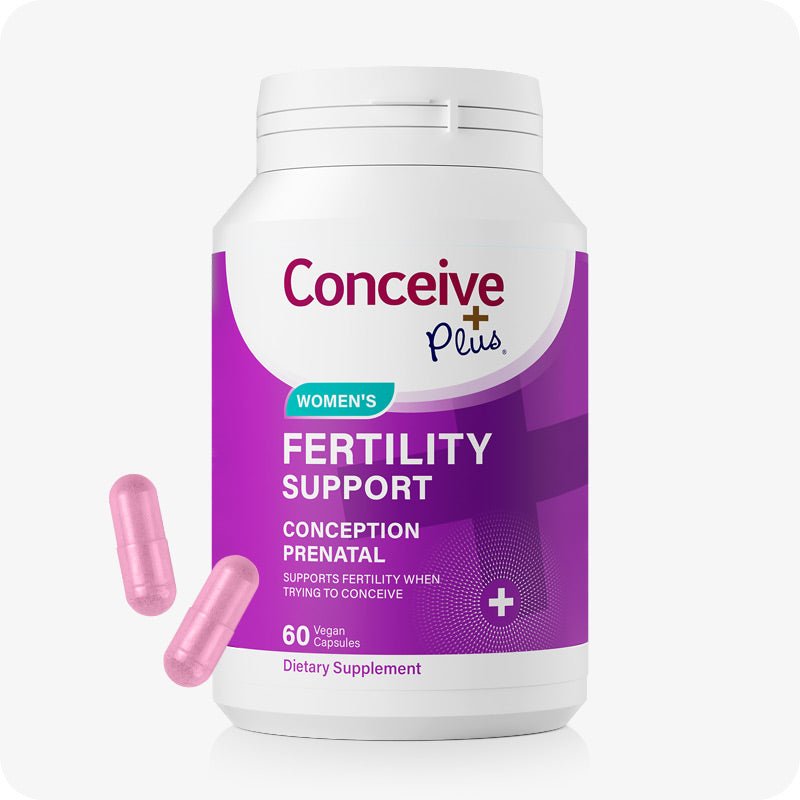
A: Research from ASRM recommends several evidence-based lifestyle modifications for both men and women: maintaining a healthy BMI (body mass index), exercising moderately 3-5 times weekly, reducing stress through meditation or counseling, eliminating smoking and limiting alcohol, and eating a diet rich in antioxidants and whole foods. For men specifically, avoiding heat exposure to the testicles and limiting time in hot environments can protect sperm quality, while women should ensure adequate folic acid intake (400-800 mcg daily) before conception. Both partners benefit from quality sleep, managing underlying health conditions like PCOS or thyroid disorders, and considering prenatal vitamins or fertility supplements—such as Conceive Plus for women—to fill nutritional gaps that support reproductive health. These lifestyle changes typically take 2-3 months to meaningfully impact fertility, as sperm production takes approximately 74 days and egg quality develops over several months.
Trusted by Couples in Over 70 Countries
Support Male Fertility From the Inside Out
Male fertility is just as important as female fertility in the conception journey. Conceive Plus Men's range delivers targeted nutritional support to promote healthy sperm and overall reproductive wellbeing.
Shop Men's Range →