How Big Is Sperm and Fascinating Facts About Its Size and Dimensions
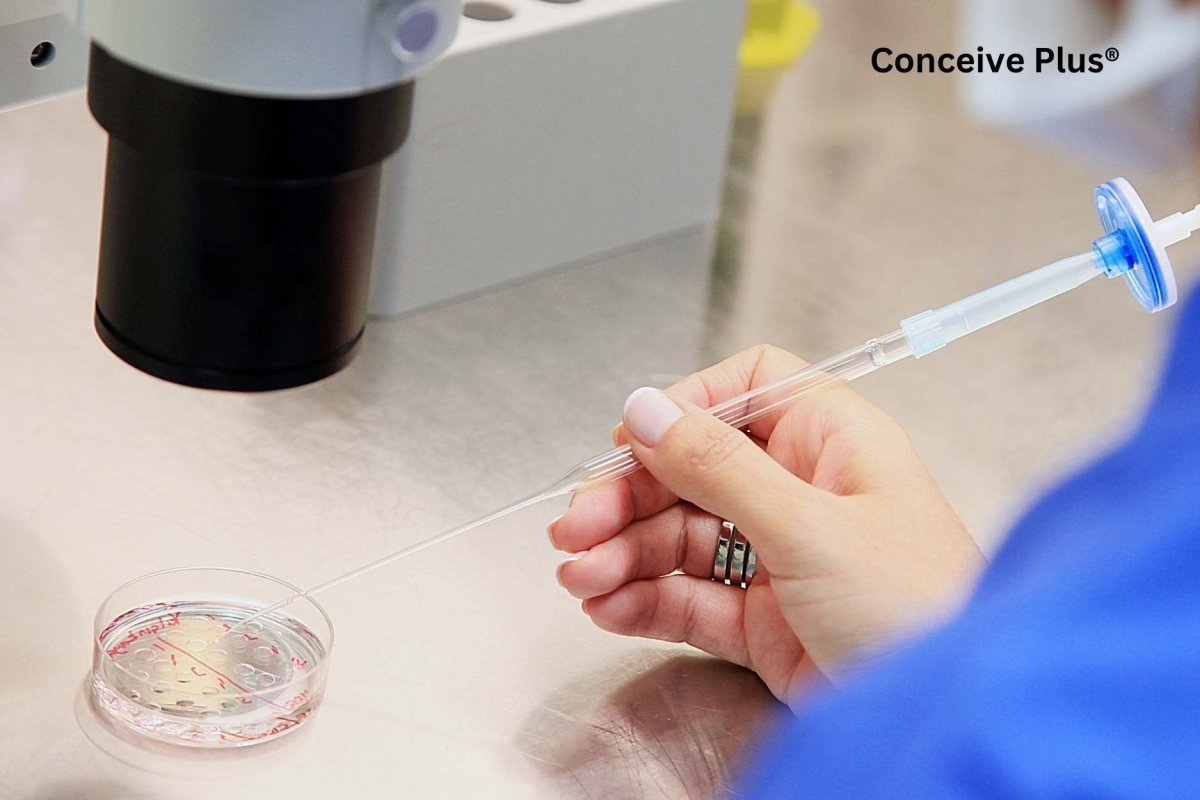

When talking about fertility, a question that pops up quite often is: how big is sperm? You’d be surprised how much something so tiny can play such a massive role in conception. And yeah, despite its microscopic nature, understanding sperm size and what it does is pretty important, especially for couples trying to conceive. Let's break it all down, so you can learn a little more about the fascinating world of sperm and how it helps in getting pregnant.

What Is the Size of Sperm?
The size of sperm is honestly quite shocking when you realize just how small it is. The human sperm length, from head to tail, is only about 0.002 inches, or 50 micrometers. The head? It’s just 5 micrometers long! That’s super tiny, right? The size of spermatozoa doesn’t really matter in everyday life, but it’s crucial when we talk about fertility. The sperm’s head contains all the genetic material, the midpiece gives it energy, and the tail, well, it helps the sperm swim [1].
Top Tip: Tiny as they may be, sperm needs to be in good shape. Make sure you're getting enough zinc and CoQ10. These can help improve sperm health, and ultimately, your chances of conceiving.
Can You See Sperm?
A common question, and not a silly one at all, is: can you see sperm with your naked eye? Nope! Not happening. Sperm is just too small to be visible. You’d need a microscope to see those little guys swimming around. The sperm dimensions are just too microscopic, but when you get a closer look, you can see the head, tail, and how it moves toward the egg. Pretty cool, huh? [2]
Top Tip: If you're curious about sperm health or fertility, consider doing a home sperm test. It'll give you insights into things like sperm count and motility, which can help.

Let’s Talk Sperm Facts
When it comes to sperm facts, there’s actually a lot to learn. Did you know that in one ejaculation, there can be anywhere from 15 million to 200 million sperm per milliliter? That's a whole lot of swimmers! But out of all those sperm, only one needs to make it to the egg to cause conception. And the journey? It's no joke. It's why only the strongest sperm survive to reach the egg. The body is wild, right? [3]
Here’s more facts about sperm:
- Sperm can hang around inside the female body for up to five days.
- They need a process called capacitation, once inside the female reproductive system, to fertilize an egg.
- The quality of sperm – how well it moves and looks – is crucial for a healthy conception.

✨ Support Healthy Sperm
Our Motility Support supplement contains Zinc, CoQ10, and L-Carnitine — clinically studied nutrients for sperm health and motility.
Shop Now — $34.95✓ Free shipping on orders over $40 | ✓ Trusted by millions of couples worldwide
Top Tip: Want to boost sperm health? Eat well, exercise, and maybe look into fertility supplements. Those things can really help get those swimmers in top shape. Male fertility supplements containing ingredients like Zinc, CoQ10, and Folate may support sperm quality and overall reproductive health.
What About Semen?
Now, semen is just as important as sperm when we talk about fertility. Let's clear up some seman facts – semen is the fluid that carries the sperm. It’s made up of a mix of things like proteins, sugars, and minerals, all of which help sperm survive and swim toward the egg. Without it, sperm wouldn't stand a chance [4].
More facts of sperm you should know:
- Semen is alkaline, meaning it helps sperm survive the acidic environment of the vagina.
- Semen provides energy to sperm, mainly from sugars like fructose, which gives them the fuel to swim.
Top Tip: Keep hydrated. It can help maintain healthy semen, which in turn helps sperm stay strong and healthy on their way to the egg.
Human Sperm Size and Fertility
So, human sperm size is small, but it’s got a big job to do. Inside each tiny sperm is half of the genetic material needed to make a baby. The structure of the sperm – especially the tail – is essential for getting it to move and reach the egg [5].
The human sperm length has to be just right. The head holds the DNA, the tail helps it swim, and everything needs to work together to get the sperm where it needs to go. That’s why keeping sperm healthy is so important if you’re trying to conceive. Things like vitamins C and E help protect sperm from damage, keeping them in good shape.
Top Tip: If you’re trying to conceive, look into supplements with L-carnitine and antioxidants. These have been shown to help improve sperm motility and health.

Conclusion: So, How Big Is Sperm and Why Does It Matter?
In the end, how big is sperm? Well, it's tiny! But even though sperm size is microscopic, it plays a giant role in the conception process. Knowing these sperm facts and understanding how sperm works can help you make smarter decisions when it comes to improving fertility. Eat right, stay healthy, and consider some fertility supplements to keep those swimmers in top condition. If you're considering a sperm analysis and wondering about the costs, explore is sperm analysis covered by insurance to understand potential insurance support and expenses.
FAQs
How long can sperm survive in the female body?
Sperm can live for up to five days inside the female reproductive system, giving it plenty of time to reach the egg if timed with ovulation.
Does sperm size affect fertility?
No, sperm size doesn't directly impact fertility. But the quality of sperm – how well it moves, its shape – is more important for conception.
What’s the difference between sperm and semen?
Sperm is the actual reproductive cell, while semen is the fluid that carries and nourishes the sperm. They work together for fertilization.
Can sperm health improve?
Yes! Diet, regular exercise, and fertility supplements containing zinc, CoQ10, and other nutrients can significantly boost sperm health.
How is sperm health measured?
Sperm health is usually measured through a semen analysis, which checks for sperm count, motility (how well they move), and morphology (shape).
Citations
- Leung ETY, Lee BKM, Lee CL, Tian X, Lam KKW, Li RHW, Ng EHY, Yeung WSB, Ou JP, Chiu PCN. The role of spermatozoa-zona pellucida interaction in selecting fertilization-competent spermatozoa in humans. Front Endocrinol (Lausanne). Available at: https://www.ncbi.nlm.nih.gov/pmc/articles/PMC10067631/
- Martinez G, Daniels K, Chandra A. Fertility of men and women aged 15-44 years in the United States: National Survey of Family Growth. Available at: https://pubmed.ncbi.nlm.nih.gov/22803225/
- de Lamirande E, Jiang H, Zini A, Kodama H, Gagnon C. Reactive oxygen species and sperm physiology. Rev Reprod. Available at: https://pubmed.ncbi.nlm.nih.gov/9414465/
- de Lamirande E, Jiang H, Zini A, Kodama H, Gagnon C. Reactive oxygen species and sperm physiology. Rev Reprod. Available at: https://pubmed.ncbi.nlm.nih.gov/9414465/
- Aitken RJ, Baker MA. Oxidative stress and male reproductive biology. Reprod Fertil Dev. Available at: https://pubmed.ncbi.nlm.nih.gov/15367373/
🌱 Boost Male Fertility Naturally
Conceive Plus Men's Motility Support is formulated with the nutrients that matter most for sperm quality, count, and motility.
Shop Men's Fertility →Frequently Asked Questions
Recommended by Fertility Experts
Conceive Plus Men's Fertility Support
Designed to support healthy sperm production, motility, and overall male reproductive health with clinically studied nutrients.
Shop Now →What factors affect sperm size and does it impact fertility?
While sperm size itself is relatively consistent across healthy men at about 50 micrometers in length, the overall quality and morphology (shape) of sperm is what truly impacts fertility. The American Society for Reproductive Medicine (ASRM) emphasizes that sperm motility, count, and normal morphology are the key indicators measured in a semen analysis, rather than size variations. Even tiny variations in sperm structure can affect its ability to swim toward and penetrate the egg.
How can I improve sperm health and quality naturally?
Research supports several lifestyle and nutritional approaches to enhance sperm quality, including maintaining a healthy weight, reducing stress, avoiding smoking and excessive alcohol, and ensuring adequate sleep. Supplements like CoQ10, zinc, and vitamin D have shown promise in some studies for improving sperm motility and count. However, it's best to consult with a urologist or fertility specialist before starting any supplement regimen, as they can recommend options appropriate for your specific situation.
What is a normal sperm count according to the FDA and medical standards?
The World Health Organization (WHO) and ASRM define a healthy sperm count as at least 15 million sperm per milliliter of ejaculate, though higher counts generally indicate better fertility potential. The FDA has cleared several home sperm testing kits that measure sperm concentration, but these should be followed up with a clinical semen analysis from a fertility clinic for comprehensive evaluation. If your count is below normal ranges, a fertility specialist can discuss treatment options available through US clinics.
How long does sperm survive inside the female body?
Sperm can survive in the female reproductive tract for up to five days under optimal conditions, which is why the days leading up to ovulation are considered the fertile window. This extended lifespan allows for conception even if intercourse occurs several days before ovulation. However, survival rates depend on factors like cervical mucus quality and overall reproductive health, which fertility specialists can evaluate during testing.
Should I get a semen analysis and what does insurance typically cover?
A semen analysis is recommended if you've been trying to conceive for over a year (or six months if the female partner is over 35), as it provides crucial information about sperm count, motility, and morphology. Insurance coverage for fertility testing varies significantly by plan and state, so it's important to contact your provider directly or work with your fertility clinic's insurance specialist to understand your benefits. Many American fertility clinics offer affordable self-pay options if insurance doesn't cover the initial diagnostic tests.
What is capacitation and why is it necessary for conception?
Capacitation is a biological process that occurs when sperm enters the female reproductive system, involving chemical and structural changes that enable the sperm to fertilize an egg. This process takes several hours and is essential because sperm cannot fertilize an egg without undergoing capacitation, regardless of its initial quality. Understanding this process is why fertility specialists assess not just sperm count, but also the sperm's ability to function properly in the female reproductive environment.
Can home sperm tests accurately measure fertility potential?
FDA-cleared home sperm tests can provide a quick screening of sperm concentration (count) and are useful for initial assessment, but they cannot evaluate motility or morphology, which are critical fertility factors. These tests are best used as a preliminary screening tool, and any concerning results should be followed up with a clinical semen analysis at an accredited fertility clinic for comprehensive evaluation. A fertility specialist can then recommend appropriate treatment based on complete diagnostic results.
Trusted by Couples in Over 70 Countries
Support Male Fertility From the Inside Out
Male fertility is just as important as female fertility in the conception journey. Conceive Plus Men's range delivers targeted nutritional support to promote healthy sperm and overall reproductive wellbeing.
Shop Men's Range →