Fertility Testing: A Complete Guide to Understanding Your Reproductive Health


When you've been trying to conceive without success, fertility testing can feel like a daunting but essential next step. Understanding what tests are available, what they measure, and what results mean can transform an overwhelming experience into one of clarity and empowerment. This comprehensive guide walks you through everything you need to know about fertility testing — from basic at-home options to advanced clinical assessments — so you and your partner can make informed decisions about your reproductive health journey.
Why Fertility Testing Matters
Infertility affects approximately 1 in 8 couples in the United States, yet many people wait far longer than recommended before seeking evaluation. According to the American Society for Reproductive Medicine (ASRM), couples under 35 who have been trying for 12 months, and those 35 or older who have been trying for 6 months, should seek medical evaluation. For women over 40, seeking testing after just 3 months of trying is advisable.
Early testing doesn't mean something is seriously wrong — it means taking a proactive, informed approach to your reproductive health. In fact, approximately 85–90% of infertility cases are treated with conventional medical therapies such as medication or surgery, and many underlying conditions are highly manageable when identified early.
Perhaps most importantly, fertility testing provides answers. Unexplained anxiety about "what if" can be replaced by actionable information. Whether results are reassuring or point to areas requiring attention, knowledge is profoundly empowering on the path to parenthood.
Female Fertility Tests: What to Expect
Ready to take the next step?
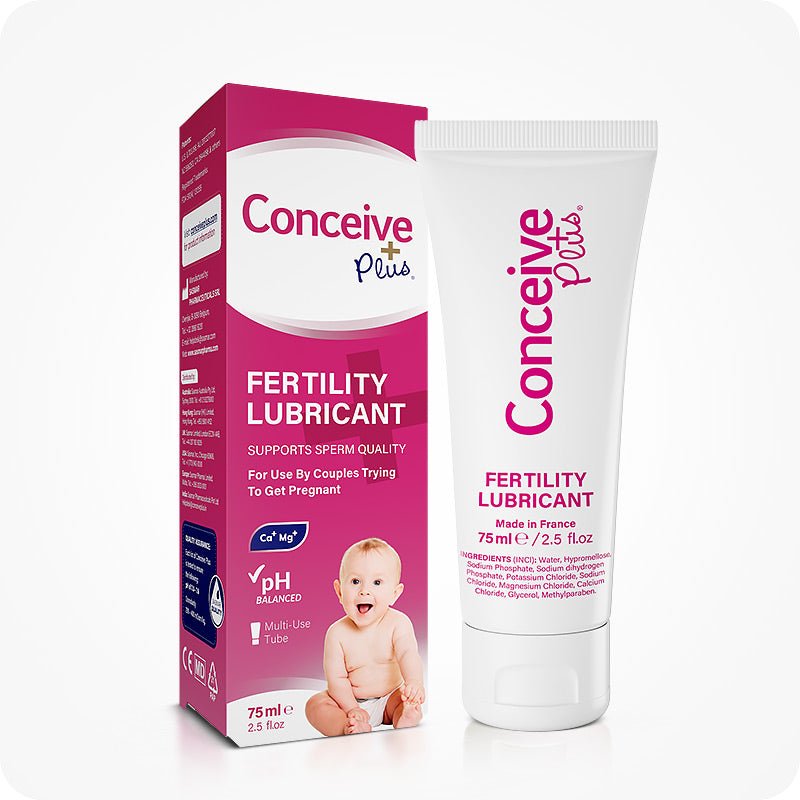
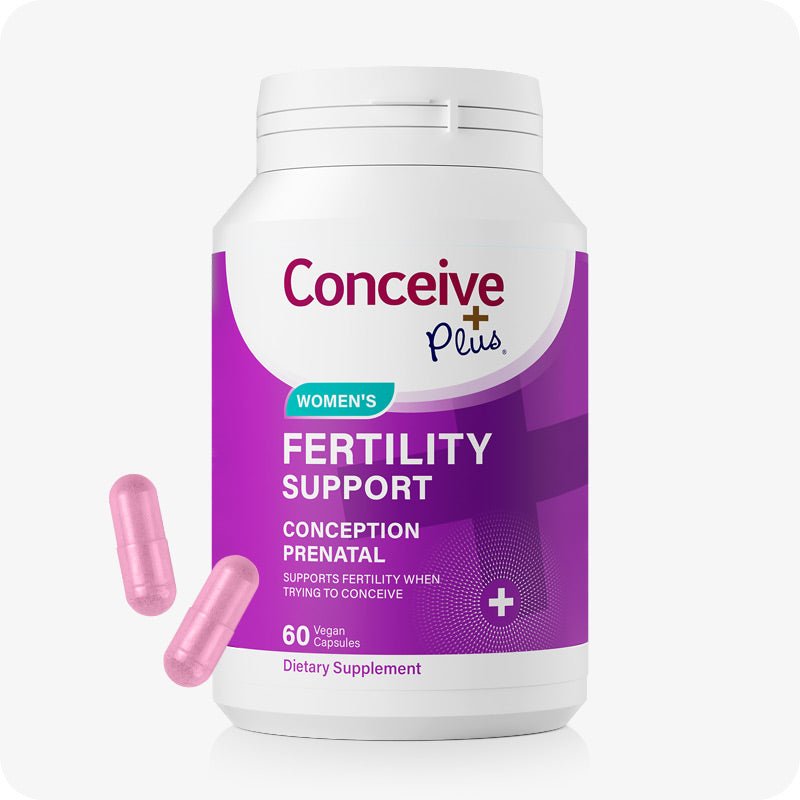
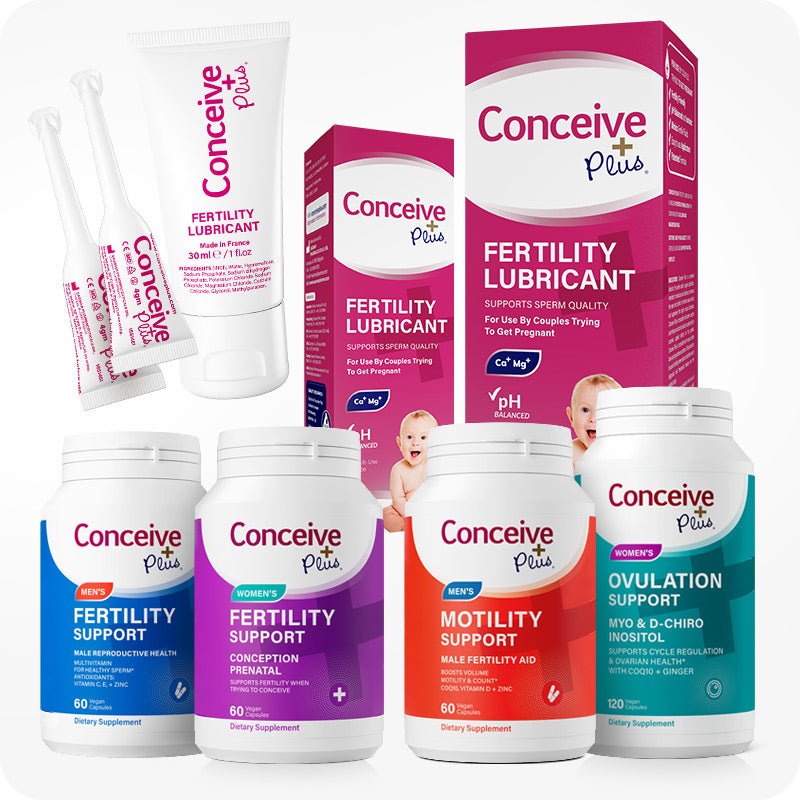
Conceive Plus Fertility Support Range is scientifically formulated to support your fertility journey at every stage. Trusted by couples worldwide.
Explore Conceive Plus Fertility Support Range →Women's fertility evaluation typically begins with a detailed medical history and physical examination, followed by a series of targeted tests designed to assess different aspects of reproductive function.
Ovarian Reserve Testing
Ovarian reserve refers to the quantity and quality of eggs remaining in the ovaries. Several tests assess this:
- Anti-Müllerian Hormone (AMH): A blood test that measures a hormone produced by follicles in the ovaries. AMH is one of the most reliable indicators of ovarian reserve and can be taken at any point in the menstrual cycle. Lower AMH levels indicate reduced ovarian reserve.
- Antral Follicle Count (AFC): A transvaginal ultrasound performed early in the menstrual cycle to count the number of small follicles visible in both ovaries. A higher count typically indicates better ovarian reserve.
- Day 3 FSH and Estradiol: Blood tests taken on day 3 of the menstrual cycle. Elevated FSH (follicle-stimulating hormone) and estradiol levels can indicate diminished ovarian reserve.
Hormonal Panel
A comprehensive hormonal assessment may include:
- LH (Luteinizing Hormone): Triggers ovulation; elevated baseline levels may indicate PCOS or premature ovarian insufficiency.
- Prolactin: High levels can suppress ovulation and interfere with fertility.
- Thyroid function (TSH, T3, T4): Thyroid disorders are among the most common and treatable causes of fertility issues in women.
- DHEA-S and testosterone: Elevated androgens can signal PCOS or adrenal disorders.
- Progesterone (mid-luteal phase): Confirms whether ovulation occurred in the previous cycle.
Uterine and Tubal Assessment
Structural issues with the uterus or fallopian tubes account for a significant portion of female infertility cases.
- Hysterosalpingogram (HSG): An X-ray procedure where contrast dye is injected through the cervix to outline the uterine cavity and fallopian tubes, revealing blockages or abnormalities.
- Saline Infusion Sonogram (SIS): A less invasive alternative using saline solution and ultrasound to evaluate the uterine cavity for polyps, fibroids, or adhesions.
- Hysteroscopy: A minimally invasive procedure where a thin camera is inserted to directly visualize the inside of the uterus.
- Laparoscopy: A surgical procedure that allows visualization of the pelvic organs, typically reserved for suspected endometriosis or severe adhesions.
Male Fertility Tests: Often Overlooked, Always Essential
Male factor infertility contributes to approximately 40–50% of all infertility cases, yet men are often the last to be tested. A semen analysis is a simple, non-invasive test that provides a wealth of information and should be one of the first steps in any fertility evaluation.
Semen Analysis
A standard semen analysis measures several key parameters:
- Volume: The total amount of semen produced (normal: 1.5 mL or more)
- Concentration: Number of sperm per milliliter (normal: 16 million/mL or more)
- Total motility: Percentage of sperm that are moving (normal: 42% or more)
- Progressive motility: Percentage moving in a forward direction (normal: 30% or more)
- Morphology: Percentage of sperm with normal shape (normal: 4% or more by strict Kruger criteria)
- Vitality: Percentage of live sperm (normal: 54% or more)
A single abnormal result doesn't necessarily indicate infertility — a second analysis is often recommended to confirm findings, as sperm parameters can vary significantly between samples.
Advanced Sperm Testing
When standard semen analysis is abnormal or unexplained infertility persists, more advanced tests may be recommended:
- DNA Fragmentation Index (DFI): Measures the degree of DNA damage within sperm. High DFI levels are associated with reduced fertilization rates and increased miscarriage risk.
- Sperm Function Tests: Including the acrosome reaction and zona binding tests, which assess sperm's ability to penetrate and fertilize an egg.
- Hormonal Assessment: Including FSH, LH, testosterone, and prolactin to evaluate hormonal drivers of sperm production.
- Genetic Testing: Karyotype analysis and Y-chromosome microdeletion testing in cases of very low or absent sperm counts.
At-Home Fertility Tests: Convenience vs. Comprehensiveness
The market for at-home fertility testing has exploded in recent years, driven by consumer demand for privacy, convenience, and immediate results. While these tests have genuine value, understanding their limitations is equally important.
What At-Home Tests Can Assess
- AMH (Ovarian Reserve): Finger-prick blood tests from companies like Modern Fertility, Everlywell, and LetsGetChecked provide AMH results that can indicate ovarian reserve. These are clinically validated and reasonably accurate.
- FSH: Some kits test FSH on day 3 of the cycle as an ovarian reserve indicator.
- Ovulation Prediction: LH surge tests help identify the fertile window but don't confirm that ovulation actually occurs.
- Sperm Analysis: At-home sperm tests (like YO or Trak) can assess sperm concentration and sometimes motility, providing a useful preliminary screen.
Limitations to Understand
At-home tests cannot assess fallopian tube patency, uterine anatomy, sperm morphology, sperm DNA fragmentation, or the complex hormonal interplay that a full clinical panel captures. They are best used as a first step or supplement to professional evaluation — not a replacement for it.
Genetic Testing and Fertility
Genetic factors play a surprisingly significant role in fertility and pregnancy outcomes. Advances in genetic testing have opened new avenues for understanding and addressing genetic contributions to infertility.
Carrier Screening
Both partners can be tested for being carriers of genetic conditions like cystic fibrosis, spinal muscular atrophy, fragile X syndrome, and many others. Being a carrier doesn't mean you have the condition, but if both partners carry mutations in the same gene, there's a 25% chance of passing the condition to a child. This information can guide family planning decisions and, for those undergoing IVF, enable preimplantation genetic testing.
Chromosomal Analysis (Karyotyping)
A blood test that maps the full set of chromosomes can identify structural abnormalities that increase miscarriage risk or affect fertility. This is typically recommended after recurrent pregnancy loss or in cases of very severe male factor infertility.
Preimplantation Genetic Testing (PGT)
For couples undergoing IVF, PGT allows embryos to be screened for chromosomal abnormalities or specific genetic conditions before transfer. This can significantly improve IVF success rates and reduce miscarriage risk, particularly for older women or those with known genetic risks.
Interpreting Your Results: What Comes Next
Receiving fertility test results — whether reassuring or concerning — is just the beginning. What matters most is how you and your healthcare team interpret those results in context and what next steps are appropriate.
When Results Are Normal
Normal test results in a couple experiencing difficulty conceiving may lead to a diagnosis of "unexplained infertility," which accounts for approximately 10–30% of infertility cases. While frustrating, unexplained infertility doesn't mean untreatable — many couples with this diagnosis achieve pregnancy through targeted interventions, lifestyle optimization, and sometimes assisted reproductive technologies.
When Results Indicate an Issue
An abnormal result should be viewed as valuable information, not a dead end. Many conditions that cause infertility — including hormonal imbalances, thyroid issues, ovulation disorders, and mild to moderate male factor infertility — respond well to treatment. Even more significant issues like PCOS, endometriosis, or blocked tubes have treatment pathways.
Building Your Care Team
Depending on your results, your care team may include a reproductive endocrinologist (RE), gynecologist, urologist specializing in male fertility, genetic counselor, and/or nutritionist. Don't hesitate to seek a second opinion if you're unsure about a diagnosis or proposed treatment plan.
The Emotional Side of Fertility Testing
Fertility testing can stir up powerful emotions — anxiety before tests, dread while waiting for results, grief if results are unexpected, and relief when they're clear. All of these responses are completely normal and valid.
Research consistently shows that the psychological burden of infertility is comparable to that of serious medical diagnoses like cancer and heart disease. Taking care of your emotional health throughout the testing and treatment process is not a luxury — it's a necessity.
Consider connecting with a therapist specializing in reproductive health, joining a support group (RESOLVE: The National Infertility Association is an excellent resource in the US), and being open with your partner about your emotional experiences. Many couples find that navigating fertility testing together, with honest communication and mutual support, actually strengthens their relationship.
Timing and Preparing for Fertility Tests
Getting the most accurate results from fertility tests requires some preparation:
- For women: Many hormonal tests must be timed to specific days of the menstrual cycle (typically days 2–4 for FSH/estradiol/AFC). Keep track of your cycle and communicate this to your healthcare provider.
- For semen analysis: Abstain from ejaculation for 2–5 days before the test. Avoid alcohol, hot baths, and intense exercise in the days prior. Deliver the sample to the lab within 30–60 minutes.
- General: Disclose all medications and supplements, as some can affect hormone levels. Avoid smoking and minimize alcohol consumption before testing.
- Mental preparation: Write down questions for your provider beforehand. Consider bringing a support person to appointments.
Frequently Asked Questions About Fertility Testing
At what age should I start thinking about fertility testing?
There's no universal answer, but women over 35 are generally advised to seek testing after 6 months of trying, rather than the standard 12 months. If you have known risk factors — irregular periods, endometriosis, PCOS, or a history of pelvic infections — testing earlier makes sense regardless of age. Men can benefit from a basic semen analysis at any point, as male factor infertility is age-independent (though sperm quality does decline gradually with age).
How much does fertility testing cost?
Costs vary widely depending on your location, insurance coverage, and the tests ordered. A basic semen analysis typically costs $50–$200 out of pocket. A comprehensive female fertility evaluation can range from $300 to over $1,000. Many insurance plans now cover at least partial fertility testing, and coverage is expanding as states adopt fertility insurance mandates. Always check with your insurer and ask providers about cash-pay rates.
Can fertility tests predict my chances of getting pregnant?
Fertility tests assess specific aspects of reproductive function but cannot predict with certainty whether or when you will conceive. AMH, for example, reflects ovarian reserve but not egg quality — a woman with low AMH may still conceive naturally. Tests provide important information about potential obstacles and help guide treatment decisions, but they are one piece of a complex picture.
What if my partner refuses to get tested?
This is a common and sensitive issue. Sometimes reframing the semen analysis as a "team effort" rather than a personal test helps. Emphasize that it's a quick, non-invasive test that can rule out issues affecting 40–50% of infertile couples. If a partner remains resistant, speaking with a therapist or having the conversation in a medical setting may help.
Is AMH the best indicator of fertility?
AMH is an excellent indicator of ovarian reserve — the quantity of eggs remaining — but it does not measure egg quality, which is equally or more important for achieving pregnancy. A comprehensive evaluation including AFC, hormonal panel, and structural assessment provides a more complete picture.
Can lifestyle changes improve fertility test results?
Yes, particularly for sperm parameters and some hormonal markers. Improving diet, reducing alcohol consumption, stopping smoking, reaching a healthy weight, managing stress, and taking targeted nutritional supplements have all been shown to improve sperm quality and support hormonal balance in women. These changes typically take 3 months or more to show measurable impact, as this is the lifespan of a sperm cycle.
What is a good AMH level for my age?
AMH levels naturally decline with age. Generally, levels above 1.0 ng/mL are considered in the normal range, while levels above 3.5 ng/mL may suggest PCOS. Below 1.0 ng/mL is considered low, and below 0.3 ng/mL is very low. However, these are population averages — individual interpretation should always be done with a reproductive specialist who can consider your full clinical picture.
Do I need to see a specialist, or can my OB/GYN handle fertility testing?
Many OB/GYNs can initiate basic fertility testing including hormonal panels and semen analysis referrals. However, if tests indicate issues or if you've been trying for the recommended amount of time without success, a reproductive endocrinologist (RE) has specialized training to interpret complex results and develop a comprehensive treatment plan. Many REs offer initial consultations that are worth pursuing sooner rather than later.
Can fertility tests detect all causes of infertility?
No — as many as 10–30% of infertile couples receive a diagnosis of "unexplained infertility" even after thorough testing. Some causes of infertility, such as subtle egg quality issues or immunological factors, are difficult to detect with standard tests. Emerging tests — including the endometrial receptivity array (ERA) and immune testing — are expanding our ability to identify previously undetectable causes.
How soon after a miscarriage should I get fertility testing?
After a single miscarriage (which occurs in approximately 10–25% of all recognized pregnancies), testing isn't typically recommended before trying again. After two or more consecutive miscarriages, a recurrent pregnancy loss evaluation — including genetic testing of both partners, uterine assessment, and thrombophilia screening — is strongly recommended. Your provider can guide appropriate timing based on your specific situation.
Fertility testing is a journey, not a destination. Each test result is a data point that, combined with others, helps paint a clearer picture of where you are and where you might go. With the right information and support, the path forward becomes clearer — whatever that path may look like.
Ready to take the next step?
Conceive Plus Fertility Support Range is scientifically formulated to support your fertility journey at every stage. Trusted by couples worldwide.
Explore Conceive Plus Fertility Support Range →