Example of Sex in Human Relationships and Reproduction


To experience the positive aspects of sex, people should have a better understanding of sex education. People should know about the types or example of sex and both their benefits and adverse effects on health and wellness.
This article explores the different aspects of sex, how it helps create a new generation, and the different types of sexual activities.

What Is Sex?
Sex is any activity that involves the stimulation of sexual organs through physical intimacy. It can include various acts such as intercourse, oral sex, or even masturbation. For humans, sex is not just an essential step of reproduction, but it means a lot more than that.
It is often a way to build closeness, explore personal pleasure, and connect with a partner. Throughout history, sex has been viewed in different ways across cultures. For some, it is sacred, while for others, it is a natural and normal part of life. In all cases, it is an essential part of human biology and greatly influences different aspects of our lives.
Sex as Gender
The word "sex" is often used to describe whether someone is male or female based on their biological characteristics. This includes physical features like reproductive organs, hormones, and chromosomes.

Male Sex
Males usually have XY as their sex chromosomes and male reproductive organs, like the testes and penis [2]. The sperm are the male gametes that fertilize the female egg for conception. Testosterone is the primary male sex hormone responsible for many changes in males during puberty, like a deeper voice, facial hair, and muscle growth [3].
Males produce millions of sperm cells daily. A male body plays an important role in reproduction by providing sperm to help create a baby.
Female Gender
Females usually have XX as their sex chromosomes and have reproductive organs, like the ovaries, uterus, and vagina [4]. The female ovaries release a single egg per menstrual cycle. The egg awaits sperm in the fallopian tube for fertilization and conception.
Female fertility hormones like estrogen and progesterone control things like menstruation and pregnancy [5]. One important role of the female reproductive system is to nourish a baby for 9 months and give birth.

How Sex Creates a New Generation
One of the primary purposes of sex is reproduction, where a couple trying to conceives and gives birth to a new generation. Here is how it works:
- During intercourse, sperm from the male penis enters the female body.
- If the sperm meets an egg in the female's reproductive system, fertilization occurs.
- The fertilized egg develops into an embryo, marking the start of pregnancy. An embryo takes 9 months of nourishment in the mother's body before delivery.

Sex or reproduction is essential for continuing the human species. Without it, humans would not be able to create new generations.
In modern times, it is possible to create a new generation without involving in any sexual activity. It is made possible by assisted reproductive technologies like in-vitro fertilization (IVF) or intrauterine insemination (IUI) [6]. These methods are typically used as male fertility treatment options since they can help people who have difficulty conceiving naturally.
Different Types of Sex
Sex is not just intercourse; it also has many other forms. People may choose what feels right for them. Here are the most common types of sex:
-
Intercourse
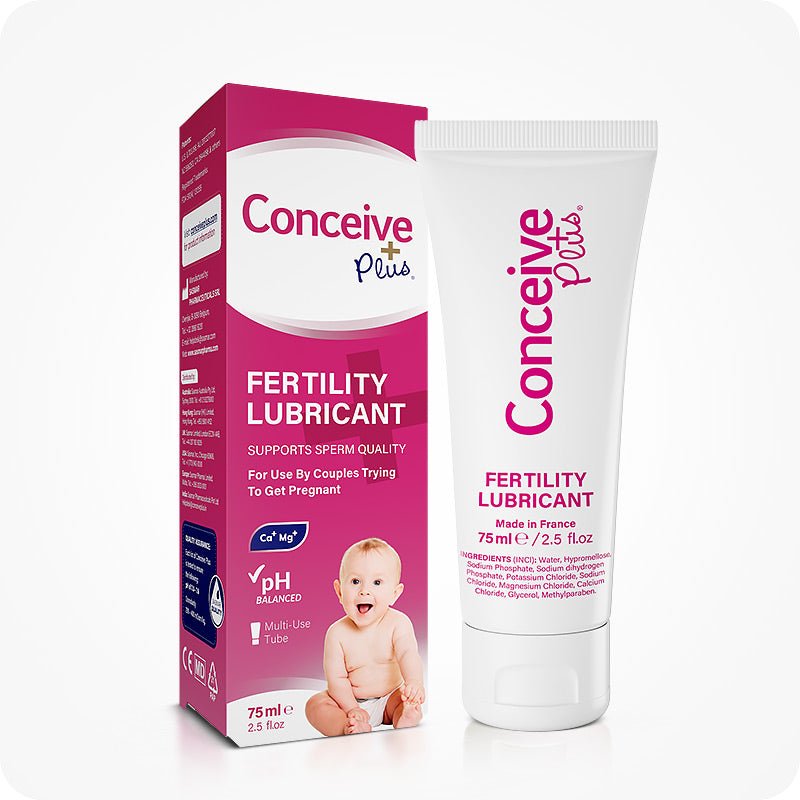
Vaginal intercourse is the most common form of sex for reproduction. For this to occur, the male penis enters into the female vagina. Physical intimacy leads to orgasm and then ejaculation. During ejaculation, sperm cells enter the female reproductive system to reach the egg and fertilize it unless one uses protection to avoid conception.

✨ Trying to Conceive?
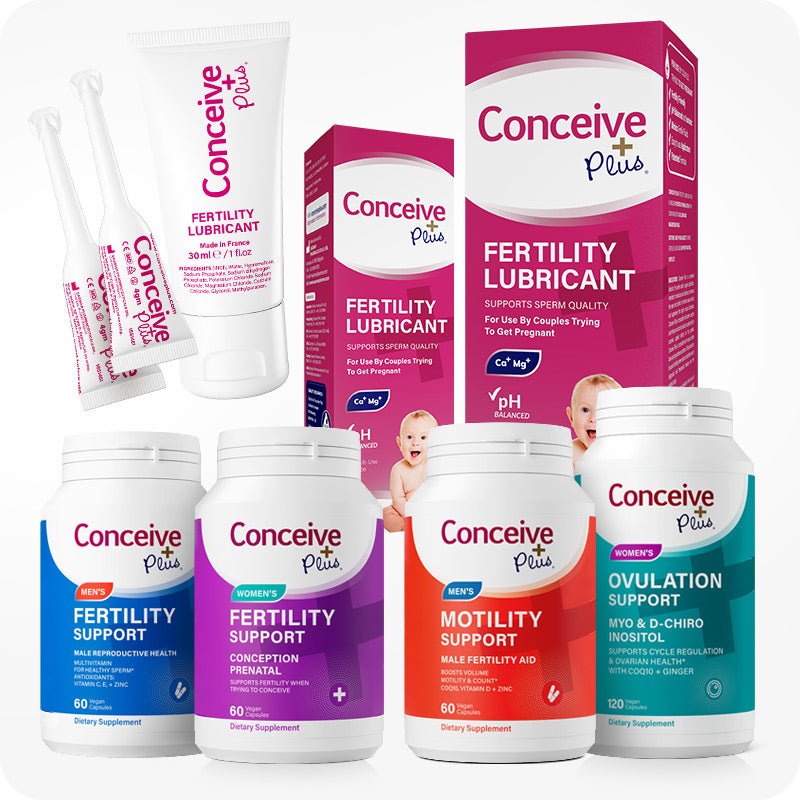
Our Ovulation & Fertility Bundle combines Myo-Inositol with essential vitamins to support healthy hormone balance and regular ovulation.
Shop Now — $55.00✓ Free shipping on orders over $40 | ✓ Trusted by millions of couples worldwide
Besides reproduction, intercourse can strengthen emotional bonds and bring physical pleasure. It is important to practice safe sex to avoid sexually transmitted diseases (STDs) or unwanted pregnancies [7].
-
Oral Sex
Oral sex involves using the mouth to stimulate a partner's genitals. This type of sex has no role in reproduction, and it only serves as a way for couples to feel closer and increase intimacy.
However, it is important to know that STDs can still be transmitted through oral sex [8]. One can reduce the risk of STDs in oral sex by using protection, such as dental dams or condoms.
-
Anal Sex
Anal sex is when the penis enters into the anus. This type of sex is less common and often misunderstood. It requires extra care, such as using lubrication, to prevent injury. There is also a higher risk of infections in anal sex, and it requires taking proper precautions.
-
Masturbation
Masturbation is the act of stimulating your own genitals for sexual pleasure. It is completely natural and has health benefits, like reducing stress and improving sleep. In the case of males, some reports show that masturbation can also lower the risk of prostate cancer [9].
There is plenty of misinformation and myths surrounding masturbation. Some people believe that masturbation can lead to erectile dysfunction over time, but there is no scientific evidence in favor of this. Similarly, some people believe that masturbation can lead to hair loss, which is also just a myth with no scientific background.
-
Non-Penetrative Sex
Non-penetrative sex includes activities like kissing, touching, or mutual masturbation. It can be a good option for people who want to avoid pregnancy or STDs since it doesn't involve the transfer of gametes. These activities can still be intimate and help partners build a strong emotional connection.

Social and Psychological Aspects of Different Types of Sex
People have different preferences when it comes to sex, and these preferences can be influenced by culture, upbringing, and personal comfort. Some types of sex, like oral or anal, may carry stigma in certain societies. However, better understanding and respect positively contributes to a healthy sexual relationship.
Two people involved in any sexual activity must have each other's consent and have comfortable communication. Partners should always feel comfortable expressing their likes, dislikes, and boundaries. Sex should never involve pressure or force, and it should be a mutual and enjoyable experience.
How Culture and Society Shape Our Views on Sex
Cultural beliefs and norms in society greatly influence how people view sex. Some cultures are more open and accepting, while others may have stricter rules or taboos.
If a person is living in a society where people are open and accepting, that person will feel more comfortable sharing problems or experiences related to sex. Similarly, if a person is in a type of society where there are taboos surrounding sex, such a person will not be able to express openly about sex.
It's important to respect individual choices and cultural differences while also promoting open communication and education about sexual health at the same time.
The Importance of Sexual Health and Education
Sexual health is an important part of overall well-being. Poor sexual health not only impacts the ability to conceive but also results in emotional stress. There are ways to improve sexual health and fertility status if someone is facing sexual health problems.
Practicing safe sex, such as using condoms or getting regular health check-ups, can prevent STDs and unintended pregnancies. Sexual education is equally important. It helps people understand their bodies, learn about healthy relationships, and make informed decisions. Misunderstandings or lack of knowledge can lead to problems like unsafe practices or emotional stress.

If someone experiences issues like difficulty with intimacy during sexual activities, they should communicate with their partner. Another way is to seek advice from a healthcare professional. Expert advice can help you improve your sexual experience while also protecting from its adverse effects like STDs.
Conclusion
Sex is a natural and essential part of life. It is a way to reproduce and create new generations. In addition to reproduction, sex is also a way to strengthen the bond with the partner. There are many example of sex, including intercourse, anal sex, oral sex, and masturbation. Each type of sex involves physical intimacy and stimulation of the genitals.
It is important for both men and women to understand different aspects of sex education so they can respect each other's choices. Consent and communication can greatly increase the overall experience of physical intimacy and strengthens the emotional bond.
FAQs
-
Is masturbation normal?
Yes, masturbation is a completely normal act. It can help relieve stress, and make one experience sexual pleasure without the risk of STDs or unwanted pregnancies. There are no health risks associated with it when done in moderation. Instead, in some cases, masturbation actually has health benefits like lowering the risk of prostate cancer.
-
Can sex vary across cultures?
Different cultures have different views and approaches towards sex. Some cultures are open about discussing sex, while others may consider it private or taboo. Cultural norms can greatly shape people's attitudes and behaviors around sex.
-
How can someone learn about sexual health?
You can learn about sexual health through trusted resources like healthcare providers, educational websites, or books. Sexual education programs also offer valuable knowledge about safe practices, consent, and maintaining healthy relationships.
Resources Used
- Liu, H., Waite, L. J., Shen, S., & Wang, D. H. (2016). Is Sex Good for Your Health? A National Study on Partnered Sexuality and Cardiovascular Risk among Older Men and Women. Journal of Health and Social Behavior, 57(3), 276–296. https://doi.org/10.1177/0022146516661597
- Gurung, P., Yetiskul, E., & Jialal, I. (2023, May 1). Physiology, Male Reproductive System. StatPearls - NCBI Bookshelf. https://www.ncbi.nlm.nih.gov/books/NBK538429/
- Understanding How Testosterone Affects Men. (2016, April 25). National Institutes of Health. https://www.nih.gov/news-events/nih-research-matters/understanding-how-testosterone-affects-men
- Rosner, J., Samardzic, T., & Sarao, M. S. (2024, March 20). Physiology, Female Reproduction. StatPearls - NCBI Bookshelf. https://www.ncbi.nlm.nih.gov/books/NBK537132/
- DeMAYO, F. J., Zhao, B., Takamoto, N., & Tsai, S. Y. (2002). Mechanisms of Action of Estrogen and Progesterone. Annals of the New York Academy of Sciences, 955(1), 48–59. https://doi.org/10.1111/j.1749-6632.2002.tb02765.x
- Assisted Reproductive Technology (ART). (2024, June 18). https://www.nichd.nih.gov/. https://www.nichd.nih.gov/health/topics/infertility/conditioninfo/treatments/art
- Garcia MR, Leslie SW, Wray AA. Sexually Transmitted Infections. [Updated 2024 Apr 20]. In: StatPearls [Internet]. Treasure Island (FL): StatPearls Publishing; 2024 Jan-. Available from: https://www.ncbi.nlm.nih.gov/books/NBK560808/
- About STI Risk and Oral Sex. (2024, February 6). Sexually Transmitted Infections (STIs). https://www.cdc.gov/sti/about/about-sti-risk-and-oral-sex.html
- Ask the Experts: Does Having More Ejaculations Lessen the Chance of Prostate Cancer? - Urology Care Foundation. (n.d.). https://www.urologyhealth.org/healthy-living/urologyhealth-extra/magazine-archives/fall-2020
🌱 Support Your Fertility Journey
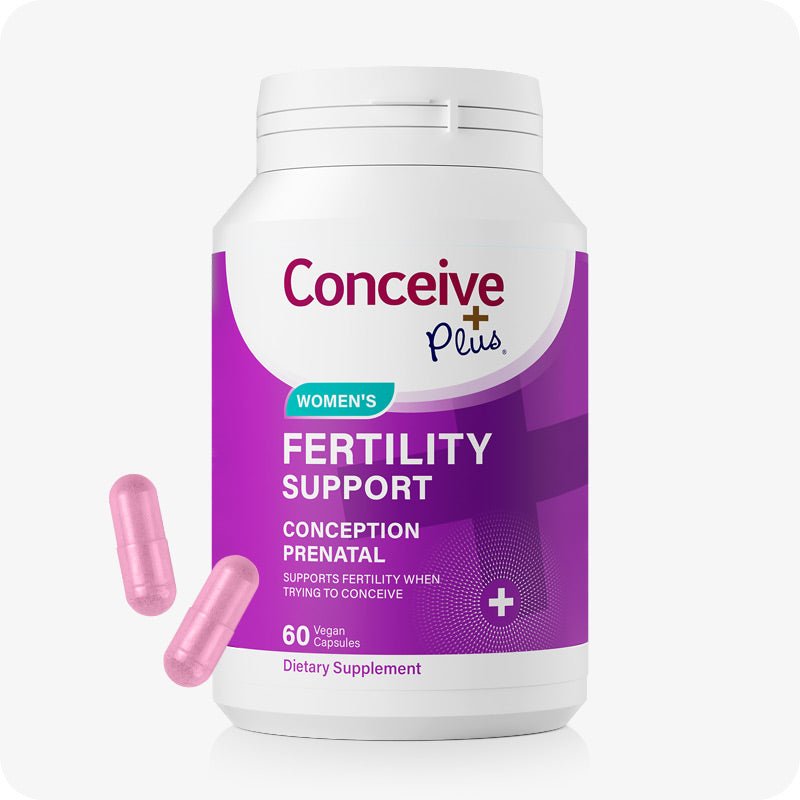
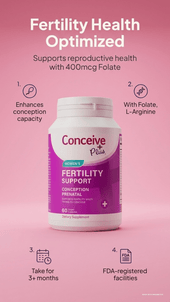
Conceive Plus fertility supplements are clinically formulated to help regulate your cycle and support egg quality.
Shop Fertility Support →Frequently Asked Questions
Recommended by Fertility Experts
Conceive Plus Men's Fertility Support
Designed to support healthy sperm production, motility, and overall male reproductive health with clinically studied nutrients.
Shop Now →Q: How often should couples have sex to get pregnant?
A: According to the American Society for Reproductive Medicine (ASRM), couples trying to conceive should have sexual intercourse every 2-3 days throughout the menstrual cycle, or at minimum during the fertile window (5 days before and the day of ovulation). Research shows that having sex every other day increases pregnancy chances by approximately 25% per cycle in couples under 35 years old. The frequency matters less than consistency and timing; even one act of intercourse during the fertile window can result in pregnancy. For couples concerned about optimizing their chances, tracking ovulation through basal body temperature, ovulation predictor kits, or fertility apps can help identify the most fertile days.
Q: Does the type of sexual position affect fertility or conception?
A: Medical research indicates that sexual position does not significantly impact fertility or conception rates, contrary to popular myths. The FDA and fertility specialists confirm that sperm can reach the egg regardless of position, as sperm are highly motile and navigate the reproductive tract effectively. However, positions that allow for deeper penetration may be slightly more comfortable for couples, and what matters most is regular intercourse during the fertile window. Couples should focus on consistency and timing rather than specific positions when trying to conceive, and prioritize communication and comfort with their partner.
Q: What role does overall health play in sexual function and fertility?
A: Overall health significantly impacts both sexual function and fertility in both men and women. According to the CDC, factors like obesity, poor diet, stress, lack of exercise, and untreated medical conditions can reduce fertility by 20-40% and impair sexual function. Maintaining a healthy weight, exercising regularly, managing stress, and consuming nutrient-rich foods supports reproductive health and sexual performance. Additionally, ensuring adequate intake of fertility-supporting nutrients—including vitamins, minerals, and antioxidants found in fertility supplements like Conceive Plus—can optimize reproductive outcomes alongside lifestyle modifications.
Q: How does stress affect sexual desire and fertility?
A: Chronic stress elevates cortisol levels, which can suppress reproductive hormones like luteinizing hormone (LH) and follicle-stimulating hormone (FSH), potentially reducing fertility by 29% according to fertility research studies. High stress levels can also diminish sexual desire and arousal in both partners, making it harder to maintain consistent intercourse during fertile windows. Stress management techniques such as meditation, exercise, counseling, and adequate sleep have been shown to improve both sexual function and conception rates. Couples should prioritize stress reduction as part of their overall fertility plan, alongside other healthy lifestyle habits and proper supplementation.
Q: What supplements or vitamins improve sexual health and fertility?
A: Multiple clinical studies support the use of specific vitamins and minerals for reproductive health, including CoQ10, Vitamin D, Vitamin E, selenium, and zinc, which support sperm motility and egg quality. The ASRM recognizes that proper micronutrient supplementation can improve fertility outcomes in both men and women trying to conceive. Conceive Plus fertility supplements are formulated with scientifically-backed ingredients designed to support reproductive health, sexual function, and conception. For personalized recommendations, couples should consult with their healthcare provider or a fertility specialist, as individual nutritional needs vary based on diet, health status, and specific fertility concerns.
Trusted by Couples in Over 70 Countries
Support Male Fertility From the Inside Out
Male fertility is just as important as female fertility in the conception journey. Conceive Plus Men's range delivers targeted nutritional support to promote healthy sperm and overall reproductive wellbeing.
Shop Men's Range →