Endometriosis and Fertility: A Complete Guide to Understanding the Connection and Your Options


Understanding Endometriosis and Its Impact on Fertility
Endometriosis affects approximately 1 in 10 women of reproductive age worldwide, making it one of the most common gynaecological conditions and a leading contributor to infertility. Despite its prevalence, diagnosis takes an average of 7 to 10 years. The condition occurs when tissue similar to the uterine lining grows outside the uterus, causing inflammation, pain, and fertility challenges.
The relationship between endometriosis and fertility is complex. Endometrial growths can distort pelvic anatomy, create adhesions that block fallopian tubes, foster an inflammatory environment that affects egg quality and implantation, and in some cases diminish ovarian reserve. However, endometriosis does not mean you cannot conceive. With the right approach, many women with endometriosis go on to have successful pregnancies.
How Endometriosis Affects Conception at Every Stage
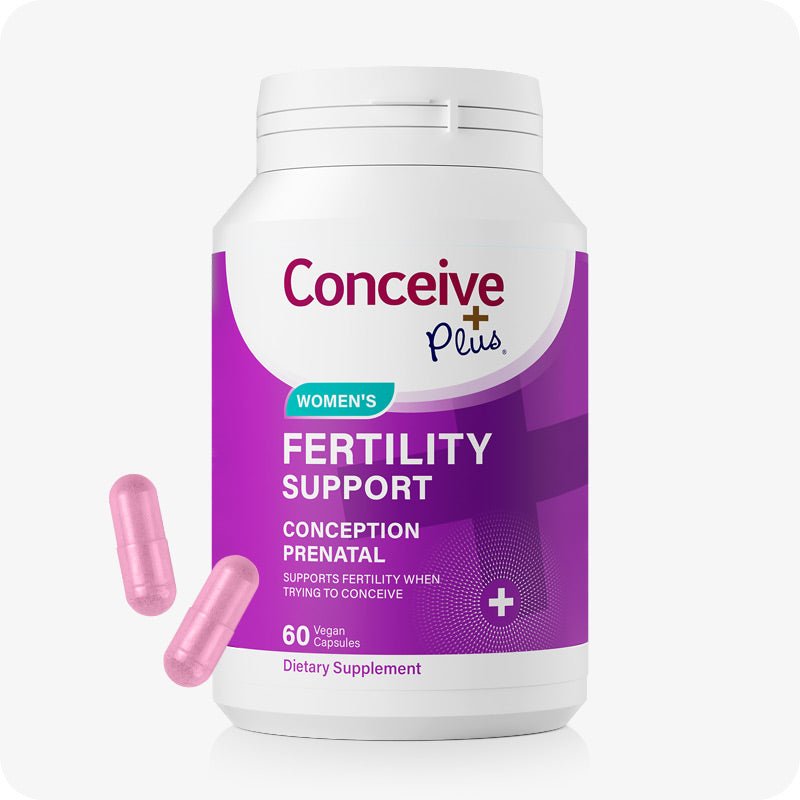
❤️ Support Your Fertility Journey
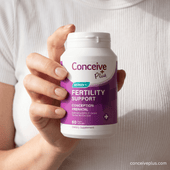
scientifically formulated with myo-inositol, methylfolate, CoQ10, vitamin D3, and zinc to support ovulation, egg quality, and hormonal balance. Learn more about Conceive Plus Women’s Fertility Support →
To understand how endometriosis impacts fertility, it helps to examine each stage of the conception process. The endometrial-like tissue growing outside the uterus responds to hormonal signals just like normal uterine tissue it builds up, breaks down, and bleeds each cycle. But unlike normal menstrual blood, this blood has nowhere to go, leading to inflammation, scar tissue, and adhesions.
Ovarian function: Endometriomas, also known as chocolate cysts, on the ovaries can damage healthy ovarian tissue and reduce egg quality and quantity. Research published in Human Reproduction Update suggests that women with advanced endometriosis may have a lower ovarian reserve as measured by AMH levels. This reduction in egg quantity and quality can make conception more challenging over time.
Fallopian tube function: Inflammation from endometriosis can cause the fallopian tubes to become blocked or scarred, preventing the egg and sperm from meeting. Even without complete blockage, the inflammatory environment can impair the tube ability to capture and transport the egg effectively.
Implantation environment: The chronic inflammation associated with endometriosis may alter the endometrial lining, making it less receptive to embryo implantation. Studies have shown that women with endometriosis may have altered expression of implantation-related genes in the endometrium, potentially reducing the chances of successful implantation.
Egg quality: The inflammatory environment can affect the quality of eggs released during ovulation, potentially reducing the chances of successful fertilisation and embryo development. This is one of the more subtle effects of endometriosis but can be significant.
According to a 2021 meta-analysis in Fertility and Sterility, women with endometriosis have a 2 to 4 times higher risk of infertility compared to women without the condition. However, the same research emphasises that with appropriate treatment and support, pregnancy rates approach those of women without endometriosis. This is an important message of hope for anyone navigating this condition.
Recognising the Symptoms and Seeking a Diagnosis
One of the greatest challenges with endometriosis is the diagnostic delay. Many women are told their symptoms are normal period pain for years before receiving an accurate diagnosis. If you are experiencing any of the following symptoms, especially while trying to conceive, it is worth discussing endometriosis with your healthcare provider: severe menstrual cramps that do not respond to over-the-counter pain relief, chronic pelvic pain outside of your period, pain during or after intercourse, painful bowel movements or urination during menstruation, heavy menstrual bleeding or bleeding between periods, fatigue, bloating, or nausea related to your cycle, and difficulty conceiving after six months to a year of trying.
The gold standard for diagnosis remains laparoscopy, a minimally invasive surgical procedure that allows a surgeon to visually identify and often remove endometrial lesions. However, ultrasound and MRI can detect endometriomas and deep infiltrating endometriosis, and newer research into biomarkers may eventually allow for non-invasive diagnosis in the future.
If you have been trying to conceive for six months if you are over 35 or twelve months if you are under 35 without success and you have symptoms suggestive of endometriosis, speak to a fertility specialist. Early diagnosis and intervention can significantly improve outcomes.
Treatment Options for Endometriosis-Related Infertility
The good news is that there are multiple treatment pathways for women with endometriosis who want to conceive. Your treatment plan will depend on the severity of your condition, your age, your ovarian reserve, and how long you have been trying to conceive.
Laparoscopic surgery: Surgical removal of endometriosis lesions, known as excision, can significantly improve fertility outcomes. A landmark study in the New England Journal of Medicine found that laparoscopic surgery for minimal to mild endometriosis improved monthly fecundity rates. For women with moderate to severe disease, surgery can restore normal pelvic anatomy and improve pregnancy rates by removing the physical barriers to conception.
Ovulation induction with IUI: For women with mild to moderate endometriosis, superovulation with fertility medications such as letrozole or gonadotropins combined with intrauterine insemination IUI may improve pregnancy rates. The controlled ovarian stimulation helps overcome some of the ovulatory dysfunction associated with the condition.
IVF: For women with advanced endometriosis, damaged fallopian tubes, or who have not conceived with other treatments, IVF often offers the best chance of pregnancy. While studies have shown women with endometriosis may have slightly lower IVF success rates compared to women with other causes of infertility, advances in IVF technology, including preimplantation genetic testing and frozen embryo transfers, have narrowed this gap significantly.
Fertility preservation: For younger women with endometriosis who are not yet ready to conceive, egg freezing offers an important option. Because endometriosis can progress and affect ovarian reserve over time, preserving eggs when ovarian function is optimal can protect future fertility.
Throughout any treatment, supporting your body with targeted nutrition is essential. Conceive Plus Women Fertility Support provides a comprehensive blend of scientifically researched nutrients including myo-inositol, folic acid, CoQ10, vitamin D, and zinc, all of which play important roles in supporting ovulation, egg quality, and hormonal balance for women navigating endometriosis.
Lifestyle Strategies to Support Fertility with Endometriosis
While medical treatment is often necessary, lifestyle modifications can play a powerful supporting role in managing endometriosis symptoms and improving fertility outcomes.
Anti-inflammatory diet: Research suggests that an anti-inflammatory diet rich in fruits, vegetables, whole grains, omega-3 fatty acids, and lean proteins may help reduce the inflammatory burden of endometriosis. Many women find benefit in reducing red meat, processed foods, and trans fats. A Mediterranean-style diet is often recommended for its well-documented anti-inflammatory effects.
Stress management: Chronic stress elevates cortisol levels, which can exacerbate inflammation and disrupt hormonal balance. Incorporating stress-reduction practices such as gentle yoga, meditation, acupuncture, or simply carving out time for activities you enjoy can make a meaningful difference in managing symptoms.
Exercise and sleep: Moderate regular exercise helps reduce inflammation, improve circulation, and support hormonal balance. However, intense or prolonged exercise may increase inflammation in some women, so listen to your body. Prioritising seven to nine hours of quality sleep each night supports your body natural healing and repair processes.
Navigating Fertility Treatment with Endometriosis
If you have been diagnosed with endometriosis and are ready to start a family, the journey can feel overwhelming, but knowledge is power. Your fertility assessment will include a review of your medical history, ultrasound to assess ovarian reserve and check for endometriomas, and blood tests including AMH. Based on your individual circumstances, your specialist will recommend a treatment plan tailored to your needs.
Some research suggests that for women with endometriosis, frozen embryo transfer FET may result in higher pregnancy rates compared to fresh transfer, possibly because the controlled hormonal environment of a frozen cycle avoids the inflammatory effects of ovarian stimulation. Remember that every woman journey is unique and many women with endometriosis go on to have healthy pregnancies and families.
Frequently Asked Questions
- Can I get pregnant naturally with endometriosis? Yes, many women with mild to moderate disease conceive naturally. The likelihood depends on the location and severity of lesions, your age, and ovarian reserve.
- Does endometriosis worsen with age? It tends to progress over time, which is why early diagnosis and treatment are important. Symptoms may improve after menopause due to declining oestrogen levels.
- Will surgery improve my chances? Yes, laparoscopic excision of endometriosis lesions improves spontaneous pregnancy rates, particularly for mild disease.
- Is IVF less successful with endometriosis? Some studies show slightly lower rates, but modern IVF techniques have significantly improved outcomes for women with endometriosis.
- Can endometriosis cause miscarriage? Research suggests a slightly increased risk due to inflammation affecting implantation and early pregnancy development.
- Should I consider egg freezing? Yes, if not yet ready to conceive, as endometriosis can affect ovarian reserve over time.
- What supplements help? Myo-inositol, folic acid, CoQ10, vitamin D, and zinc have shown benefits for fertility in women with endometriosis.
- Does diet affect symptoms? Yes, an anti-inflammatory diet can help reduce symptoms and improve quality of life significantly.
- Can I take fertility medications? Yes, letrozole or gonadotropins are commonly used for ovulation induction in these cases.
- When should I see a specialist? After 6 months of trying if under 35, or 3 to 6 months if over 35 with known endometriosis.
❤️ Support Your Fertility Journey
scientifically formulated with myo-inositol, methylfolate, CoQ10, vitamin D3, and zinc to support ovulation, egg quality, and hormonal balance. Learn more about Conceive Plus Women’s Fertility Support →