What You Should Know About Egg Count Test, Egg Quality Test, and Reserve Testing


Fertility is a topic close to the heart for many individuals and couples. It can be an exciting and sometimes overwhelming journey, especially when trying to conceive. Understanding how your body works and knowing what might affect your chances of getting pregnant is crucial. For women, the condition of their eggs plays a massive role in fertility. Tests like the egg count test, egg quality test, and ovarian reserve testing are all designed to provide a clearer picture of what’s happening inside the ovaries.
Let’s face it, fertility is not just about wanting a baby—it’s about timing, biology, and sometimes even luck. Having access to these tests can give a sense of clarity and direction, especially for women who are planning or struggling to conceive. These tests don’t have all the answers, but they sure do help in piecing the puzzle together.

The Egg Count Test
The egg count test is pretty much what it sounds like—it checks how many eggs you’ve got left in your ovaries. But don’t worry, no one’s counting them one by one! It’s actually done through a blood test that measures something called Anti-Müllerian Hormone (AMH). This hormone is produced by the follicles in your ovaries (those are the little sacs that hold your eggs). Higher AMH levels usually mean you have more eggs left, while lower levels might indicate your supply is running low [1].
This test is particularly helpful for women who are trying to conceive later in life, have irregular periods, or are just curious about their fertility health. If you’re considering freezing your eggs, knowing your egg count can help you figure out the best time to do it.
But let’s be real, the egg count test isn’t a crystal ball. It won’t tell you when—or even if—you’ll get pregnant. It’s more like a snapshot of what you’re working with at this moment in time.
What’s Ovarian Reserve Testing All About?
Ovarian reserve is just a fancy way of saying “how many eggs do you have left?” The ovarian reserve testing goes a bit deeper than the basic egg count test. It doesn’t just tell you the number; it gives you an idea of how your ovaries are functioning overall.
AMH is still a big player in this test, but there’s more to it. Another hormone called Follicle-Stimulating Hormone (FSH) gets measured too. This hormone is produced by your pituitary gland and works to stimulate your ovaries to get those eggs ready for ovulation. If your FSH levels are high, it might mean your ovaries aren’t responding as well as they should [2].
Then there’s Estradiol, a form of estrogen. It’s measured alongside FSH to give doctors an even clearer picture. And let’s not forget the antral follicle count (AFC), which is done through a transvaginal ultrasound. During this test, a doctor counts the small follicles in your ovaries that have the potential to develop into mature eggs [3].
All of these tests together form the ovarian reserve testing. It’s like getting a full report card on your egg supply, with grades for quantity and overall performance.
The Egg Reserve Test
The egg reserve test is a crucial tool for understanding where you stand in terms of fertility. This test specifically focuses on figuring out how many eggs you’ve got left. It doesn’t take long to lose eggs—by the time puberty hits, you’re already down to about 300,000 to 400,000 from the millions you were born with. And from there, the numbers only go downhill.
By the time you’re in your mid-30s, your egg supply starts to drop off at a faster rate. That’s why the egg reserve test can be so helpful. It combines AMH levels and the antral follicle count to give a solid estimate of how much time you might have left to conceive naturally [4].
For women considering freezing their eggs or undergoing fertility treatments like IVF, this test is a game-changer. It helps doctors decide the best approach and timing for treatments.
What About the Egg Quality Test?
Quantity isn’t everything. The egg quality test is all about the health of your eggs. Even if you’ve got plenty of eggs left, they need to be healthy to result in a successful pregnancy.
Now, here’s the tricky part: there’s no direct way to test egg quality. It’s not like doctors can take a quick look and say, “Yep, this one’s good!” Instead, they rely on indirect markers like your age, hormone levels, and how well your eggs respond to stimulation during fertility treatments.
As you age, the percentage of eggs that are genetically normal starts to decline. Women under 35 typically have a higher proportion of high-quality eggs, while those over 40 face a steeper drop. The egg quality test helps estimate the likelihood of your eggs being viable for fertilization and pregnancy [5].


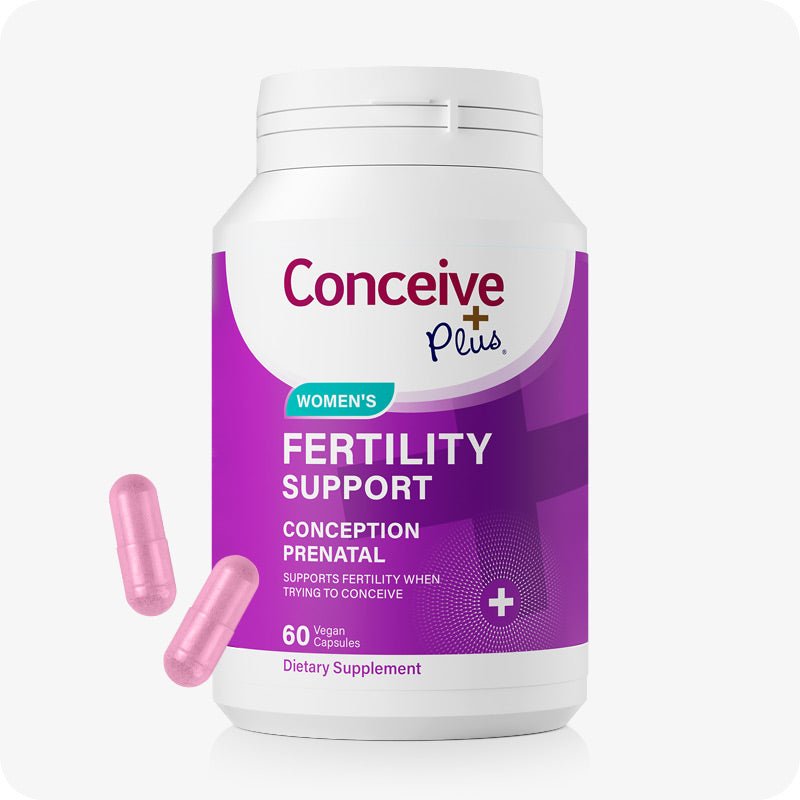
✨ Trying to Conceive?
Our Ovulation & Fertility Bundle combines Myo-Inositol with essential vitamins to support healthy hormone balance and regular ovulation.
Shop Now — $55.00✓ Free shipping on orders over $40 | ✓ Trusted by millions of couples worldwide
Why Do These Tests Matter?
Fertility isn’t something most people think about until they’re trying to conceive—and then suddenly, it becomes the only thing they can think about. Tests like the egg count test, egg quality test, and ovarian reserve testing are valuable tools for taking control of your fertility journey.
For some women, these tests confirm that everything is on track. For others, they highlight potential challenges. Either way, having the information means you can make informed decisions about what to do next.
If your egg reserve is high and your quality looks good, you might have the luxury of waiting a bit longer to try for a baby. But if the results suggest time isn’t on your side, you’ll know to act sooner or explore options like IVF or egg freezing [6].
Age and Fertility: The Hard Truth
There’s no sugarcoating it—age is the single biggest factor affecting fertility. Women in their 20s and early 30s generally have the best chances of getting pregnant. But once you hit your mid-30s, things start to change.
Egg count and quality both take a nosedive as you age. By the time you’re in your 40s, getting pregnant naturally becomes much harder, and the risk of miscarriage increases. That’s why tests like the egg count test and egg quality test are so important for women over 35.
Still, age isn’t the only factor. Lifestyle choices, medical history, and overall health also play a role [7].
Can You Improve Egg Quality?
Here’s the good news: while you can’t increase the number of eggs you have, you can take steps to improve their quality. Antioxidants like CoQ10 can help protect your eggs from damage. Vitamins like folic acid and vitamin E are also known to support reproductive health.
A balanced diet, regular exercise, and avoiding harmful habits like smoking and excessive alcohol consumption can make a big difference too. Managing stress is another crucial piece of the puzzle. Chronic stress can mess with your hormones and throw your cycle out of whack [8].
If you notice unusual signs during ovulation, such as changes in cervical mucus or more intense cramping, you might be experiencing the symptoms of releasing two eggs, which can affect your fertility.
How Fertility Testing Helps Treatments
If you’re considering assisted reproductive technologies like IVF, these tests are essential. The egg count test, egg quality test, and ovarian reserve testing help doctors create customized treatment plans.
For women with a high ovarian reserve, standard stimulation protocols might work well. But for those with fewer eggs or lower quality, alternative approaches like higher-dose medications or donor eggs might be recommended [9].
Knowing your test results helps you and your doctor decide on the best course of action.

The Bottom Line
Fertility is a journey, and no two paths are the same. Tests like the egg count test, egg quality test, and ovarian reserve testing can provide valuable insights into your reproductive health, helping you make informed decisions about your future.
Whether you’re just starting to think about having kids or you’ve been trying for a while, these tests can be a powerful tool in understanding your options. They won’t give you all the answers, but they’ll definitely point you in the right direction.
And remember, no matter what the results say, you’ve got options. Fertility specialists are there to help, and modern treatments can make parenthood possible for many people who once thought it was out of reach. So don’t lose hope—your journey is just beginning.
FAQs
What is an egg count test?
An egg count test measures how many eggs you have left by looking at your AMH levels. It gives an estimate of your ovarian reserve but doesn’t predict when or if you’ll get pregnant.
How does ovarian reserve testing work?
Ovarian reserve testing includes measuring AMH, FSH, and estradiol levels, along with an antral follicle count through ultrasound. It provides a detailed look at your egg supply.
What’s the difference between egg reserve and egg quality?
Egg reserve refers to the number of eggs you have, while egg quality is about how healthy those eggs are. Both are important for fertility.
When should I consider these tests?
If you’re over 35, have irregular cycles, or have been trying to conceive for six months without success, it’s a good idea to consider these tests.
Can lifestyle changes really improve fertility?
Yes, eating well, exercising, and managing stress can help improve egg quality and overall reproductive health.
Citations
- La Marca, A., & Sunkara, S. K. (2014). Individualization of controlled ovarian stimulation in IVF using ovarian reserve markers: from theory to practice. Human reproduction update. Available at: https://pubmed.ncbi.nlm.nih.gov/24077980/
- Practice Committee of the American Society for Reproductive Medicine (2015). Testing and interpreting measures of ovarian reserve: a committee opinion. Fertility and sterility. Available at: https://pubmed.ncbi.nlm.nih.gov/25585505/
- Dewailly, D., Andersen, C. Y., Balen, A., Broekmans, F., Dilaver, N., Fanchin, R., Griesinger, G., Kelsey, T. W., La Marca, A., Lambalk, C., Mason, H., Nelson, S. M., Visser, J. A., Wallace, W. H., & Anderson, R. A. (2014). The physiology and clinical utility of anti-Mullerian hormone in women. Human reproduction update. Available at: https://pubmed.ncbi.nlm.nih.gov/24430863/
- Wallace, W. H., & Kelsey, T. W. (2010). Human ovarian reserve from conception to the menopause. PloS one. Available at: https://pubmed.ncbi.nlm.nih.gov/20111701/
- Dai, X., Wang, Y., Yang, H., Gao, T., Yu, C., Cao, F., Xia, X., Wu, J., Zhou, X., & Chen, L. (2020). AMH has no role in predicting oocyte quality in women with advanced age undergoing IVF/ICSI cycles. Scientific reports. Available at: https://pubmed.ncbi.nlm.nih.gov/33184364/
- Broekmans, F. J., Soules, M. R., & Fauser, B. C. (2009). Ovarian aging: mechanisms and clinical consequences. Endocrine reviews. Available at: https://pubmed.ncbi.nlm.nih.gov/19589949/
- van der Steeg, J. W., Steures, P., Eijkemans, M. J., Habbema, J. D., Hompes, P. G., Broekmans, F. J., Bouckaert, P. X., Bossuyt, P. M., van der Veen, F., & Mol, B. W. (2007). Predictive value and clinical impact of Basal follicle-stimulating hormone in subfertile, ovulatory women. The Journal of clinical endocrinology and metabolism. Available at: https://pubmed.ncbi.nlm.nih.gov/17405849/
- Chiu, Y. H., Chavarro, J. E., & Souter, I. (2018). Diet and female fertility: doctor, what should I eat?. Fertility and sterility. Available at: https://pubmed.ncbi.nlm.nih.gov/30196938/
- La Marca, A., & Sunkara, S. K. (2014). Individualization of controlled ovarian stimulation in IVF using ovarian reserve markers: from theory to practice. Human reproduction update. Available at: https://pubmed.ncbi.nlm.nih.gov/24077980/
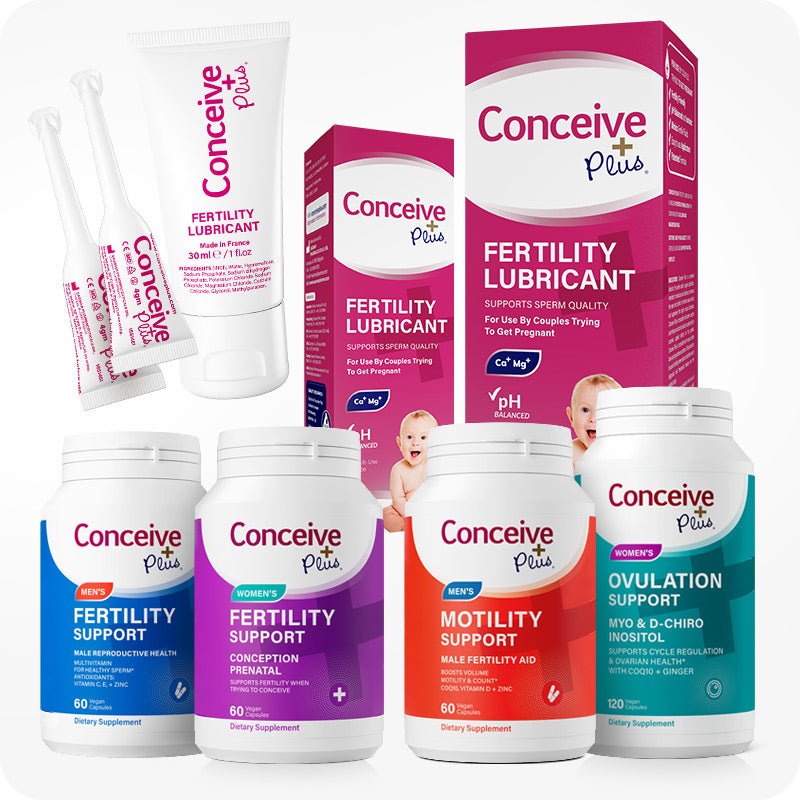
🌱 Support Your Fertility Journey
Conceive Plus fertility supplements are clinically formulated to help regulate your cycle and support egg quality.
Shop Fertility Support →Frequently Asked Questions
Recommended by Fertility Experts
Conceive Plus Men's Fertility Support
Designed to support healthy sperm production, motility, and overall male reproductive health with clinically studied nutrients.
Shop Now →Q: Can you check how many eggs you have left?
A: Yes, healthcare providers can estimate your remaining egg supply through ovarian reserve testing, with the most common method being the Antral Follicle Count (AFC) ultrasound, which counts small follicles visible on the ovaries. Blood tests measuring Anti-Müllerian Hormone (AMH) levels are also widely used, as AMH directly correlates with the number of eggs remaining in your ovaries. These tests cannot provide an exact count of all eggs, but they give your fertility specialist valuable insight into your reproductive timeline. According to the American Society for Reproductive Medicine (ASRM), ovarian reserve testing is particularly recommended for women over 35 or those with concerns about fertility. While these tests are informative, they're best interpreted alongside your complete medical history and other fertility factors.
Q: Can you test egg quality?
A: Unfortunately, there is no direct test to assess egg quality before fertilization occurs—egg quality can only be definitively evaluated after fertilization during in vitro fertilization (IVF) procedures. During IVF, embryologists can observe fertilization rates and embryo development to infer egg quality, with higher fertilization and normal development rates suggesting good egg quality. Age is the strongest predictor of egg quality, with women in their 20s and early 30s having significantly higher rates of chromosomally normal eggs compared to women over 40. While comprehensive blood work and lifestyle assessments cannot measure egg quality directly, optimizing nutrition, managing stress, and maintaining healthy habits may support overall reproductive health—areas where supplementation with products like Conceive Plus can play a supportive role. Your fertility specialist can discuss your individual risk factors and recommend appropriate testing based on your circumstances.
Q: Can you test how many eggs you have left before trying to conceive?
A: Yes, you can have your ovarian reserve tested before attempting to conceive through AMH blood tests and transvaginal ultrasound to measure your Antral Follicle Count (AFC). These preventative tests are increasingly popular among women who want to understand their fertility timeline and plan accordingly, particularly those delaying childbearing or concerned about family history of early menopause. The American College of Obstetricians and Gynecologists (ACOG) acknowledges that ovarian reserve testing can help inform reproductive planning decisions for some women. Testing your egg reserve early allows you to make informed decisions about family planning, discuss fertility preservation options if desired, and understand whether lifestyle modifications or fertility support might be beneficial. Many women find that knowing their ovarian reserve status—whether it's normal, diminished, or low—helps them feel more empowered and prepared as they begin their conception journey.
Q: What is a normal egg count for my age?
A: A "normal" egg count varies significantly by age, with women typically having approximately 1-2 million eggs at birth, declining to around 400,000 by puberty, and continuing to decrease throughout reproductive years. At age 30, the average woman has roughly 100,000 eggs remaining; by age 40, this number drops to approximately 40,000 eggs; and by age 45, only about 10,000 eggs remain. For ovarian reserve testing specifically, an AMH level above 1.0 ng/mL is generally considered normal, though fertility specialists interpret results within the context of your individual circumstances and age. The Antral Follicle Count (AFC) typically ranges from 10-20 follicles as a normal reserve in women of reproductive age, though this varies. Rather than focusing solely on numbers, work with your fertility specialist to understand what your results mean for your specific situation and discuss personalized strategies for optimizing your chances of conception.
Q: How much does egg reserve testing cost in the US?
A: Ovarian reserve testing costs in the US typically range from $200-$500 for the complete battery of tests, with AMH blood work generally costing $150-$300 and transvaginal ultrasound ranging from $200-$400, depending on your location and healthcare provider. Many insurance plans cover ovarian reserve testing when ordered by a fertility specialist, particularly if you have a diagnosis of infertility or are over age 35, though coverage varies significantly by plan and state. Out-of-pocket costs may be lower if you seek testing through fertility clinics that offer package pricing compared to traditional OB/GYN offices. If cost is a concern, discuss payment plans or financing options with your healthcare provider, as many fertility centers offer flexible arrangements. Beyond medical testing, supporting your overall reproductive health through proper nutrition, stress management, and evidence-based supplements like Conceive Plus can be an affordable way to optimize your fertility journey alongside professional medical evaluation.
Trusted by Couples in Over 70 Countries
Support Male Fertility From the Inside Out
Male fertility is just as important as female fertility in the conception journey. Conceive Plus Men's range delivers targeted nutritional support to promote healthy sperm and overall reproductive wellbeing.
Shop Men's Range →