Studies show that EDCs disrupt normal sex-hormone function in humans.


A new study has found high levels of chemicals known as endocrine-disrupting chemicals (EDCs) in water samples obtained at sites in the state of Colorado where hydraulic fracturing (fracking) is used to extract oil and gas.
Previous studies have shown that EDCs disrupt normal sex-hormone function in humans. They have been linked to cancer, infertility and disruption of normal reproductive function in men and women, birth defects, impaired immune and neural function, and several other health problems in humans. Researchers have found that fetuses, infants and young children exposed to EDCs have a higher risk of illnesses related to endocrine malfunction.

✨ Trying to Conceive?
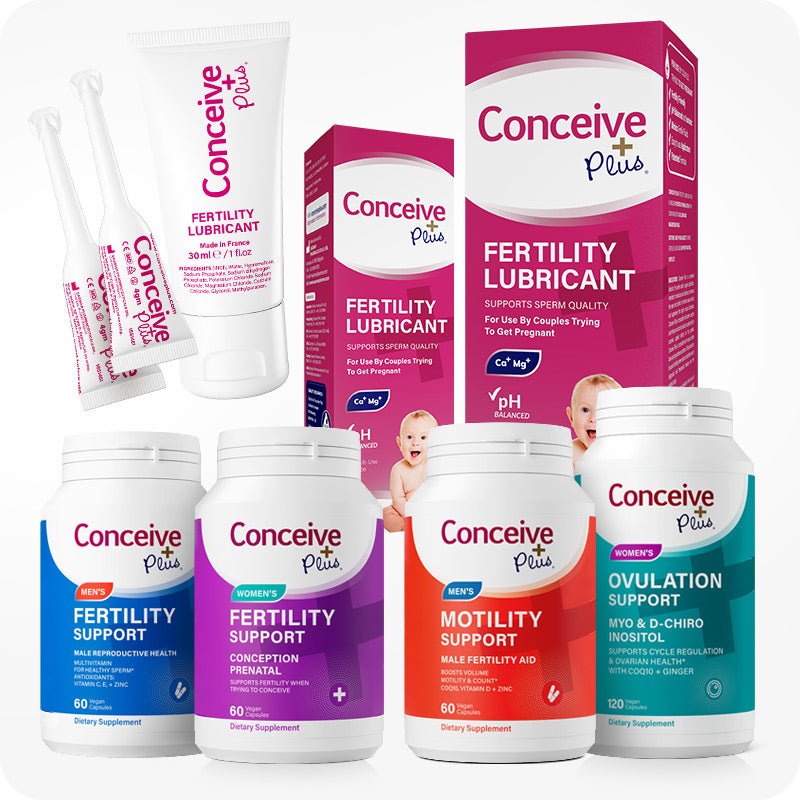
Our Ovulation & Fertility Bundle combines Myo-Inositol with essential vitamins to support healthy hormone balance and regular ovulation.
Shop Now — $55.00✓ Free shipping on orders over $40 | ✓ Trusted by millions of couples worldwide
According to the study published recently by the journal Endocrinology, high levels of EDCs were found in surface and groundwater samples collected in Colorado's Garfield County, a major oil and gas development area with over 10,000 wells where fracking is practiced.
The researchers collected water samples at five fracking sites in Garfield County where spills were known to have occurred in the last six years. They tested the samples for different types of EDCs and found that, "Of the 39 unique water samples, 89 percent, 41 percent, 12 percent, and 46 percent exhibited estrogenic, anti-estrogenic, androgenic, and anti-androgenic activities, respectively.”
The study found that water samples collected from the Colorado River also had significantly high levels of EDCs.
The Colorado River, being the major drainage basin in the region, receives fracking wastewater spills occurring at natural gas wells in the region. Significantly, the researchers found that water collected from sites with low or no fracking activity in Garfield County and Missouri had much lower levels of EDCs. The Los Angeles Times reports that Susan Nagel, an endocrinologist at the University of Missouri School of Medicine and lead author of the study, said, "With fracking on the rise, populations may face greater health risks from increased endocrine-disrupting chemical exposure."
This is not the first time that researchers have raised concern about chemicals used in fracking known or suspected to be EDCs. According to the Los Angeles Times, researchers have identified about 100 such chemicals used in fracking.
🌱 Support Your Fertility Journey
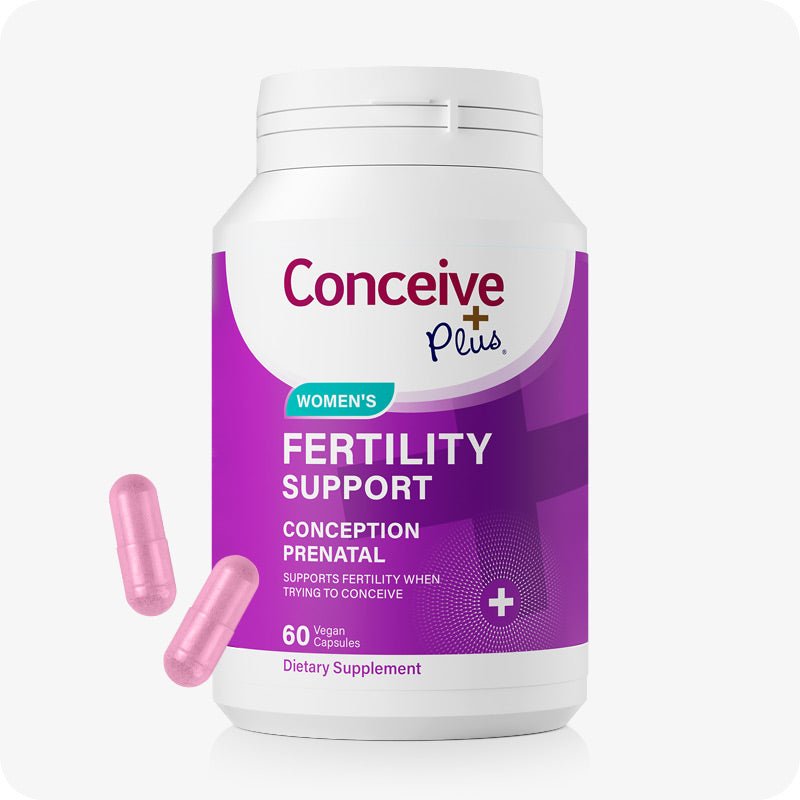
Conceive Plus fertility supplements are clinically formulated to help regulate your cycle and support egg quality.
Shop Fertility Support →Frequently Asked Questions
Recommended by Fertility Experts
Conceive Plus Men's Fertility Support
Designed to support healthy sperm production, motility, and overall male reproductive health with clinically studied nutrients.
Shop Now →What are endocrine-disrupting chemicals (EDCs) and how do they affect fertility?
Endocrine-disrupting chemicals (EDCs) are substances that interfere with the body's hormone systems, potentially causing infertility, irregular ovulation, and reduced sperm quality in both men and women. These chemicals can mimic, block, or alter natural hormones, disrupting the delicate balance needed for conception and healthy reproductive function. The FDA and environmental health organizations have identified hundreds of EDCs in common consumer products and environmental sources.
Is my drinking water at risk of EDC contamination from fracking?
According to recent research published in Endocrinology, water contamination from hydraulic fracturing activities has been documented in Colorado and potentially other oil and gas producing regions. The study found significantly elevated EDC levels in surface and groundwater near fracking sites, as well as in major drainage basins like the Colorado River. If you live in an area with active oil and gas development, consider having your water tested or consulting your local health department about water safety.
Can EDCs cause birth defects and affect my baby's health?
Yes, research indicates that fetal and early childhood exposure to EDCs is associated with increased risk of birth defects and long-term endocrine-related health problems. These chemicals can cross the placenta during pregnancy and affect fetal development, potentially impacting immune function, neurological development, and future reproductive health. Pregnant women and those planning to conceive should be especially cautious about EDC exposure and discuss risk factors with their healthcare provider or fertility specialist.
What can I do to reduce my family's exposure to EDCs?
You can reduce EDC exposure by using a water filtration system, choosing organic foods when possible, avoiding plastics marked with BPA or phthalates, and selecting natural personal care products. Additionally, if you live near fracking operations, request water quality testing through your local health department and stay informed about spill reports in your area. Working with an ASRM-certified fertility specialist can help you develop a comprehensive wellness plan if you're concerned about EDC exposure affecting your fertility.
Conceive Plus Women's Fertility — trusted by thousands of couples
>Should I be tested for EDC exposure if I'm having trouble conceiving?
While standard fertility testing doesn't typically measure EDC levels, discussing environmental exposures with your fertility clinic or reproductive endocrinologist is important for identifying potential risk factors. Some functional medicine practitioners and environmental health specialists offer biomonitoring tests, though these aren't routinely covered by insurance. If you suspect EDC exposure is affecting your fertility, your doctor can help assess your individual risk and recommend appropriate testing or preventive measures.
Are there supplements or treatments that can help protect hormone health from EDCs?
Supporting overall hormone health through balanced nutrition, regular exercise, and targeted supplementation with nutrients like myo-inositol and vitamins D and E may help optimize reproductive function. However, no supplement can completely counteract EDC exposure, so prevention and minimizing exposure remain the most important strategies. If you're trying to conceive, discuss any supplements with your fertility specialist to ensure they complement your treatment plan and won't interfere with medications.
Is the EPA regulating EDCs and fracking-related water contamination?
The EPA has regulatory oversight of certain EDCs under the Safe Drinking Water Act and Clean Water Act, but comprehensive regulation of all EDCs remains limited. While the EPA does monitor drinking water quality, some EDCs and their byproducts may not be regulated, and enforcement varies by state. If you have concerns about water safety in your area, contact your state's environmental protection agency or local water utility, and consider consulting with a healthcare provider about your specific risk factors.
Trusted by Couples in Over 70 Countries
Support Male Fertility From the Inside Out
Male fertility is just as important as female fertility in the conception journey. Conceive Plus Men's range delivers targeted nutritional support to promote healthy sperm and overall reproductive wellbeing.
Shop Men's Range →