What to Eat When Trying to Conceive


If you’re trying to conceive, you’ve probably read a lot about what you can and can’t eat once you’re pregnant. But what about before you’re pregnant? Eating the right foods (and avoiding the wrong ones) can help to boost your fertility and keep your body healthy so that it’s ready for a baby.
General Guidelines
The first guideline is to work on your general health. Being extremely overweight or underweight can make your periods irregular and therefore make it harder to conceive. If you struggle with your weight, it’s a good idea to talk with your doctor about a diet and exercise plan to reach and maintain a healthy weight. Other good pre-conception foods are the foods that are healthy for everyone. As much as possible, cut out junk food and processed foods such as candy, chips, and fast food. Instead, focus on lots of fruits and veggies, complex carbohydrates, and lean proteins. These will not only make sure your body has all the nutrients it needs; they prevent excess insulin from disrupting your body’s hormone balance, which is essential for reproduction. You should also make sure you’re getting all the vitamins you need, which is usually easy to do by taking a prenatal vitamin.
Calcium

✨ Trying to Conceive?
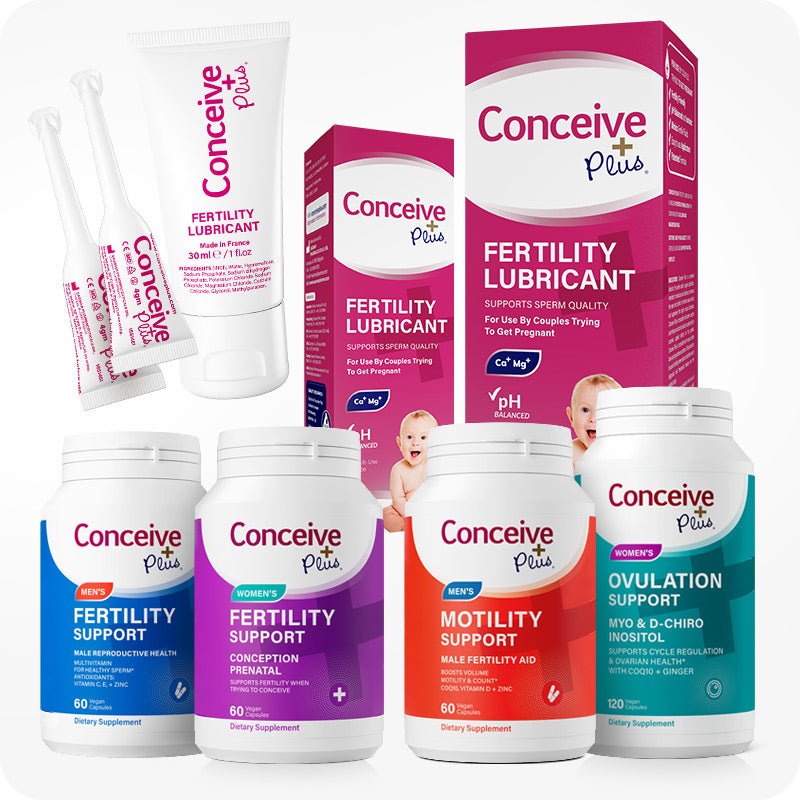
Our Ovulation & Fertility Bundle combines Myo-Inositol with essential vitamins to support healthy hormone balance and regular ovulation.
Shop Now — $55.00✓ Free shipping on orders over $40 | ✓ Trusted by millions of couples worldwide
Calcium is an essential nutrient for keeping your reproductive system healthy and for strengthening both your bones and the bones of your baby when you do conceive. You should aim to eat about two servings of dairy, such as milk, cheese, and yoghurt, a day. When you need a treat, reach for an ice cream cone! These should be whole milk, rather than skim or 2%, products. Full fat milk can help to protect you from ovulatory infertility, while skim milk may actually hinder ovulation. If you’re lactose intolerant or vegan, you can find calcium in many soy and tofu products.
Iron
Iron is very important to a regular menstrual cycle, which will help you to conceive. You can get enough iron by eating beef and other red meats, oatmeal, and leafy greens such as spinach, kale, and collard greens. Leafy greens will also provide you with folic acid, which is essential for preventing birth defects.
Protein
Protein is important for a healthy body (and therefore a baby-friendly body!), but not all proteins are created equal. Some studies have found that plant-based proteins are better for fertility than animal proteins. So load up on the beans, lentils, and quinoa. When you do opt for meat, choose lean options such as chicken, eggs, and lean cuts of beef and pork.
And what about fish? Oily fish such as salmon and tuna provide powerful omega-3 fatty acids, which are great for a soon-to-be mom and growing baby. They also facilitate the flow of blood to the uterus. Just make sure that you avoid high-mercury fish such as swordfish, mackerel, and shark. Mercury can remain in your body for over a year, so it’s important to reduce your exposure to it as soon as you’re trying to conceive. If you’re not a fish fan, you can always opt for a fish oil supplement instead.
Check out Conceive Plus!
Since 2005, our mission to provide products that truly benefit the lives of consumers has remained solid. Conceive Plus® products are available in pharmacies, drug stores, fertility clinics and even supermarkets in over 70 countries around the world helping millions of couples to get pregnant.
🌱 Support Your Fertility Journey
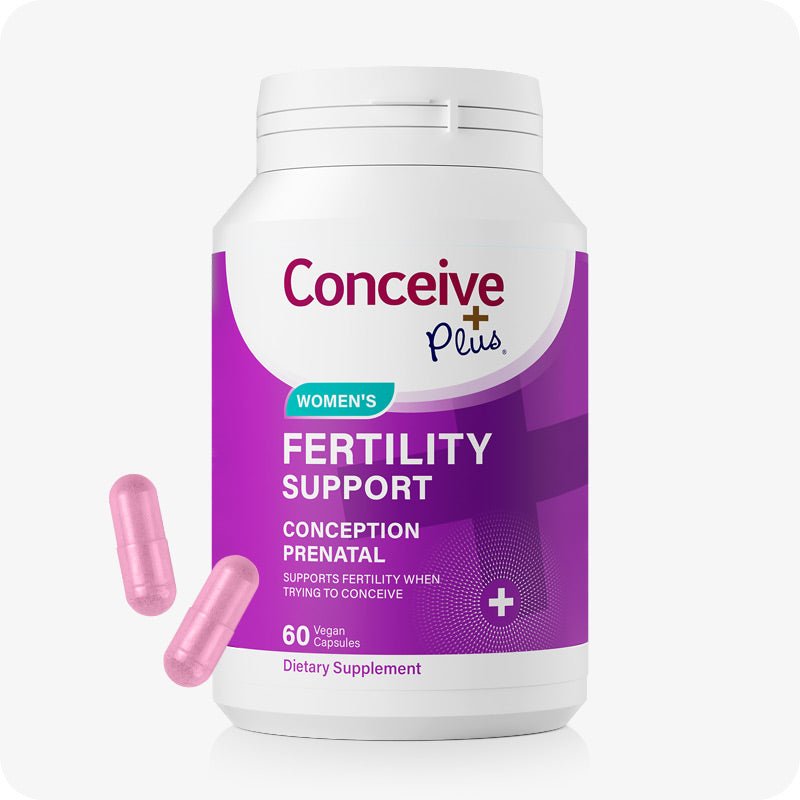
Conceive Plus fertility supplements are clinically formulated to help regulate your cycle and support egg quality.
Shop Fertility Support →Frequently Asked Questions
Recommended by Fertility Experts
Conceive Plus Men's Fertility Support
Designed to support healthy sperm production, motility, and overall male reproductive health with clinically studied nutrients.
Shop Now →How much weight do I need to lose to improve my fertility?
While there's no one-size-fits-all answer, research shows that losing just 5-10% of your body weight can help regulate menstrual cycles and improve ovulation if you're overweight. The American Society for Reproductive Medicine (ASRM) recommends working with your healthcare provider to develop a personalized plan that targets a healthy BMI (typically 18.5-24.9) for your individual health profile. Rapid weight loss should be avoided, as it can actually harm fertility; aim for steady, sustainable changes instead.
Do I need to take prenatal vitamins before I'm pregnant?
Yes, the CDC and ASRM recommend that women of childbearing age take prenatal vitamins containing folic acid (400-800 mcg daily) at least one month before trying to conceive. Prenatal vitamins help prevent neural tube defects and support reproductive health, regardless of whether pregnancy is planned immediately. Look for vitamins labeled for preconception use, and check that they include folic acid, iron, and calcium.
Can drinking milk actually help me get pregnant?
Full-fat dairy products may support fertility better than low-fat alternatives, according to some fertility research, as whole milk contains compounds that may protect against ovulatory issues. However, dairy alone won't improve your chances of conception—it's part of an overall balanced diet rich in whole foods. If you're lactose intolerant, fortified soy, almond, or oat milk can provide similar nutritional benefits, though you may need to supplement with calcium.
What foods should I avoid when trying to conceive?
You should limit or avoid processed foods, excessive sugar, refined carbohydrates, and high-mercury fish (like shark and swordfish) when trying to conceive, as these can disrupt hormone balance and blood sugar regulation. The FDA recommends limiting caffeine to 200 mg per day (about one cup of coffee) while trying to conceive, as high amounts may affect fertility. Alcohol should also be minimized or eliminated, as it can interfere with ovulation and overall reprodu
Is folic acid important for men trying to conceive too?
Yes, folic acid supports male fertility by promoting healthy sperm production and DNA integrity, so both partners benefit from adequate intake. The NIH recommends that men trying to conceive also take prenatal vitamins or a multivitamin containing folic acid (400 mcg daily) along with eating folate-rich foods like leafy greens and legumes. Partners with optimal nutrition on both sides have better chances of conception and healthier outcomes.
How long should I follow a fertility-focused diet before trying to conceive?
Most fertility specialists recommend adopting healthy eating habits at least 3 months before actively trying to conceive, as this allows your body time to build nutrient stores and regulate hormones. However, there's no harm in starting these dietary changes earlier—they support overall health and wellbeing regardless of conception timing. If you have specific health concerns or irregular cycles, your OB-GYN or reproductive endocrinologist can provide personalized guidance on timeline.
Does insurance cover fertility supplements or prenatal vitamins?
Most standard health insurance plans do not cover prenatal vitamins or fertility supplements, as they're typically considered over-the-counter wellness products rather than prescription medications. However, you can use a Flexible Spending Account (FSA) or Health Savings Account (HSA) to purchase these items with pre-tax dollars if your plan offers one. If you're receiving treatment at a fertility clinic, ask whether they have preferred vendor relationships that might offer discounts on supplements.
Trusted by Couples in Over 70 Countries
Support Male Fertility From the Inside Out
Male fertility is just as important as female fertility in the conception journey. Conceive Plus Men's range delivers targeted nutritional support to promote healthy sperm and overall reproductive wellbeing.
Shop Men's Range →