How to Have an Easy Pregnancy with Proven Tips and Strategies


An easy pregnancy is what every mom-to-be hopes for. While there’s no magic formula to guarantee everything goes smoothly, recognizing the signs your body wants to get pregnant and taking practical steps can make your journey easier. From getting your body ready to handling everyday pregnancy challenges, these tips can help you navigate this special time.
Start With Your Health
Good health matters a lot when it comes to pregnancy. Before you even conceive naturally, it’s important to prepare your body. Eating a diet filled with vitamins and minerals is a great way to start. Folic acid is super important. It helps prevent neural tube defects and supports the baby’s early development. If you have conditions like PCOS, nutrients like myo-inositol and d-chiro inositol can help balance hormones and improve ovulation. Zinc and selenium? They’re great for egg quality and overall reproductive health. Starting a prenatal vitamin a few months before trying is one of the best ways to make sure your body’s ready [1].

Keep Stress in Check
Stress is something you’ll want to minimize during this time. It doesn’t just affect your mood—it can mess with hormones, too, making it harder to conceive or maintain a healthy pregnancy. Simple things like meditation or even yoga can do wonders. It helps you feel more grounded. Staying active can also make a huge difference. Regular exercise—something like walking or swimming—keeps your body strong and prepared. Plus, it boosts stamina. Just 30 minutes a day can make a real difference, trust me [2].
Eat Smart for You and Your Baby
Your diet plays a big role in how things go during pregnancy. What you eat doesn’t just nourish you—it’s feeding your baby too. Nutrients like L-arginine and CoQ10 are great for improving blood flow to reproductive organs. Ginger is a lifesaver for many women, especially during the first trimester when nausea can hit hard. Also, don’t forget about Vitamin D. It helps regulate hormones and keeps your immune system strong, which can reduce complications. Meals should be balanced. Lean protein, colorful veggies, and whole grains are all your best friends here [3].

✨ Trying to Conceive?
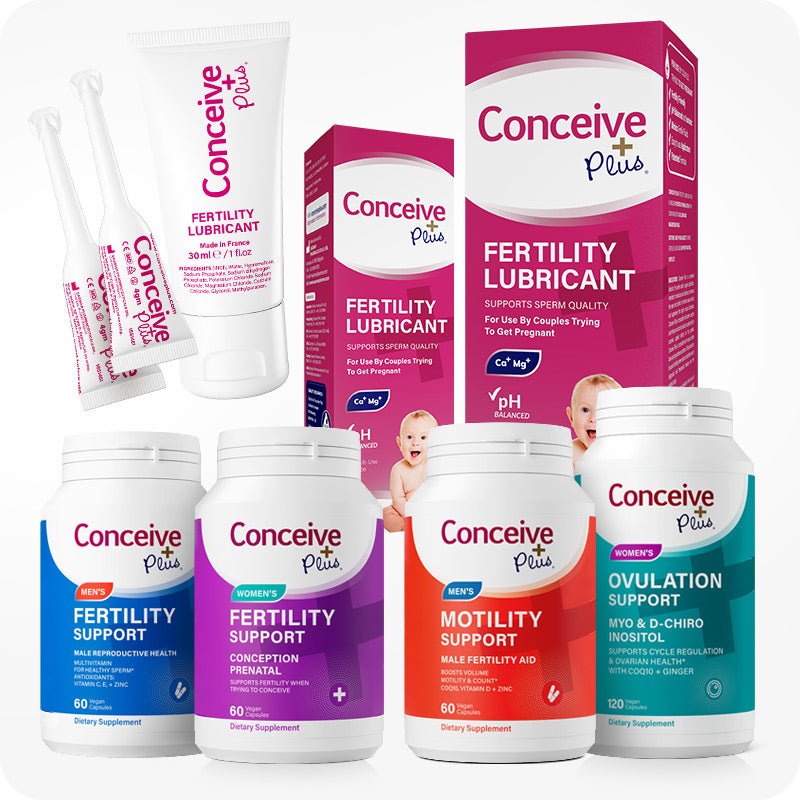
Our Ovulation & Fertility Bundle combines Myo-Inositol with essential vitamins to support healthy hormone balance and regular ovulation.
Shop Now — $55.00✓ Free shipping on orders over $40 | ✓ Trusted by millions of couples worldwide

Pregnancy Is a Team Effort
Yes, your partner plays a part in this too! Their health can affect fertility just like yours. Ingredients like L-carnitine and maca root can boost sperm quality and motility. Green tea extract is also helpful. It’s packed with antioxidants that protect sperm [4]. So, encourage your partner to stay healthy. It’s all about teamwork at the end of the day.
Be Ready for the Big Day
Labor and delivery might sound overwhelming, but preparation can make all the difference. Take childbirth classes if you can. They teach you about the stages of labor, pain management, and even postpartum care. Staying active helps too—it gives you the stamina and flexibility you’ll need. Relaxation techniques, like deep breathing or visualization, can keep you calm when the time comes. Natural pain relief options, like massages or warm baths, can also be helpful. But be flexible—birth plans can change, and that’s okay [5].
The Bottom Line
An easy pregnancy isn’t guaranteed, but it’s possible with a bit of planning and the right mindset. Taking care of yourself, eating well, managing stress, and involving your partner can make the journey smoother. Learning how to have an easy pregnancy isn’t just about the baby—it’s about making sure you feel your best too. With the right approach, you can embrace this incredible experience fully and look forward to the joy of parenthood.

FAQs
How can I ensure an easy pregnancy?
Eating right, staying active, and managing stress are key steps to make your pregnancy healthier and easier.
What foods help with fertility?
Nutrient-packed options like leafy greens, whole grains, and lean proteins can support reproductive health and improve fertility.
How can my partner improve fertility?
Staying healthy and consuming nutrients like L-carnitine, zinc, and selenium can make a big difference in sperm quality and motility.
When should I start prenatal vitamins?
It’s best to start them a few months before trying to conceive so your body has the nutrients it needs.
How to have an easy pregnancy?
Take care of yourself, eat well, stay active, and don’t forget to relax. Small changes can make a big difference.
Citations
- Marshall, N. E., Abrams, B., Barbour, L. A., Catalano, P., Christian, P., Friedman, J. E., Hay, W. W., Jr, Hernandez, T. L., Krebs, N. F., Oken, E., Purnell, J. Q., Roberts, J. M., Soltani, H., Wallace, J., & Thornburg, K. L. (2022). The importance of nutrition in pregnancy and lactation: lifelong consequences. American journal of obstetrics and gynecology. Available at: https://pmc.ncbi.nlm.nih.gov/articles/PMC9182711/
- Artal, R., & O'Toole, M. (2003). Guidelines of the American College of Obstetricians and Gynecologists for exercise during pregnancy and the postpartum period. British journal of sports medicine. Available at: https://pmc.ncbi.nlm.nih.gov/articles/PMC1724598/
- ATTITUDES OF DEBRECEN UNIVERSITY STUDENTS TOWARDS HEALTHY LIFE BASED ON THEIR DIETARY HABITS - Scientific Figure on ResearchGate. Available at: https://www.researchgate.net/figure/Healthy-dietpyramids-and-healthy-eating-plate-Harvard-School-of-Public-Health-2013_fig1_349168726
- Opuwari, C., & Monsees, T. (2020). Green tea consumption increases sperm concentration and viability in male rats and is safe for reproductive, liver and kidney health. Scientific reports. Available at: https://pubmed.ncbi.nlm.nih.gov/32943691/
- Smith, C. A., Levett, K. M., Collins, C. T., Dahlen, H. G., Ee, C. C., & Suganuma, M. (2018). Massage, reflexology and other manual methods for pain management in labour. The Cochrane database of systematic reviews. Available at: https://pubmed.ncbi.nlm.nih.gov/29589380/
🌱 Support Your Fertility Journey
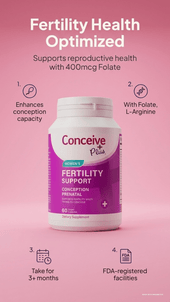
Conceive Plus fertility supplements are clinically formulated to help regulate your cycle and support egg quality.
Shop Fertility Support →Frequently Asked Questions
Recommended by Fertility Experts
Conceive Plus Men's Fertility Support
Designed to support healthy sperm production, motility, and overall male reproductive health with clinically studied nutrients.
Shop Now →Q: What vitamins should I take before getting pregnant?
A: The American College of Obstetricians and Gynecologists (ACOG) recommends that women of childbearing age take a daily prenatal vitamin containing at least 400 micrograms of folic acid to reduce the risk of neural tube defects by up to 70%. Key nutrients include folic acid, iron, calcium, vitamin D, and omega-3 fatty acids, all of which support fertility and healthy fetal development. Beyond a standard prenatal vitamin, many fertility specialists recommend supplements containing L-arginine and antioxidants to support reproductive health. Conceive Plus vitamins are formulated with these essential nutrients specifically designed to support natural conception and early pregnancy health. It's best to start supplementation at least one month before attempting to conceive.
Q: How long does it take to get pregnant after stopping birth control?
A: Most women can become pregnant immediately after stopping birth control, though timing varies depending on the type of contraception used. For oral contraceptives and barrier methods, fertility typically returns within one to three months, while hormonal IUDs may take slightly longer due to residual hormone levels. According to the American Society for Reproductive Medicine (ASRM), approximately 85% of women conceive within one year of trying if under age 35, and this rate is not significantly delayed by prior birth control use. Some women experience irregular cycles in the first few months after discontinuation, which is completely normal. Starting a fertility-supporting regimen with proper nutrition and supplements like Conceive Plus during this transition period can help optimize your body's readiness for conception.
Q: What should I eat to have a healthy pregnancy?
A: A pregnancy-supporting diet should include nutrient-dense foods rich in folate (leafy greens, legumes), iron (lean meats, fortified cereals), calcium (dairy or fortified alternatives), and protein (eggs, fish, poultry), all recommended by ACOG for optimal fetal development. Limit caffeine to 200 milligrams per day, avoid raw or undercooked meats and unpasteurized dairy, and include omega-3 rich foods like salmon and walnuts to support fetal brain development. Aim for consistent weight gain of 1-4 pounds per month depending on your pre-pregnancy BMI, as underweight and overweight pregnancies carry increased risks according to US fertility research. Staying hydrated and maintaining stable blood sugar through regular, balanced meals helps reduce pregnancy complications and supports the nutrient absorption needed for fetal growth. Pairing a nutrient-rich diet with fertility supplements like Conceive Plus ensures comprehensive micronutrient coverage during conception and early pregnancy.
Q: Can stress affect your ability to get pregnant?
A: Research from the American Society for Reproductive Medicine indicates that high stress levels can interfere with ovulation and reduce fertility, though stress itself is not a primary cause of infertility. Chronic stress elevates cortisol levels, which can suppress reproductive hormones like GnRH, potentially disrupting your menstrual cycle and reducing conception chances by up to 29% according to recent studies. Women undergoing fertility treatment who practice stress-reduction techniques like meditation and yoga show improved outcomes and higher pregnancy rates. Managing stress through regular exercise, adequate sleep (7-9 hours nightly), mindfulness, and social support is recommended by reproductive endocrinologists as part of a comprehensive fertility plan. A healthy body supported by proper nutrition and supplements like Conceive Plus works in conjunction with stress management to create optimal conditions for conception.
Q: How many days after ovulation can you get pregnant?
A: Pregnancy can only occur when sperm fertilizes an egg within 12-24 hours after ovulation, so the fertile window is actually the five days leading up to ovulation plus the day of ovulation itself. According to ASRM, sperm can survive in the female reproductive tract for up to five days under optimal conditions, making intercourse during the five days before ovulation most likely to result in conception. After ovulation occurs, the egg begins to deteriorate if not fertilized, making conception increasingly unlikely with each passing hour beyond the 24-hour window. Tracking your ovulation through basal body temperature, ovulation predictor kits, or period tracking apps helps you identify your most fertile days and time intercourse accordingly. Supporting reproductive health with proper nutrition, hydration, and fertility supplements like Conceive Plus optimizes sperm health and cervical fluid quality during this critical fertile window.
Trusted by Couples in Over 70 Countries
Support Male Fertility From the Inside Out
Male fertility is just as important as female fertility in the conception journey. Conceive Plus Men's range delivers targeted nutritional support to promote healthy sperm and overall reproductive wellbeing.
Shop Men's Range →