Early Signs of Pregnancy on Birth Control: What You Should Know
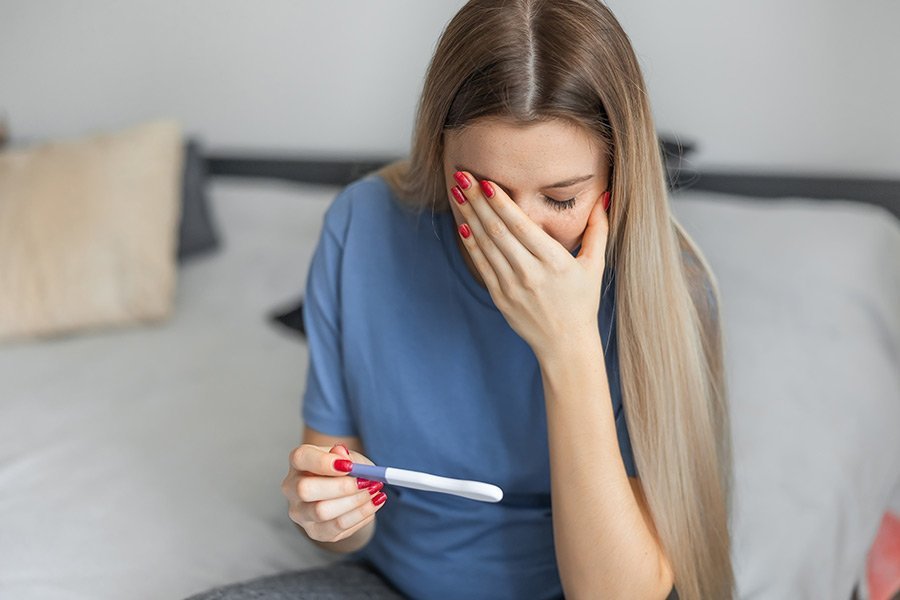

Although birth control is highly effective, no method guarantees 100% prevention of pregnancy. If you’re on birth control and notice unusual changes in your body, it’s natural to wonder if pregnancy is possible. Understanding the early signs of pregnancy on birth control can help you navigate this uncertainty and take necessary steps to confirm whether you're pregnant.

How Does Birth Control Work?
Before diving into the symptoms, it’s essential to understand how birth control works. Most hormonal contraceptives, such as the pill, patch, or ring, release synthetic hormones—estrogen and progesterone—to prevent ovulation. Without ovulation, pregnancy cannot occur because no egg is available for fertilization. However, even with proper use, some factors like missed doses or drug interactions may reduce the effectiveness of birth control, leaving a small chance of pregnancy.
An estimated 88% of women from ages 15 to 44 years use some form of contraceptive in the United States. Out of this, not all of them can make informed decisions due to a lack of information on how birth control works at their age [1].
Is It Possible to Get Pregnant While on Birth Control?
Yes, though rare, it’s possible to get pregnant while using contraception. According to health studies, approximately 9 out of 100 women using birth control pills may become pregnant annually due to improper use. Therefore, recognizing the symptoms of pregnancy on birth control is important, especially if you’ve missed doses or experienced other circumstances that could compromise the effectiveness of your contraception.
Common Early Signs of Pregnancy on Birth Control
Here are some early indicators that you may be pregnant, even while using birth control:
1. Missed or Lighter Periods
One of the most apparent early signs of pregnancy on birth control is a missed or "late" period (Wondering how late is normal for period?). Many women on hormonal contraceptives experience regular, light periods. If you notice an absence of menstruation or periods significantly lighter than usual, it could signal pregnancy. Keep in mind that birth control itself can sometimes lead to irregular cycles, but it's worth testing if the change is sudden and accompanied by other symptoms [2].
2. Breast Tenderness
Tender or swollen breasts are one of the common early symptoms of pregnancy. It is among the top 3 most common pregnancy symptoms, along with nausea/vomiting and fatigue. While breast changes can be a side effect of birth control, if the sensitivity is unusual for you, it could be an early pregnancy sign. Pay attention to changes in size or sensation, particularly if accompanied by other symptoms [3].

✨ Think You Might Be Pregnant?
Get fast, accurate results up to 6 days before your missed period with our early detection pregnancy test.
Shop Now — $9.80✓ Free shipping on orders over $40 | ✓ Trusted by millions of couples worldwide
3. Fatigue
Feeling unusually tired could indicate early pregnancy. Hormonal changes during pregnancy can cause significant fatigue. If you're experiencing persistent exhaustion that’s not typical with your usual contraceptive regimen, it might be time to take a pregnancy test to rule out pregnancy.
4. Nausea and Vomiting
Morning sickness, characterized by nausea and vomiting, is a hallmark sign of pregnancy. If you're on birth control and notice increased nausea, especially in the mornings or after meals, it could be a sign of pregnancy. Birth control does not usually cause nausea beyond the first few days of use, so this symptom should not be overlooked.
Curious how early can morning sickness start?

5. Frequent Urination
Increased trips to the bathroom can indicate pregnancy, even when you're on birth control. As pregnancy progresses, your body produces more of the hormone hCG, which can lead to frequent urination. This is a subtle but reliable symptom of early pregnancy, particularly when paired with others [4].
When Should You Take a Pregnancy Test?
If you suspect you’re pregnant despite using birth control, it’s important to take a pregnancy test as soon as possible. Home pregnancy tests detect the hormone hCG in your urine, which your body produces shortly after implantation. To avoid false negatives, wait until at least one week after a missed period to test. If the result is positive, consult with your healthcare provider immediately for further guidance.
Final Thoughts
Although birth control is a reliable method of preventing pregnancy, no method is infallible. Recognizing the early signs of pregnancy on birth control and being aware of potential symptoms is essential for maintaining your reproductive health. If you suspect pregnancy, taking action early by confirming through a test and consulting with a healthcare provider can help you make informed decisions about your next steps.
By understanding both the symptoms of pregnancy on birth control and how to respond, you can reduce anxiety and take control of your health.

Sources
- Britton LE, Alspaugh A, Greene MZ, McLemore MR. CE: An Evidence-Based Update on Contraception. Am J Nurs. 2020 Feb;120(2):22-33. doi:10.1097/01.NAJ.0000654304.29632.a7. PMID: 31977414; PMCID: PMC7533104.
- Wise LA, Mikkelsen EM, Rothman KJ, Riis AH, Sørensen HT, Huybrechts KF, Hatch EE. A prospective cohort study of menstrual characteristics and time to pregnancy. Am J Epidemiol. 2011 Sep 15;174(6):701-9. doi:10.1093/aje/kwr130. Epub 2011 Jun 30. PMID: 21719742; PMCID: PMC3166706.
- Nazik E, Eryilmaz G. Incidence of pregnancy-related discomforts and management approaches to relieve them among pregnant women. J Clin Nurs. 2014 Jun;23(11-12):1736-50. doi:10.1111/jocn.12323. Epub 2013 Sep 13. PMID: 24028734.
- Chen HJ, Hsiao SM, Yang CF, Lee CN, Wang YW, Guo DW, Chang SR. Overactive Bladder during Pregnancy: A Prospective Longitudinal Study. Medicina (Kaunas). 2022 Feb 6;58(2):243. doi:10.3390/medicina58020243. PMID: 35208567; PMCID: PMC8875611.
🌱 Get Answers Early
Millions of women trust Conceive Plus for their fertility journey. Clinically validated pregnancy tests delivered to your door.
Shop Pregnancy Tests →Frequently Asked Questions
Recommended by Fertility Experts
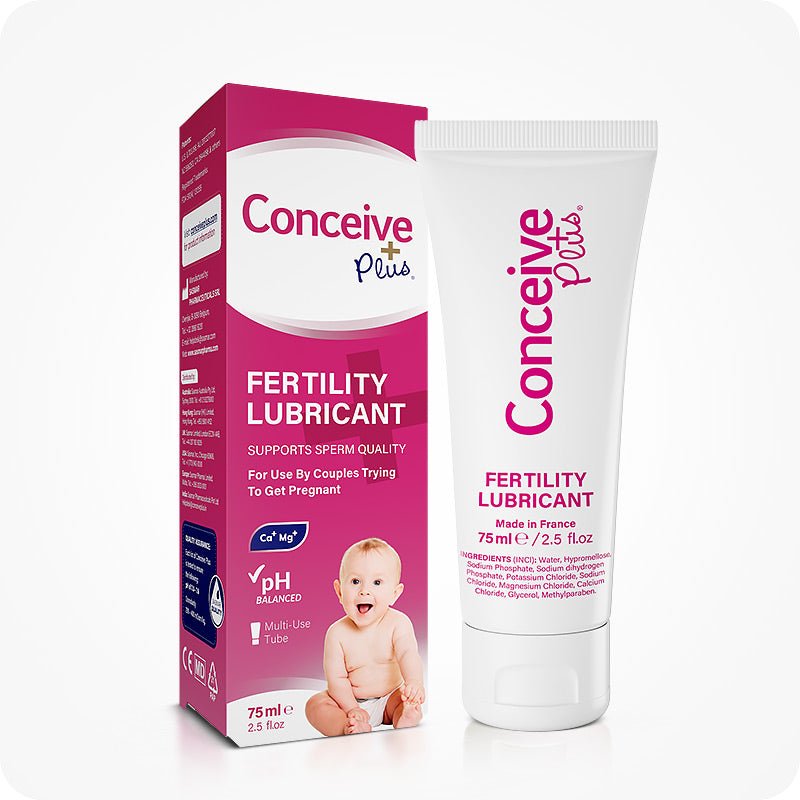
Conceive Plus Fertility Lubricant
Specially formulated to be sperm-friendly and isotonic, supporting your natural conception journey without disrupting the reproductive environment.
Shop Now →Can birth control pills fail if I take them correctly every day?
While birth control pills are over 99% effective with perfect use, real-world effectiveness is about 91% because of missed doses, drug interactions, and other factors. Even with consistent daily use, there's a small chance of pregnancy, particularly if you're taking certain medications like antibiotics or anticonvulsants that can interfere with hormonal contraceptives. The FDA recommends discussing potential drug interactions with your healthcare provider when starting any new medication.
How soon can I test for pregnancy while on birth control?
You can take a pregnancy test as early as 12-14 days after conception, though waiting until after a missed period provides more accurate results. If you suspect pregnancy while on birth control, the most reliable approach is to visit your healthcare provider for a blood test (beta-hCG), which can detect pregnancy earlier than home urine tests. The American College of Obstetricians and Gynecologists (ACOG) recommends confirming any positive home test with a clinical evaluation.
Will birth control harm my baby if I'm already pregnant and didn't know?
If you become pregnant while using hormonal birth control, research suggests the synthetic hormones are unlikely to cause harm to the developing fetus. However, it's important to stop taking birth control immediately once pregnancy is confirmed and schedule an appointment with your OB-GYN to discuss your pregnancy options and prenatal care. Your healthcare provider can assess your individual situation and provide personalized medical guidance.
What should I do if I missed multiple birth control pills and have pregnancy symptoms?
If you've missed multiple doses and experience symptoms like breast tenderness, nausea, or a missed period, take a home pregnancy test or schedule an appointment with your healthcare provider for clinical confirmation. Missing doses significantly reduces birth control effectiveness—according to ACOG, you should use backup contraception (condoms) for 7 days after restarting your pills. Contact your doctor promptly if your test is positive, as they can discuss your options and next steps.
Can birth control side effects mimic early pregnancy symptoms?
Yes, birth control can cause breast tenderness, nausea, fatigue, and mood changes that are similar to pregnancy symptoms, making it difficult to distinguish between the two. The key difference is that pregnancy symptoms typically intensify over time and are accompanied by a missed period, while birth control side effects often stabilize after a few months. If symptoms persist or worsen, or if you experience a missed period, consult your healthcare provider for a pregnancy test to rule out pregnancy.
Does the IUD or implant have different pregnancy rates than the pill?
Yes, long-acting reversible contraceptives (LARCs) like IUDs and implants are significantly more effective than birth control pills, with failure rates of less than 1% compared to 9% for pills with typical use. The American Society of Reproductive Medicine (ASRM) recommends LARCs for women seeking the highest contraceptive effectiveness, as they don't rely on user compliance. If you're concerned about birth control effectiveness, discuss switching to a LARC with your healthcare provider.
Will my health insurance cover pregnancy confirmation and prenatal care if I become pregnant on birth control?
Yes, under the Affordable Care Act, most health insurance plans are required to cover prenatal care, pregnancy-related services, and delivery without cost-sharing when provided by in-network providers. Coverage includes pregnancy testing, ultrasounds, and prenatal visits through your OB-GYN or family medicine provider. Contact your insurance company or visit their website to verify your specific plan's coverage details and in-network healthcare providers in your area.
Trusted by Couples in Over 70 Countries
Start Your Fertility Journey With the Right Support
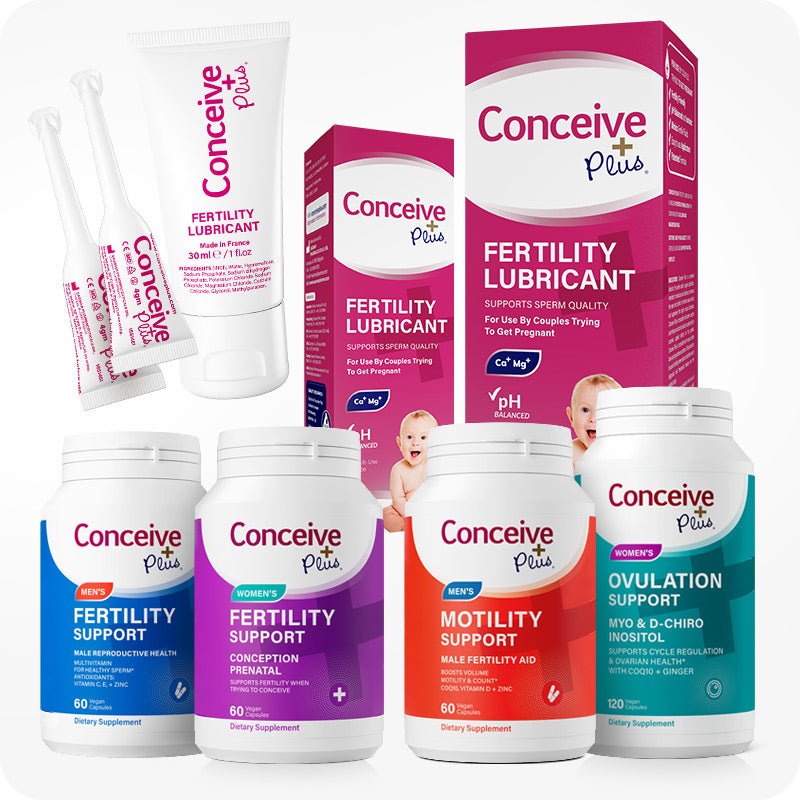
Conceive Plus Fertility Lubricant is specially formulated to be compatible with sperm, eggs, and embryos. Whether you are just starting out or have been trying for a while, our products are designed to work with your body — not against it.
Explore Fertility Lubricant →