Early Pregnancy BBT Chart Implantation Dip: The Role of the Implantation Dip and Body Temperature Changes
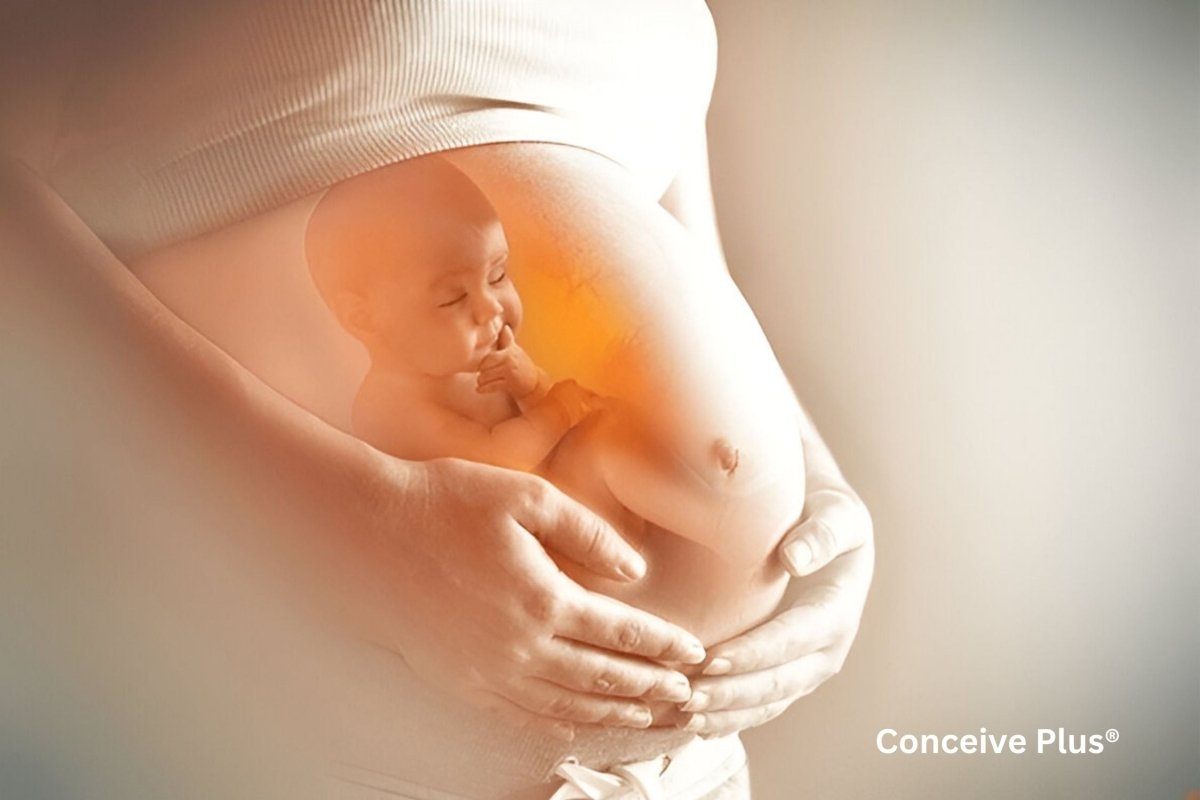

For those tracking their menstrual cycles and looking for early signs of pregnancy, basal body temperature (BBT) can provide helpful insights. One specific sign, known as an early pregnancy BBT chart implantation dip, can appear on a BBT chart in early pregnancy, hinting that implantation has occurred. In this article, we explore what the implantation dip is, how BBT can indicate pregnancy, and what body temperature changes to expect during early pregnancy. We’ll also cover other related signs, such as brown discharge and its significance in early pregnancy.

Basal Body Temperature and Early Pregnancy: How It Works
BBT tracking involves measuring body temperature first thing in the morning, ideally before any physical activity. Throughout a typical menstrual cycle, basal body temperature varies in response to hormonal changes, particularly progesterone. After ovulation, progesterone levels rise, causing a slight temperature increase. This elevated temperature remains consistent through the luteal phase (the phase following ovulation) until menstruation, when progesterone levels drop, lowering BBT again [1].
In early pregnancy, however, progesterone remains high to support the uterine lining, so BBT stays elevated instead of dropping. An early pregnancy BBT chart typically shows a sustained rise in temperature that continues past the usual luteal phase.
What Is the Implantation Dip?
An implantation dip refers to a slight decrease in basal body temperature implantation dip that can occur between 6–12 days post-ovulation, around the time of embryo implantation. During implantation, the fertilized egg attaches itself to the uterine lining, causing a temporary hormonal shift that may lead to a small dip in temperature. This dip usually lasts only one day, after which the temperature returns to an elevated level.
Although an implantation dip is a fascinating sign, it doesn’t appear in all pregnancies. Research suggests that only about 25–30% of pregnant women experience this dip, so while it’s exciting to see on a BBT chart, its absence does not rule out pregnancy. For those who do see it, it’s considered a potential early indicator of successful implantation.
Tracking Early Pregnancy Basal Body Temperature
The early pregnancy basal body temperature when pregnant remains elevated after ovulation. Typically, the post-ovulation temperature rises by about 0.4 to 1.0°F (or 0.2 to 0.5°C) from baseline and stays higher during early pregnancy. A consistent, elevated BBT for more than 16–18 days after ovulation is often a strong early pregnancy sign. This is because pregnancy body temperature stays high due to progesterone production by the corpus luteum, and later by the developing placenta [2].
It’s also useful to know that the average early pregnancy temperature range is around 97.8–98.6°F (36.5–37°C). However, body temperature varies among individuals, so it’s more helpful to observe the trend on your chart rather than specific temperature values.
Early Pregnancy Temperature Drop and Its Meaning
If you notice a brief dip in temperature, often called an implantation dip, it could be a sign of implantation occurring. This small drop in the body temp and early pregnancy usually occurs around the 7–10 DPO mark, but as noted, it’s not definitive, as it doesn’t happen in every pregnancy. The dip generally lasts one day, followed by a return to the higher temperature range typical of body temp early pregnancy [3].
Other Symptoms Associated with Implantation

✨ Think You Might Be Pregnant?
Get fast, accurate results up to 6 days before your missed period with our early detection pregnancy test.
Shop Now — $9.80✓ Free shipping on orders over $40 | ✓ Trusted by millions of couples worldwide
Apart from changes in BBT, some women report brown discharge or spotting around the time of implantation. This type of spotting, sometimes called implantation bleeding, is usually light and short-lived. Many wonder, “Is brown discharge implantation?” and in some cases, the answer is yes. However, this isn’t guaranteed, as many pregnancies progress without any visible implantation bleeding.
If brown or light pink spotting appears shortly after the potential implantation dip, it may be an additional sign of early pregnancy. The spotting typically doesn’t resemble a period and may appear as early pregnancy brown period blood on pad, which is lighter and less persistent than menstrual blood [4]. In some cases, women may experience late implantation bleeding, which occurs closer to their expected period and can be mistaken for menstruation.

Is Brown Period Blood a Sign of Pregnancy?
Brown blood can sometimes be associated with pregnancy, especially when it appears around implantation. However, brown discharge or spotting doesn’t definitively indicate pregnancy. Brown period blood results from older blood leaving the body, so it can also appear at the start or end of a menstrual period. If you notice early pregnancy brown period blood on pad around the time of a missed period, it’s best to consider it as one potential sign among others rather than a certainty.
Body Temperature in Early Pregnancy: Understanding the Trends
In early pregnancy, body temperature typically remains elevated due to sustained progesterone levels. Monitoring this temperature range can offer insights for those actively trying to conceive. However, it’s important to remember that a pregnancy test is the most reliable method to confirm pregnancy, as BBT alone can’t guarantee it. Additionally, factors such as illness, sleep disruptions, or environmental conditions can affect temperature readings.
FAQs: Common Questions About Early Pregnancy BBT and Implantation
What if I don’t see an implantation dip?
Not seeing an implantation dip on your BBT chart doesn’t rule out pregnancy. Many women have successful pregnancies without experiencing this dip, as it occurs in a limited percentage of cases.
How long should my temperature stay elevated if I’m pregnant?
In a non-pregnant cycle, BBT usually drops just before or at the start of menstruation. If you’re pregnant, however, BBT stays elevated past the expected start of your period and continues into the first trimester.
Can I rely on BBT alone to confirm pregnancy?
BBT tracking can provide early hints, but it shouldn’t replace a pregnancy test. The most reliable confirmation comes from a home pregnancy test or a blood test ordered by a healthcare provider.
Is an implantation dip necessary for pregnancy?
No, an implantation dip is not necessary. It’s an interesting pattern to observe, but its absence doesn’t impact the likelihood of pregnancy.

Summary: How to Interpret Your BBT Chart for Early Pregnancy Clues
An early pregnancy BBT chart implantation dip can be a promising sign when observed alongside other symptoms, but it’s not a guaranteed indicator. A consistent rise in BBT after ovulation, maintained past the usual luteal phase length, can hint at early pregnancy. If you see a one-day dip around 7–10 DPO followed by sustained elevated temperatures, it may suggest successful implantation.
Observing other early signs like brown discharge or light spotting can add context to your BBT chart, though these symptoms alone don’t confirm pregnancy. Overall, while tracking early pregnancy and body temperature through BBT is a valuable tool for some, a home pregnancy test remains the definitive way to confirm pregnancy. Some women choose to use fertility products that support hormonal balance to enhance their chances of conception.
By understanding the intricacies of BBT and its limitations, you can use this method to gain insights into your cycle, recognize potential early pregnancy signs, and better understand the changes happening in your body.
Citations
- Robert G.D. Newill, Maurice Katz. The basal body temperature chart in artificial insemination by donor pregnancy cycles**Supported in part by a grant to Dr. Newill from the Rockefeller Fund of University College Hospital Medical School. Fertility and Sterility. Volume 38, Issue 4. [1982]. Pages 431-438. ISSN 0015-0282. https://doi.org/10.1016/S0015-0282(16)46577-5.
- Steward K, Raja A. Physiology, Ovulation And Basal Body Temperature. [Updated 2023 Jul 17]. In: StatPearls [Internet]. Treasure Island (FL): StatPearls Publishing; 2024 Jan-. Available from: https://www.ncbi.nlm.nih.gov/books/NBK546686/
- Gnoth C, Frank-Herrmann P, Schmoll A, Godehardt E, Freundl G. Cycle characteristics after discontinuation of oral contraceptives. Gynecol Endocrinol. 2002 Aug;16(4):307-17. PMID: 12396560. https://pubmed.ncbi.nlm.nih.gov/12396560/
- Su, H.-W., Yi, Y.-C., Wei, T.-Y., Chang, T.-C. and Cheng, C.-M. (2017), Detection of ovulation, a review of currently available methods. Bioengineering & Translational Medicine. https://pubmed.ncbi.nlm.nih.gov/29313033/
🌱 Get Answers Early
Millions of women trust Conceive Plus for their fertility journey. Clinically validated pregnancy tests delivered to your door.
Shop Pregnancy Tests →Frequently Asked Questions
Recommended by Fertility Experts
Conceive Plus Fertility Supplements
Science-backed vitamins and supplements expertly formulated to nourish your body and support reproductive health at every stage.
Shop Now →Can I rely on the implantation dip as a definitive pregnancy test?
No, the implantation dip should not be used as a definitive pregnancy indicator. While it can be an interesting observation on your BBT chart, only about 25-30% of pregnant women experience this dip, and its absence does not rule out pregnancy. The most reliable way to confirm pregnancy is through a blood hCG test or urine pregnancy test ordered by your healthcare provider, typically taken 12-14 days after ovulation.
How accurate is basal body temperature tracking for detecting early pregnancy?
BBT tracking can suggest the possibility of pregnancy by showing sustained elevated temperatures past the luteal phase, but it is not a diagnostic tool. BBT charts are useful for cycle tracking and identifying your fertile window, but a positive blood or urine pregnancy test from your healthcare provider is the only accurate way to confirm pregnancy. Many factors beyond pregnancy can cause temperature variations, including illness, stress, and sleep disruption.
What is the difference between an implantation dip and a normal luteal phase temperature drop?
An implantation dip occurs 6-12 days after ovulation as a temporary, single-day temperature decrease caused by hormonal shifts during embryo implantation, followed by a return to elevated temperatures. A normal luteal phase temperature drop occurs at the end of your cycle when progesterone levels fall just before menstruation begins. If you're pregnant, your temperatures will remain elevated rather than dropping at the end of your cycle, which distinguishes early pregnancy from a non-pregnant cycle.
Should I discuss my BBT charts with my fertility doctor or OB-GYN?
Yes, sharing your BBT charts with your healthcare provider can be helpful, especially if you're trying to conceive or have concerns about your cycle. Your doctor can review your charts alongside other clinical data to assess your cycle regularity and ovulation patterns. However, be clear that BBT tracking is a supplementary tool—your provider will rely on blood tests, ultrasounds, and physical exams for actual pregnancy confirmation and fertility assessment.
How does progesterone affect basal body temperature during early pregnancy?
After ovulation, progesterone levels rise and cause a slight increase in basal body temperature of about 0.4-1.0°F. In early pregnancy, progesterone remains elevated to support the uterine lining, so your BBT stays high instead of dropping before your period. This sustained elevation is why a continued elevated temperature past your expected period can be a sign of pregnancy, though a positive pregnancy test is still needed for confirmation.
Is brown discharge during early pregnancy related to the implantation dip?
Brown discharge can occur around the time of implantation (6-12 days after ovulation) due to light bleeding from the uterine lining, which coincides with when an implantation dip might appear. However, brown discharge and the implantation dip are separate phenomena with different causes—one is visible bleeding, and the other is a temperature change. If you experience brown discharge or any vaginal bleeding in early pregnancy, contact your healthcare provider to rule out complications.
What insurance coverage exists for fertility tracking and pregnancy confirmation tests?
Coverage for fertility tracking tools and pregnancy tests varies by insurance plan; most plans cover medically necessary blood hCG tests and ultrasounds ordered by your provider. Over-the-counter pregnancy tests and basal body thermometers are typically not covered by insurance. If you're pursuing fertility treatment, the American Society for Reproductive Medicine (ASRM) recommends checking with your specific plan to understand what diagnostic testing and treatments are covered.
Trusted by Couples in Over 70 Countries
Nourish Your Fertility With Science-Backed Supplements
The right nutrients at the right time can make a meaningful difference. Conceive Plus fertility supplements are expertly formulated with vitamins, minerals, and botanicals to support reproductive health for both men and women.
Shop Fertility Supplements →